

Garden Impatiens
Impatiens walleriana
Found in suburban woodlands, weakly spreading from horticultural plantings. Weakley, Flora of the Southeastern United States (2025), South Central edition What its natural habitat tells you
Not native to Alabama. How scores work Is it native here?
Profile 29%
- Light
- Up to 6 hours of direct sun
- Soil moisture
- Average to wet
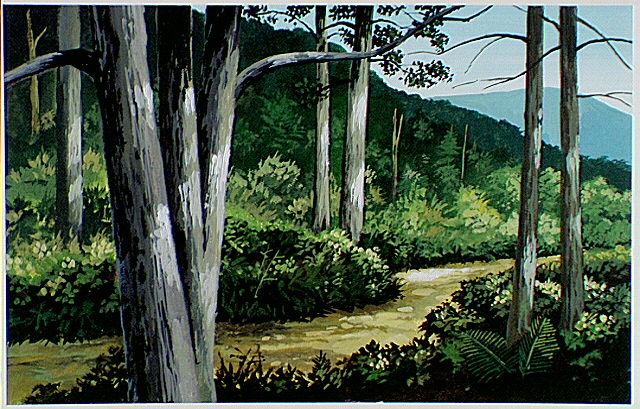
No photograph yet. Looking for an old drawing…
At a glance
Not yet recorded · Height · Spread · Life cycle · Leaves · Bloom
This plant is missing most of its facts, so Quercus is looking them up in old botany books.
Recorded in 2 Alabama counties.
Natural habitats
Places it grows wild. Not a planting requirement. Each habitat page lists the plants and wildlife also found there.
Who uses this plant?
 12CaterpillarsGenus host records with ranges including AL
Genus host records with ranges including AL · Impatiens
- Argyrotaenia velutinanaRed-Banded Leafroller Moth, Jack Pine Tube Moth
- Caripeta divisataGray Spruce Looper Moth
- Coelostathma discopunctanaThe Batman Moth
- Euchlaena obtusariaObtuse Euchlaena
- Euphyia intermediataSharp-Angled Carpet Moth, The Intermediate
- Orthodes majusculaRustic Quaker, Rustic Groundcat
- Spodoptera eridaniaSouthern Armyworm Moth
- Spodoptera frugiperdaFall Armyworm Moth
- Spodoptera latifasciaOrange-Striped Armyworm, Velvet Armyworm Moth
- Spoladea recurvalisHawaiian Beet Webworm
Show all 12
- Vanessa virginiensisAmerican Lady, American Painted Lady
- Xanthorhoe lacustrataToothed Brown Carpet
 —BeesSoutheastern regional records
 —Specialist beesPollen specialists
 3BirdsRecorded genus food-resource interactions; not a state feeding claim
Recorded genus food-resource interactions; not a state feeding claim · Impatiens
- Bonasa umbellusRuffed Grouse
- Colinus virginianusNorthern Bobwhite
- Pheucticus ludovicianusRose-breasted Grosbeak
Direct food only: birds recorded eating this genus across North America. Caterpillars on host plants also feed nesting birds. NC Native Plant Society: butterfly gardening
Plant details
- Family
- Balsaminaceae
Safety has not been reviewed for this plant; check toxicity and thorns before planting.
Conservation status
| Alabama rank | Not available |
|---|---|
| Global rank | Not available |
| AL status | Not verified |
| Federal status | Not verified |
Native alternatives
Find natives for your gardenSources
- Alabama Plant Atlas
- Weakley, Flora of the Southeastern United States (2025), South Central edition
- Shropshire & Tallamy 2025, Lepidoptera of North America north of Mexico, ZooKeys 1261 (ODbL)
- Noori, Seltmann & Orr 2026, A curated and integrated dataset for exploring global bee-plant interactions (GloBI), Zenodo, CC BY 4.0
- Smith, Bachelder, Russell, Morales, Mosher & Seltmann 2024, Bee-Specialization-Modeling v0.6.1 (specialist host table compiled from J. Fowler's pollen specialist bee lists), Zenodo, CC BY 4.0
- Hurlbert, Olsen, Sawyer & Winner 2021, Avian Diet Database, Scientific Data 8: 260 (CC0)
- Narango, Tallamy & Shropshire 2020, Few keystone plant genera support the majority of Lepidoptera species, Nature Communications