

Common Sneezeweed
Helenium autumnale
Found in moist pastures, forests, woodlands, forest edges. FloraQuest, phone app (app page) What its natural habitat tells you
Native to Alabama. How scores work Is it native here?
Profile 100%
- Height
- 3–5 feet
- Spread
- 2–3 feet
- Light
- Full sun, Partial shade
- Soil moisture
- Moist to standing water
Space about 2.5 ft apart from its recorded spread, about 16 per 100 sq ft. Enter your bed size for a count
Will it fit your yard?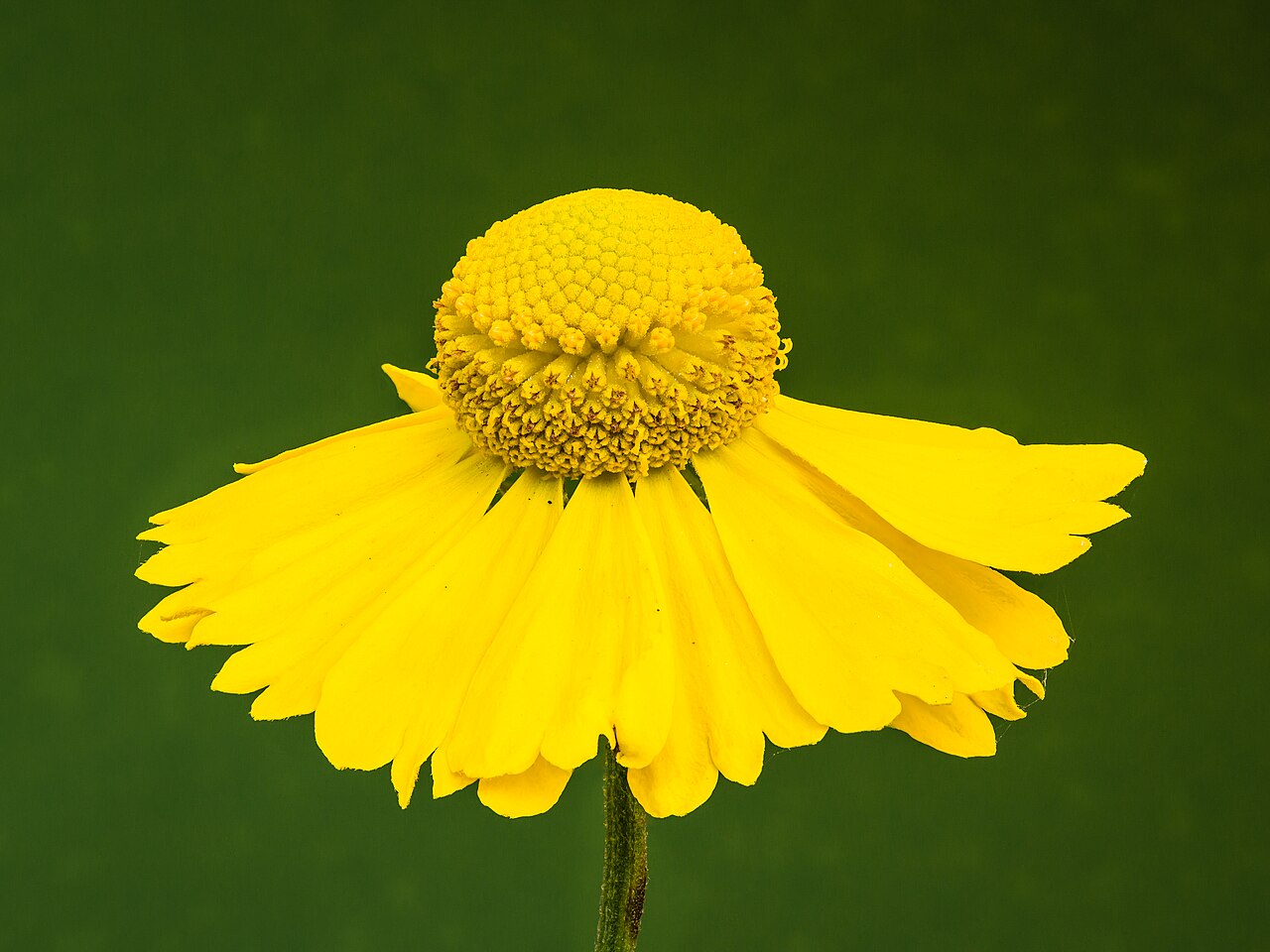
At a glance
- Life cycle
- Perennial
- Bloom
- August to October
- Fruiting season
- Fall
Not yet recorded · Leaves
Recorded in 54 Alabama counties.
Natural habitats
Places it grows wild. Not a planting requirement. Each habitat page lists the plants and wildlife also found there.
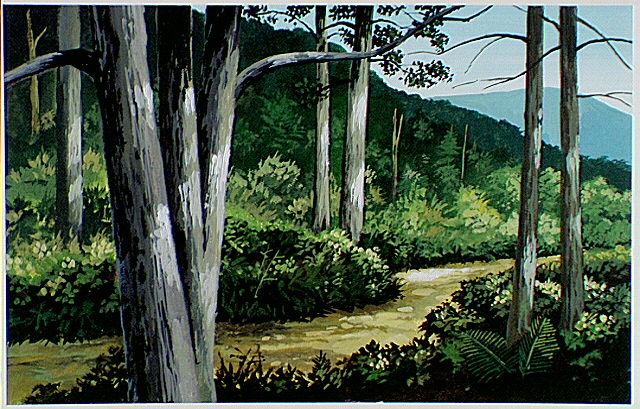
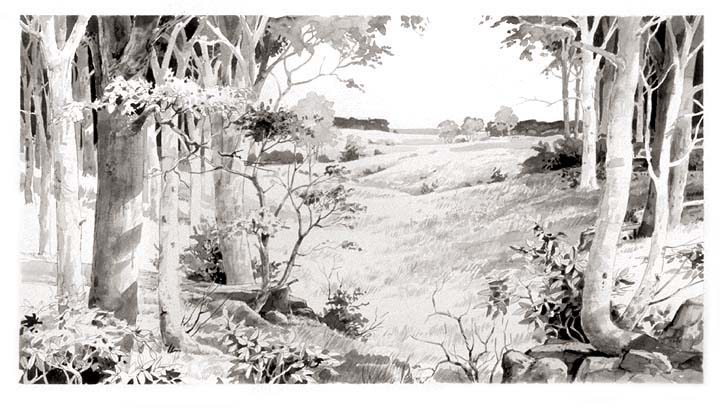
Roadsides, fields and disturbed ground
Ground opened by people: roadsides, old fields, pastures, fencerows and lots.
Also found with this plant
Wildlife whose habitat models include habitats this plant grows in, in Alabama. Shared habitat, not food. 54 animals.
- Turkey VultureCathartes aura
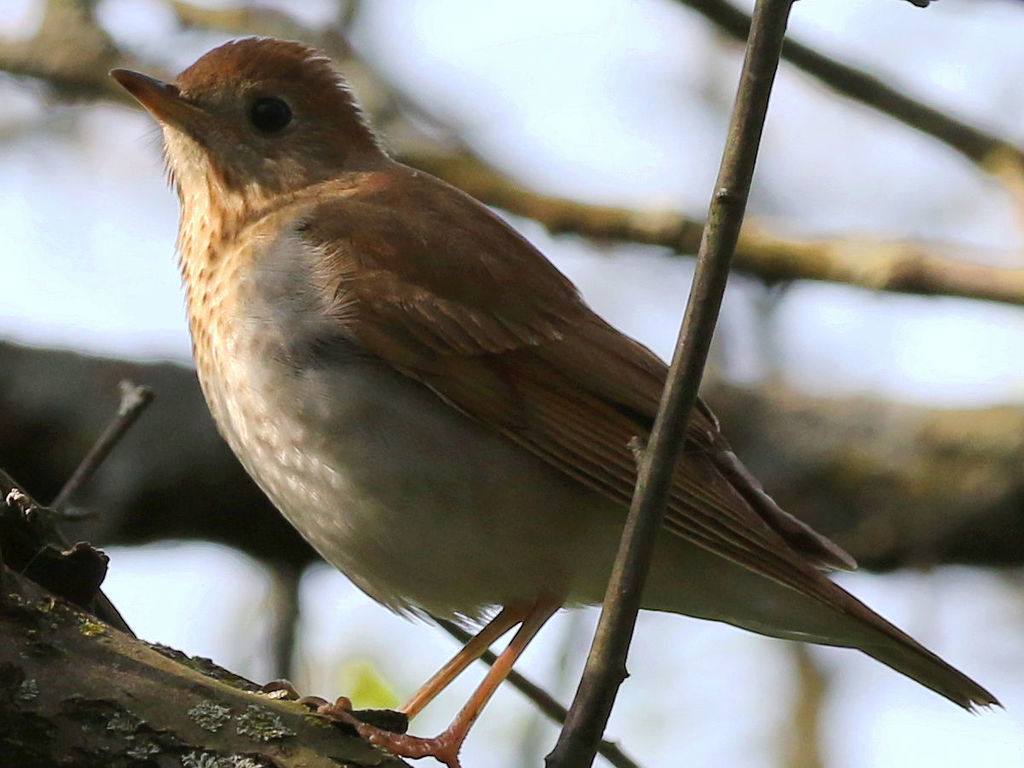
- VeeryCatharus fuscescens
- White-breasted NuthatchSitta carolinensis
- Willow FlycatcherEmpidonax traillii
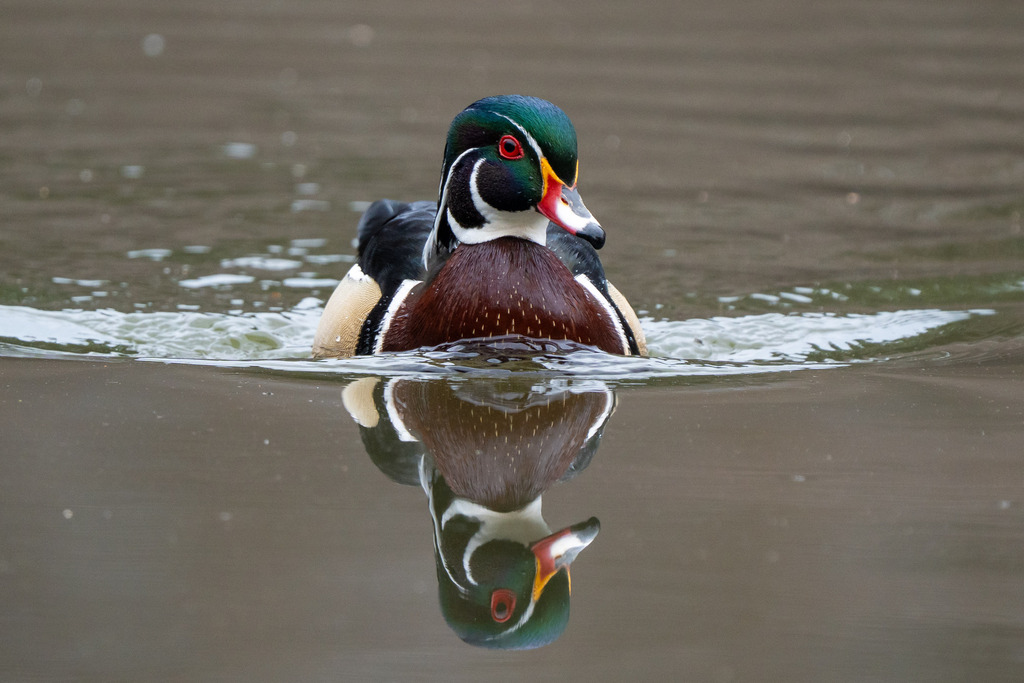
- Wood DuckAix sponsa
- Yellow-breasted ChatIcteria virens




Care
- Keep the soil moist to wet.
Who uses this plant?
 6CaterpillarsGenus host records with ranges including AL
Genus host records with ranges including AL · Helenium
- Chlorochlamys chloroleucariaBlackberry Looper Moth
- Condica sutorThe Cobbler, Cobbler Groundling
- Condica vidensWhite-Dotted Groundling
- Nathalis ioleDainty Sulphur, Dwarf Yellow
- Sparganothis sulfureanaSparganothis Fruitworm Moth, Sulfur Leafroller, False Yellow-Head
- Carmenta ithacae
 48BeesSoutheastern regional records
Southeastern regional records · Helenium
Individual names are not available yet.
Noori, Seltmann & Orr 2026, A curated and integrated dataset for exploring global bee-plant interactions (GloBI), Zenodo, CC BY 4.0 14Specialist beesPollen specialists
Pollen specialists · Helenium
- Andrena beameri
- Calliopsis coloradensis
- Dianthidium curvatum
- Dieunomia bolliana
- Megachile inimica
- Megachile parallela
- Megachile xylocopoides
- Melissodes boltoniae
- Melissodes dentiventris
- Melissodes druriellus
Show all 14
- Melissodes illatus
- Melissodes manipularis
- Melissodes wheeleri
- Paranthidium jugatorium
 —BirdsRecorded genus food-resource interactions; not a state feeding claim
Beetles 1
- Epicauta pennsylvanica
Flower visits · Carlinville, Illinois, USA
Flies 3
- Anthrax halcyon
- Scepsis fulvicollis
- Syrphus arcuatus
Flower visits · Carlinville, Illinois, USA
Adult butterflies / moths 2
- Limochores taumas
- Phyciodes tharos
Flower visits · Carlinville, Illinois, USA
Other wasps 6
- Bembix spinolae
- Bicyrtes ventralis
- Polistes variatus
- Priononyx atrata
- Sphex nigricans
- Sphex procera
Flower visits · Carlinville, Illinois, USA
Other insects 1
- Euschistus fissilis
Flower visits · Carlinville, Illinois, USA
No records yet · Ants
Plant details
- Family
- Asteraceae
- Hardiness
- Zones 3a–8b
- Flower color
- Brown/copper, yellow or orange
- Growth rate
- Rapid
- Growth habit
- Single stem
- Foliage color
- Green
- Fruit begins
- Fall
- Fruit ends
- Fall
Safety has not been reviewed for this plant; check toxicity and thorns before planting.
Growing sources and scope
- Bloom · “August to October” · FloraQuest: Carolinas, Georgia (Southeastern Flora Team), phone app (app page) (ranked first; USDA PLANTS differs) · Carolinas and Georgia
- Flower color · “Brown/copper, yellow or orange” · NC Extension Plant Toolbox (ranked first; USDA PLANTS, Prairie Moon 2026 Cultural Guide differ)
- Foliage color · “Green” · USDA PLANTS · Nationwide species characteristics; local growing conditions may vary
- Fruit begins · “Fall” · NC Extension Plant Toolbox · Species profile fruit display season; not a local ripening date
- Fruit ends · “Fall” · NC Extension Plant Toolbox · Species profile fruit display season; not a local ripening date
- Growth habit · “Single stem” · USDA PLANTS · Nationwide species characteristics; local growing conditions may vary
- Growth rate · “Rapid” · USDA PLANTS · Nationwide species characteristics; local growing conditions may vary
- Hardiness · “Zones 3a–8b” · NC Extension Plant Toolbox
- Height · “3–5 feet” · NC Extension Plant Toolbox (ranked first; Tennessee Smart Yards, USDA PLANTS, Minnesota Wildflowers, Prairie Moon 2026 Cultural Guide differ)
- Life cycle · “Perennial” · NC Extension Plant Toolbox
- Light · “Full sun (6 or more hours of direct sunlight a day); Partial shade (direct sunlight only part of the day, 2-6 hours)” · NC Extension Plant Toolbox (ranked first; Tennessee Smart Yards, Virginia Cooperative Extension, Virginia DCR Piedmont, Virginia DCR Coastal Plain, Prairie Moon 2026 Cultural Guide differ)
- Soil · “Frequent standing water; Moist; Occasionally wet” · NC Extension Plant Toolbox (ranked first; Tennessee Smart Yards, Virginia Cooperative Extension, Virginia DCR Piedmont, Virginia DCR Coastal Plain, Prairie Moon 2026 Cultural Guide differ)
- Spread · “2–3 feet” · NC Extension Plant Toolbox
Conservation status
| Alabama rank | SNR |
|---|---|
| Global rank | G5 |
| AL status | Not verified |
| Federal status | Not verified |
Will it fit your yard?
Check this plant against your county, sun and soil moisture. Conditions are checked in your browser.
Sources
- Alabama Plant Atlas
- USDA PLANTS
- Vascular Plants of North Carolina (NC Natural Heritage Program)
- NatureServe Explorer
- Shropshire & Tallamy 2025, Lepidoptera of North America north of Mexico, ZooKeys 1261 (ODbL)
- Noori, Seltmann & Orr 2026, A curated and integrated dataset for exploring global bee-plant interactions (GloBI), Zenodo, CC BY 4.0
- Smith, Bachelder, Russell, Morales, Mosher & Seltmann 2024, Bee-Specialization-Modeling v0.6.1 (specialist host table compiled from J. Fowler's pollen specialist bee lists), Zenodo, CC BY 4.0
- Hurlbert, Olsen, Sawyer & Winner 2021, Avian Diet Database, Scientific Data 8: 260 (CC0)
- Narango, Tallamy & Shropshire 2020, Few keystone plant genera support the majority of Lepidoptera species, Nature Communications