

Common Elephant's-foot
Elephantopus tomentosus
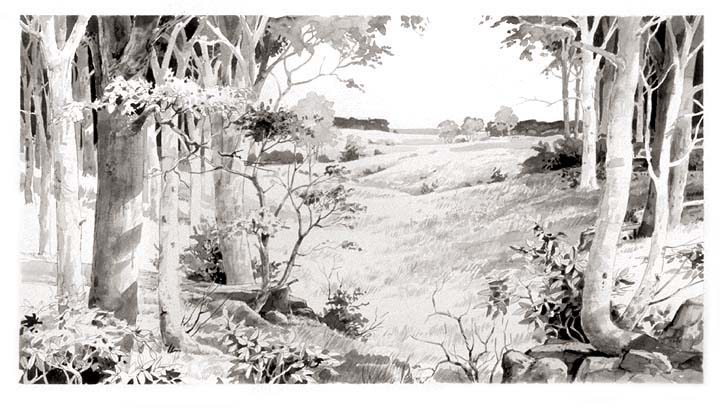
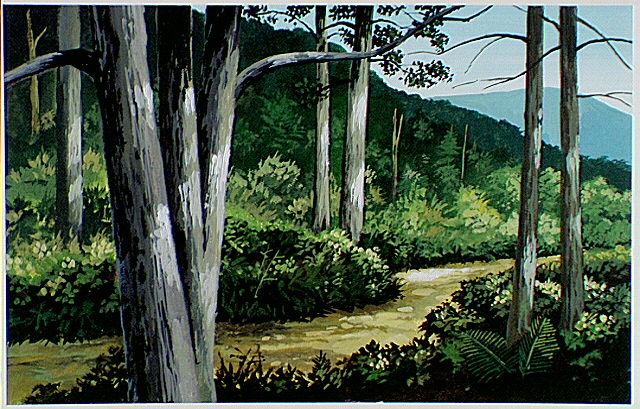
Found in woodlands and woodland borders, usually fairly dry. FloraQuest, phone app (app page) What its natural habitat tells you
Native to Alabama. How scores work Is it native here?
Profile 88%
- Height
- 2 feet
- Light
- Partial shade
- Soil moisture
- Dry to average
No photograph yet. Looking for an old drawing…
At a glance
- Life cycle
- Perennial
- Bloom
- August to November
Not yet recorded · Spread · Leaves
Recorded in 58 Alabama counties.
Natural habitats
Places it grows wild. Not a planting requirement. Each habitat page lists the plants and wildlife also found there.
Who uses this plant?
 2CaterpillarsGenus host records with ranges including AL
Genus host records with ranges including AL · Elephantopus
- Apantesis naisNais Tiger Moth
- Pyrausta phoenicealisPhoenicean Pyrausta, Perilla Leafroller
 22BeesSoutheastern regional records
Southeastern regional records · Elephantopus
Individual names are not available yet.
Noori, Seltmann & Orr 2026, A curated and integrated dataset for exploring global bee-plant interactions (GloBI), Zenodo, CC BY 4.0 1Specialist beesPollen specialists
Pollen specialists · Elephantopus
- Colletes americanus
 —BirdsRecorded genus food-resource interactions; not a state feeding claim
No records yet · Ants · Beetles · Flies · Adult butterflies / moths · Other wasps · Other insects
Plant details
- Family
- Asteraceae
- Flower color
- Pink, purple or white
Safety has not been reviewed for this plant; check toxicity and thorns before planting.
Growing sources and scope
- Bloom · “August to November” · FloraQuest: Carolinas, Georgia (Southeastern Flora Team), phone app (app page) · Carolinas and Georgia
- Flower color · “Pink, purple or white” · NC Extension Plant Toolbox (ranked first; Lady Bird Johnson Wildflower Center differs)
- Height · “2 feet” · Tennessee Smart Yards (ranked first; Lady Bird Johnson Wildflower Center differs) · Published Tennessee growing guidance; exact cached scientific heading
- Life cycle · “Perennial” · NC Extension Plant Toolbox
- Light · “Partial shade (direct sunlight only part of the day, 2-6 hours)” · NC Extension Plant Toolbox (ranked first; Tennessee Smart Yards differs)
- Soil · “Occasionally dry” · NC Extension Plant Toolbox (ranked first; Tennessee Smart Yards differs)
Also known as
Common Elephant's foot; Common Elephants Foot; Devils Grandmother
Conservation status
| Alabama rank | SNR |
|---|---|
| Global rank | G5 |
| AL status | Not verified |
| Federal status | Not verified |
Will it fit your yard?
Check this plant against your county, sun and soil moisture. Conditions are checked in your browser.
Sources
- Alabama Plant Atlas
- USDA PLANTS
- Vascular Plants of North Carolina (NC Natural Heritage Program)
- FloraQuest: Carolinas, Georgia (Weakley), phone app (app page)
- NatureServe Explorer
- Shropshire & Tallamy 2025, Lepidoptera of North America north of Mexico, ZooKeys 1261 (ODbL)
- Noori, Seltmann & Orr 2026, A curated and integrated dataset for exploring global bee-plant interactions (GloBI), Zenodo, CC BY 4.0
- Smith, Bachelder, Russell, Morales, Mosher & Seltmann 2024, Bee-Specialization-Modeling v0.6.1 (specialist host table compiled from J. Fowler's pollen specialist bee lists), Zenodo, CC BY 4.0
- Hurlbert, Olsen, Sawyer & Winner 2021, Avian Diet Database, Scientific Data 8: 260 (CC0)
- Narango, Tallamy & Shropshire 2020, Few keystone plant genera support the majority of Lepidoptera species, Nature Communications