

Cedar Glade Spike Rush
Eleocharis bifida
Found in seasonally wet seepage in limestone glades. Weakley, Flora of the Southeastern United States (2025), South Central edition What its natural habitat tells you
Native to Alabama. How scores work Is it native here?
Profile 76%
- Height
- Up to about 14 inches
- Light
- Full sun
- Soil moisture
- Moist to wet
No photograph yet. Looking for an old drawing…
Rare or protected plant. Specialist conservation planting; excluded from routine garden suggestions. Plant caution source
Hidden from default planting suggestions. Wildlife value and native status remain unchanged.
At a glance
- Life cycle
- Perennial
Not yet recorded · Spread · Leaves · Bloom
This plant is missing most of its facts, so Quercus is looking them up in old botany books.
Recorded in 4 Alabama counties.
Natural habitats
Places it grows wild. Not a planting requirement. Each habitat page lists the plants and wildlife also found there.
Glades, barrens and outcrops on limestone
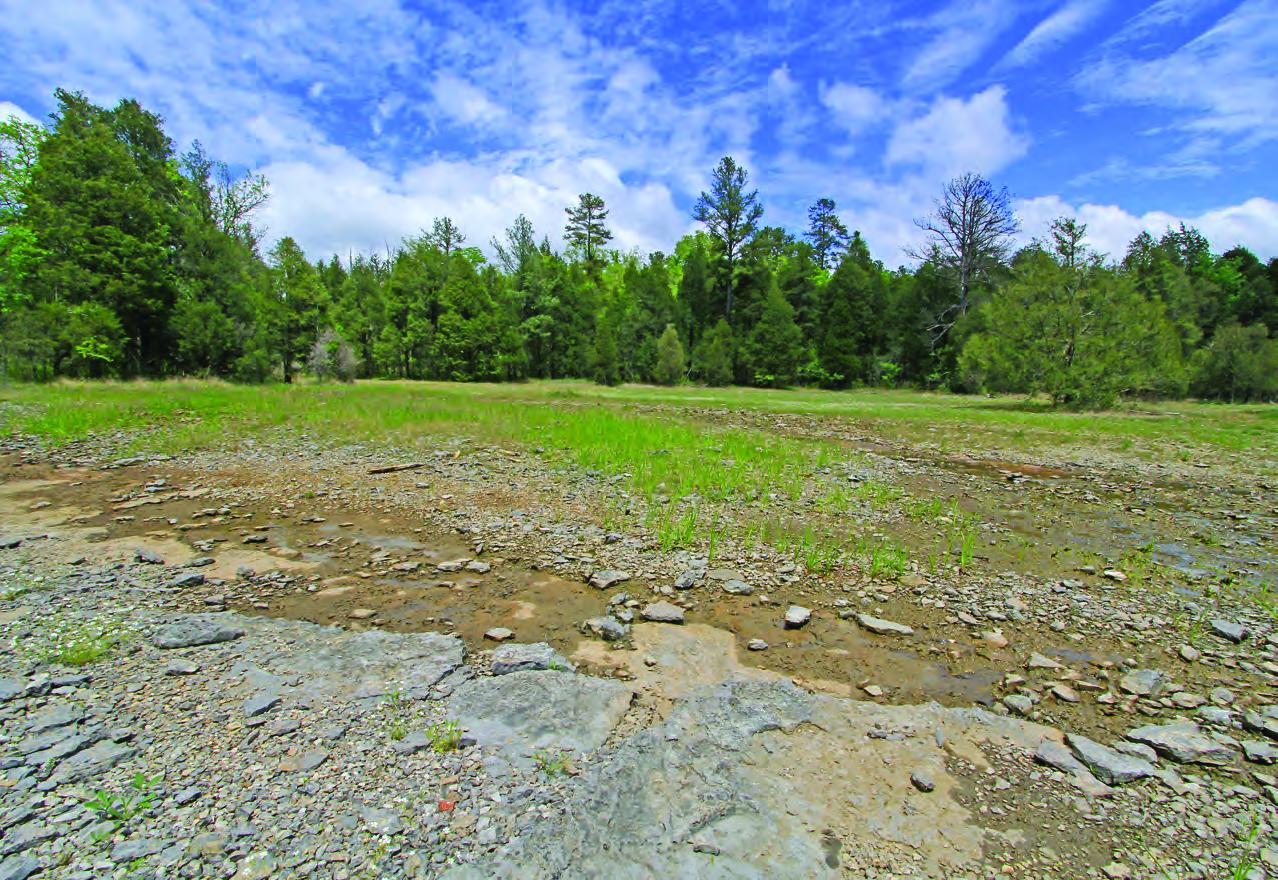
Places where groundwater keeps the soil or rock wet, such as seepage slopes and spring runs.
Also found with this plant
Wildlife whose habitat models include habitats this plant grows in, in Alabama. Shared habitat, not food. 61 animals.
- American GoldfinchCarduelis tristis
- American KestrelFalco sparverius
- American RobinTurdus migratorius
- Bank SwallowRiparia riparia
- Belted KingfisherMegaceryle alcyon
- Blue GrosbeakPasserina caerulea
- Blue JayCyanocitta cristata
- Blue-gray GnatcatcherPolioptila caerulea
- Brown CreeperCerthia americana
- Brown ThrasherToxostoma rufum
- Brown-headed CowbirdMolothrus ater
- Cedar WaxwingBombycilla cedrorum
- Chimney SwiftChaetura pelagica
- Chipping SparrowSpizella passerina
- Common NighthawkChordeiles minor
- Cooper's HawkAccipiter cooperii
- Dark-eyed JuncoJunco hyemalis
- Double-crested CormorantPhalacrocorax auritus
- Downy WoodpeckerPicoides pubescens
- Eastern BluebirdSialia sialis
- Eastern KingbirdTyrannus tyrannus
- Eastern PhoebeSayornis phoebe
- Eastern Screech-owlMegascops asio
- Eurasian Collared-doveStreptopelia decaocto
























Who uses this plant?
 5CaterpillarsGenus host records with ranges including AL
Genus host records with ranges including AL · Eleocharis
- Bactra furfuranaRush Bactra
- Cisseps fulvicollisYellow-Collared Scape Moth
- Elophila obliteralisWaterlily Leafcutter Moth
- Parapoynx allionealisWatermilfoil Leafcutter, Bladderwort Casemaker
- Eoparargyractis floridalis
 0BeesSoutheastern regional records
 0Specialist beesPollen specialists
 14BirdsRecorded genus food-resource interactions; not a state feeding claim
Recorded genus food-resource interactions; not a state feeding claim · Eleocharis
- Agelaius phoeniceusRed-winged Blackbird
- Anas creccaGreen-winged Teal
- Anas rubripesAmerican Black Duck
- Anser caerulescensSnow Goose
- Antigone canadensisSandhill Crane
- Aythya collarisRing-necked Duck
- Branta canadensisCanada Goose
- Dendrocygna bicolorFulvous Whistling-Duck
- Fulica americanaAmerican Coot
- Gallinula galeataCommon Gallinule
Show all 14
- Mareca americanaAmerican Wigeon
- Mareca streperaGadwall
- Porzana carolinaSora
- Spatula cyanopteraCinnamon Teal
Direct food only: birds recorded eating this genus across North America. Caterpillars on host plants also feed nesting birds. NC Native Plant Society: butterfly gardening
No records yet · Ants · Beetles · Flies · Adult butterflies / moths · Other wasps · Other insects
Plant details
- Family
- Cyperaceae
- Flower color
- Yellow or brown
Growing sources and scope
- Flower color · “Yellow or brown” · Lady Bird Johnson Wildflower Center
- Height · “Up to about 14 inches” · Lady Bird Johnson Wildflower Center
- Life cycle · “Perennial” · Lady Bird Johnson Wildflower Center
- Light · “Full sun (documented habitat)” · Weakley, Flora of the Southeastern United States (2025), Carolinas & Georgia edition · Carolinas and Georgia
- Soil · “Moist; Wet (documented habitat)” · Weakley, Flora of the Southeastern United States (2025), Carolinas & Georgia edition · Carolinas and Georgia
Also known as
Glade Spike Rush
Conservation status
| Alabama rank | S1 |
|---|---|
| Global rank | Not available |
| AL status | Not verified |
| Federal status | Not verified |
Will it fit your yard?
Check this plant against your county, sun and soil moisture. Conditions are checked in your browser.
Sources
- Alabama Plant Atlas
- Weakley, Flora of the Southeastern United States (2025), Carolinas & Georgia edition
- NatureServe Explorer
- Shropshire & Tallamy 2025, Lepidoptera of North America north of Mexico, ZooKeys 1261 (ODbL)
- Noori, Seltmann & Orr 2026, A curated and integrated dataset for exploring global bee-plant interactions (GloBI), Zenodo, CC BY 4.0
- Smith, Bachelder, Russell, Morales, Mosher & Seltmann 2024, Bee-Specialization-Modeling v0.6.1 (specialist host table compiled from J. Fowler's pollen specialist bee lists), Zenodo, CC BY 4.0
- Hurlbert, Olsen, Sawyer & Winner 2021, Avian Diet Database, Scientific Data 8: 260 (CC0)
- Narango, Tallamy & Shropshire 2020, Few keystone plant genera support the majority of Lepidoptera species, Nature Communications