

Log Fern
Dryopteris celsa
Found in swamps, seepage bogs, and calcareous floodplains, typically associated with calcareous substrates. Weakley, Flora of the Southeastern United States (2025), South Central edition What its natural habitat tells you
Native to Alabama. How scores work Is it native here?
Profile 94%
- Height
- 3–4 feet
- Spread
- 1.5–2.5 feet
- Light
- Dappled sunlight, Deep shade, Partial shade
- Soil moisture
- Usually moist
Space about 2 ft apart from its recorded spread, about 25 per 100 sq ft. Enter your bed size for a count
Will it fit your yard?No photograph yet. Looking for an old drawing…
Rare or protected plant. Specialist conservation planting; excluded from routine garden suggestions. Plant caution source
Hidden from default planting suggestions. Wildlife value and native status remain unchanged.
At a glance
- Life cycle
- Perennial
- Leaves
- Semi-evergreen
- Bloom
- June to September
Recorded in 15 Alabama counties.
Natural habitats
Places it grows wild. Not a planting requirement. Each habitat page lists the plants and wildlife also found there.

Open, wet, seepage-fed bogs of the Coastal Plain and Sandhills, often with pitcher plants.
Floodplain and bottomland forests
Forests on low ground beside rivers and streams that flood from time to time.
Also found with this plant
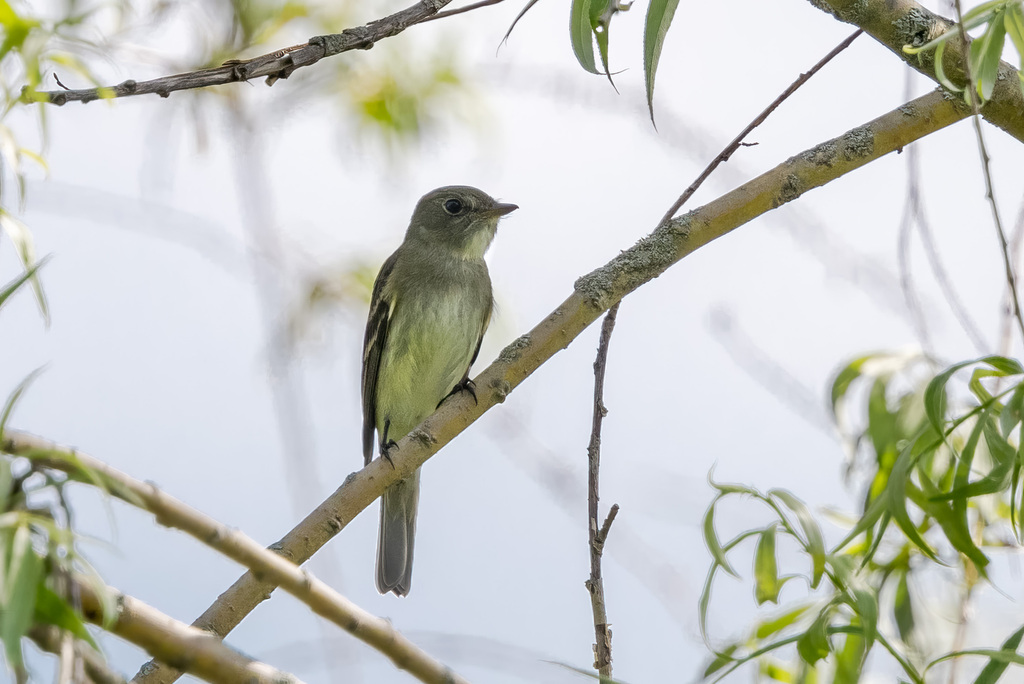
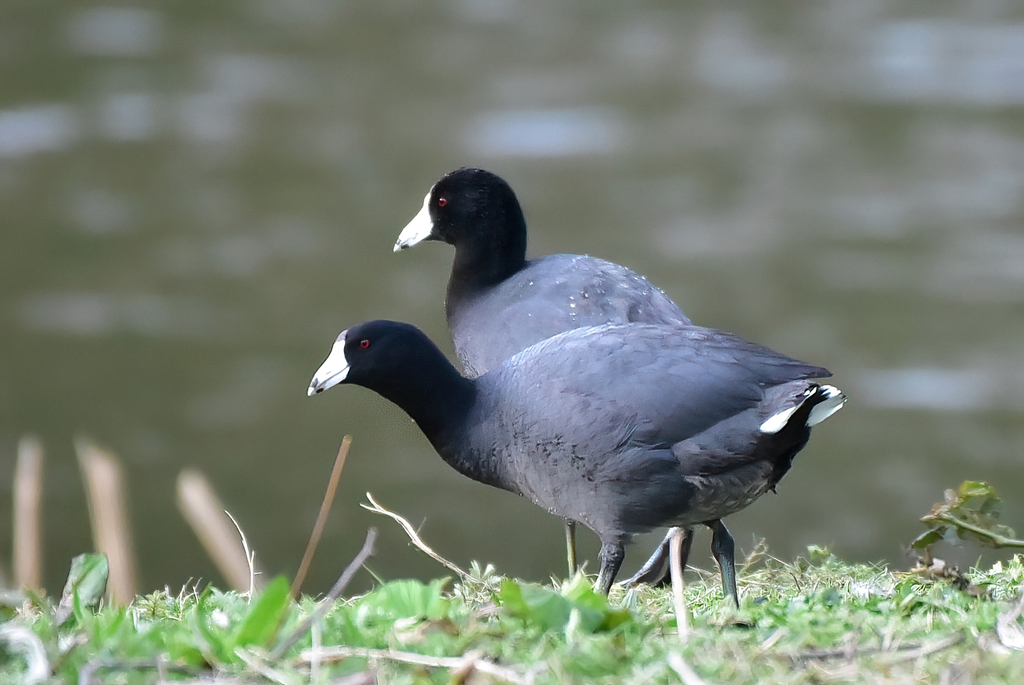
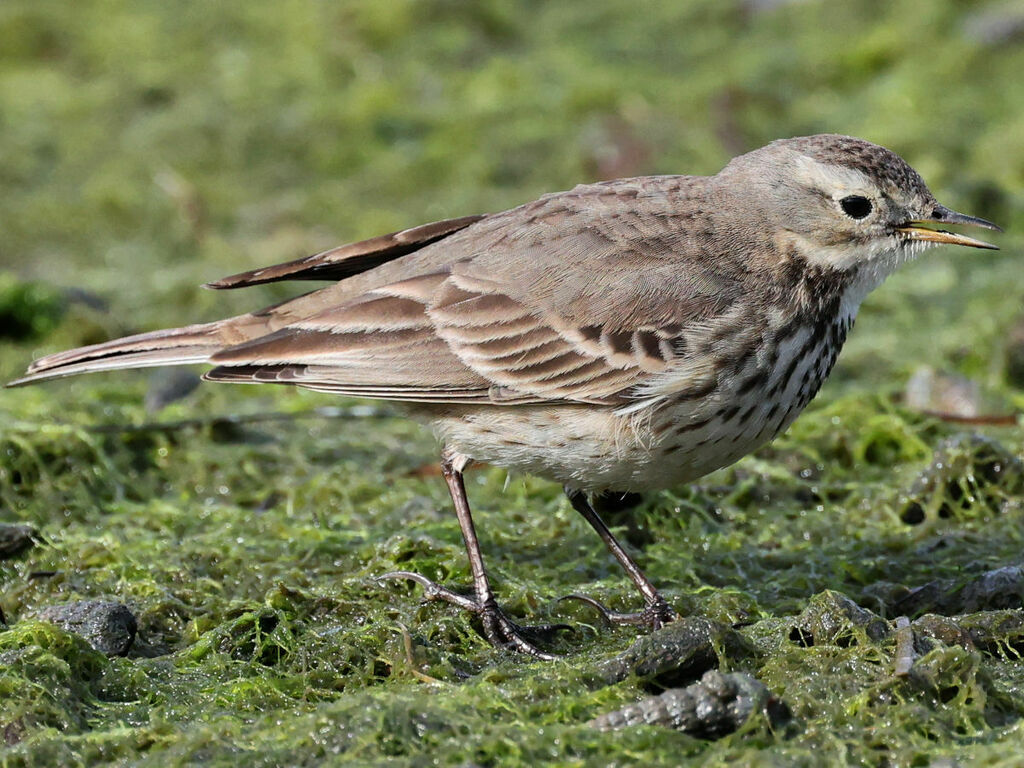
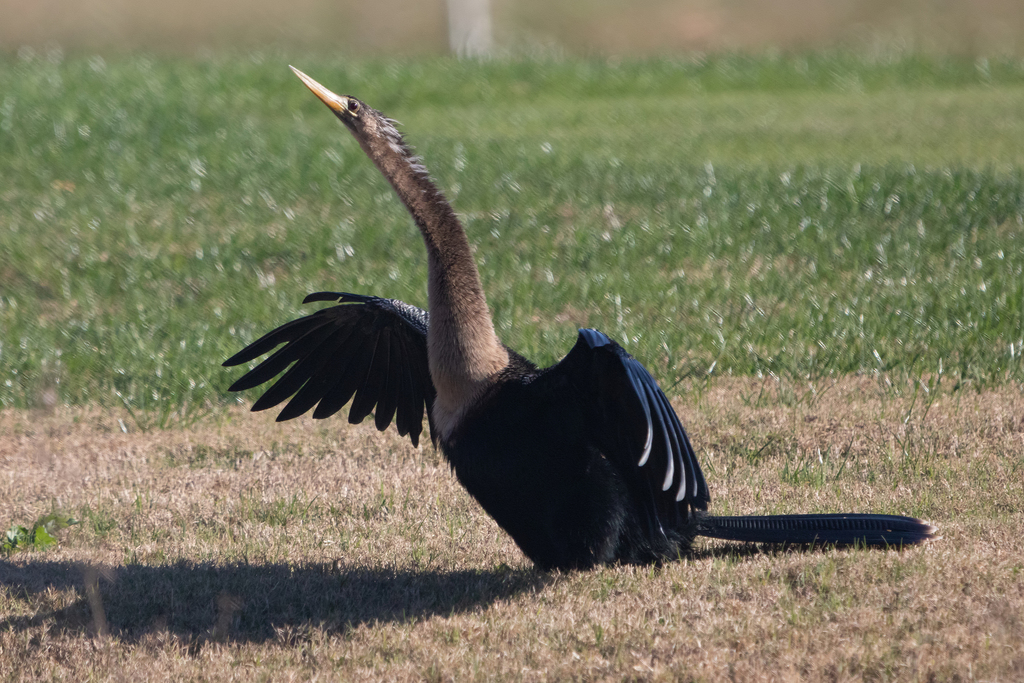
Wildlife whose habitat models include habitats this plant grows in, in Alabama. Shared habitat, not food. 117 animals.
- Yellow-rumped WarblerDendroica coronata
- Alder FlycatcherEmpidonax alnorum
- American CootFulica americana
- American CrowCorvus brachyrhynchos
- American PipitAnthus rubescens
- AnhingaAnhinga anhinga
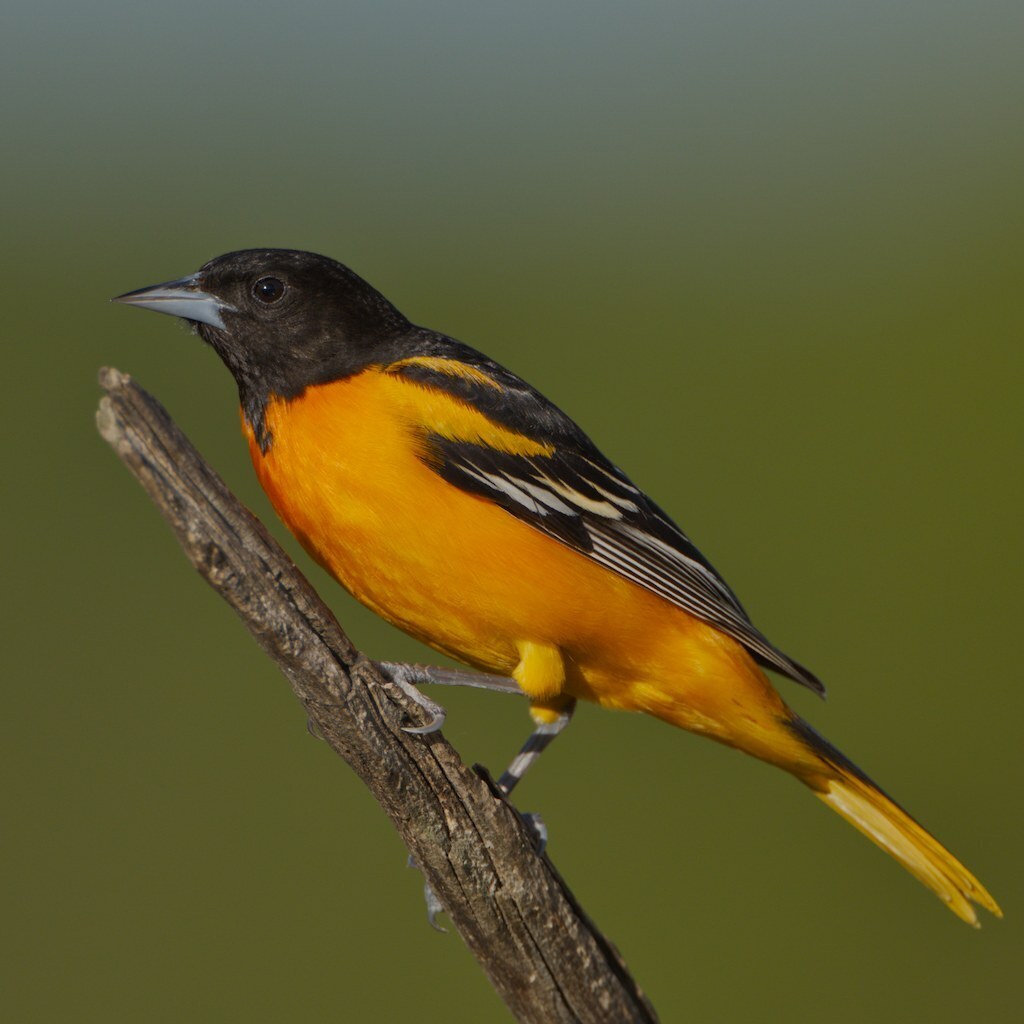
- Baltimore OrioleIcterus galbula
- Barred OwlStrix varia
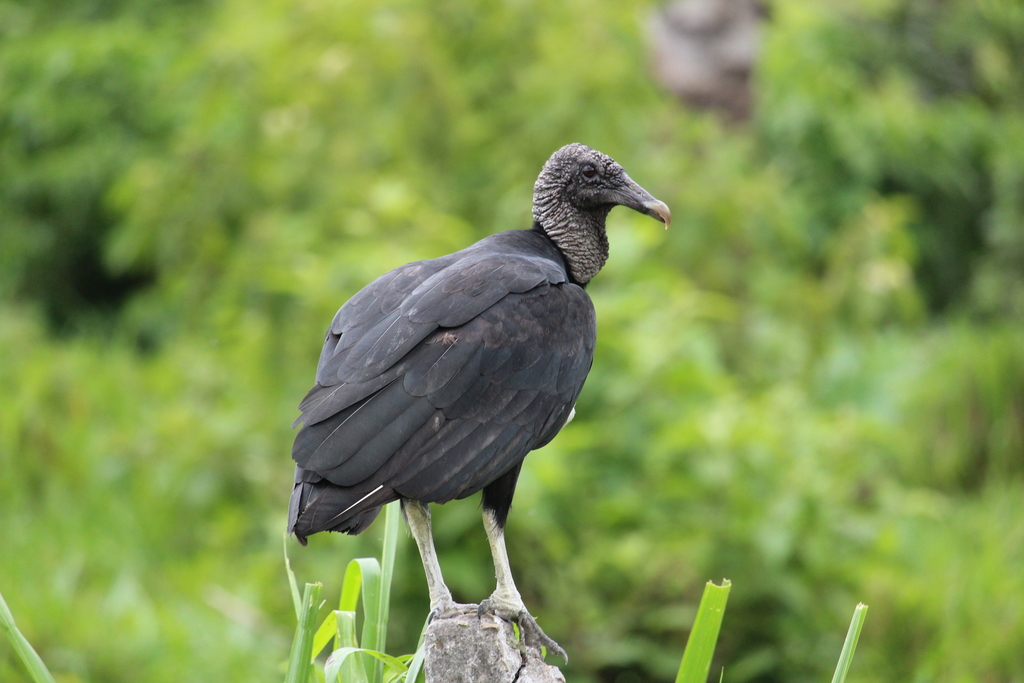
- Black VultureCoragyps atratus
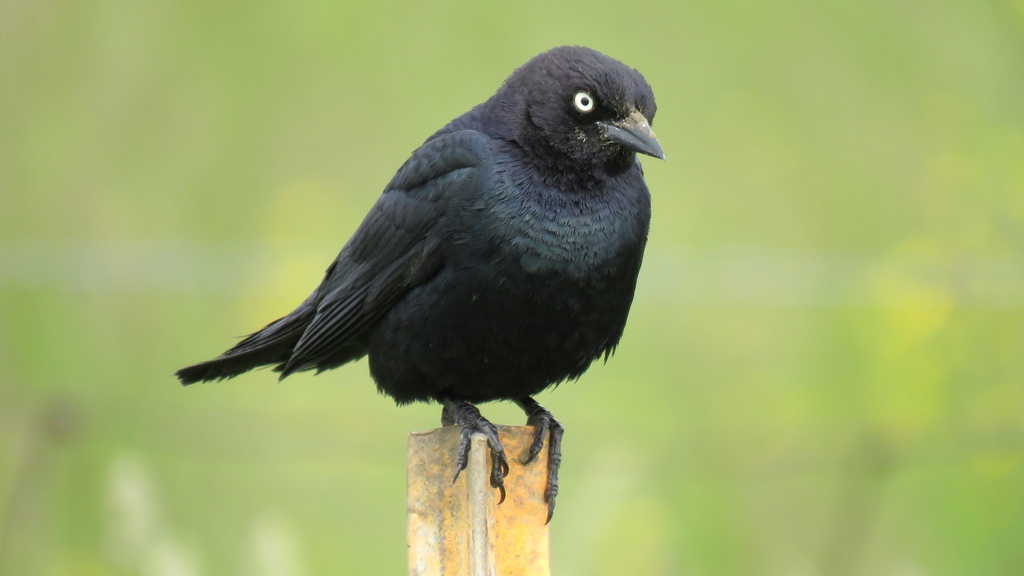
- Brewer's BlackbirdEuphagus cyanocephalus
- Carolina ChickadeePoecile carolinensis
- Cliff SwallowPetrochelidon pyrrhonota
- Common GrackleQuiscalus quiscula
- Eastern TowheePipilo erythrophthalmus
- Eastern Wood-peweeContopus virens
- Eurasian Collared-doveStreptopelia decaocto
- Fish CrowCorvus ossifragus
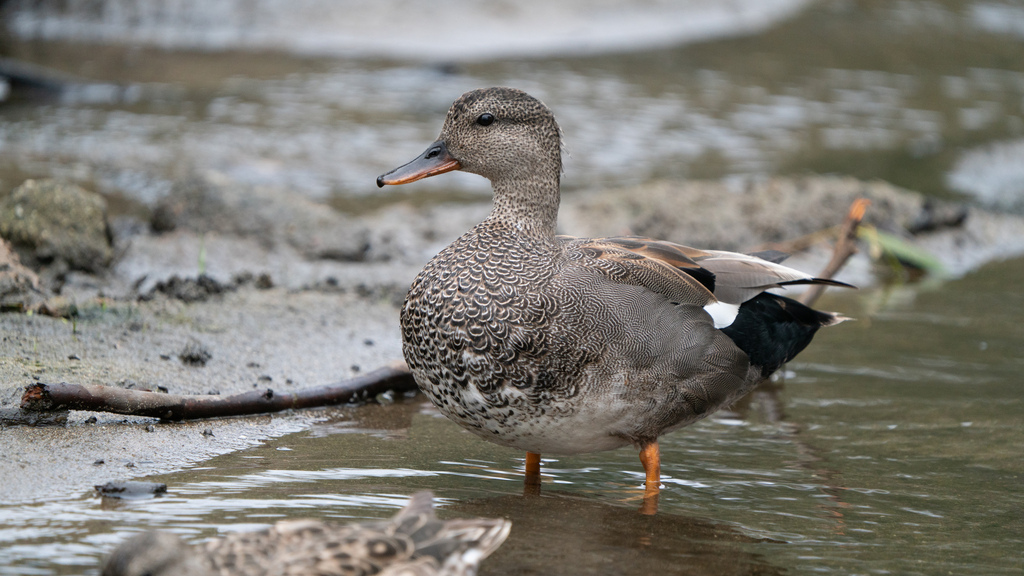
- GadwallAnas strepera
- Great Crested FlycatcherMyiarchus crinitus
- Hermit ThrushCatharus guttatus
- Hooded WarblerWilsonia citrina
- Indigo BuntingPasserina cyanea
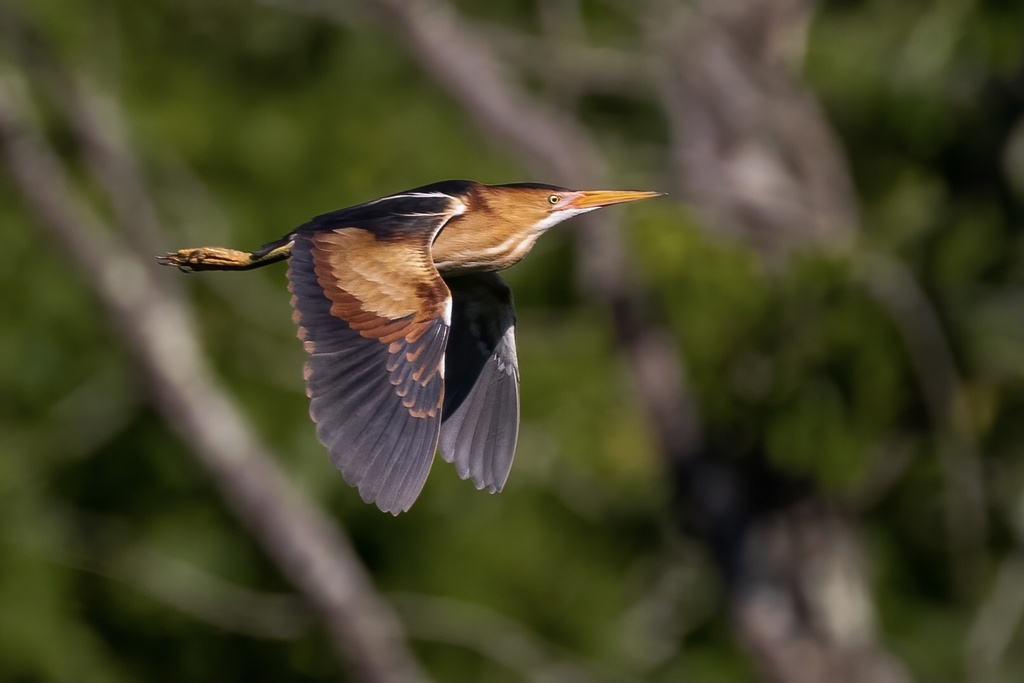
- Least BitternIxobrychus exilis
- Least FlycatcherEmpidonax minimus















Who uses this plant?
 1CaterpillarsGenus host records with ranges including AL
Genus host records with ranges including AL · Dryopteris
- Fagitana litteraMarsh Fern Moth
 0BeesSoutheastern regional records
 0Specialist beesPollen specialists
 2BirdsRecorded genus food-resource interactions; not a state feeding claim
Recorded genus food-resource interactions; not a state feeding claim · Dryopteris
- Bonasa umbellusRuffed Grouse
- Lagopus lagopusWillow Ptarmigan
Direct food only: birds recorded eating this genus across North America. Caterpillars on host plants also feed nesting birds. NC Native Plant Society: butterfly gardening
No records yet · Ants · Beetles · Flies · Adult butterflies / moths · Other wasps · Other insects
Plant details
- Family
- Dryopteridaceae
- Hardiness
- Zones 4a–9b
- Soil pH
- Acidic to neutral
- Flower color
- Not applicable
Growing sources and scope
- Bloom · “June to September” · Weakley, Flora of the Southeastern United States (2025), Carolinas & Georgia edition · Carolinas and Georgia
- Flower color · “Not applicable” · Lady Bird Johnson Wildflower Center
- Hardiness · “Zones 4a–9b” · NC Extension Plant Toolbox (ranked first; Missouri Botanical Garden Plant Finder differs)
- Height · “3–4 feet” · NC Extension Plant Toolbox
- Leaves · “Semi-evergreen” · NC Extension Plant Toolbox
- Life cycle · “Perennial” · NC Extension Plant Toolbox
- Light · “Dappled sunlight (shade through upper canopy all day); Deep shade (less than 2 hours to no direct sunlight); Partial shade (direct sunlight only part of the day, 2-6 hours)” · NC Extension Plant Toolbox (ranked first; Missouri Botanical Garden Plant Finder differs)
- Soil · “Moist; Occasionally wet” · NC Extension Plant Toolbox (ranked first; Missouri Botanical Garden Plant Finder differs)
- Soil pH · “Acidic to neutral” · NC Extension Plant Toolbox
- Spread · “1.5–2.5 feet” · NC Extension Plant Toolbox
Conservation status
| Alabama rank | S2 |
|---|---|
| Global rank | G4 |
| AL status | Not verified |
| Federal status | Not verified |
Will it fit your yard?
Check this plant against your county, sun and soil moisture. Conditions are checked in your browser.
Sources
- Alabama Plant Atlas
- USDA PLANTS
- Vascular Plants of North Carolina (NC Natural Heritage Program)
- Weakley, Flora of the Southeastern United States (2025), Carolinas & Georgia edition
- NatureServe Explorer
- Shropshire & Tallamy 2025, Lepidoptera of North America north of Mexico, ZooKeys 1261 (ODbL)
- Noori, Seltmann & Orr 2026, A curated and integrated dataset for exploring global bee-plant interactions (GloBI), Zenodo, CC BY 4.0
- Smith, Bachelder, Russell, Morales, Mosher & Seltmann 2024, Bee-Specialization-Modeling v0.6.1 (specialist host table compiled from J. Fowler's pollen specialist bee lists), Zenodo, CC BY 4.0
- Hurlbert, Olsen, Sawyer & Winner 2021, Avian Diet Database, Scientific Data 8: 260 (CC0)
- Narango, Tallamy & Shropshire 2020, Few keystone plant genera support the majority of Lepidoptera species, Nature Communications