

Orchard Grass
Dactylis glomerata
Found in pastures, fields, woodland edges, roadsides. Weakley, Flora of the Southeastern United States (2025), South Central edition What its natural habitat tells you
Not native to Alabama. How scores work Is it native here?
Profile 76%
- Height
- About 3 feet
- Light
- Full sun, Partial shade
- Soil moisture
- Usually moist
No photograph yet. Looking for an old drawing…
Plant this instead
Choose your county to list local plants first.
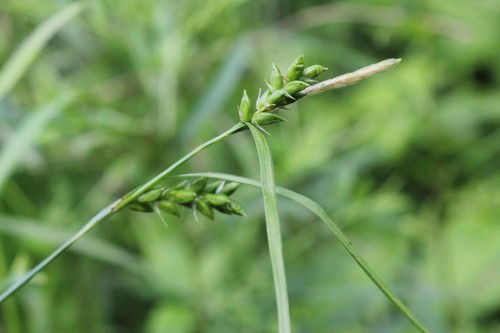
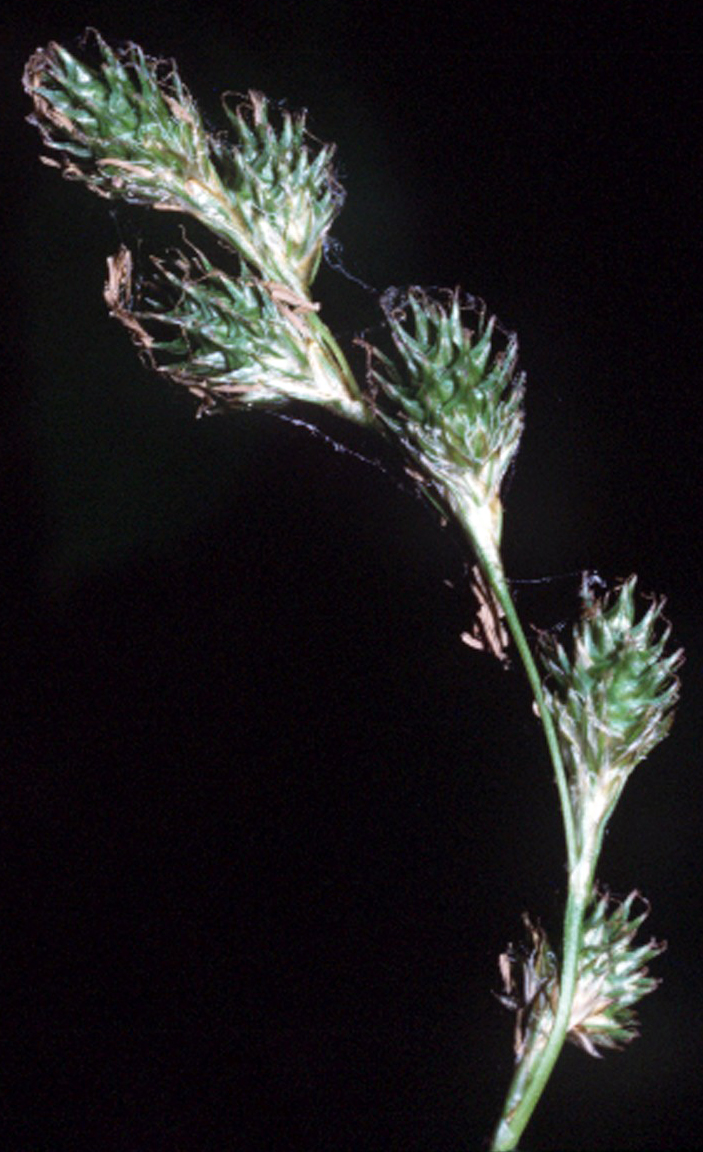
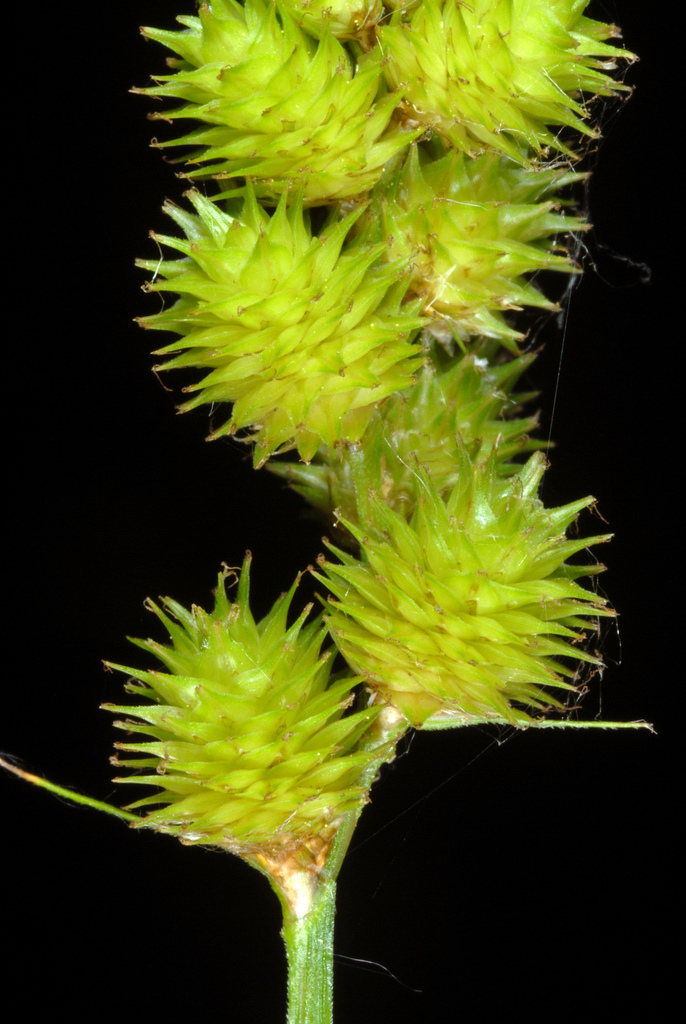
No recorded swaps for this county. Try the garden finder.
At a glance
- Life cycle
- Perennial
- Leaves
- Deciduous
- Bloom
- April to October
- Fruiting season
- Spring to summer
Not yet recorded · Spread
Recorded in 40 Alabama counties.
Natural habitats
Places it grows wild. Not a planting requirement. Each habitat page lists the plants and wildlife also found there.

Roadsides, fields and disturbed ground
Ground opened by people: roadsides, old fields, pastures, fencerows and lots.
Also found with this plant
Wildlife whose habitat models include habitats this plant grows in, in Alabama. Shared habitat, not food. 92 animals.
- Great Crested FlycatcherMyiarchus crinitus
- Great Horned OwlBubo virginianus
- Hairy WoodpeckerPicoides villosus
- Hooded MerganserLophodytes cucullatus
- Hooded WarblerWilsonia citrina
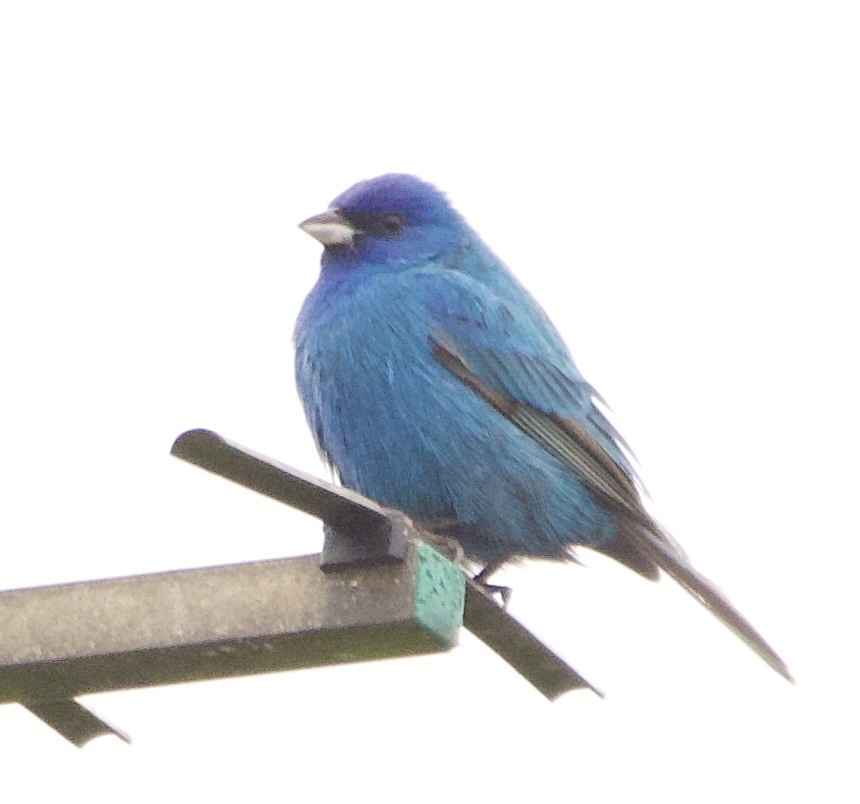
- Indigo BuntingPasserina cyanea
- Least FlycatcherEmpidonax minimus
- Lincoln's SparrowMelospiza lincolnii
- Mourning DoveZenaida macroura
- Northern CardinalCardinalis cardinalis
- Northern FlickerColaptes auratus
- Northern MockingbirdMimus polyglottos
- Orange-crowned WarblerVermivora celata
- OspreyPandion haliaetus
- OvenbirdSeiurus aurocapilla
- Pileated WoodpeckerDryocopus pileatus
- Pine SiskinCarduelis pinus
- Purple FinchCarpodacus purpureus
- Red-bellied WoodpeckerMelanerpes carolinus
- Red-headed WoodpeckerMelanerpes erythrocephalus
- Red-tailed HawkButeo jamaicensis
- Red-winged BlackbirdAgelaius phoeniceus
- Ruby-crowned KingletRegulus calendula
- Ruby-throated HummingbirdArchilochus colubris











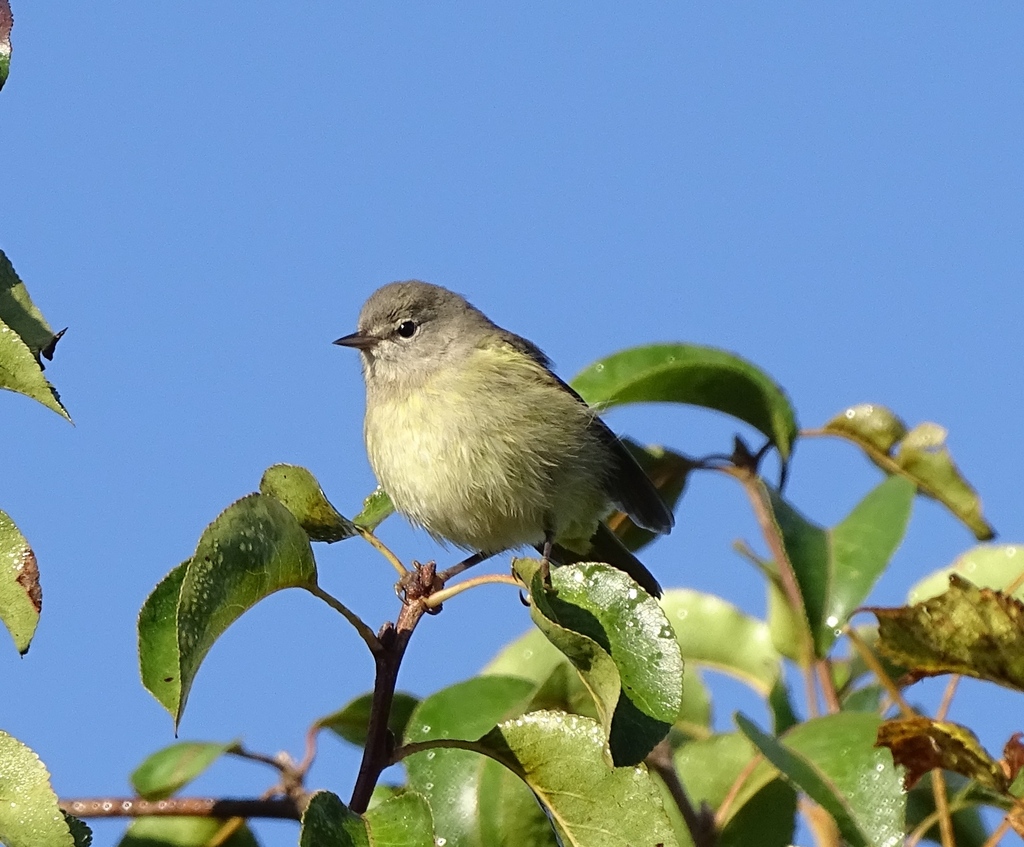


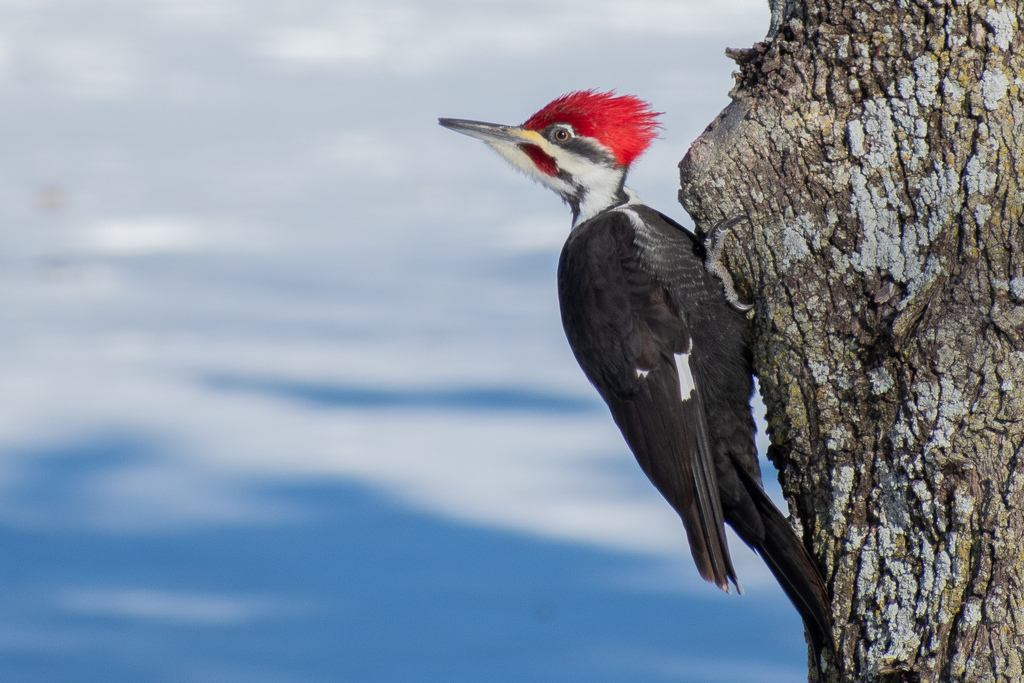








Who uses this plant?
 16CaterpillarsGenus host records with ranges including AL
Genus host records with ranges including AL · Dactylis
- Dargida diffusaWheat Head Armywotm Moth
- Fissicrambus mutabilisStriped Webworm, Striped Sodworm, Changeable Grass-Veneer
- Hesperia leonardusLeonard's Skipper, Blazing Star Skipper, Pawnee Prairie Skipper, Pawnee Montane Skipper
- Leucania adjutaAdjutant Wainscot
- Leucania commoidesDusky Wainscot, Comma Wainscot
- Leucania inermisUnarmed Wainscot
- Leucania linitaReed Wainscot, Linen Wainscot
- Leucania multilineaMany-Lined Wainscot
- Leucania phragmitidicolaNeedle Wainscot, Phragmites Wainscot
- Leucania pilipalpisZippered Wainscot
Show all 16
- Leucania pseudargyriaFalse Wainscot
- Leucania scirpicolaScirpus Wainscot
- Lon zabulonZabulon Skipper
- Megisto cymelaLittle Wood Satyr
- Mythimna unipunctaArmyworm Moth, White Speck
- Papaipema nebrisStalk Borer
 —BeesSoutheastern regional records
 —Specialist beesPollen specialists
 —BirdsRecorded genus food-resource interactions; not a state feeding claim
Plant details
- Family
- Poaceae
- Hardiness
- Zones 4a–8b
- Soil pH
- Acidic to neutral
- Flower color
- Yellow
- Growth rate
- Moderate
- Growth habit
- Grows in clumps
- Foliage color
- Green
- Fruit begins
- Spring
- Fruit ends
- Summer
Safety has not been reviewed for this plant; check toxicity and thorns before planting.
Growing sources and scope
- Bloom · “April to October” · Weakley, Flora of the Southeastern United States (2025), Carolinas & Georgia edition (ranked first; USDA PLANTS differs) · Carolinas and Georgia
- Flower color · “Yellow” · NC Extension Plant Toolbox
- Foliage color · “Green” · USDA PLANTS · Nationwide species characteristics; local growing conditions may vary
- Fruit begins · “Spring” · USDA PLANTS · Nationwide species characteristics; local growing conditions may vary
- Fruit ends · “Summer” · USDA PLANTS · Nationwide species characteristics; local growing conditions may vary
- Growth habit · “Grows in clumps” · USDA PLANTS · Nationwide species characteristics; local growing conditions may vary
- Growth rate · “Moderate” · USDA PLANTS · Nationwide species characteristics; local growing conditions may vary
- Hardiness · “Zones 4a–8b” · NC Extension Plant Toolbox
- Height · “About 3 feet” · USDA PLANTS · Nationwide species characteristics; local growing conditions may vary
- Leaves · “Deciduous” · NC Extension Plant Toolbox
- Life cycle · “Perennial” · NC Extension Plant Toolbox
- Light · “Full sun (6 or more hours of direct sunlight a day); Partial shade (direct sunlight only part of the day, 2-6 hours)” · NC Extension Plant Toolbox
- Soil · “Moist; Occasionally wet” · NC Extension Plant Toolbox
- Soil pH · “Acidic to neutral” · NC Extension Plant Toolbox
Conservation status
| Alabama rank | SNA |
|---|---|
| Global rank | GNR |
| AL status | Not verified |
| Federal status | Not verified |
Sources
- Alabama Plant Atlas
- USDA PLANTS
- Weakley, Flora of the Southeastern United States (2025), Carolinas & Georgia edition
- NatureServe Explorer
- Shropshire & Tallamy 2025, Lepidoptera of North America north of Mexico, ZooKeys 1261 (ODbL)
- Noori, Seltmann & Orr 2026, A curated and integrated dataset for exploring global bee-plant interactions (GloBI), Zenodo, CC BY 4.0
- Smith, Bachelder, Russell, Morales, Mosher & Seltmann 2024, Bee-Specialization-Modeling v0.6.1 (specialist host table compiled from J. Fowler's pollen specialist bee lists), Zenodo, CC BY 4.0
- Hurlbert, Olsen, Sawyer & Winner 2021, Avian Diet Database, Scientific Data 8: 260 (CC0)
- Narango, Tallamy & Shropshire 2020, Few keystone plant genera support the majority of Lepidoptera species, Nature Communications