

Canadian Honewort
Cryptotaenia canadensis
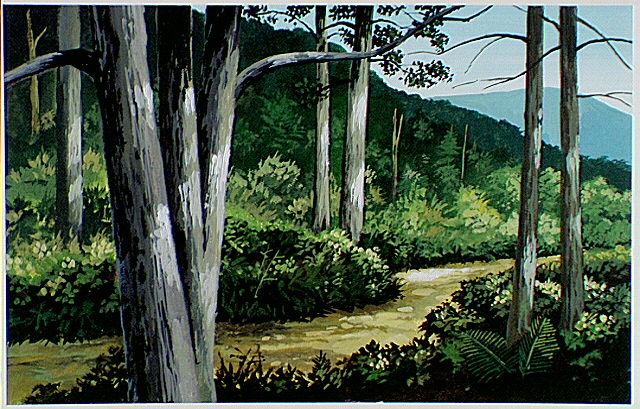
Found in moist and nutrient-rich forests (alluvial, bottomland, slope, and cove forests). Weakley, Flora of the Southeastern United States (2025), South Central edition What its natural habitat tells you
Native to Alabama. How scores work Is it native here?
Profile 94%
- Height
- 1–3 feet
- Spread
- 9 inches–2 feet
- Light
- Part to full shade
- Soil moisture
- Somewhat dry to moist
Space about 1.5 ft apart from its recorded spread, about 44 per 100 sq ft. Enter your bed size for a count
Will it fit your yard?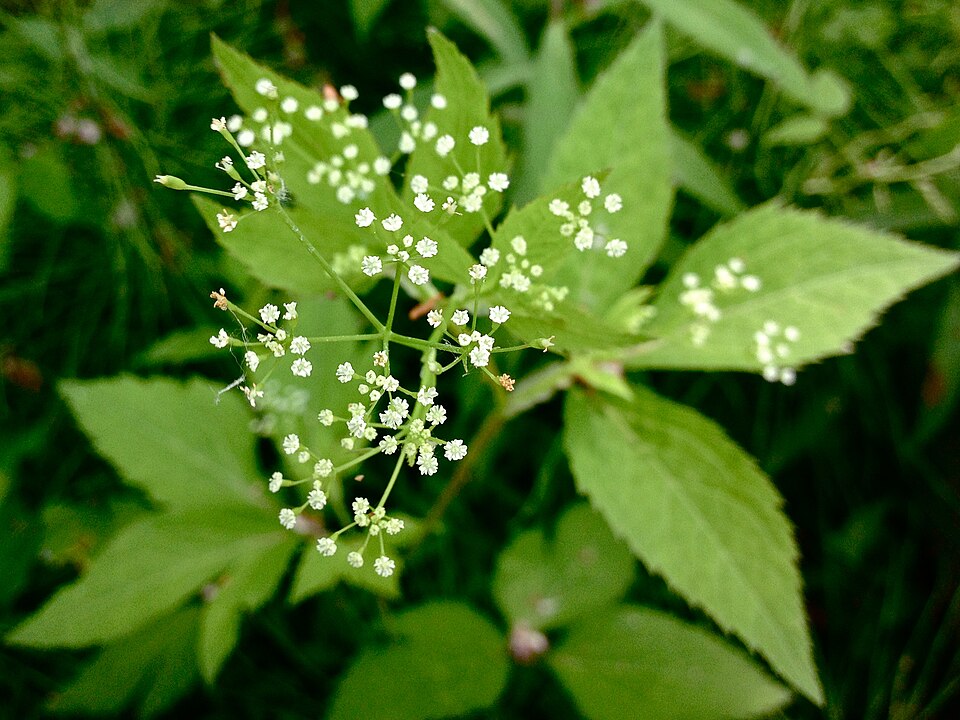
At a glance
- Life cycle
- Perennial
- Bloom
- May to June
- Fruiting season
- June to August
Not yet recorded · Leaves
Recorded in 44 Alabama counties.
Natural habitats
Places it grows wild. Not a planting requirement. Each habitat page lists the plants and wildlife also found there.
Also found with this plant
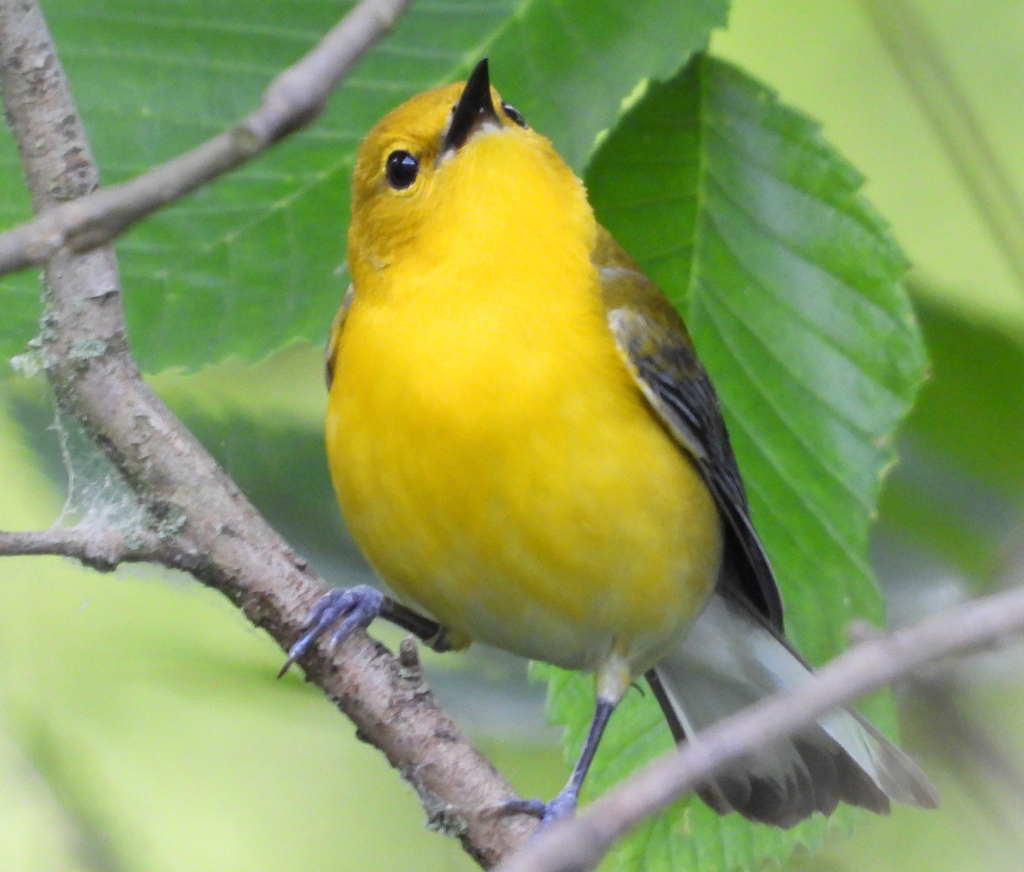
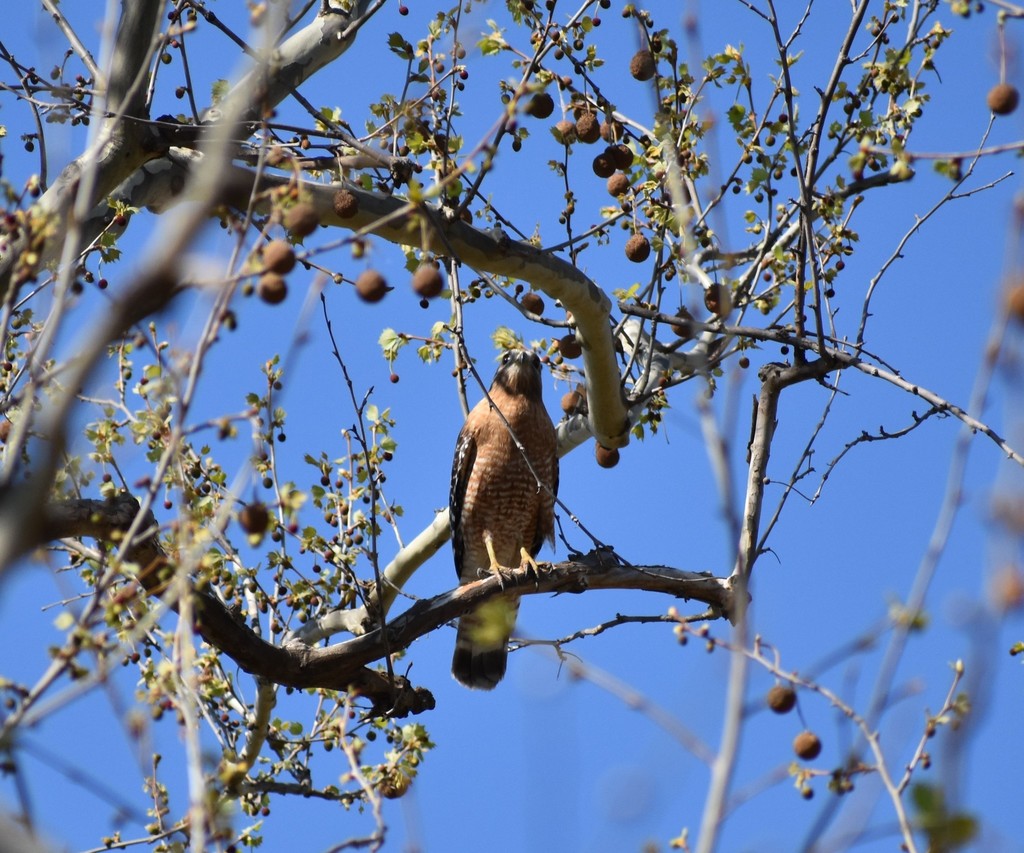
Wildlife whose habitat models include habitats this plant grows in, in Alabama. Shared habitat, not food. 130 animals.
- Prothonotary WarblerProtonotaria citrea
- Red-breasted NuthatchSitta canadensis
- Red-shouldered HawkButeo lineatus
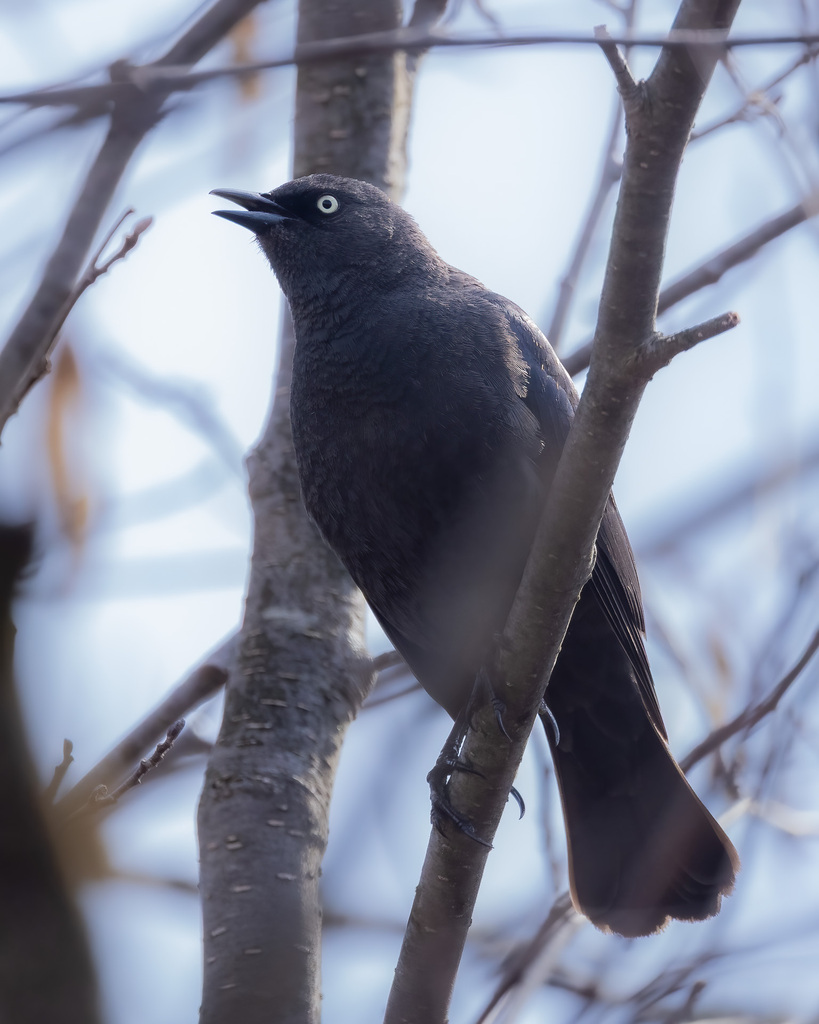
- Rusty BlackbirdEuphagus carolinus
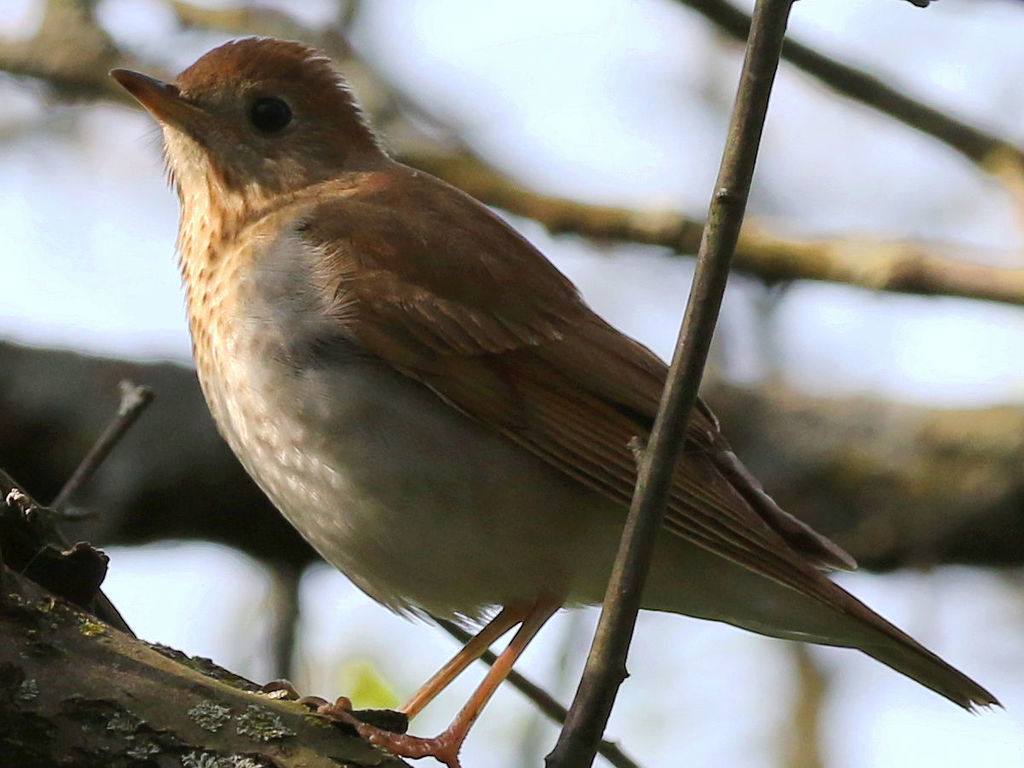
- VeeryCatharus fuscescens
- White-eyed VireoVireo griseus
- Alder FlycatcherEmpidonax alnorum
- American Black DuckAnas rubripes
- Black-crowned Night-heronNycticorax nycticorax
- Black-throated Blue WarblerDendroica caerulescens
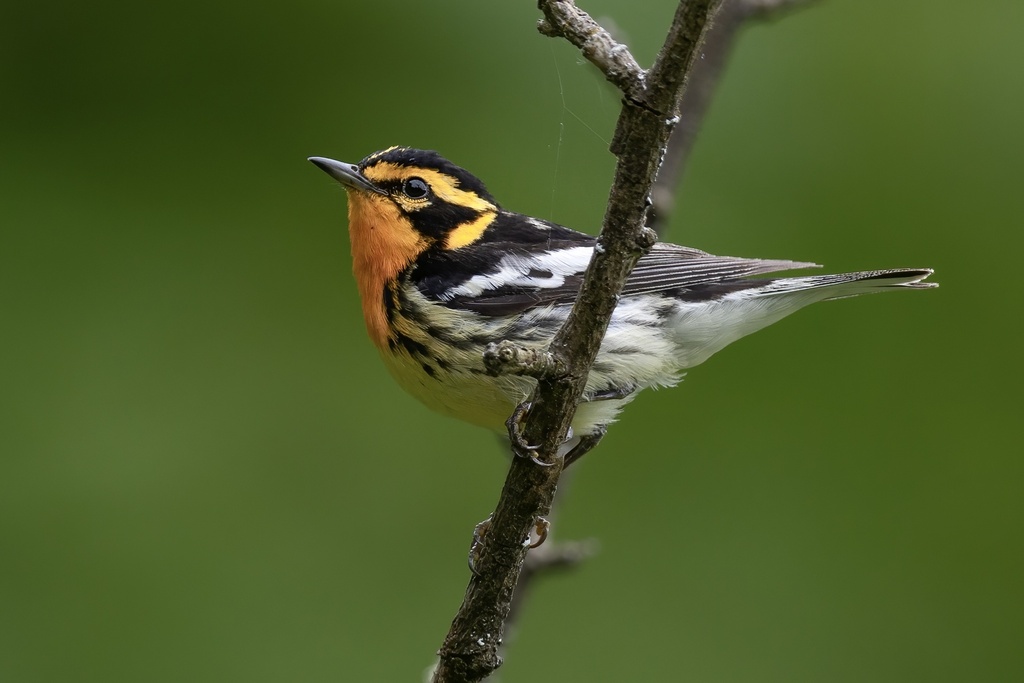
- Blackburnian WarblerDendroica fusca
- Blue-headed VireoVireo solitarius
- Canada GooseBranta canadensis
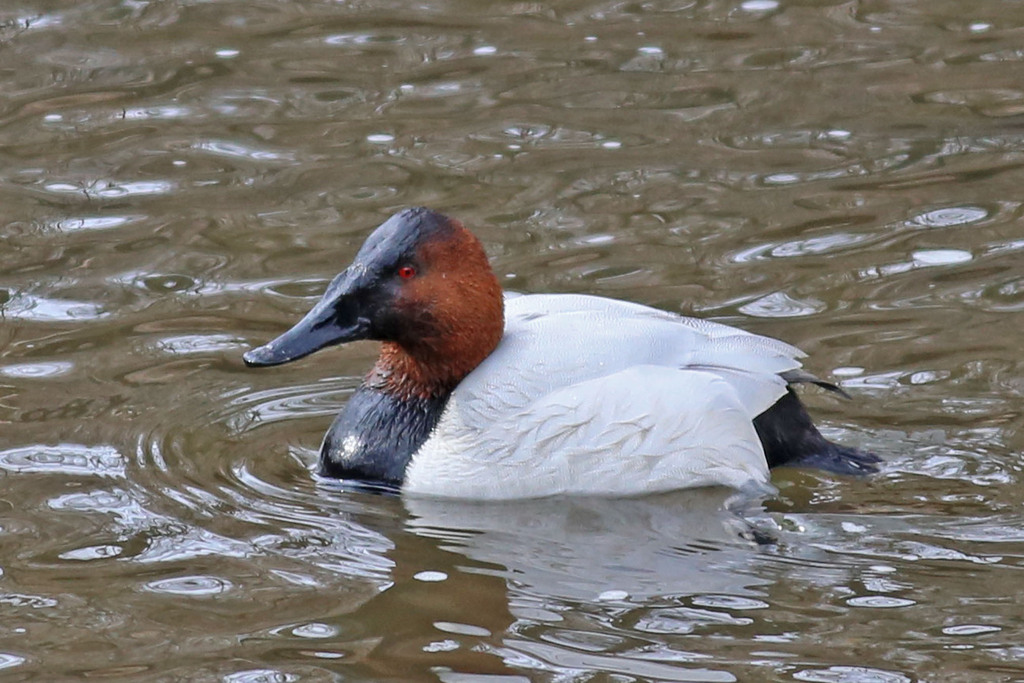
- CanvasbackAythya valisineria
- Cliff SwallowPetrochelidon pyrrhonota
- Dark-eyed JuncoJunco hyemalis
- Eastern PhoebeSayornis phoebe
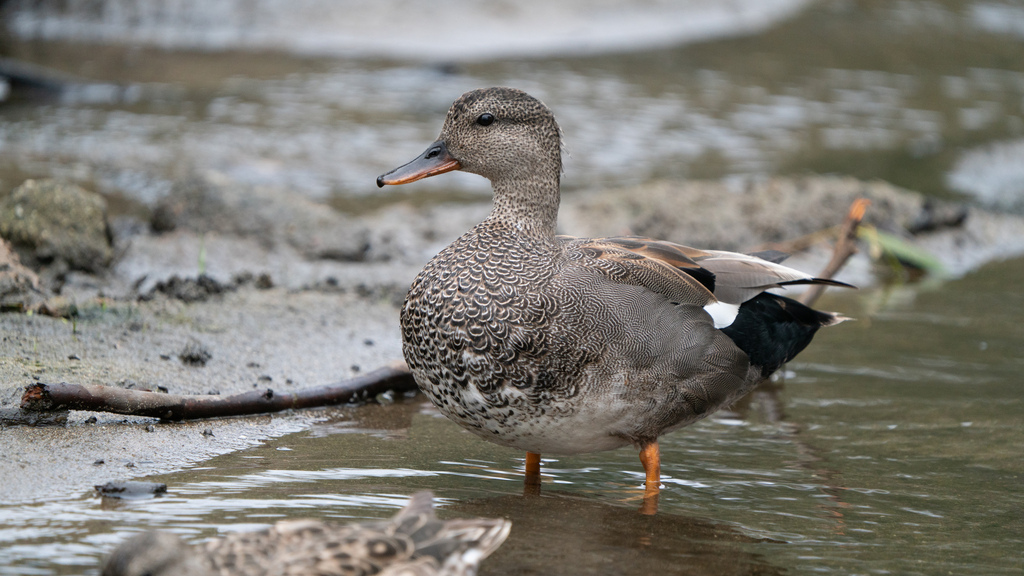
- GadwallAnas strepera
- Great Blue HeronArdea herodias
- Great EgretArdea alba
- Green HeronButorides virescens
- Least BitternIxobrychus exilis
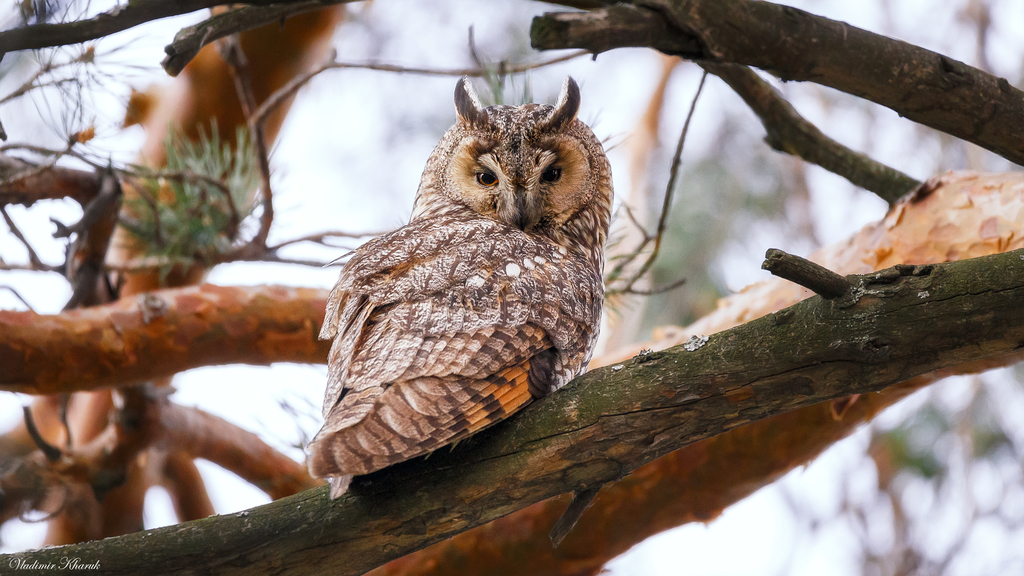
- Long-eared OwlAsio otus
- MallardAnas platyrhynchos

















Who uses this plant?
 1CaterpillarsGenus host records with ranges including AL
Genus host records with ranges including AL · Cryptotaenia
- Papilio polyxenesBlack Swallowtail
 0BeesSoutheastern regional records
 0Specialist beesPollen specialists
 —BirdsRecorded genus food-resource interactions; not a state feeding claim
Beetles 12
- Bruchus bivulneratus
- Bruchus minus
- Centrinus picumnus
- Cryptorhopalum triste
- Diabrotica 12-punctata
- Euderces picipes
- Eugnamptus angustatus
- Mordella triloba
- Mordellistena pubescens
- Pentaria trifasciata
Show all 12
- Podabrus brunnicollis
- Typocerus lugubris
Flower visits · Carlinville, Illinois, USA
Flies 21
- Anthrax sinuosa
- Chlorops proxima
- Cistogaster occidua
- Drosophila varia
- Elachiptera flavida
- Empis loripedis
- Metopia leucocephala
- Orthoneura nitida
- Pipiza femoralis
- Sapromyza vulgaris
Show all 21
- Scatopse pulicaria
- Sepsis violacea
- Siphona geniculata
- Siphonella inquilina
- Syrphus americanus
- Syrphus ribesii
- Volucella vesiculosa
- Xanthogramma emarginata
- Xanthomelana arcuata
- Zodion fulvifrons
- Zodion nanellum
Flower visits · Carlinville, Illinois, USA
Other wasps 10
- Anacrabro ocellatus
- Ancistrocerus tigris
- Cerceris clypeata
- Ceropales fraterna
- Leionotus perennis
- Oxybelus 4-notatus
- Polyblastus citripes
- Polysphincta slossinae
- Pseudagenia mellipes
- Symmorphus debilis
Flower visits · Carlinville, Illinois, USA
Other insects 1
- Corimelaena lateralis
Flower visits · Carlinville, Illinois, USA
No records yet · Ants · Adult butterflies / moths
Plant details
- Family
- Apiaceae
- Hardiness
- Zones 4–8
- Flower color
- White
- Fruit begins
- June
- Fruit ends
- August
Safety has not been reviewed for this plant; check toxicity and thorns before planting.
Growing sources and scope
- Bloom · “May to June” · Weakley, Flora of the Southeastern United States (2025), Carolinas & Georgia edition (ranked first; Prairie Moon 2026 Cultural Guide differs) · Carolinas and Georgia
- Flower color · “White” · Prairie Moon 2026 Cultural Guide · Nursery cultural guide; height in flower; moisture categories retained as printed
- Fruit begins · “June” · Weakley, Flora of the Southeastern United States (2025), Carolinas & Georgia edition · Carolinas and Georgia
- Fruit ends · “August” · Weakley, Flora of the Southeastern United States (2025), Carolinas & Georgia edition · Carolinas and Georgia
- Hardiness · “Zones 4–8” · Missouri Botanical Garden Plant Finder
- Height · “1–3 feet” · Tennessee Smart Yards (ranked first; Prairie Moon 2026 Cultural Guide differs) · Published Tennessee growing guidance; exact cached scientific heading
- Life cycle · “Perennial” · Minnesota Wildflowers
- Light · “Part to full shade” · Tennessee Smart Yards (ranked first; Missouri Botanical Garden Plant Finder, Prairie Moon 2026 Cultural Guide differ) · Published Tennessee growing guidance; exact cached scientific heading
- primary_flower_color · “white” · Prairie Moon 2026 Cultural Guide
- Soil · “moderately wet to moderately dry” · Tennessee Smart Yards (ranked first; Missouri Botanical Garden Plant Finder, Prairie Moon 2026 Cultural Guide differ) · Published Tennessee growing guidance; exact cached scientific heading
- Spread · “9 inches–2 feet” · Missouri Botanical Garden Plant Finder
Also known as
Honewort
Conservation status
| Alabama rank | SNR |
|---|---|
| Global rank | G5 |
| AL status | Not verified |
| Federal status | Not verified |
Will it fit your yard?
Check this plant against your county, sun and soil moisture. Conditions are checked in your browser.
Growing cautions
- Spreads aggressively. Can re-seed aggressively. Tennessee Smart Yards
For planning only; these do not change the score or Fit.
Sources
- Alabama Plant Atlas
- USDA PLANTS
- Vascular Plants of North Carolina (NC Natural Heritage Program)
- Weakley, Flora of the Southeastern United States (2025), Carolinas & Georgia edition
- Shropshire & Tallamy 2025, Lepidoptera of North America north of Mexico, ZooKeys 1261 (ODbL)
- Noori, Seltmann & Orr 2026, A curated and integrated dataset for exploring global bee-plant interactions (GloBI), Zenodo, CC BY 4.0
- Smith, Bachelder, Russell, Morales, Mosher & Seltmann 2024, Bee-Specialization-Modeling v0.6.1 (specialist host table compiled from J. Fowler's pollen specialist bee lists), Zenodo, CC BY 4.0
- Hurlbert, Olsen, Sawyer & Winner 2021, Avian Diet Database, Scientific Data 8: 260 (CC0)
- Narango, Tallamy & Shropshire 2020, Few keystone plant genera support the majority of Lepidoptera species, Nature Communications