

Rough Leaf Dogwood
Cornus drummondii
Native to Alabama. How scores work Is it native here?
Profile 88%
- Height
- About 20 feet
- Spread
- 6–15 feet
- Light
- Full to part sun
- Soil moisture
- Somewhat dry to moist
Space about 10.5 ft apart from its recorded spread. Enter your bed size for a count
Will it fit your yard?No photograph yet. Looking for an old drawing…
At a glance
- Life cycle
- Perennial
- Leaves
- Deciduous
- Bloom
- Mid spring
Recorded in 28 Alabama counties.
Also found with this plant
Wildlife whose habitat models include habitats this plant grows in, in Alabama. Shared habitat, not food. 128 animals.
- Yellow-rumped WarblerDendroica coronata
- American CrowCorvus brachyrhynchos
- American KestrelFalco sparverius
- American RedstartSetophaga ruticilla
- American WoodcockScolopax minor
- Baltimore OrioleIcterus galbula
- Barred OwlStrix varia
- Black VultureCoragyps atratus
- Broad-winged HawkButeo platypterus
- Brown ThrasherToxostoma rufum
- Brown-headed CowbirdMolothrus ater
- Carolina ChickadeePoecile carolinensis
- Chipping SparrowSpizella passerina
- Chuck-will's-widowCaprimulgus carolinensis
- Common GrackleQuiscalus quiscula
- Eastern BluebirdSialia sialis
- Eastern TowheePipilo erythrophthalmus
- Eastern Wood-peweeContopus virens
- Fox SparrowPasserella iliaca
- Great Crested FlycatcherMyiarchus crinitus
- Hooded WarblerWilsonia citrina
- Orange-crowned WarblerVermivora celata
- OvenbirdSeiurus aurocapilla
- Pileated WoodpeckerDryocopus pileatus













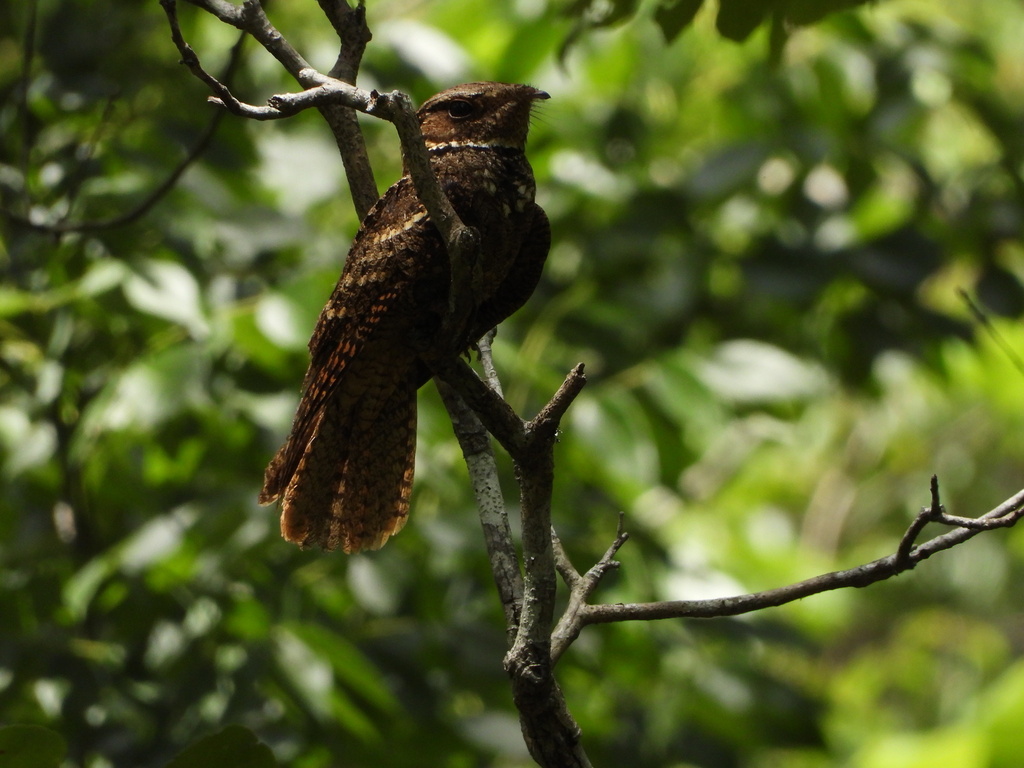




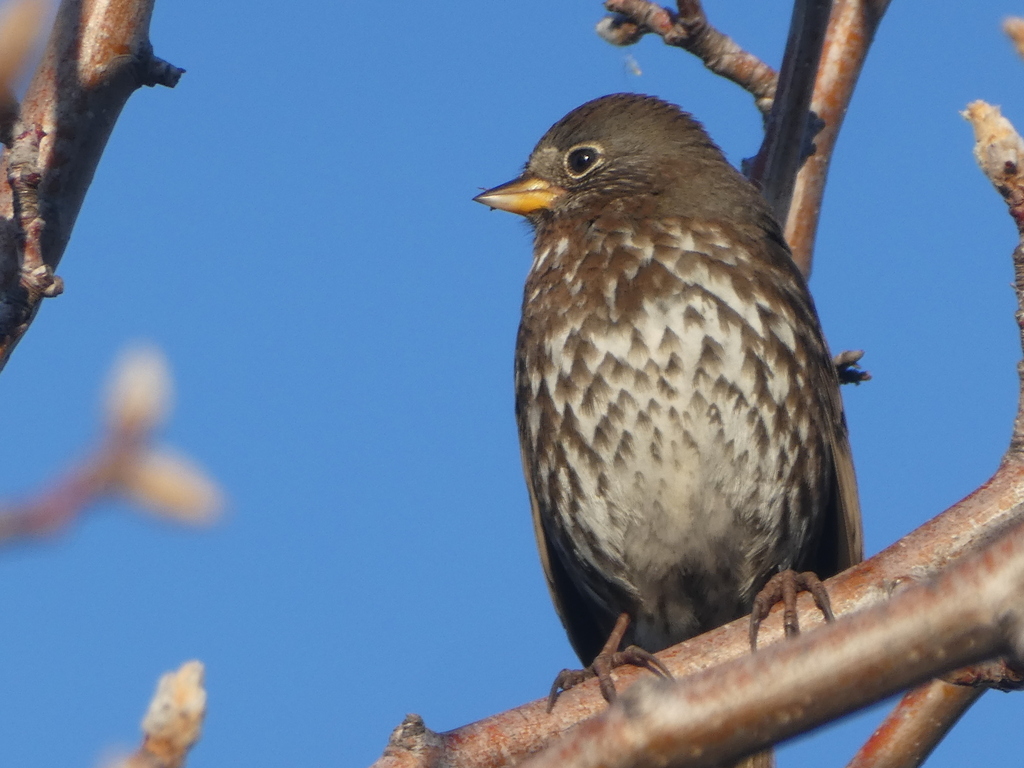


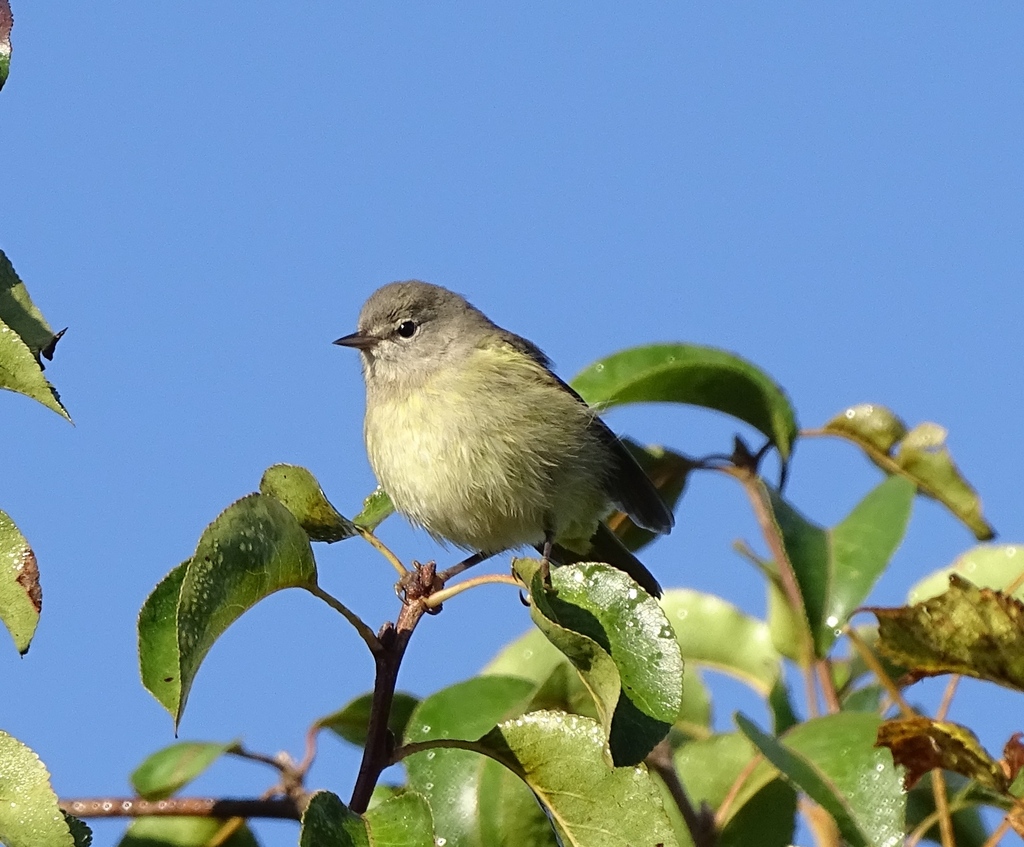


Who uses this plant?
 93CaterpillarsGenus host records with ranges including AL
Genus host records with ranges including AL · Cornus
- Celastrina ladonSpring Azure
- Acharia stimuleaSaddleback Caterpillar Moth
- Acronicta americanaAmerican Dagger
- Acronicta funeralisFunerary Dagger, Paddle Caterpillar
- Acronicta impletaYellow-Haired Dagger
- Acronicta longaLong-Winged Dagger, Darkish Dagger
- Amorbia humerosanaWhite-Lined Leafroller Moth
- Amphipyra pyramidoidesMiranda Underwing, Copper Underwing, Copper Amphipyra
- Anavitrinella pampinariaCommon Gray, Cranberry Spanworm
- Ancylis muricanaRed-Headed Ancylis
Show all 93
- Antaeotricha leucillanaWell-Marked Leaf Tier, Pale Gray Bird-Dropping Moth
- Antheraea polyphemusPolyphemus Moth
- Archips argyrospilaFruit-Tree Leafroller Moth
- Archips griseaGray Archips
- Archips purpuranaOmnivorous Leafroller Moth
- Archips rileyanaSouthern Ugly-Nest Caterpillar Moth
- Argyrotaenia velutinanaRed-Banded Leafroller Moth, Jack Pine Tube Moth
- Automeris ioIo Moth
- Biston betulariaSalt-and-Pepper Geometer, Cleft-Headed Looper
- Caloptilia belfragellaDogwood Caloptilia
- Cecrita biundataWavy-Lined Heterocampa
- Cecrita guttivittaMaple Prominent, Saddled Prominent
- Cenopis diluticostanaSpring Dead-Leaf Roller Moth, Oak Cenopis
- Choristoneura fractivittanaBroken-Banded Leafroller, Lined Corn-Borer Moth
- Choristoneura rosaceanaOblique-Banded Leafroller Moth, Rosaceous Leaf Roller
- Citheronia regalisRoyal Walnut Moth, Hickory Horned Devil
- Coelodasys unicornisUnicorn Caterpillar Moth
- Dasychira basiflavaYellow-Based Tussock Moth
- Eacles imperialisImperial Moth, Imperial Spiny Caterpillar
- Ectropis crepusculariaThe Small Engrailed, Saddleback Looper
- Elasmopalpus lignosellaLesser Cornstalk Borer
- Ennomos subsignariaElm Spanworm Moth
- Erannis tiliariaLinden Looper Moth, Western Winter Moth, Lime Looper
- Euchlaena irrariaLeast-Marked Euchlaena
- Euchlaena johnsonariaJohnson's Euchlaena
- Euchlaena marginariaOchre Euchlaena
- Euchlaena serrataThe Saw-Wing
- Eudeilinia herminiataNorthern Eudeilinia [for Eudeilinia herminiata], Dogwood Caterpillar, Southern Eudeilinia [for Eudeilinia luteifera]
- Eumarozia malachitanaSculptured Moth
- Eupithecia miserulataCommon Eupithacia, Common Pug
- Euplexia benesimilisAmerican Angle Shades
- Euthyatira pudensDogwood Thyatirid
- Eutrapela clematariaCurved-Tooth Geometer, Purplish Brown Looper
- Halysidota tessellarisBanded Tussock Moth, Pale Tiger Moth
- Haploa leconteiLeconte's Haploa
- Herpetogramma pertextalisBold-Feathered Grass Moth
- Hyalophora cecropiaCecropia Silkmoth, Cecropia Moth
- Hypagyrtis unipunctataOne-Spotted Variant
- Hypena abalienalisWhite-Lined Bomolocha, White-Lined Snout
- Hypena bijugalisDimorphic Bomolocha, Dimorphic Snout
- Hyphantria cuneaFall Webworm
- Iridopsis larvariaBent-Line Gray
- Lithacodes fasciolaYellow-Shouldered Slug
- Machimia tentoriferellaGold-Striped Leaftier Moth
- Malacosoma americanaEastern Tent Caterpillar
- Malacosoma disstriaForest Tent Caterpillar
- Melanolophia canadariaCanadian Melanolphia, Variable Redmarked Looper
- Melanolophia signatariaSignate Melanolphia
- Morrisonia confusaConfused Woodgrain
- Morrisonia evictaBicolored Woodgrain
- Nematocampa resistariaFilament Bearer, Horned Spanworm Moth
- Oedemasia concinnaRed-Humped Caterpillar, Red-Humped Appleworm
- Olethreutes inornatanaInornate Olethreutes
- Orgyia definitaDefinite Tussock Moth
- Orgyia leucostigmaWhite-Marked Tussock Moth
- Orthosia garmaniGarman's Quaker
- Orthosia hibisciSpeckled Green Fruitworm Moth, Speckled Green Quaker
- Palthis angulalisDark-Spotted Palthis
- Pandemis limitataThree-Lined Leafroller Moth
- Parasa chlorisSmaller Parasa, Green Slug Moth
- Parasa indeterminaStinging Rose Caterpillar Moth, Rose Slug Caterpillar
- Pero morrisonariaMorrison's Pero
- Phigalia strigatariaSmall Phigalia, Small Oak Looper
- Phigalia titeaThe Half-Wing Geometer, Spiney Looper, Eastern Oak Looper
- Phobetron pitheciumHag Moth, Monkey Slug
- Platynota idaeusalisTufted Apple-Bud Moth
- Probole alienariaDogwood Probole, Alien Probole
- Probole amicariaFriendly Probole
- Prochoerodes lineolaLarge Maple Spanworm Moth
- Rifargia subrotataSmall Heterocampa
- Schizura ipomaeaeMorning-Glory Prominent, Checkered-Fringe Prominent
- Synanthedon geliformisPecan Bark Borer Moth
- Synanthedon scitulaDogwood Borer, Pecan Borer
- Syndemis afflictanaFall Dead-Leaf Roller, Gray Leafroller, Black-and-Grey Banded Leafroller
- Tetracis cachexiataWhite Slant-Line
- Thyridopteryx ephemeraeformisEvergreen Bagworm Moth
- Tortricidia pallidaRed-Cross Button Slug
- Xanthotype urticariaFalse Crocus Geometer
- Zale aeruginosaGreen-Dusted Zale
- Zale undularisBlack Zale
- Acleris ptychogrammos
- Carposina ottawana
- Paralobesia rhoifructana
 15BeesSoutheastern regional records
Southeastern regional records · Cornus
Individual names are not available yet.
Noori, Seltmann & Orr 2026, A curated and integrated dataset for exploring global bee-plant interactions (GloBI), Zenodo, CC BY 4.0 4Specialist beesPollen specialists
Pollen specialists · Cornus
- Andrena fragilis
- Andrena integra
- Andrena persimulata
- Andrena platyparia
 28BirdsRecorded genus food-resource interactions; not a state feeding claim
Recorded genus food-resource interactions; not a state feeding claim · Cornus
- Cardinalis cardinalisNorthern Cardinal
- Hylocichla mustelinaWood Thrush
- Sialia sialisEastern Bluebird
- Turdus migratoriusAmerican Robin
- Bonasa umbellusRuffed Grouse
- Calcarius lapponicusLapland Longspur
- Catharus fuscescensVeery
- Catharus guttatusHermit Thrush
- Catharus minimus/bicknelliGray-cheeked/Bicknell's Thrush
- Catharus ustulatusSwainson's Thrush
Show all 28
- Coccothraustes vespertinusEvening Grosbeak
- Contopus virensEastern Wood-Pewee
- Empidonax alnorum/trailliiAlder/Willow Flycatcher (Traill's Flycatcher)
- Empidonax flaviventrisYellow-bellied Flycatcher
- Falcipennis canadensisSpruce Grouse
- Melanerpes erythrocephalusRed-headed Woodpecker
- Meleagris gallopavoWild Turkey
- Patagioenas fasciataBand-tailed Pigeon
- Pinicola enucleatorPine Grosbeak
- Sayornis nigricansBlack Phoebe
- Tachycineta bicolorTree Swallow
- Tympanuchus phasianellusSharp-tailed Grouse
- Tyrannus tyrannusEastern Kingbird
- Vireo gilvusWarbling Vireo
- Vireo griseusWhite-eyed Vireo
- Vireo olivaceusRed-eyed Vireo
- Vireo philadelphicusPhiladelphia Vireo
- Vireo solitariusBlue-headed Vireo
Direct food only: birds recorded eating this genus across North America. Caterpillars on host plants also feed nesting birds. NC Native Plant Society: butterfly gardening
No records yet · Ants · Beetles · Flies · Adult butterflies / moths · Other wasps · Other insects
Plant details
- Family
- Cornaceae
- Hardiness
- Zones 5–8
- Flower color
- White
What its natural habitat tells you
Safety has not been reviewed for this plant; check toxicity and thorns before planting.
Growing sources and scope
- Bloom · “Mid spring” · USDA PLANTS via EOL TraitBank · Nationwide approximate species characteristics; tolerance categories do not specify sun hours or moisture requirements
- Flower color · “White” · Lady Bird Johnson Wildflower Center
- Hardiness · “Zones 5–8” · Missouri Botanical Garden Plant Finder
- Height · “About 20 feet” · USDA PLANTS via EOL TraitBank (ranked first; Lady Bird Johnson Wildflower Center, Missouri Botanical Garden Plant Finder differ) · Nationwide approximate species characteristics; tolerance categories do not specify sun hours or moisture requirements
- Leaves · “Deciduous” · Lady Bird Johnson Wildflower Center
- Life cycle · “Perennial” · Lady Bird Johnson Wildflower Center
- Light · “Full to part sun” · Tennessee Smart Yards (ranked first; Lady Bird Johnson Wildflower Center, Missouri Botanical Garden Plant Finder differ) · Published Tennessee growing guidance; exact cached scientific heading
- primary_flower_color · “white” · Lady Bird Johnson Wildflower Center
- Soil · “moderately wet to moderately dry” · Tennessee Smart Yards (ranked first; Lady Bird Johnson Wildflower Center, Missouri Botanical Garden Plant Finder differ) · Published Tennessee growing guidance; exact cached scientific heading
- Spread · “6–15 feet” · Missouri Botanical Garden Plant Finder
Conservation status
| Alabama rank | SNR |
|---|---|
| Global rank | Not available |
| AL status | Not verified |
| Federal status | Not verified |
Will it fit your yard?
Check this plant against your county, sun and soil moisture. Conditions are checked in your browser.
Sources
- Alabama Plant Atlas
- Shropshire & Tallamy 2025, Lepidoptera of North America north of Mexico, ZooKeys 1261 (ODbL)
- Noori, Seltmann & Orr 2026, A curated and integrated dataset for exploring global bee-plant interactions (GloBI), Zenodo, CC BY 4.0
- Smith, Bachelder, Russell, Morales, Mosher & Seltmann 2024, Bee-Specialization-Modeling v0.6.1 (specialist host table compiled from J. Fowler's pollen specialist bee lists), Zenodo, CC BY 4.0
- Hurlbert, Olsen, Sawyer & Winner 2021, Avian Diet Database, Scientific Data 8: 260 (CC0)
- Narango, Tallamy & Shropshire 2020, Few keystone plant genera support the majority of Lepidoptera species, Nature Communications