

Blue Mistflower
Conoclinium coelestinum
Found in streambanks, moist to wet disturbed areas, especially ditches, probably more common than formerly. Weakley, Flora of the Southeastern United States (2025), South Central edition What its natural habitat tells you
Native to Alabama. How scores work Is it native here?
Profile 100%
- Height
- 1.5–3 feet
- Spread
- 1.5–3 feet
- Light
- Full sun, Partial shade
- Soil moisture
- Usually moist
Space about 2 ft apart from its recorded spread, about 25 per 100 sq ft. Enter your bed size for a count
Will it fit your yard?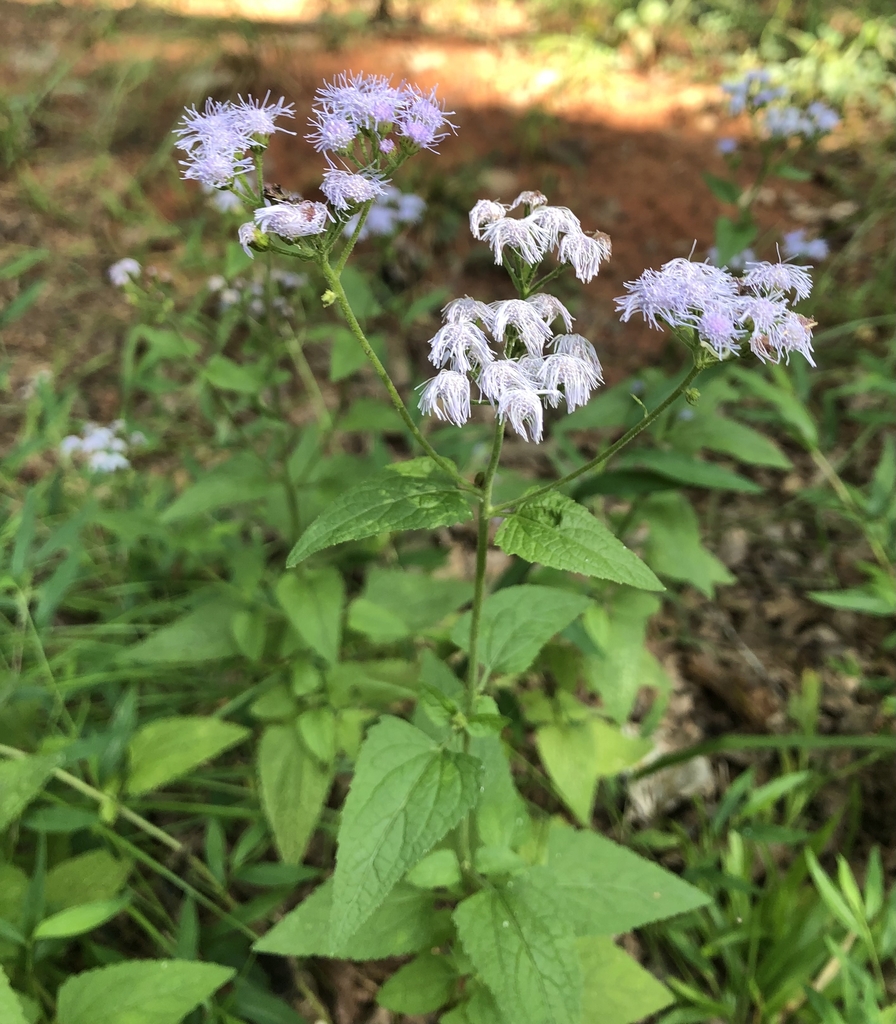
At a glance
- Life cycle
- Perennial
- Leaves
- Deciduous
- Bloom
- July to October
- Fruiting season
- Fall
Recorded in 62 Alabama counties.
Natural habitats
Places it grows wild. Not a planting requirement. Each habitat page lists the plants and wildlife also found there.
Streams, rivers and their banks
Flowing water and its banks, bars and rocky shoals.
Disturbed and introduced wetlands
Wet ground taken over by weedy or introduced plants after disturbance, such as common reed, Chinese tallow or tamarisk stands; the upland counterpart is roadsides, fields and disturbed ground.
Roadsides, fields and disturbed ground
Ground opened by people: roadsides, old fields, pastures, fencerows and lots.
Also found with this plant
Wildlife whose habitat models include habitats this plant grows in, in Alabama. Shared habitat, not food. 131 animals.
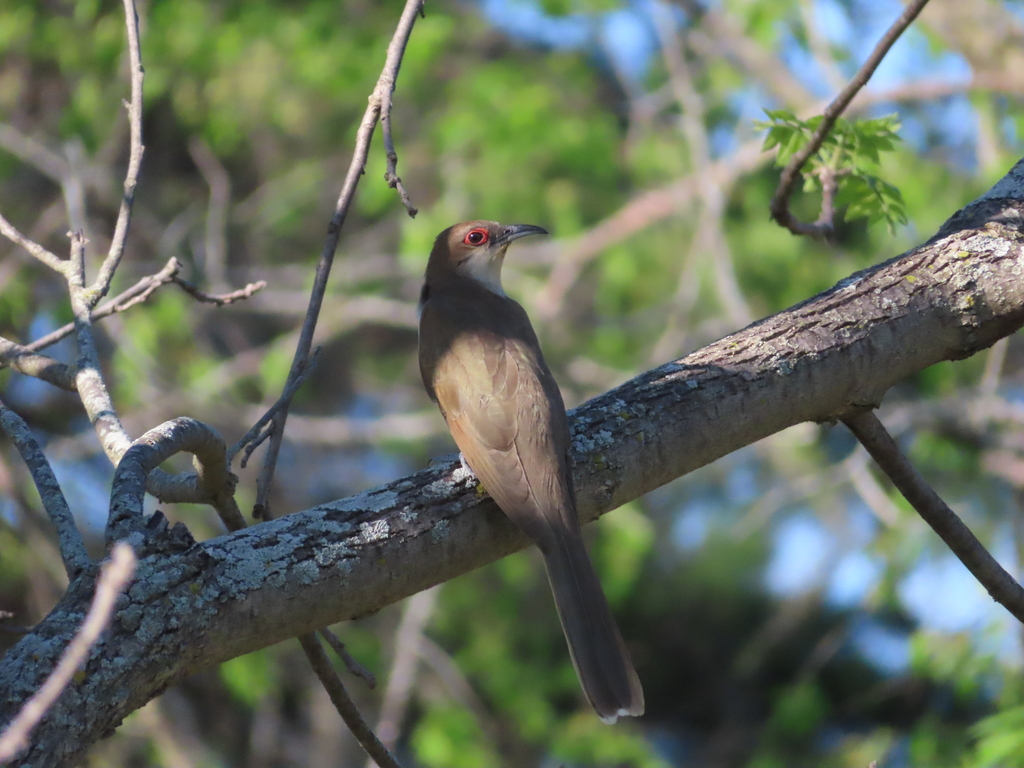
- Black-billed CuckooCoccyzus erythropthalmus
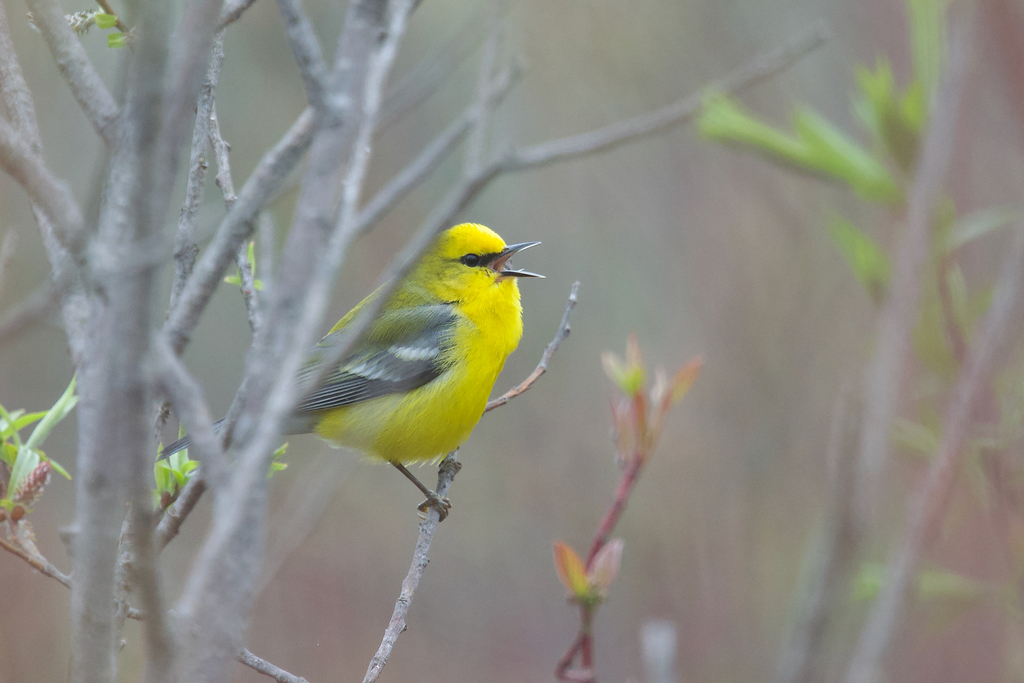
- Blue-winged WarblerVermivora pinus
- Brown ThrasherToxostoma rufum
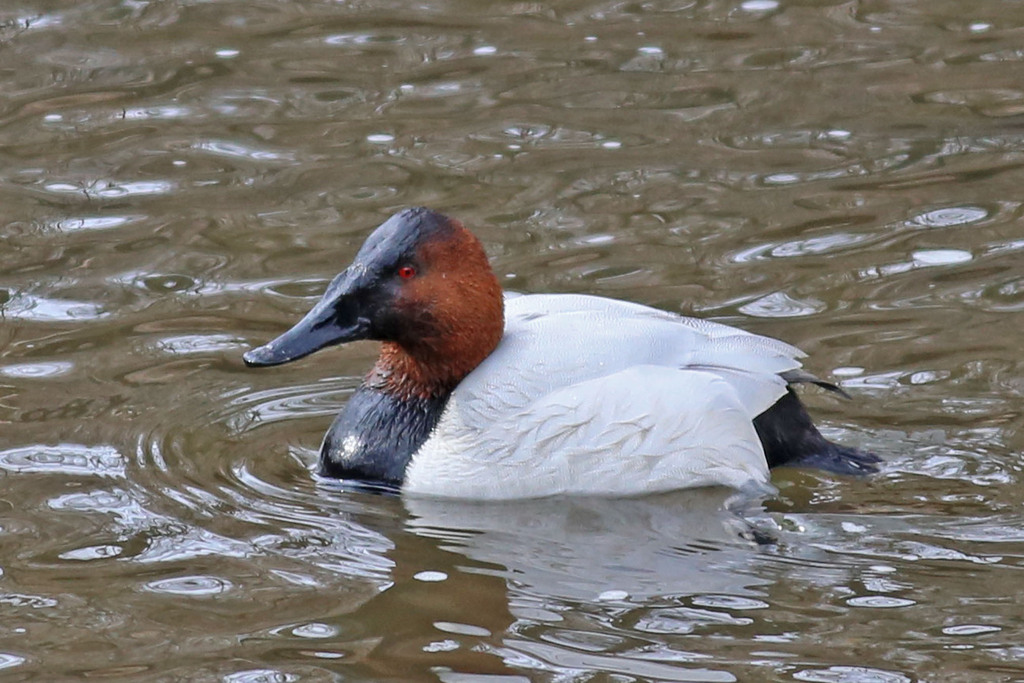
- CanvasbackAythya valisineria
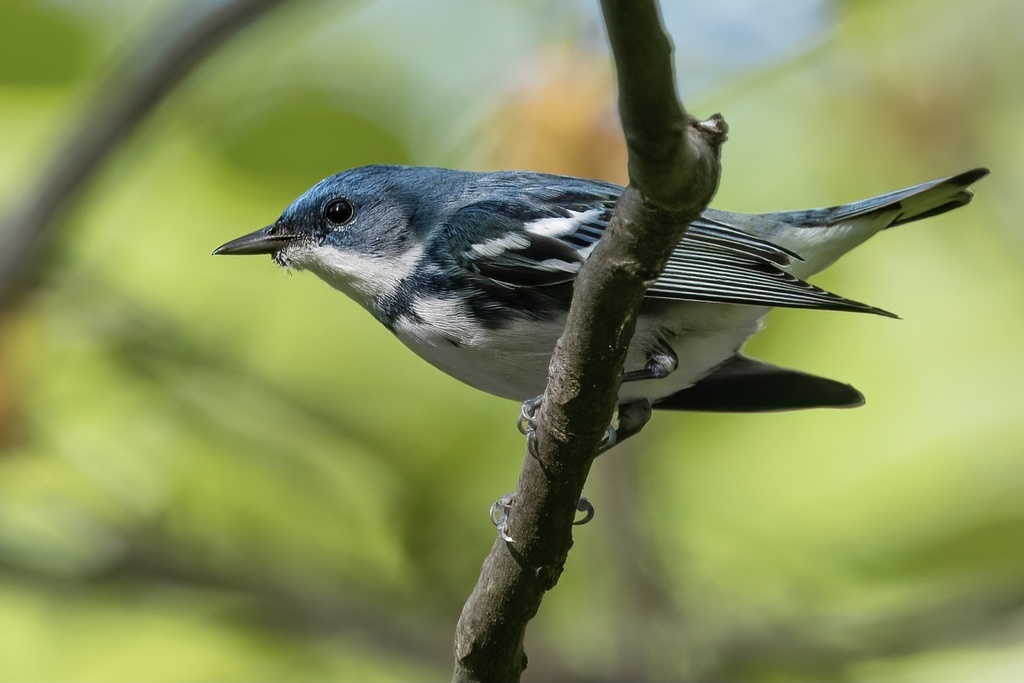
- Cerulean WarblerDendroica cerulea
- Dark-eyed JuncoJunco hyemalis
- Eastern Wood-peweeContopus virens
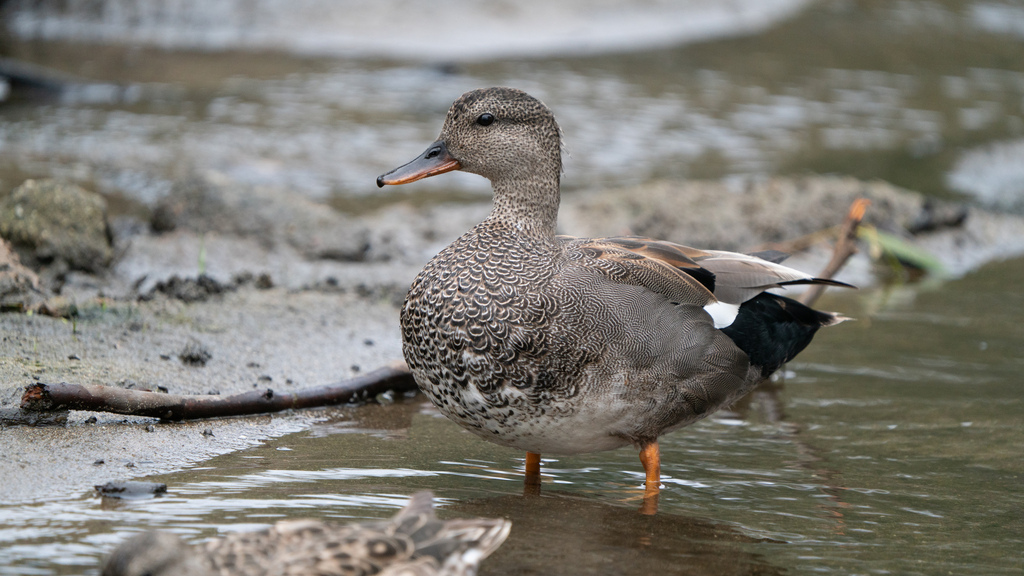
- GadwallAnas strepera
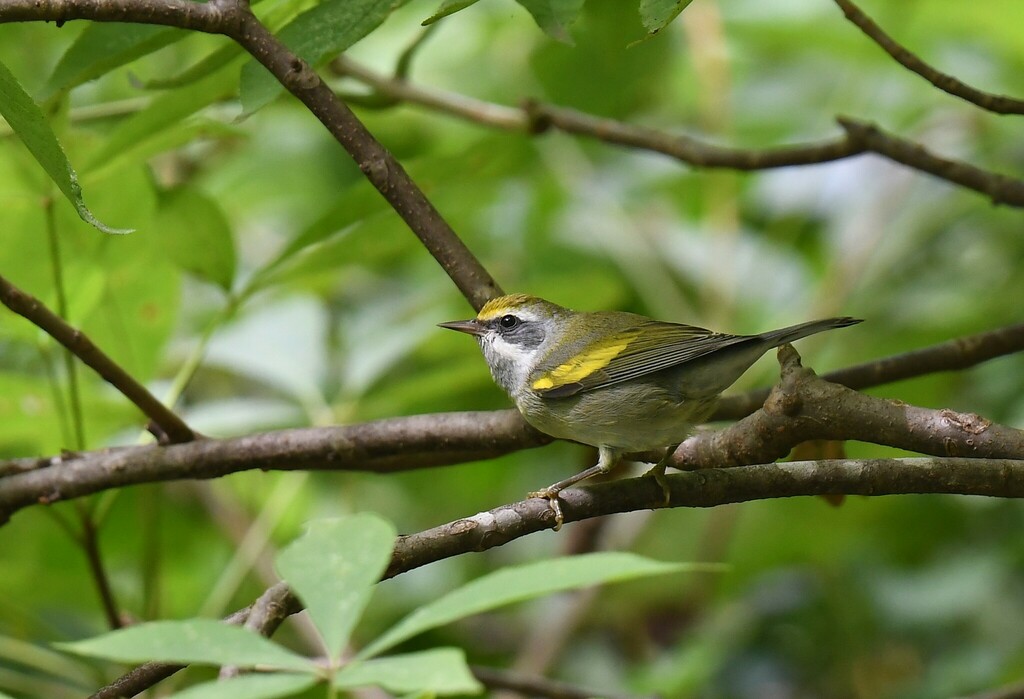
- Golden-winged WarblerVermivora chrysoptera
- Great Crested FlycatcherMyiarchus crinitus
- Hermit ThrushCatharus guttatus
- Hooded WarblerWilsonia citrina
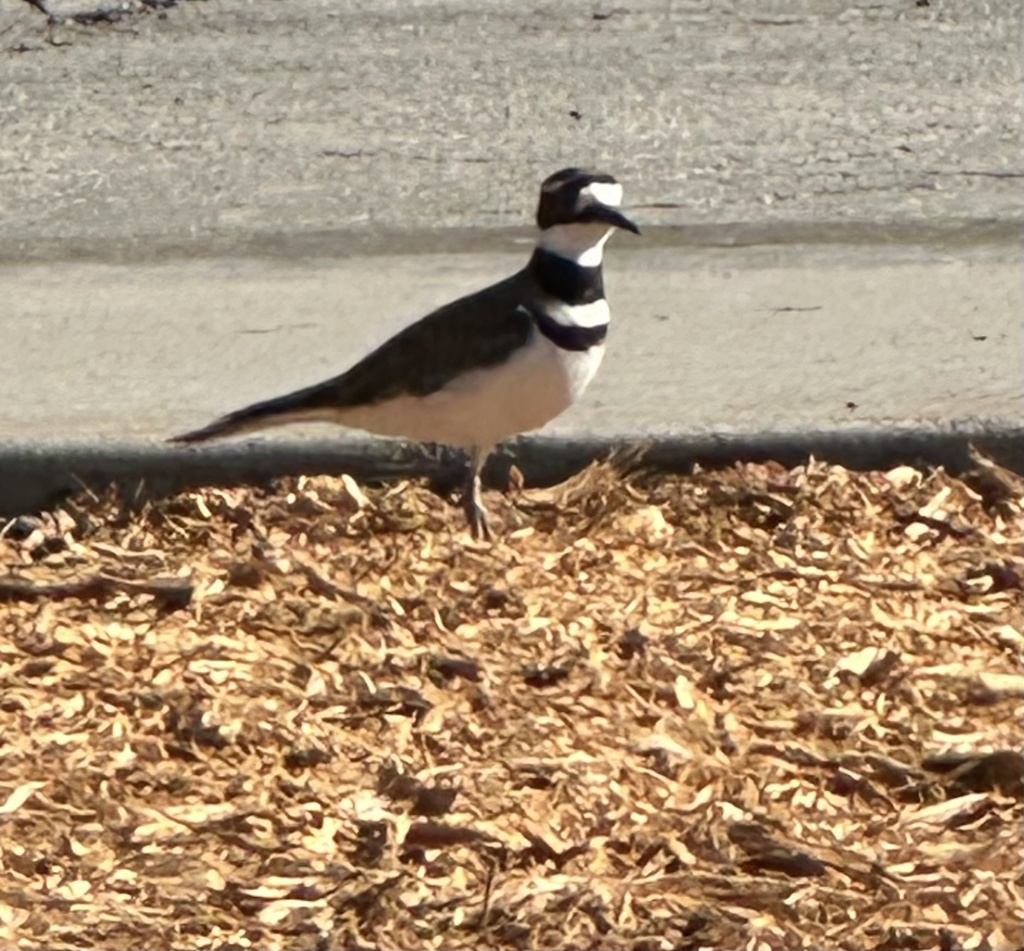
- KilldeerCharadrius vociferus
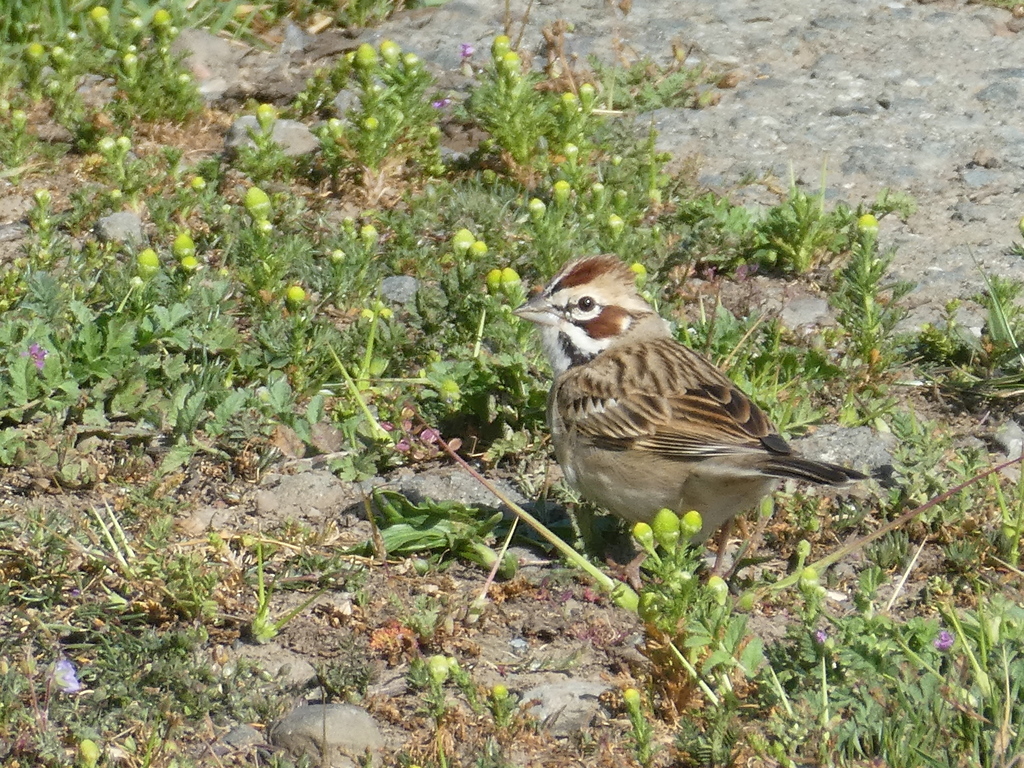
- Lark SparrowChondestes grammacus
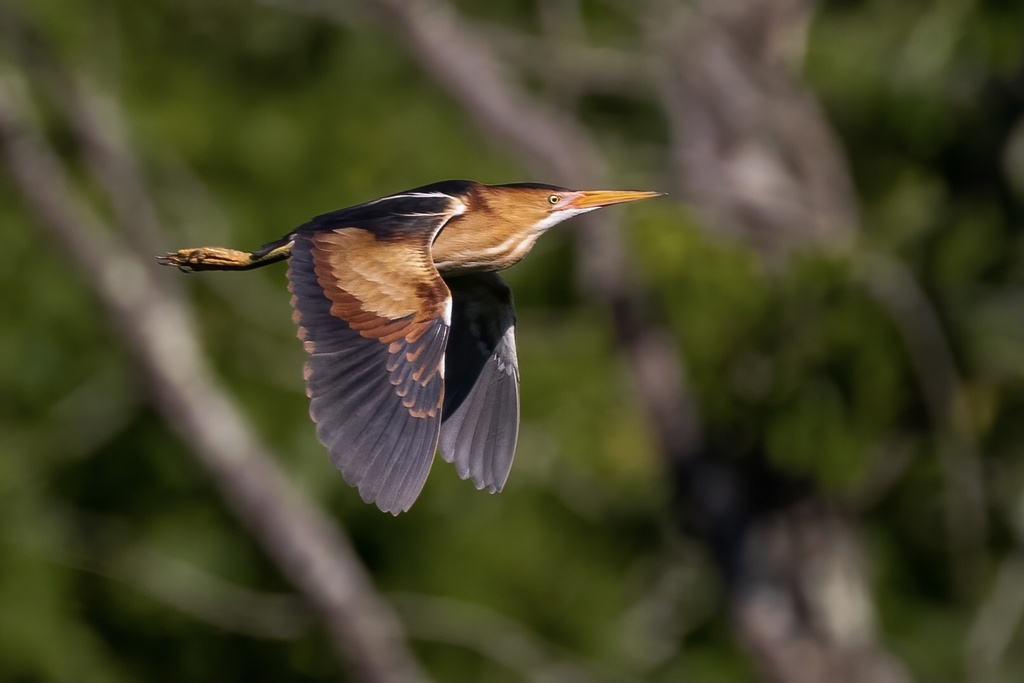
- Least BitternIxobrychus exilis
- Least FlycatcherEmpidonax minimus
- Lesser ScaupAythya affinis
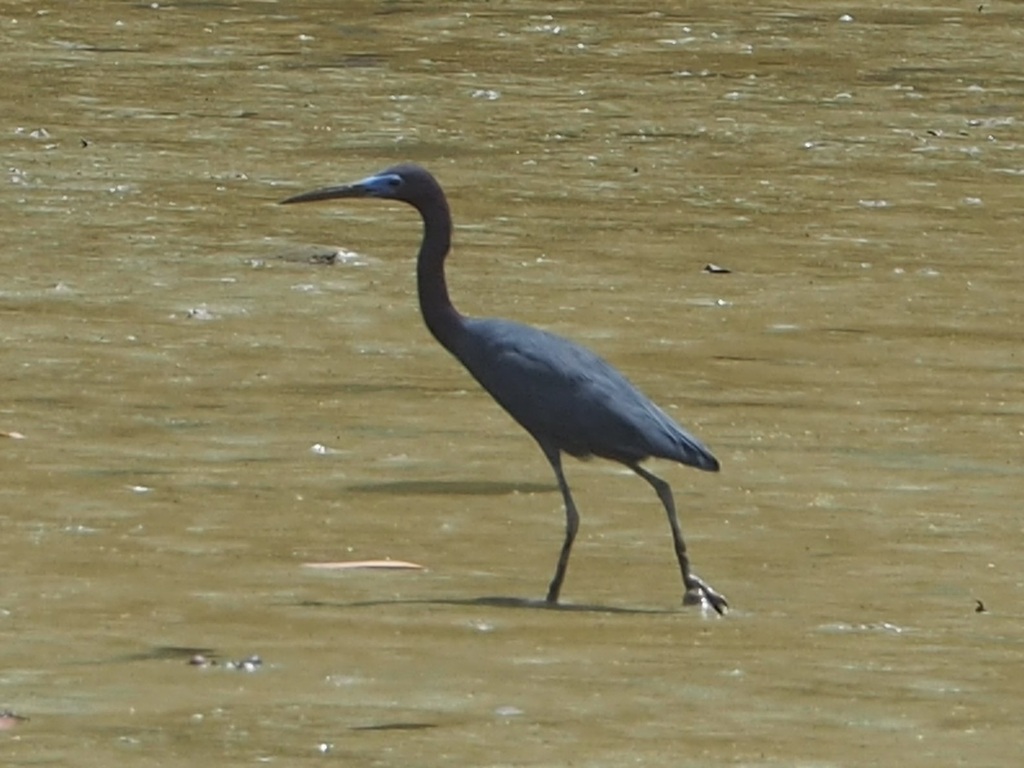
- Little Blue HeronEgretta caerulea
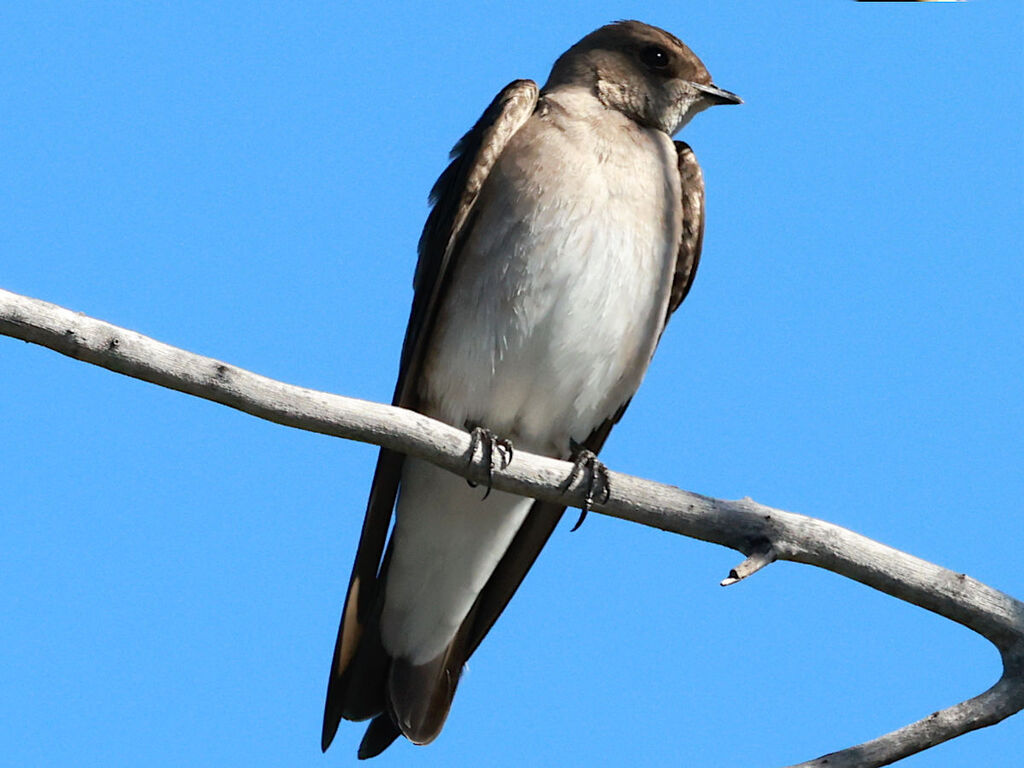
- Northern Rough-winged SwallowStelgidopteryx serripennis
- OvenbirdSeiurus aurocapilla
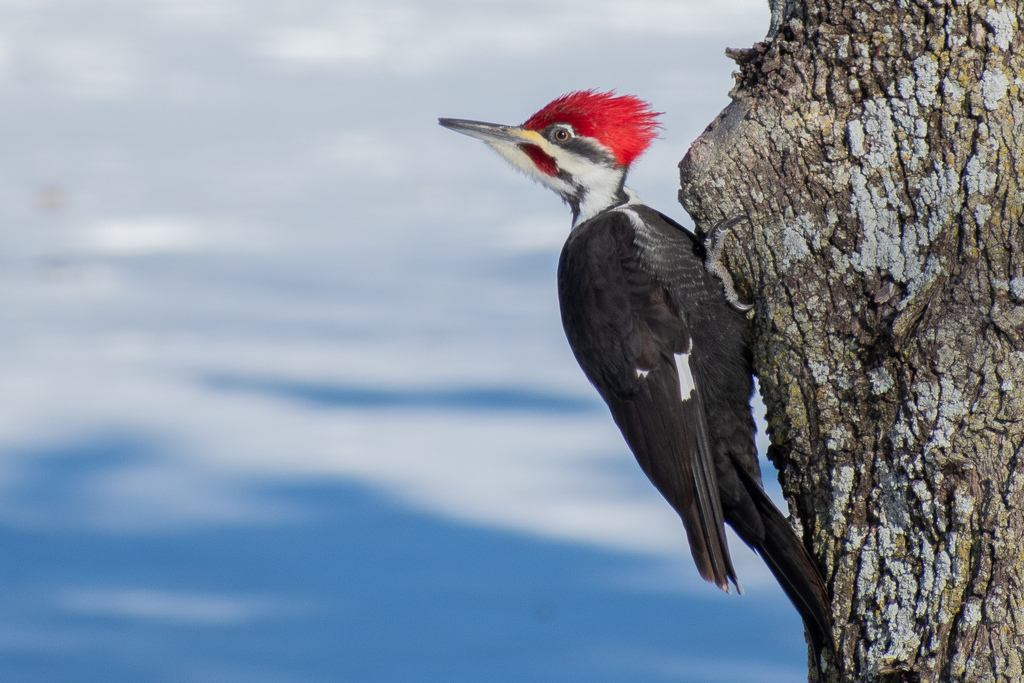
- Pileated WoodpeckerDryocopus pileatus
- Red-bellied WoodpeckerMelanerpes carolinus
- Red-shouldered HawkButeo lineatus
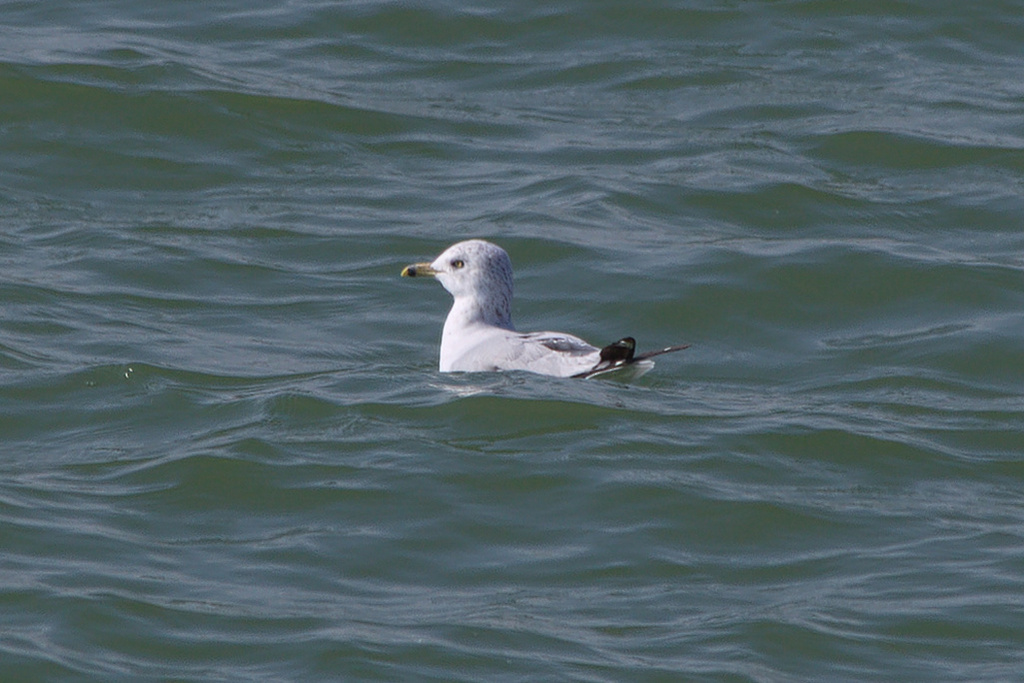
- Ring-billed GullLarus delawarensis











Who uses this plant?
 36CaterpillarsGenus host records with ranges including AL
Genus host records with ranges including AL · Eupatorium
- Anavitrinella pampinariaCommon Gray, Cranberry Spanworm
- Carmenta bassiformisEupatorium Borer Moth, Ironweed Clearwing Moth
- Carmenta pyralidiformisBoneset Borer Moth
- Chlorochlamys chloroleucariaBlackberry Looper Moth
- Chrysodeixis includensSoybean Looper Moth
- Cisseps fulvicollisYellow-Collared Scape Moth
- Condica vecorsDusky Groundling
- Dichomeris setosellaHairy Dichomeris
- Digrammia continuataCurve-Lined Angle
- Dysodia oculatanaEyed Thyris
Show all 36
- Estigmene acreaSalt Marsh Moth, Acrea Moth
- Eugnosta erigeronanaFleabane Cochylid
- Eupithecia miserulataCommon Eupithacia, Common Pug
- Feltia subgothicaSubgothic Dart
- Feltia tricosaConfused Dart, Tricose Dart
- Haploa clymeneClymene Moth
- Oedemasia concinnaRed-Humped Caterpillar, Red-Humped Appleworm
- Oenobotys vinotinctalisWine-Tinted Oenobotys Moth
- Oidaematophorus eupatoriiEupatorium Plume Moth
- Orthodes majusculaRustic Quaker, Rustic Groundcat
- Ostrinia obumbratalisSmartweed Borer
- Papaipema cataphractaBurdock Border, Potato-Stalk Borer
- Papaipema harrisiiHeracleum Stem Borer Moth, Cow Parsnip Borer
- Patania silicalisHerbivorous Patania, Herbivorous Pleuroptya
- Perigea xanthioidesRed Groundling
- Platynota flavedanaBlack-Shaded Platynota
- Platynota rostranaOmnivorous Platynota
- Pleuroprucha insulsariaCommon Tan Wave
- Schinia trifasciaThree-Lined Flower Moth
- Spoladea recurvalisHawaiian Beet Webworm
- Synchlora aerataWavy-Lined Emerald, Camouflaged Looper
- Synchlora frondariaSouthern Emerald
- Tornos scolopacinariaDimorphic Gray
- Dichomeris aglaia
- Hellinsia habecki
- Niasoma metallicana
 34BeesSoutheastern regional records
Southeastern regional records · Eupatorium
Individual names are not available yet.
Noori, Seltmann & Orr 2026, A curated and integrated dataset for exploring global bee-plant interactions (GloBI), Zenodo, CC BY 4.0 2Specialist beesPollen specialists
Pollen specialists · Eupatorium
- Colletes simulans
- Megachile xylocopoides
 1BirdsRecorded genus food-resource interactions; not a state feeding claim
Recorded genus food-resource interactions; not a state feeding claim · Eupatorium
- Ortalis vetulaPlain Chachalaca
Direct food only: birds recorded eating this genus across North America. Caterpillars on host plants also feed nesting birds. NC Native Plant Society: butterfly gardening
Flies 4
- Ptilodexia abdominalis
- Scepsis fulvicollis
- Siphoplagia anomala
- Stomoxys calcitrans
Flower visits · Carlinville, Illinois, USA
Adult butterflies / moths 3
- Anosia plexippus
- Limochores taumas
- Phyciodes tharos
Flower visits · Carlinville, Illinois, USA
Other wasps 1
- Sphex nigricans
Flower visits · Carlinville, Illinois, USA
No records yet · Ants · Beetles · Other insects
Plant details
- Family
- Asteraceae
- Hardiness
- Zones 5a–10b
- Flower color
- Blue, pink or purple
- Growth rate
- Moderate
- Growth habit
- Single crown
- Foliage color
- Green
- Fruit begins
- Fall
- Fruit ends
- Fall
Safety has not been reviewed for this plant; check toxicity and thorns before planting.
Growing sources and scope
- Bloom · “Late July to October” · Weakley, Flora of the Southeastern United States (2025), Carolinas & Georgia edition (ranked first; USDA PLANTS, Prairie Moon 2026 Cultural Guide differ) · Carolinas and Georgia
- Flower color · “Blue, pink or purple” · NC Extension Plant Toolbox (ranked first; USDA PLANTS, Lady Bird Johnson Wildflower Center, Prairie Moon 2026 Cultural Guide differ)
- Foliage color · “Green” · USDA PLANTS · Nationwide species characteristics; local growing conditions may vary
- Fruit begins · “Fall” · NC Extension Plant Toolbox (ranked first; USDA PLANTS differs) · Species profile fruit display season; not a local ripening date
- Fruit ends · “Fall” · NC Extension Plant Toolbox · Species profile fruit display season; not a local ripening date
- Growth habit · “Single crown” · USDA PLANTS · Nationwide species characteristics; local growing conditions may vary
- Growth rate · “Moderate” · USDA PLANTS · Nationwide species characteristics; local growing conditions may vary
- Hardiness · “Zones 5a–10b” · NC Extension Plant Toolbox (ranked first; Missouri Botanical Garden Plant Finder differs)
- Height · “1.5–3 feet” · NC Extension Plant Toolbox (ranked first; USDA PLANTS, Prairie Moon 2026 Cultural Guide differ)
- Leaves · “Deciduous” · NC Extension Plant Toolbox
- Life cycle · “Perennial” · NC Extension Plant Toolbox
- Light · “Full sun (6 or more hours of direct sunlight a day); Partial shade (direct sunlight only part of the day, 2-6 hours)” · NC Extension Plant Toolbox (ranked first; Virginia Cooperative Extension, Virginia DCR Piedmont, Virginia DCR Coastal Plain, Lady Bird Johnson Wildflower Center, Missouri Botanical Garden Plant Finder, Prairie Moon 2026 Cultural Guide differ)
- Soil · “Moist” · NC Extension Plant Toolbox (ranked first; Virginia Cooperative Extension, Virginia DCR Piedmont, Virginia DCR Coastal Plain, Missouri Botanical Garden Plant Finder, Prairie Moon 2026 Cultural Guide differ)
- Spread · “1.5–3 feet” · NC Extension Plant Toolbox
Also known as
Eupatorium coelestinum; Mist Flower; thoroughwort
Conservation status
| Alabama rank | SNR |
|---|---|
| Global rank | G5 |
| AL status | Not verified |
| Federal status | Not verified |
Will it fit your yard?
Check this plant against your county, sun and soil moisture. Conditions are checked in your browser.
Sources
- Alabama Plant Atlas
- USDA PLANTS
- Vascular Plants of North Carolina (NC Natural Heritage Program)
- Weakley, Flora of the Southeastern United States (2025)
- Shropshire & Tallamy 2025, Lepidoptera of North America north of Mexico, ZooKeys 1261 (ODbL)
- Noori, Seltmann & Orr 2026, A curated and integrated dataset for exploring global bee-plant interactions (GloBI), Zenodo, CC BY 4.0
- Smith, Bachelder, Russell, Morales, Mosher & Seltmann 2024, Bee-Specialization-Modeling v0.6.1 (specialist host table compiled from J. Fowler's pollen specialist bee lists), Zenodo, CC BY 4.0
- Hurlbert, Olsen, Sawyer & Winner 2021, Avian Diet Database, Scientific Data 8: 260 (CC0)
- Narango, Tallamy & Shropshire 2020, Few keystone plant genera support the majority of Lepidoptera species, Nature Communications