

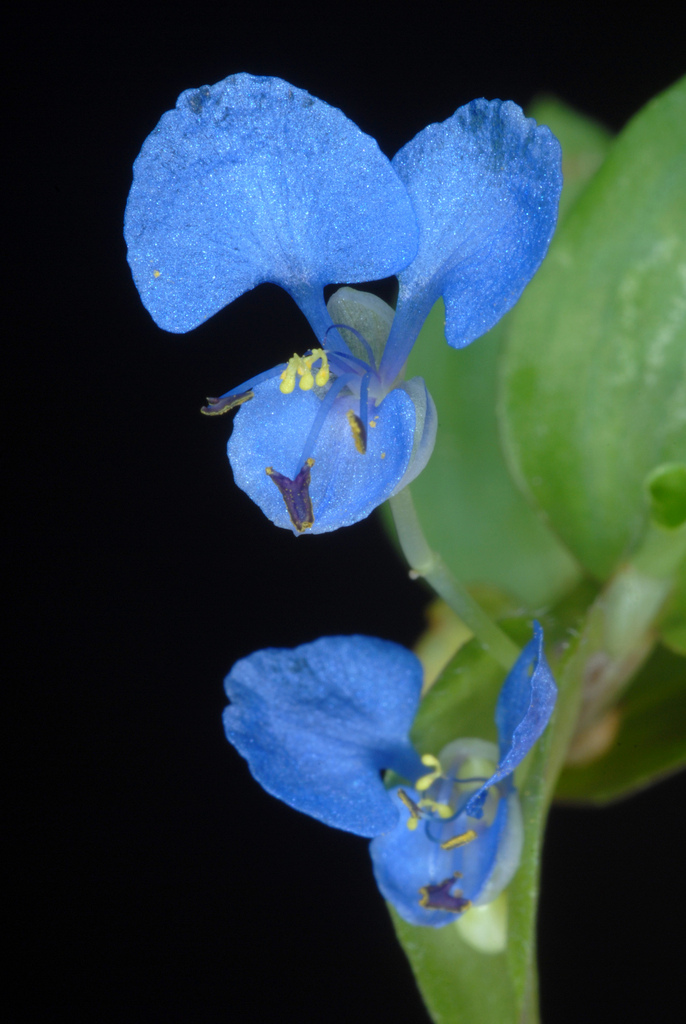
Creeping Dayflower
Commelina diffusa
Found in mudflats, alluvial margins, bottomlands, also fields and disturbed ground. FloraQuest, phone app (app page) What its natural habitat tells you
Not native to Alabama. How scores work Is it native here?
Profile 82%
- Height
- About 1 foot
- Light
- Partial shade, Full sun
- Soil moisture
- Dry to wet
Plant this instead
Choose your county to list local plants first.
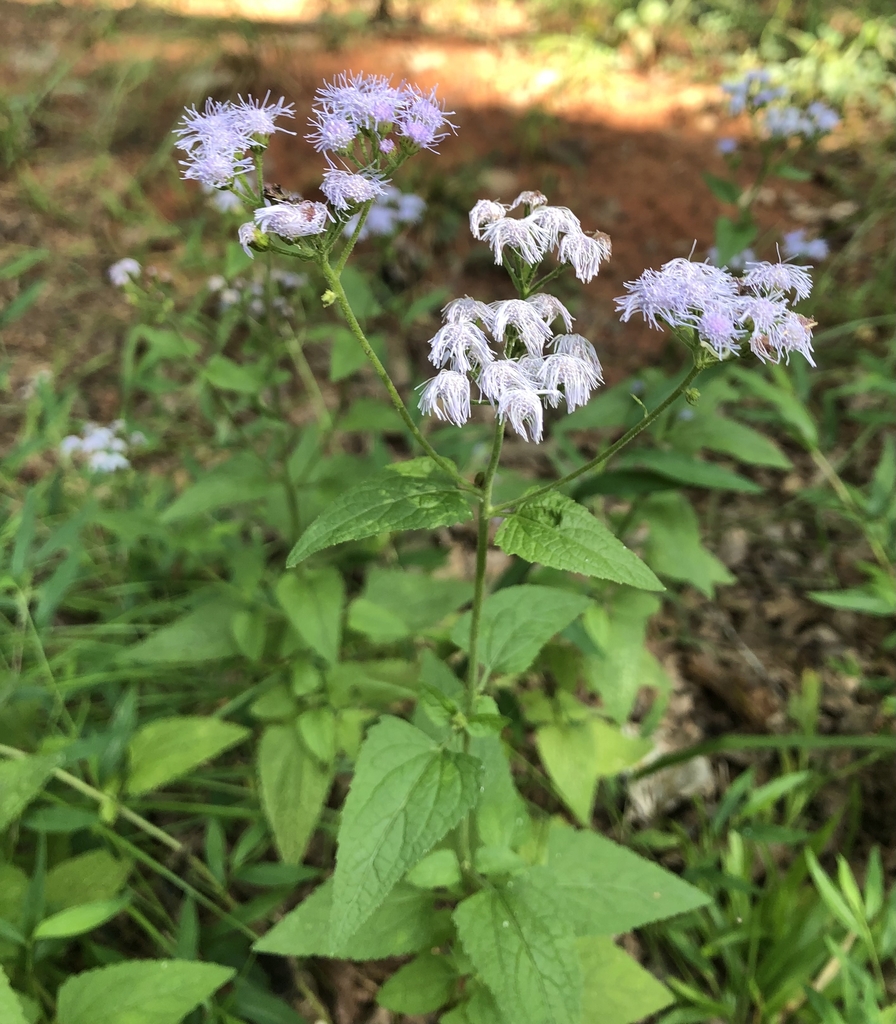
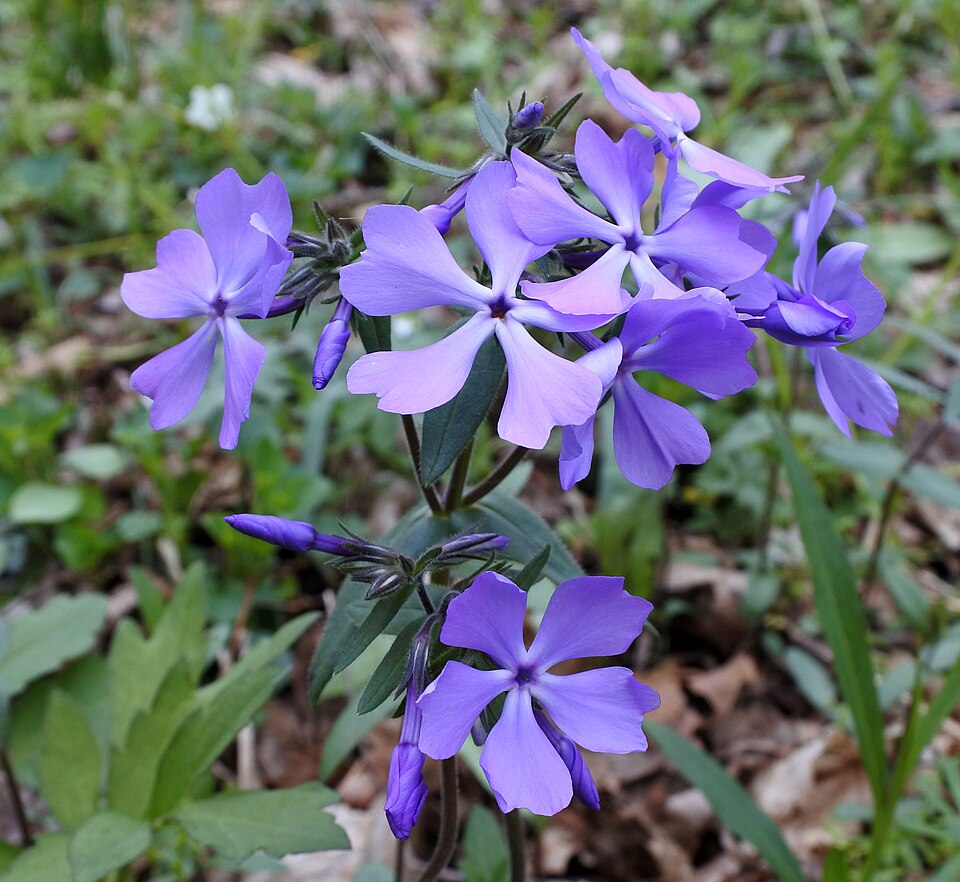
No recorded swaps for this county. Try the garden finder.
At a glance
- Bloom
- June to October
- Fruiting season
- Summer to fall
Not yet recorded · Spread · Life cycle · Leaves
Recorded in 31 Alabama counties.
Natural habitats
Places it grows wild. Not a planting requirement. Each habitat page lists the plants and wildlife also found there.
Floodplain and bottomland forests
Forests on low ground beside rivers and streams that flood from time to time.
Roadsides, fields and disturbed ground
Ground opened by people: roadsides, old fields, pastures, fencerows and lots.
Who uses this plant?
 6CaterpillarsGenus host records with ranges including AL
Genus host records with ranges including AL · Commelina
- Argyrotaenia ivanaIvana Leafroller Moth
- Chrysodeixis includensSoybean Looper Moth
- Mouralia tinctoidesMock Abrostola
- Spodoptera dolichosSweetpotato Armyworm, Dolichos Armyworm, Large Cotton Armyworm
- Spodoptera eridaniaSouthern Armyworm Moth
- Spodoptera frugiperdaFall Armyworm Moth
 —BeesSoutheastern regional records
 —Specialist beesPollen specialists
 6BirdsRecorded genus food-resource interactions; not a state feeding claim
Recorded genus food-resource interactions; not a state feeding claim · Commelina
- Colinus virginianusNorthern Bobwhite
- Columbina passerinaCommon Ground Dove
- Cyrtonyx montezumaeMontezuma Quail
- Tympanuchus pallidicinctusLesser Prairie-Chicken
- Zenaida asiaticaWhite-winged Dove
- Zenaida macrouraMourning Dove
Direct food only: birds recorded eating this genus across North America. Caterpillars on host plants also feed nesting birds. NC Native Plant Society: butterfly gardening
Plant details
- Family
- Commelinaceae
- Flower color
- Blue
- Growth rate
- Rapid
- Growth habit
- Spreads by runners
- Foliage color
- Yellow-green
- Fruit begins
- Summer
- Fruit ends
- Fall
Safety has not been reviewed for this plant; check toxicity and thorns before planting.
Growing sources and scope
- Bloom · “June to October” · FloraQuest: Carolinas, Georgia (Southeastern Flora Team), phone app (app page) (ranked first; USDA PLANTS differs) · Carolinas and Georgia
- Flower color · “Blue” · USDA PLANTS · Nationwide species characteristics; local growing conditions may vary
- Foliage color · “Yellow-green” · USDA PLANTS · Nationwide species characteristics; local growing conditions may vary
- Fruit begins · “Summer” · USDA PLANTS · Nationwide species characteristics; local growing conditions may vary
- Fruit ends · “Fall” · USDA PLANTS · Nationwide species characteristics; local growing conditions may vary
- Growth habit · “Spreads by runners” · USDA PLANTS · Nationwide species characteristics; local growing conditions may vary
- Growth rate · “Rapid” · USDA PLANTS · Nationwide species characteristics; local growing conditions may vary
- Height · “About 1 foot” · USDA PLANTS · Nationwide species characteristics; local growing conditions may vary
- Light · “Partial shade; Full sun (documented habitat)” · FloraQuest: Carolinas, Georgia (Southeastern Flora Team), phone app (app page) · Carolinas and Georgia
- primary_flower_color · “blue” · USDA PLANTS
- Soil · “Dry; Moist; Wet (documented habitat)” · FloraQuest: Carolinas, Georgia (Southeastern Flora Team), phone app (app page) · Carolinas and Georgia
Also known as
Climbing Dayflower
Conservation status
| Alabama rank | SNR |
|---|---|
| Global rank | G5 |
| AL status | Not verified |
| Federal status | Not verified |
Sources
- Alabama Plant Atlas
- USDA PLANTS
- NatureServe Explorer
- Shropshire & Tallamy 2025, Lepidoptera of North America north of Mexico, ZooKeys 1261 (ODbL)
- Noori, Seltmann & Orr 2026, A curated and integrated dataset for exploring global bee-plant interactions (GloBI), Zenodo, CC BY 4.0
- Smith, Bachelder, Russell, Morales, Mosher & Seltmann 2024, Bee-Specialization-Modeling v0.6.1 (specialist host table compiled from J. Fowler's pollen specialist bee lists), Zenodo, CC BY 4.0
- Hurlbert, Olsen, Sawyer & Winner 2021, Avian Diet Database, Scientific Data 8: 260 (CC0)
- Narango, Tallamy & Shropshire 2020, Few keystone plant genera support the majority of Lepidoptera species, Nature Communications