












States
North CarolinaTennesseeGeorgiaSouth CarolinaKentuckyAlabamaFloridaVirginia
Menu

Stalked Panicgrass

Coleataenia stipitata

Found in marshes, low woods, ditches, swamps, shores, meadows, beaver marshes. Weakley, Flora of the Southeastern United States (2025), South Central edition What its natural habitat tells you

52
Strong

Native to Alabama. How scores work Is it native here?

Profile 76%

Light
Partial shade, Full sun
Soil moisture
Moist to wet
Will it fit your yard?

At a glance

Bloom
August to October
Height
3–5 ft

Not yet recorded · Spread · Life cycle · Leaves

Recorded in 7 Alabama counties.

Natural habitats

Places it grows wild. Not a planting requirement. Each habitat page lists the plants and wildlife also found there.

All habitats

Also found with this plant

Wildlife whose habitat models include habitats this plant grows in, in Alabama. Shared habitat, not food. 130 animals.

All wildlife of Alabama

From historical sources

What the old botany books say

These facts were missing, so Quercus searched the Biodiversity Heritage Library for Coleataenia stipitata and read up to three independent North American books. Every quote was checked word for word against the scanned page. Open a page to read it.

Bloom: September From 1 book, needs a second

Panicum stipitatum. Flora of the District of Columbia and vicinity (1919), Albert Spear Hitchock

“Panicum stipitatum Nash. Wet meadows and swales near the Eastern Branch and Potomac; frequent. Sept.”

Listed in this book as Panicum stipitatum

Help us verify the bloom time

Read the quote above. When do these books say it flowers?

3 matching answers from different visitors mark it verified.

Habitat: In moist soil, New Jersey and Pennsylvania to Kentucky, Tennessee and Georgia. From 1 book, needs a second

Panicum stipitatum. Flora of the southeastern United States (1913), John Kunkel Small

“In moist soil, New Jersey and Pennsylvania to Kentucky, Tennessee and Georgia.”

Listed in this book as Panicum stipitatum

Panicum stipitatum. Flora of the District of Columbia and vicinity (1919), Albert Spear Hitchock

“Wet meadows and swales near the Eastern Branch and Potomac”

Listed in this book as Panicum stipitatum

Panicum elongatum. An illustrated flora of the northern United States, Canada and the British possessions (1913), Nathaniel Lord Britton

“Moist soil, southern New York and New Jersey to”

Listed in this book as Panicum elongatum

Help us verify the habitat

Read the quotes above. Do these quotes describe where the plant grows?

3 matching answers from different visitors mark it verified.

Height: 3–5 ft 2 of 3 books agree

Panicum stipitatum. Flora of the southeastern United States (1913), John Kunkel Small

“Stems erect, 9-15 dm. tall”

Listed in this book as Panicum stipitatum

Panicum elongatum. An illustrated flora of the northern United States, Canada and the British possessions (1913), Nathaniel Lord Britton

“Culms erect, 3-5 tall”

Listed in this book as Panicum elongatum

Help us verify the height

Read the quotes above. How tall do these books say it grows?

3 matching answers from different visitors mark it verified.

Ecological relationships

Who uses this plant?

What these records mean

24CaterpillarsGenus host records with ranges including AL

Genus host records with ranges including AL · Panicum

  • Anatrytone loganDelaware Skipper, Logan Skipper, Black-Vein Skipper
  • Ancyloxypha numitorLeast Skipper
  • Dargida diffusaWheat Head Armywotm Moth
  • Dargida rubripennisThe Pink-Streak
  • Hesperia attalusDotted Skipper
  • Hesperia leonardusLeonard's Skipper, Blazing Star Skipper, Pawnee Prairie Skipper, Pawnee Montane Skipper
  • Hylephila phyleusFiery Skipper
  • Hypena scabraGreen Cloverworm Bomolocha, Black Snout
  • Lerema acciusClouded Skipper, Corn Leaf tier
  • Lethe anthedonNorthern Pearly Eye
Show all 24
  • Leucania adjutaAdjutant Wainscot
  • Leucania linitaReed Wainscot, Linen Wainscot
  • Lon hobomokHobomok Skipper
  • Marimatha nigrofimbriaBlack-Bordered Lemon
  • Mocis latipesSmall Mocis, Striped Grass Looper
  • Mocis texanaTexas Mocis
  • Mythimna unipunctaArmyworm Moth, White Speck
  • Panoquina ocolaOcola Skipper, Long-Winged Skiiper
  • Papaipema nebrisStalk Borer
  • Poanes viatorBroad-Winged Skipper
  • Polites egeremetNorthern Broken-Dash
  • Polites themistoclesTawny-Edged Skipper
  • Spodoptera frugiperdaFall Armyworm Moth
  • Idioglossa miraculosa
Shropshire & Tallamy 2025, Lepidoptera of North America north of Mexico, ZooKeys 1261 (ODbL)
0BeesSoutheastern regional records
0Specialist beesPollen specialists
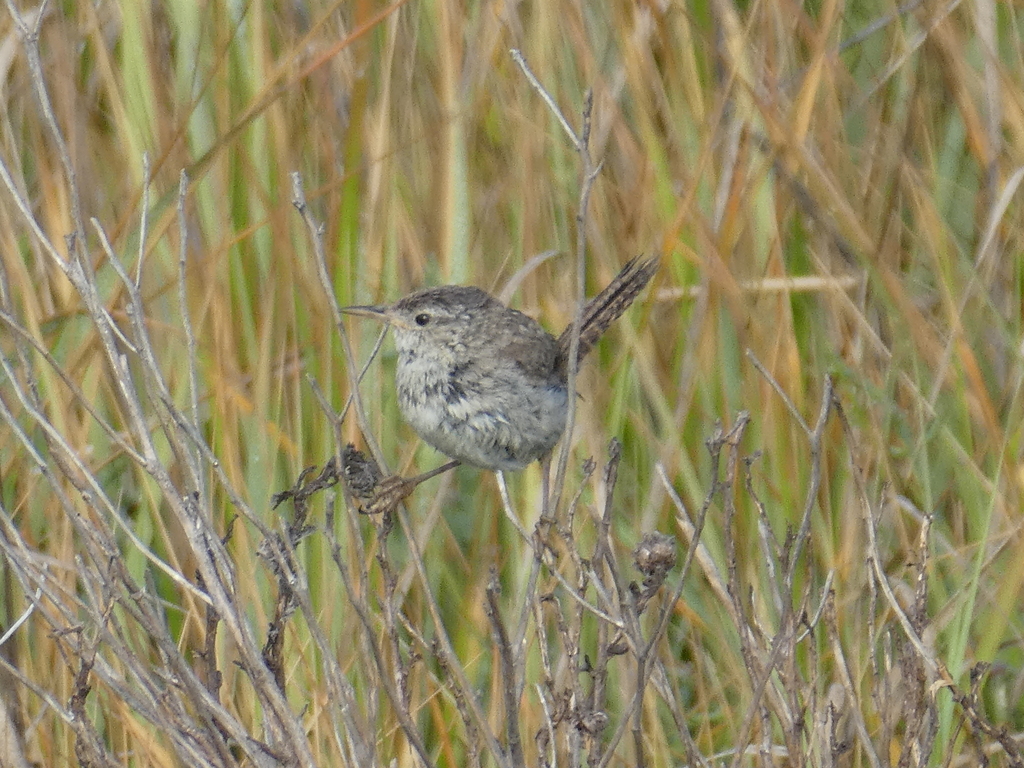
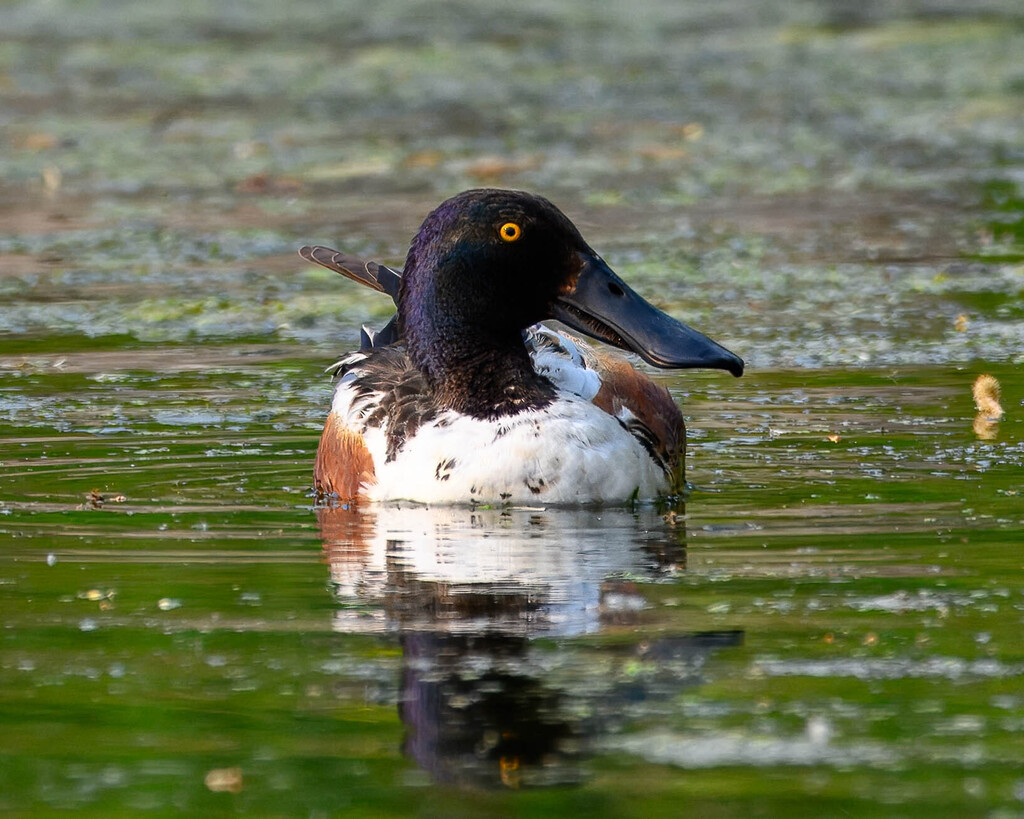
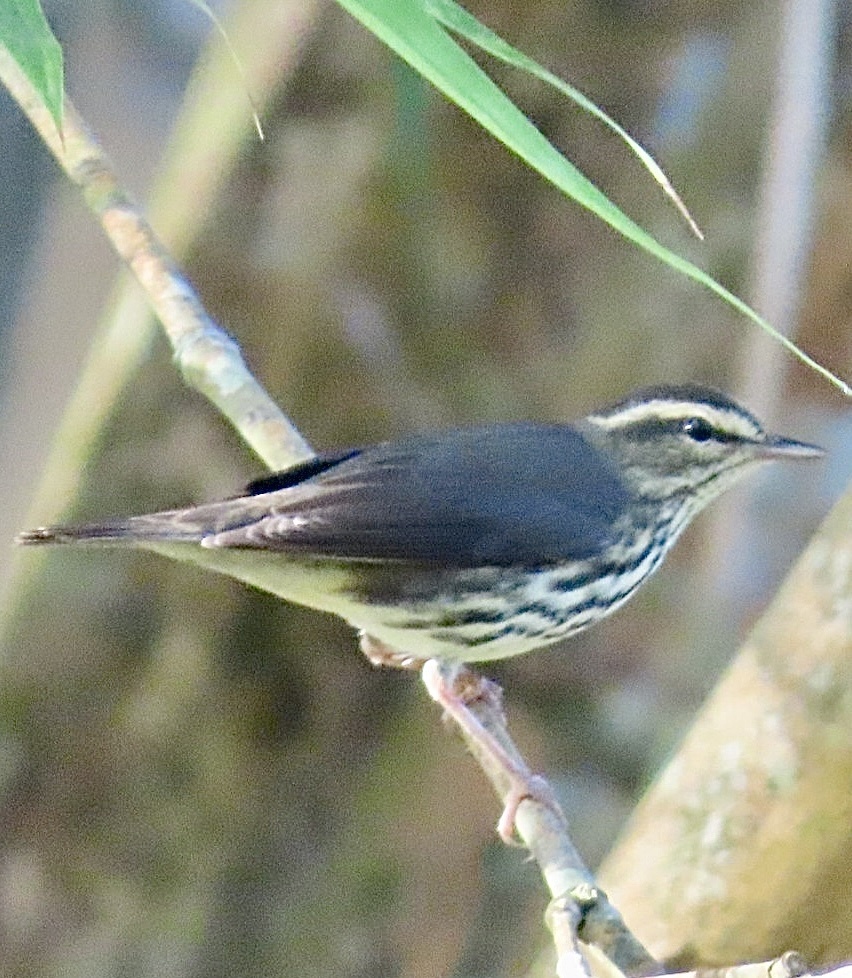
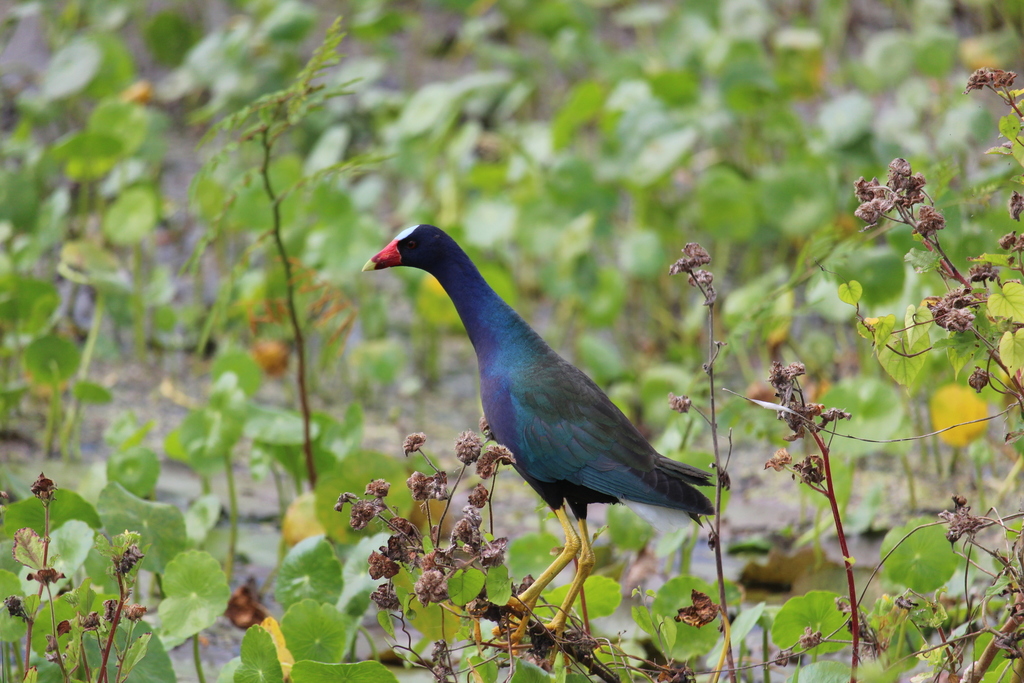
35BirdsRecorded genus food-resource interactions; not a state feeding claim

Recorded genus food-resource interactions; not a state feeding claim · Panicum

  • Acanthis flammeaCommon Redpoll
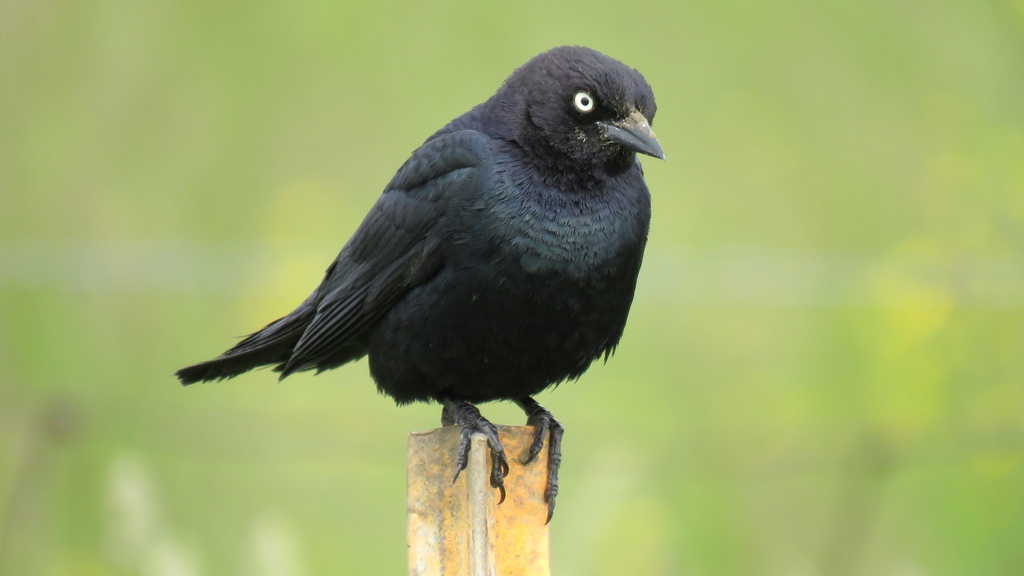
  • Agelaius phoeniceusRed-winged Blackbird
  • Aix sponsaWood Duck
  • Anas creccaGreen-winged Teal
  • Anthus rubescensAmerican Pipit
  • Anthus spragueiiSprague's Pipit
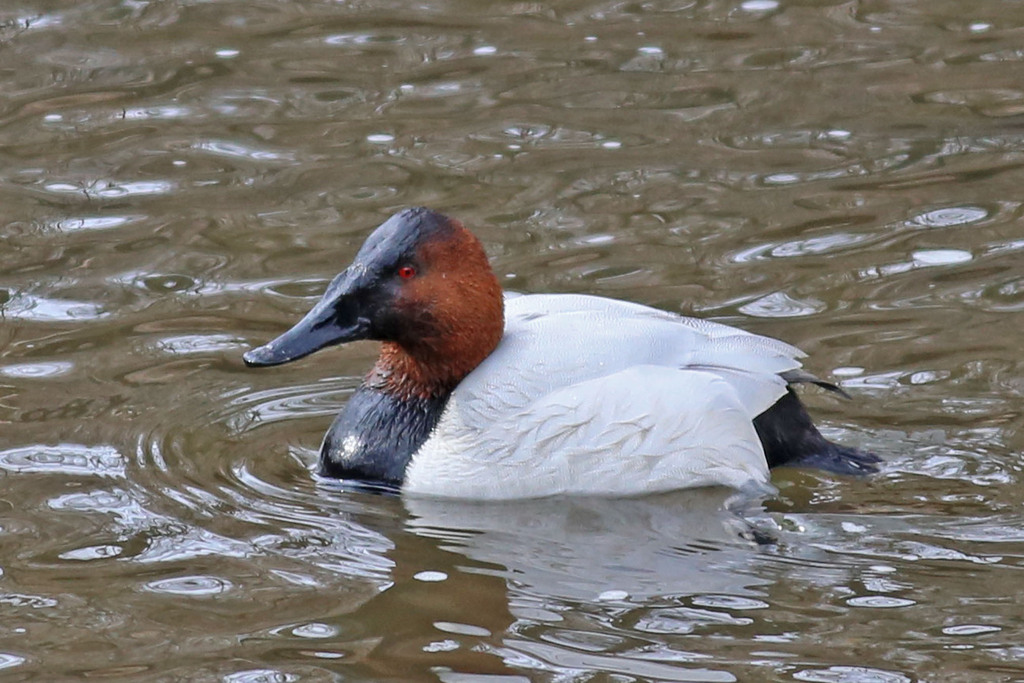
  • Aythya collarisRing-necked Duck
  • Calcarius lapponicusLapland Longspur
  • Calcarius ornatusChestnut-collared Longspur
  • Calcarius pictusSmith's Longspur
Show all 35
  • Callipepla gambeliiGambel's Quail
  • Colinus virginianusNorthern Bobwhite
  • Columbina passerinaCommon Ground Dove
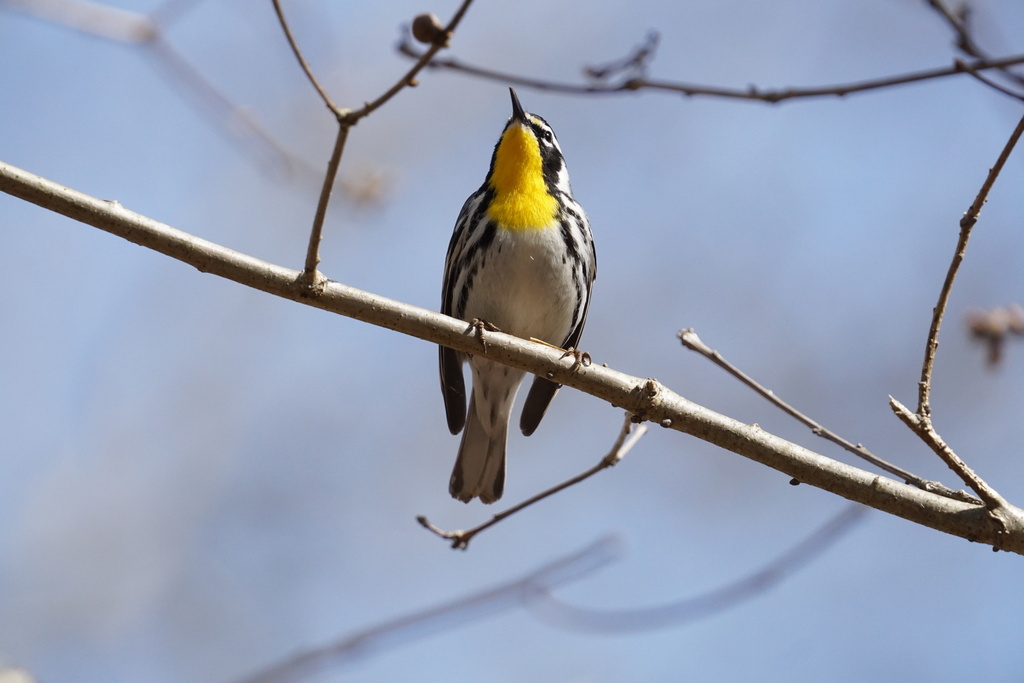
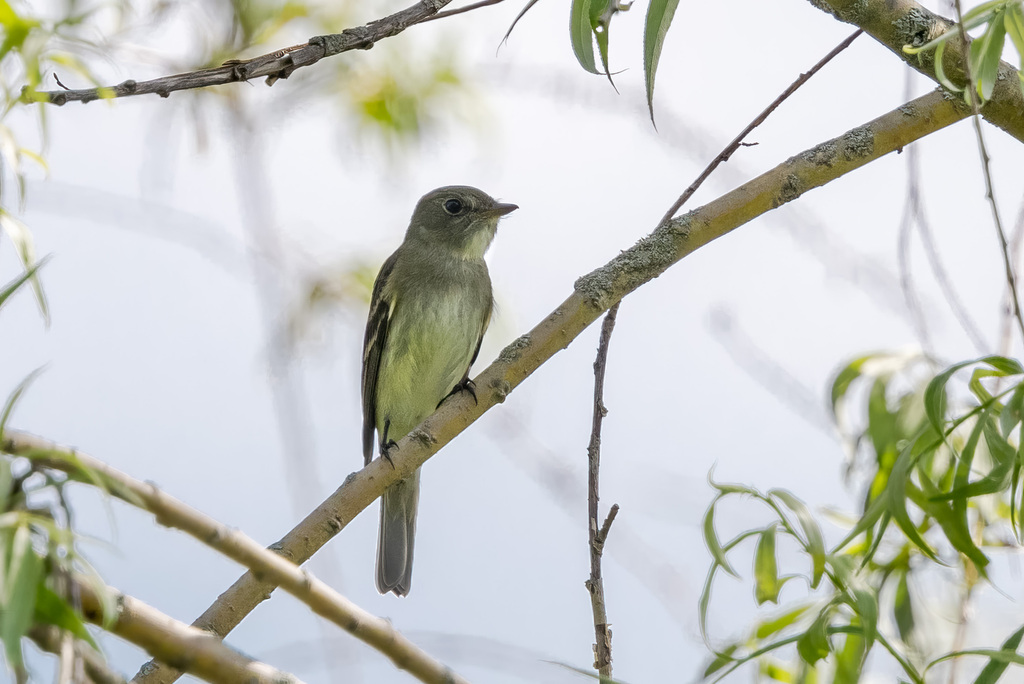
  • Contopus virensEastern Wood-Pewee
  • Cyrtonyx montezumaeMontezuma Quail
  • Dendrocygna bicolorFulvous Whistling-Duck
  • Dolichonyx oryzivorusBobolink
  • Fulica americanaAmerican Coot
  • Gallinula galeataCommon Gallinule
  • Junco hyemalisDark-eyed Junco
  • Mareca streperaGadwall
  • Meleagris gallopavoWild Turkey
  • Molothrus aterBrown-headed Cowbird
  • Passer domesticusHouse Sparrow
  • Peucaea aestivalisBachman's Sparrow
  • Plectrophenax nivalisSnow Bunting
  • Pooecetes gramineusVesper Sparrow
  • Porzana carolinaSora
  • Quiscalus quisculaCommon Grackle
  • Sialia sialisEastern Bluebird
  • Spizella passerinaChipping Sparrow
  • Spizella pusillaField Sparrow
  • Turdus migratoriusAmerican Robin
  • Xanthocephalus xanthocephalusYellow-headed Blackbird
  • Zenaida macrouraMourning Dove
Hurlbert, Olsen, Sawyer & Winner 2021, Avian Diet Database, Scientific Data 8: 260 (CC0)

Direct food only: birds recorded eating this genus across North America. Caterpillars on host plants also feed nesting birds. NC Native Plant Society: butterfly gardening

No records yet · Ants · Beetles · Flies · Adult butterflies / moths · Other wasps · Other insects

Growing and identification

Plant details

Family
Poaceae

Safety has not been reviewed for this plant; check toxicity and thorns before planting.

Growing sources and scope
Also known as

Coleataenia stipitata; Panicum rigidulum ssp. elongatum; Panicum rigidulum var. elongatum; Panicum stipitatum; Tall Flat Panic Grass; panicgrass

Conservation status

Alabama rankSNR
Global rankG5T4T5 [G5]
AL statusNot verified
Federal statusNot verified

Conservation source Global and federal source

In your garden

Will it fit your yard?

Check this plant against your county, sun and soil moisture. Conditions are checked in your browser.

Choose a county to begin.

Sources