

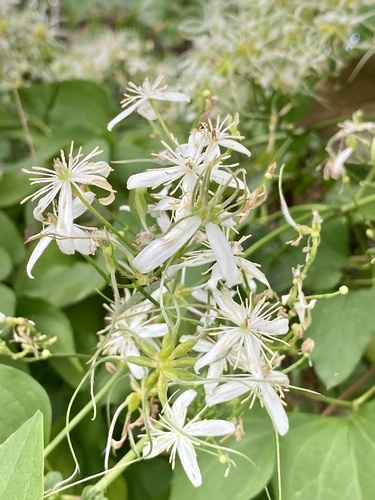
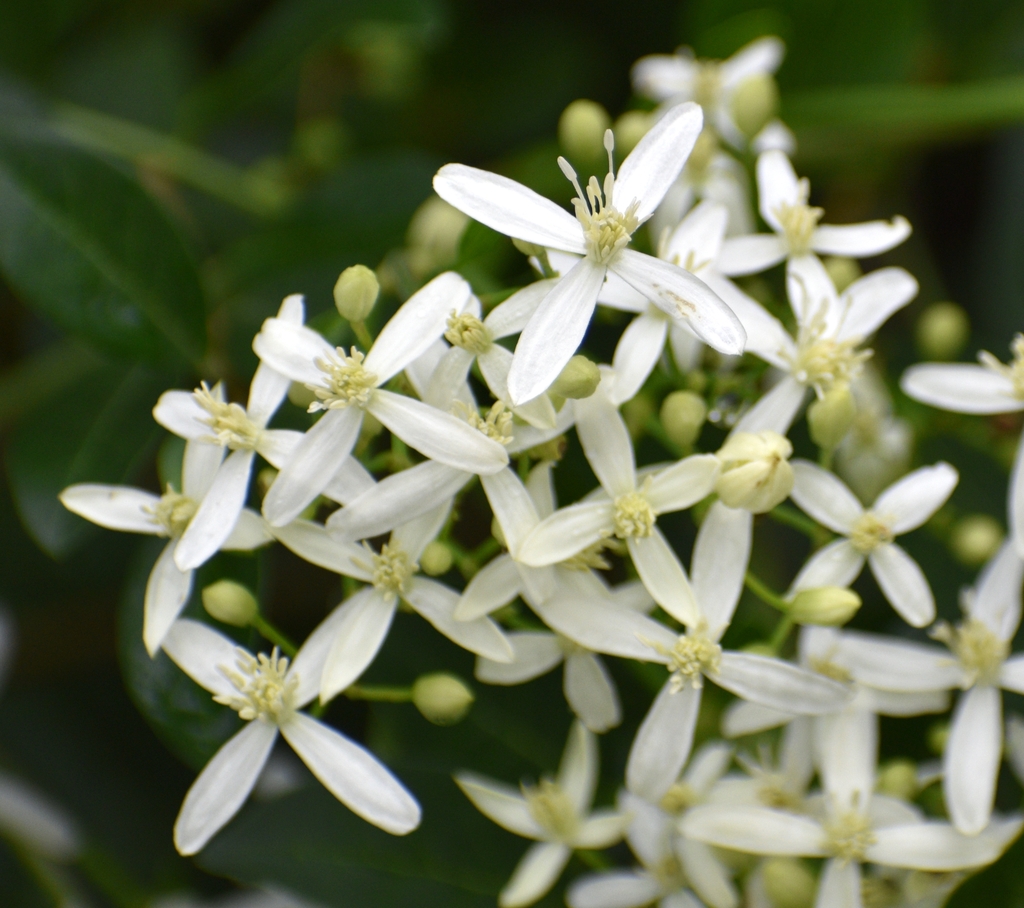
Japanese Virgin's-bower
Clematis terniflora
Found in disturbed areas. Weakley, Flora of the Southeastern United States (2025), South Central edition What its natural habitat tells you
Not native to Alabama. How scores work Is it native here?
Profile 65%
- Height
- 15–30 feet
- Spread
- 15–30 feet
- Light
- Full sun, Partial shade
- Soil moisture
- Somewhat dry to average
Do not plant. Listed invasive in Alabama.
Plant this instead
Choose your county to list local plants first.
No recorded swaps for this county. Try the garden finder.
At a glance
- Life cycle
- Woody perennial
- Leaves
- Deciduous or semi-evergreen
Not yet recorded · Bloom
Recorded in 34 Alabama counties.
Natural habitats
Places it grows wild. Not a planting requirement. Each habitat page lists the plants and wildlife also found there.
Roadsides, fields and disturbed ground
Ground opened by people: roadsides, old fields, pastures, fencerows and lots.
Also found with this plant
Wildlife whose habitat models include habitats this plant grows in, in Alabama. Shared habitat, not food. 127 animals.
- Green HeronButorides virescens
- Hairy WoodpeckerPicoides villosus
- Hermit ThrushCatharus guttatus
- Hooded MerganserLophodytes cucullatus
- Hooded WarblerWilsonia citrina
- Indigo BuntingPasserina cyanea
- Kentucky WarblerOporornis formosus
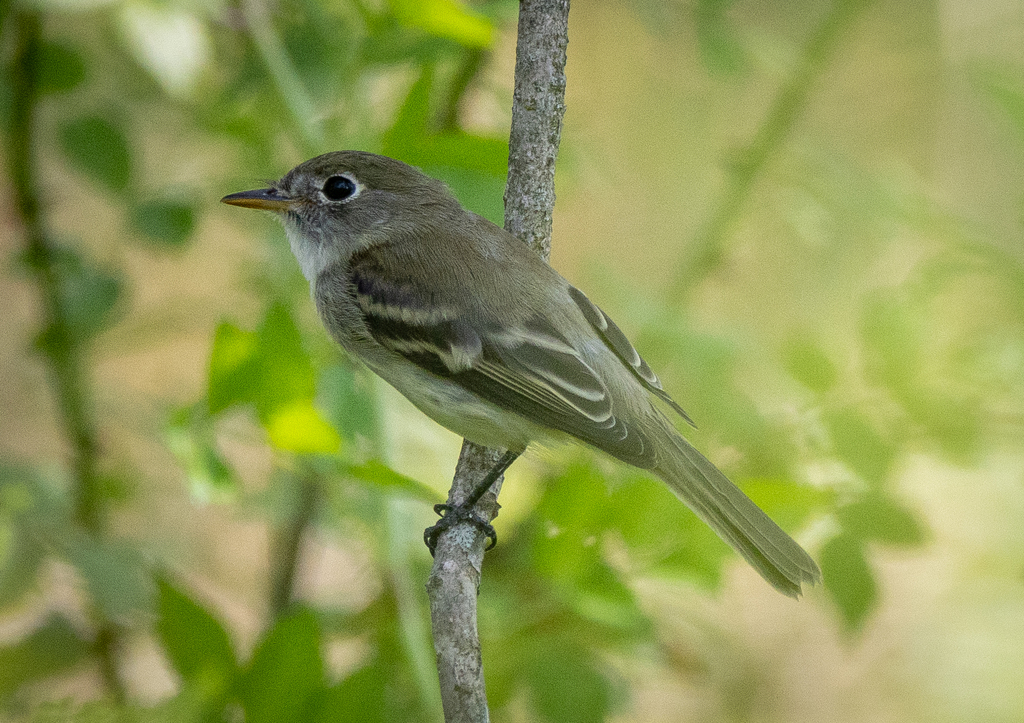
- Least FlycatcherEmpidonax minimus
- Louisiana WaterthrushSeiurus motacilla
- MallardAnas platyrhynchos
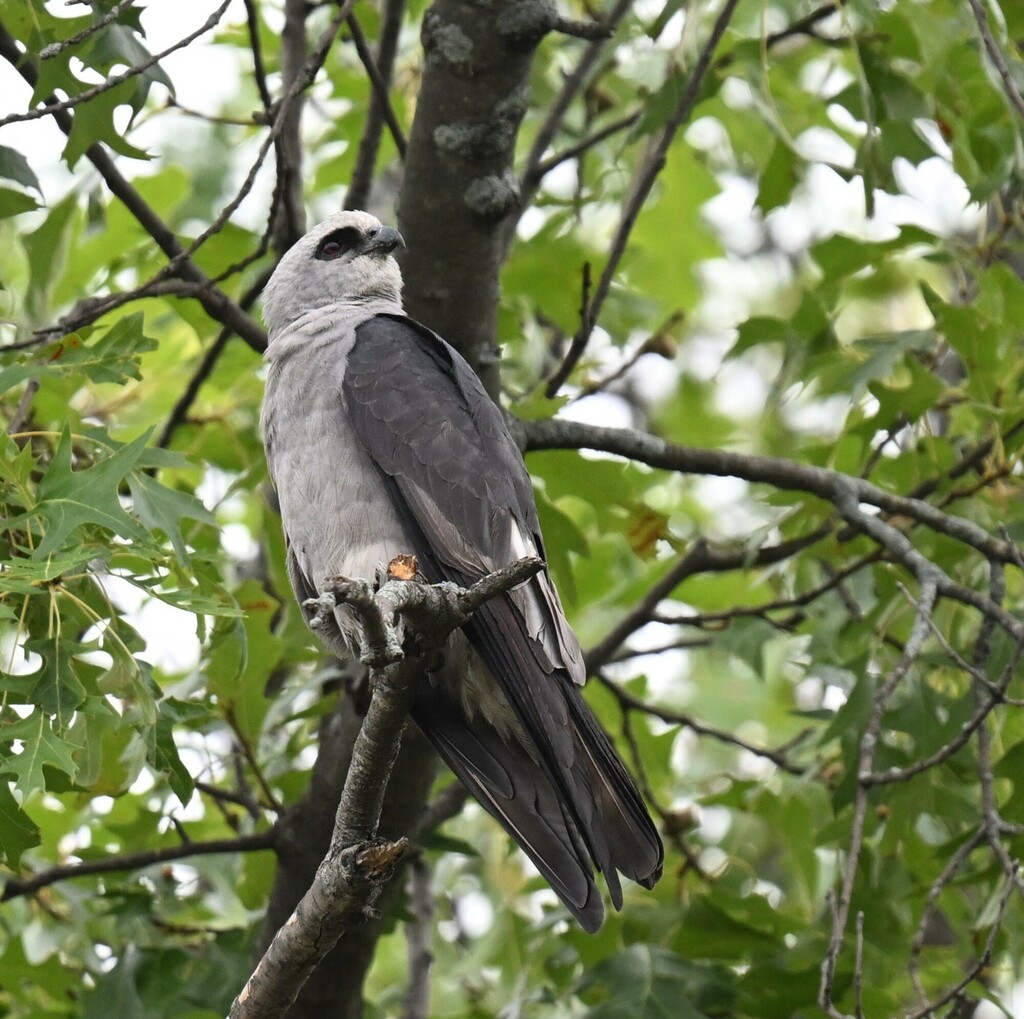
- Mississippi KiteIctinia mississippiensis
- Mourning DoveZenaida macroura
- Northern CardinalCardinalis cardinalis
- Northern FlickerColaptes auratus
- Northern MockingbirdMimus polyglottos
- Northern ParulaParula americana
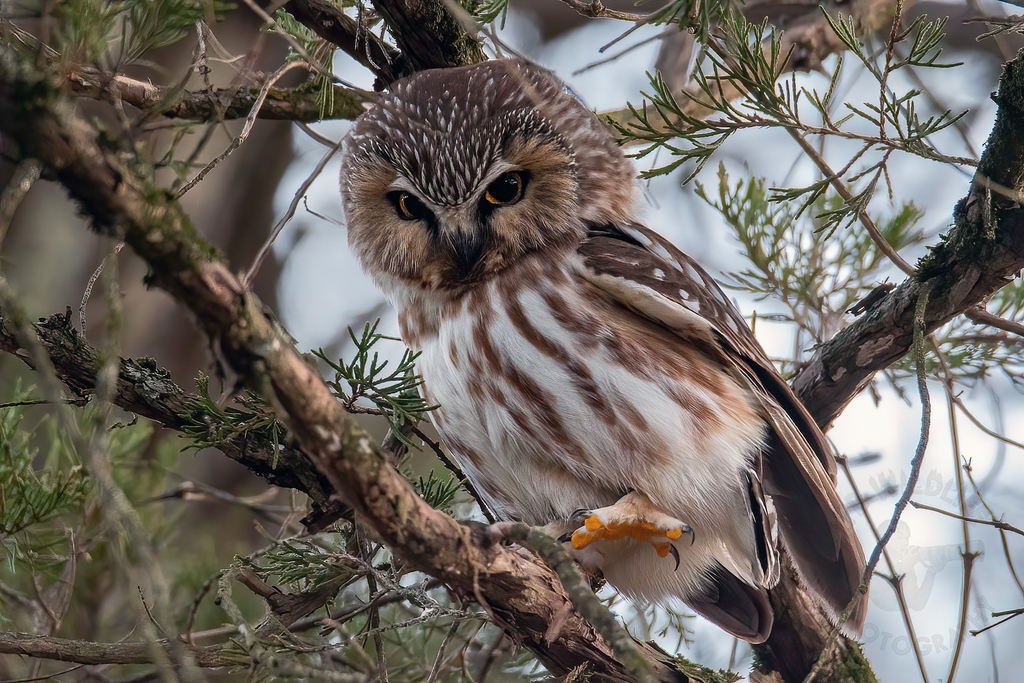
- Northern Saw-whet OwlAegolius acadicus
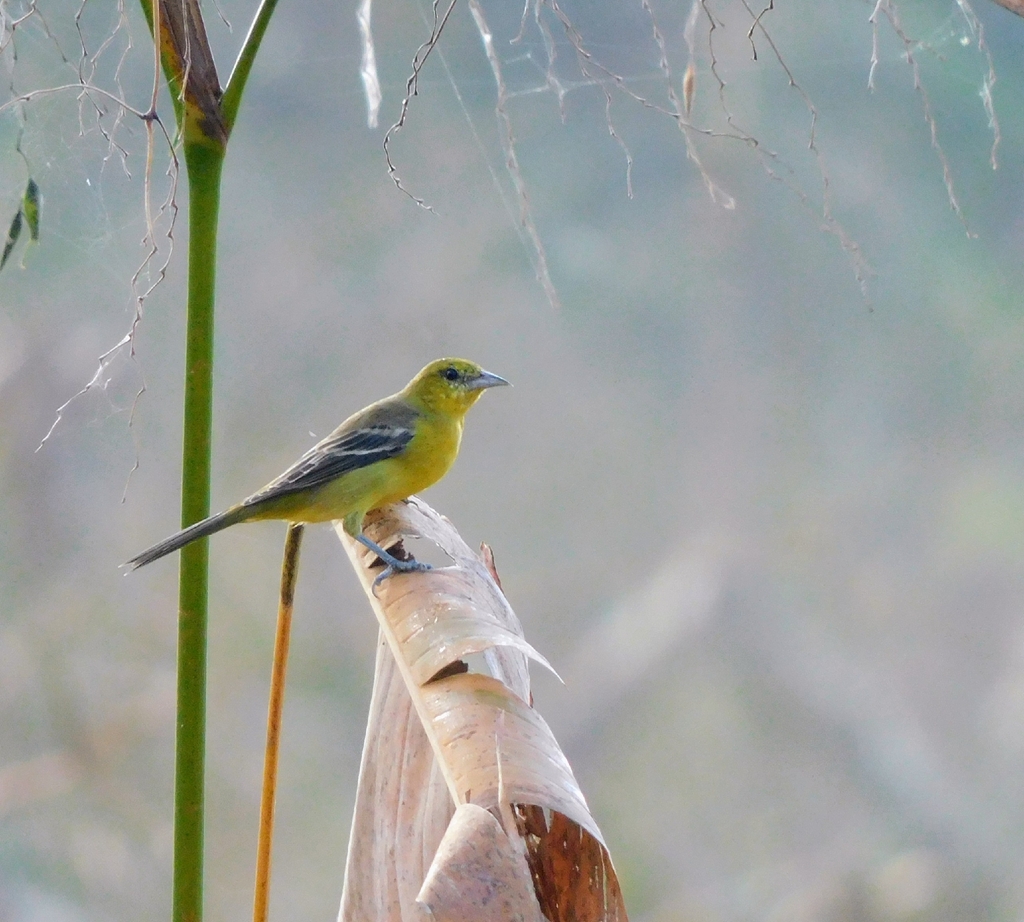
- Orchard OrioleIcterus spurius
- OspreyPandion haliaetus
- OvenbirdSeiurus aurocapilla
- Pileated WoodpeckerDryocopus pileatus
- Pine SiskinCarduelis pinus
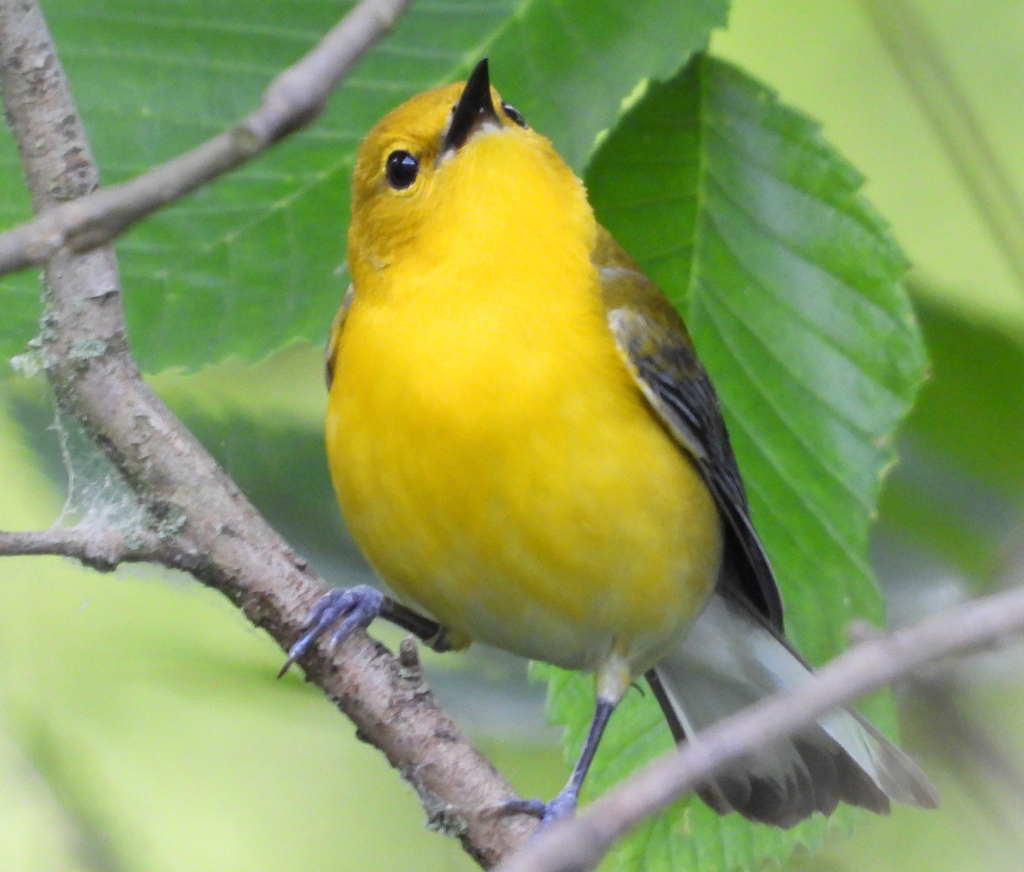
- Prothonotary WarblerProtonotaria citrea
- Purple FinchCarpodacus purpureus



















Who uses this plant?
 11CaterpillarsGenus host records with ranges including AL
Genus host records with ranges including AL · Clematis
- Alcathoe carolinensisClematis Borer Moth
- Alcathoe caudataClematis Borer, Clematis Clearwing Moth
- Eutrapela clematariaCurved-Tooth Geometer, Purplish Brown Looper
- Horisme intestinataBrown Bark Carpet
- Hyphantria cuneaFall Webworm
- Orgyia leucostigmaWhite-Marked Tussock Moth
- Platynota idaeusalisTufted Apple-Bud Moth
- Pleuroprucha insulsariaCommon Tan Wave
- Pseudothyris sepulchralisMournful Thyris
- Thyridopteryx ephemeraeformisEvergreen Bagworm Moth
Show all 11
- Thyris maculataSpotted Thyris
 —BeesSoutheastern regional records
 —Specialist beesPollen specialists
 —BirdsRecorded genus food-resource interactions; not a state feeding claim
Plant details
- Family
- Ranunculaceae
- Hardiness
- Zones 5a–9a
- Flower color
- Cream or white
Safety has not been reviewed for this plant; check toxicity and thorns before planting.
Growing sources and scope
- Flower color · “Cream or white” · NC Extension Plant Toolbox
- Hardiness · “Zones 5a–9a” · NC Extension Plant Toolbox
- Height · “15–30 feet” · NC Extension Plant Toolbox
- Leaves · “Deciduous or semi-evergreen” · NC Extension Plant Toolbox
- Life cycle · “Woody perennial” · NC Extension Plant Toolbox
- Light · “Full sun (6 or more hours of direct sunlight a day); Partial shade (direct sunlight only part of the day, 2-6 hours)” · NC Extension Plant Toolbox
- primary_flower_color · “white” · NC Extension Plant Toolbox
- Spread · “15–30 feet” · NC Extension Plant Toolbox
Also known as
Clematis dioscoreifolia; Japanese Virgin's bower; Sweet Autumn Virgins Bower
Conservation status
| Alabama rank | SNA |
|---|---|
| Global rank | GNR |
| AL status | Not verified |
| Federal status | Not verified |
Sources
- Alabama Plant Atlas
- Alabama Invasive Plant Council list
- USDA PLANTS
- Weakley, Flora of the Southeastern United States (2025), Carolinas & Georgia edition
- NatureServe Explorer
- Shropshire & Tallamy 2025, Lepidoptera of North America north of Mexico, ZooKeys 1261 (ODbL)
- Noori, Seltmann & Orr 2026, A curated and integrated dataset for exploring global bee-plant interactions (GloBI), Zenodo, CC BY 4.0
- Smith, Bachelder, Russell, Morales, Mosher & Seltmann 2024, Bee-Specialization-Modeling v0.6.1 (specialist host table compiled from J. Fowler's pollen specialist bee lists), Zenodo, CC BY 4.0
- Hurlbert, Olsen, Sawyer & Winner 2021, Avian Diet Database, Scientific Data 8: 260 (CC0)
- Narango, Tallamy & Shropshire 2020, Few keystone plant genera support the majority of Lepidoptera species, Nature Communications