

Virginia Spring-beauty
Claytonia virginica
Native to Alabama. How scores work Is it native here?
Profile 100%
- Height
- 6–9 inches
- Spread
- 6–9 inches
- Light
- Dappled sunlight, Full sun, Partial shade
- Soil moisture
- Usually moist
Space about 1 ft apart from its recorded spread, about 100 per 100 sq ft. Enter your bed size for a count
Will it fit your yard?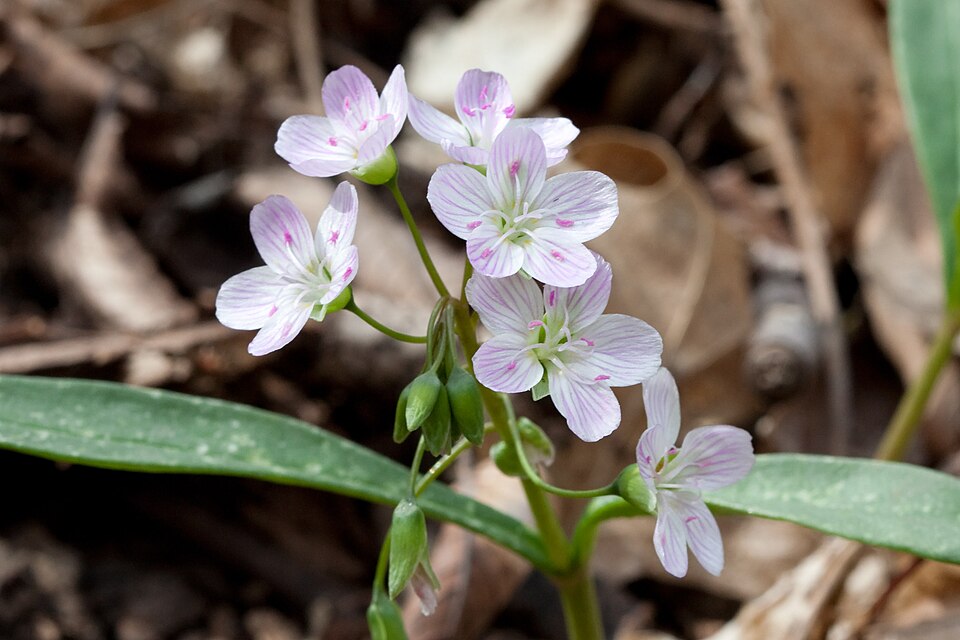
At a glance
- Life cycle
- Perennial
- Bloom
- April to June
Not yet recorded · Leaves
Recorded in 47 Alabama counties.
Also found with this plant
Wildlife whose habitat models include habitats this plant grows in, in Alabama. Shared habitat, not food. 106 animals.
- Louisiana WaterthrushSeiurus motacilla
- Mourning DoveZenaida macroura
- Northern CardinalCardinalis cardinalis
- Northern FlickerColaptes auratus
- Northern MockingbirdMimus polyglottos
- Northern ParulaParula americana
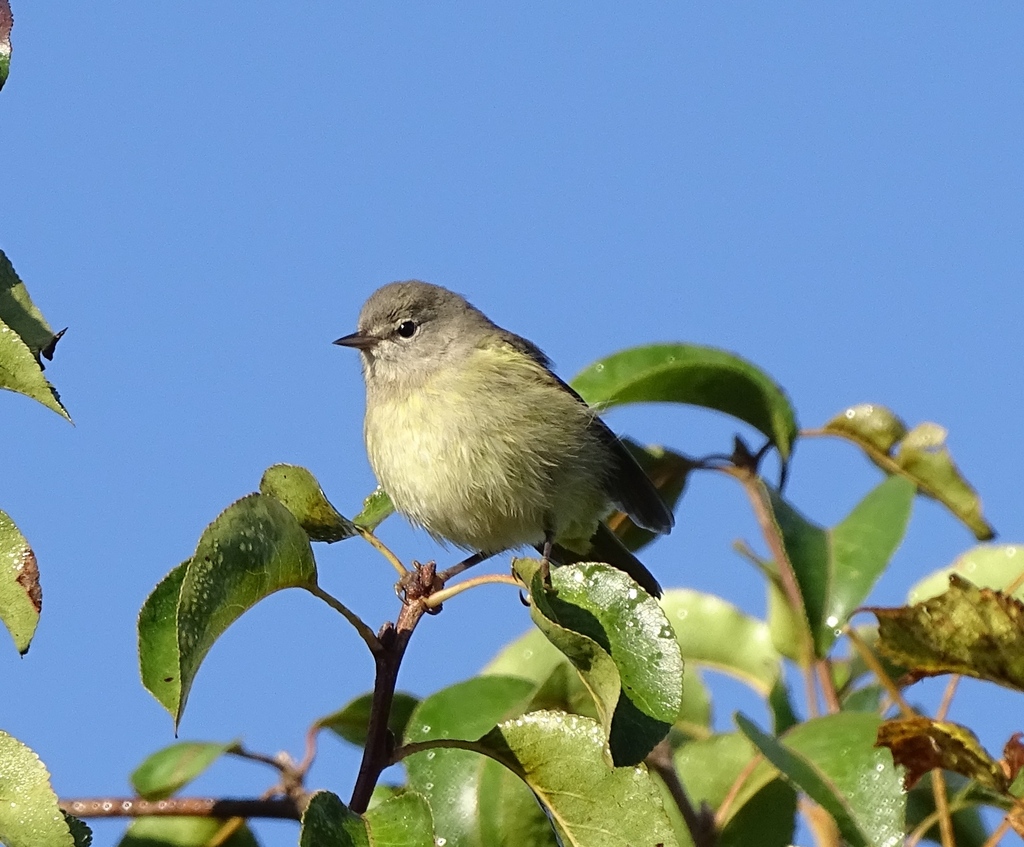
- Orange-crowned WarblerVermivora celata
- OspreyPandion haliaetus
- OvenbirdSeiurus aurocapilla
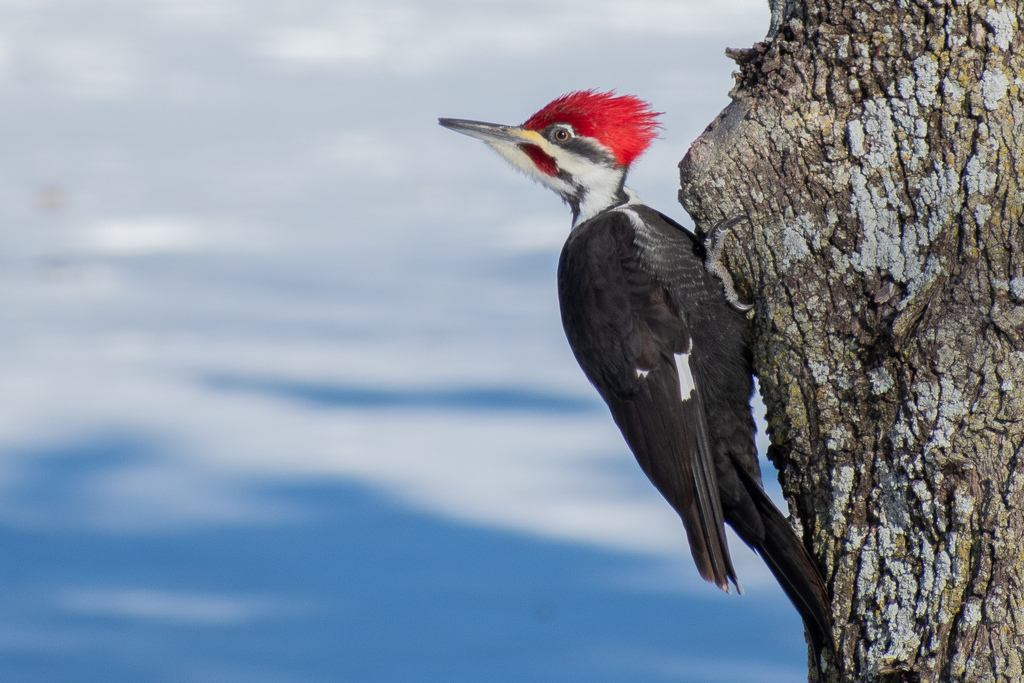
- Pileated WoodpeckerDryocopus pileatus
- Pine SiskinCarduelis pinus
- Purple FinchCarpodacus purpureus
- Red-bellied WoodpeckerMelanerpes carolinus
- Red-headed WoodpeckerMelanerpes erythrocephalus
- Red-shouldered HawkButeo lineatus
- Red-tailed HawkButeo jamaicensis
- Red-winged BlackbirdAgelaius phoeniceus
- Ruby-crowned KingletRegulus calendula
- Ruby-throated HummingbirdArchilochus colubris
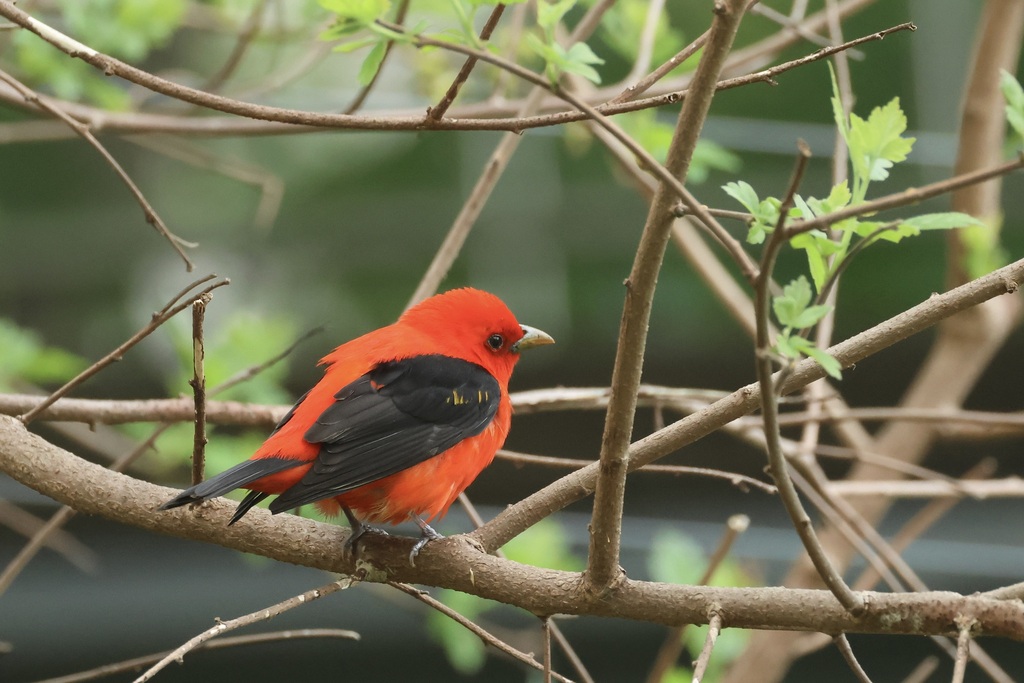
- Scarlet TanagerPiranga olivacea
- Sharp-shinned HawkAccipiter striatus
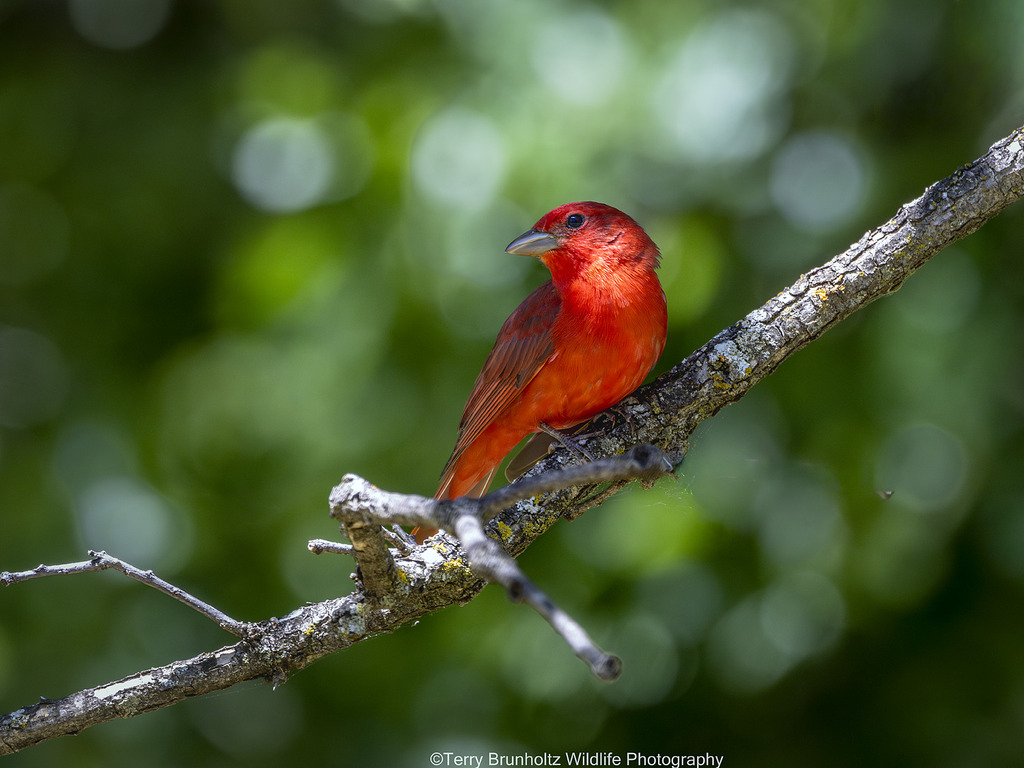
- Summer TanagerPiranga rubra
- Swainson's WarblerLimnothlypis swainsonii
- Tufted TitmouseBaeolophus bicolor





















Who uses this plant?
 0CaterpillarsGenus host records with ranges including AL
 28BeesSoutheastern regional records
Southeastern regional records · Claytonia
Individual names are not available yet.
Noori, Seltmann & Orr 2026, A curated and integrated dataset for exploring global bee-plant interactions (GloBI), Zenodo, CC BY 4.0 1Specialist beesPollen specialists
 13BirdsRecorded genus food-resource interactions; not a state feeding claim
Recorded genus food-resource interactions; not a state feeding claim · Claytonia
- Callipepla californicaCalifornia Quail
- Catharus guttatusHermit Thrush
- Haemorhous mexicanusHouse Finch
- Junco hyemalisDark-eyed Junco
- Lagopus leucuraWhite-tailed Ptarmigan
- Leucosticte atrataBlack Rosy-Finch
- Melospiza melodiaSong Sparrow
- Melozone crissalisCalifornia Towhee
- Perdix perdixGray Partridge
- Pipilo maculatusSpotted Towhee
Show all 13
- Spinus psaltriaLesser Goldfinch
- Spizella passerinaChipping Sparrow
- Zonotrichia leucophrysWhite-crowned Sparrow
Direct food only: birds recorded eating this genus across North America. Caterpillars on host plants also feed nesting birds. NC Native Plant Society: butterfly gardening
Flies 16
- Calliphora erythrocephala
- Empis humilis
- Empis otiosa
- Eristalis latifrons
- Helicobia 4-setosa
- Limnophora narona
- Lucilia sylvarum
- Phormia regina
- Rhingia nasica
- Sarcophaga sinuata
Show all 16
- Sepsis violacea
- Sphaerophoria cylindrica
- Syrphus americanus
- Syrphus arcuatus
- Syrphus ribesii
- Syrphus torvus
Flower visits · Carlinville, Illinois, USA
Adult butterflies / moths 4
- Phyciodes tharos
- Pontia protodice
- Thanaos juvenalis
- Vanessa atalanta
Flower visits · Carlinville, Illinois, USA
No records yet · Ants · Beetles · Other wasps · Other insects
Plant details
- Family
- Montiaceae
- Hardiness
- Zones 3a–8b
- Soil pH
- Acidic
- Flower color
- Pink or white
What its natural habitat tells you
Safety has not been reviewed for this plant; check toxicity and thorns before planting.
Growing sources and scope
- Bloom · “April to June” · Prairie Moon 2026 Cultural Guide · Nursery cultural guide; height in flower; moisture categories retained as printed
- Flower color · “Pink or white” · NC Extension Plant Toolbox (ranked first; Prairie Moon 2026 Cultural Guide differs)
- Hardiness · “Zones 3a–8b” · NC Extension Plant Toolbox
- Height · “6–9 inches” · NC Extension Plant Toolbox (ranked first; Tennessee Smart Yards, Minnesota Wildflowers, Prairie Moon 2026 Cultural Guide differ)
- Life cycle · “Perennial” · NC Extension Plant Toolbox
- Light · “Dappled sunlight (shade through upper canopy all day); Full sun (6 or more hours of direct sunlight a day); Partial shade (direct sunlight only part of the day, 2-6 hours)” · NC Extension Plant Toolbox (ranked first; Tennessee Smart Yards, Virginia Cooperative Extension, Prairie Moon 2026 Cultural Guide differ)
- Soil · “Moist” · NC Extension Plant Toolbox (ranked first; Virginia Cooperative Extension, Prairie Moon 2026 Cultural Guide differ)
- Soil pH · “Acidic” · NC Extension Plant Toolbox
- Spread · “6–9 inches” · NC Extension Plant Toolbox
Also known as
Virginia Spring Beauty; Virginia Springbeauty
Conservation status
| Alabama rank | SNR |
|---|---|
| Global rank | G5 |
| AL status | Not verified |
| Federal status | Not verified |
Will it fit your yard?
Check this plant against your county, sun and soil moisture. Conditions are checked in your browser.
Growing cautions
- Spreads. Spreads easily. NC State Extension Plant Toolbox
For planning only; these do not change the score or Fit.
Sources
- Alabama Plant Atlas
- USDA PLANTS
- Vascular Plants of North Carolina (NC Natural Heritage Program)
- Shropshire & Tallamy 2025, Lepidoptera of North America north of Mexico, ZooKeys 1261 (ODbL)
- Noori, Seltmann & Orr 2026, A curated and integrated dataset for exploring global bee-plant interactions (GloBI), Zenodo, CC BY 4.0
- Smith, Bachelder, Russell, Morales, Mosher & Seltmann 2024, Bee-Specialization-Modeling v0.6.1 (specialist host table compiled from J. Fowler's pollen specialist bee lists), Zenodo, CC BY 4.0
- Hurlbert, Olsen, Sawyer & Winner 2021, Avian Diet Database, Scientific Data 8: 260 (CC0)
- Narango, Tallamy & Shropshire 2020, Few keystone plant genera support the majority of Lepidoptera species, Nature Communications