

Trifoliate Orange
Citrus trifoliata
Found in bottomland and riparian forests, moist upland forests, stream banks, spring runs, fencerows, roadsides, becoming common especially in suburban areas. Weakley, Flora of the Southeastern United States (2025), South Central edition What its natural habitat tells you
Not native to Alabama. How scores work Is it native here?
Profile 82%
- Height
- 8–20 feet
- Spread
- 6–15 feet
- Light
- Full sun
- Soil moisture
- Dry to wet
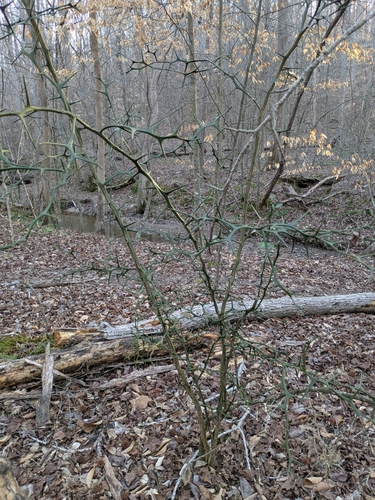
Do not plant. Listed invasive in Alabama.
Plant this instead
Choose your county to list local plants first.
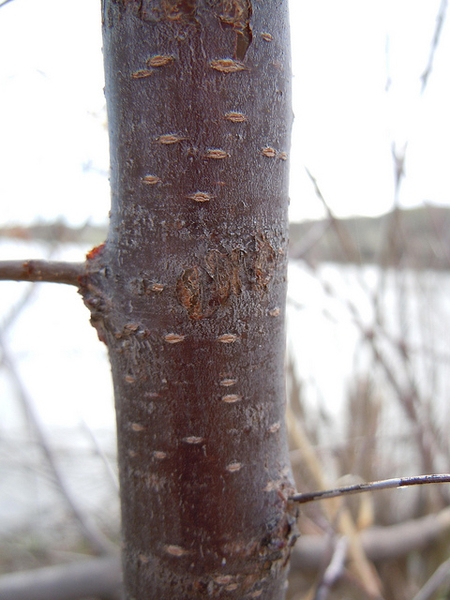
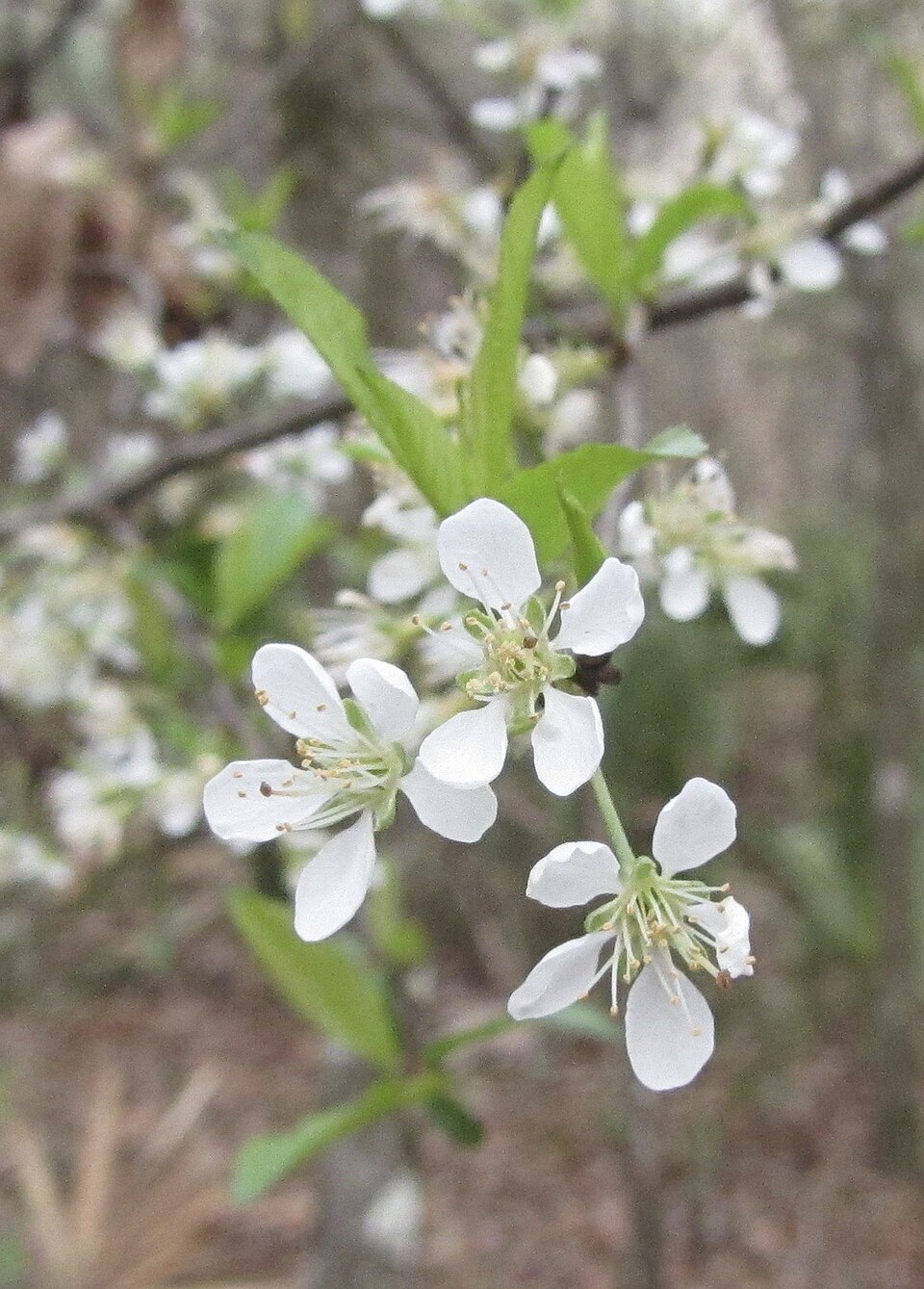
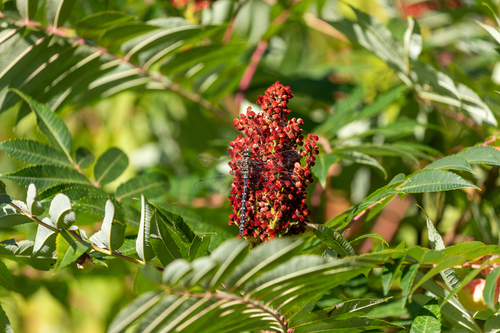
No recorded swaps for this county. Try the garden finder.
At a glance
- Life cycle
- Woody perennial
- Leaves
- Deciduous
- Bloom
- March to June
- Fruiting season
- September to October
Recorded in 38 Alabama counties.
Natural habitats
Places it grows wild. Not a planting requirement. Each habitat page lists the plants and wildlife also found there.
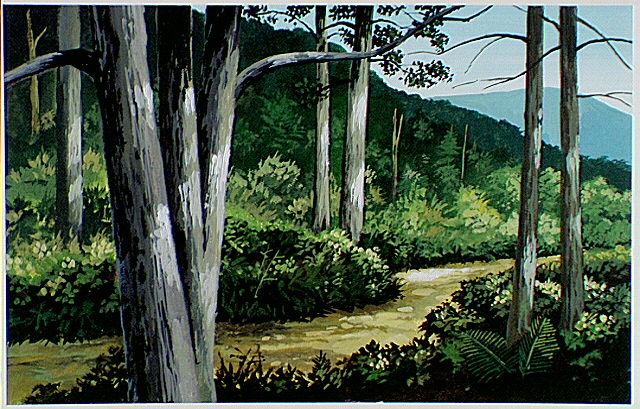
Floodplain and bottomland forests
Forests on low ground beside rivers and streams that flood from time to time.
Streams, rivers and their banks
Flowing water and its banks, bars and rocky shoals.
Places where groundwater keeps the soil or rock wet, such as seepage slopes and spring runs.
Roadsides, fields and disturbed ground
Ground opened by people: roadsides, old fields, pastures, fencerows and lots.
Also found with this plant
Wildlife whose habitat models include habitats this plant grows in, in Alabama. Shared habitat, not food. 89 animals.
- Hooded WarblerWilsonia citrina
- Kentucky WarblerOporornis formosus
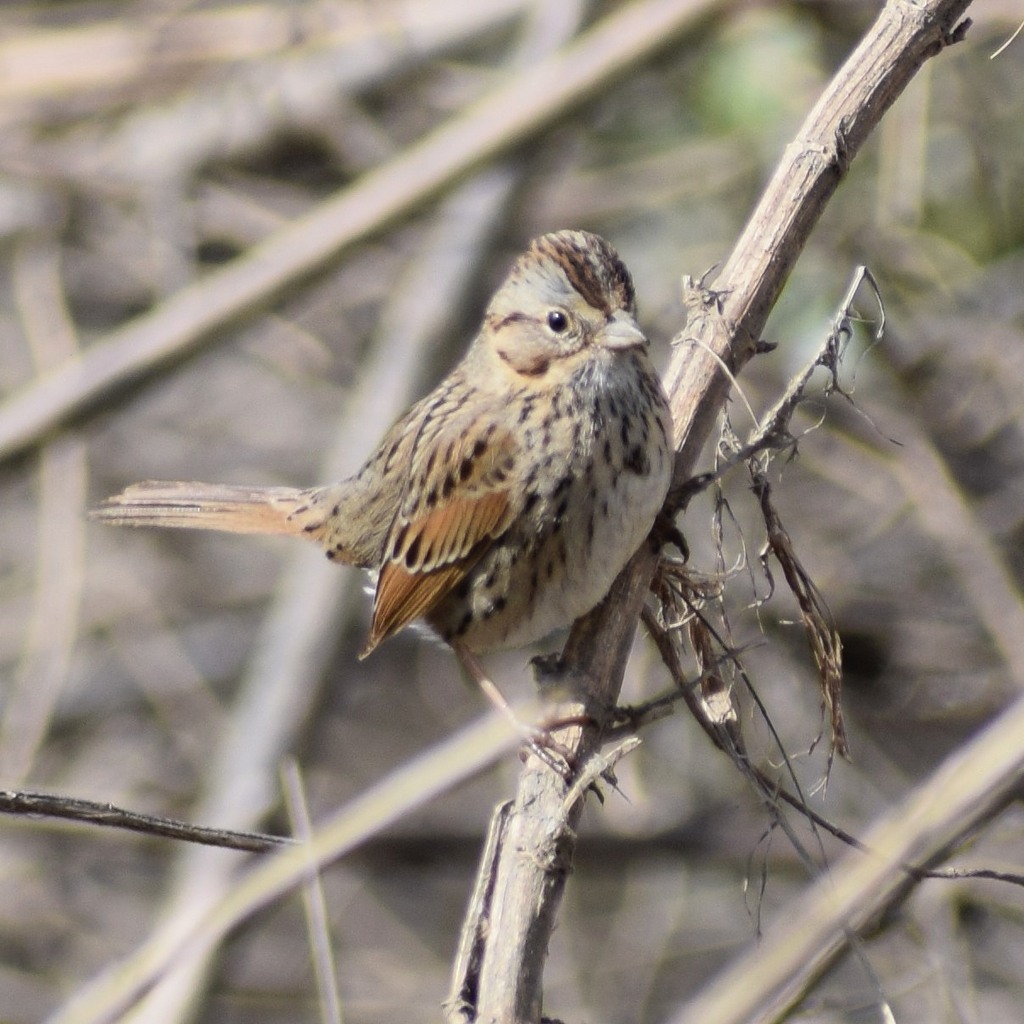
- Lincoln's SparrowMelospiza lincolnii
- Louisiana WaterthrushSeiurus motacilla
- Mourning DoveZenaida macroura
- Northern CardinalCardinalis cardinalis
- Northern FlickerColaptes auratus
- Northern MockingbirdMimus polyglottos
- Northern ParulaParula americana
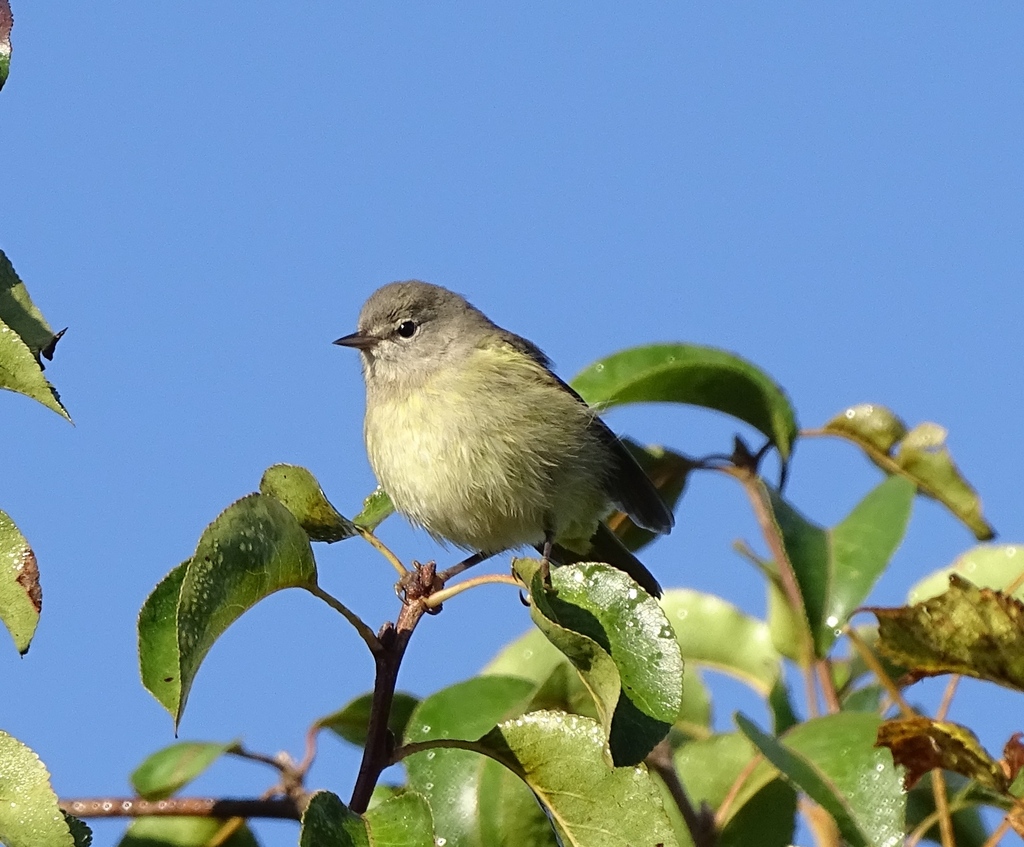
- Orange-crowned WarblerVermivora celata
- OspreyPandion haliaetus
- OvenbirdSeiurus aurocapilla
- Pileated WoodpeckerDryocopus pileatus
- Pine SiskinCarduelis pinus
- Purple FinchCarpodacus purpureus
- Red-bellied WoodpeckerMelanerpes carolinus
- Red-breasted NuthatchSitta canadensis
- Red-headed WoodpeckerMelanerpes erythrocephalus
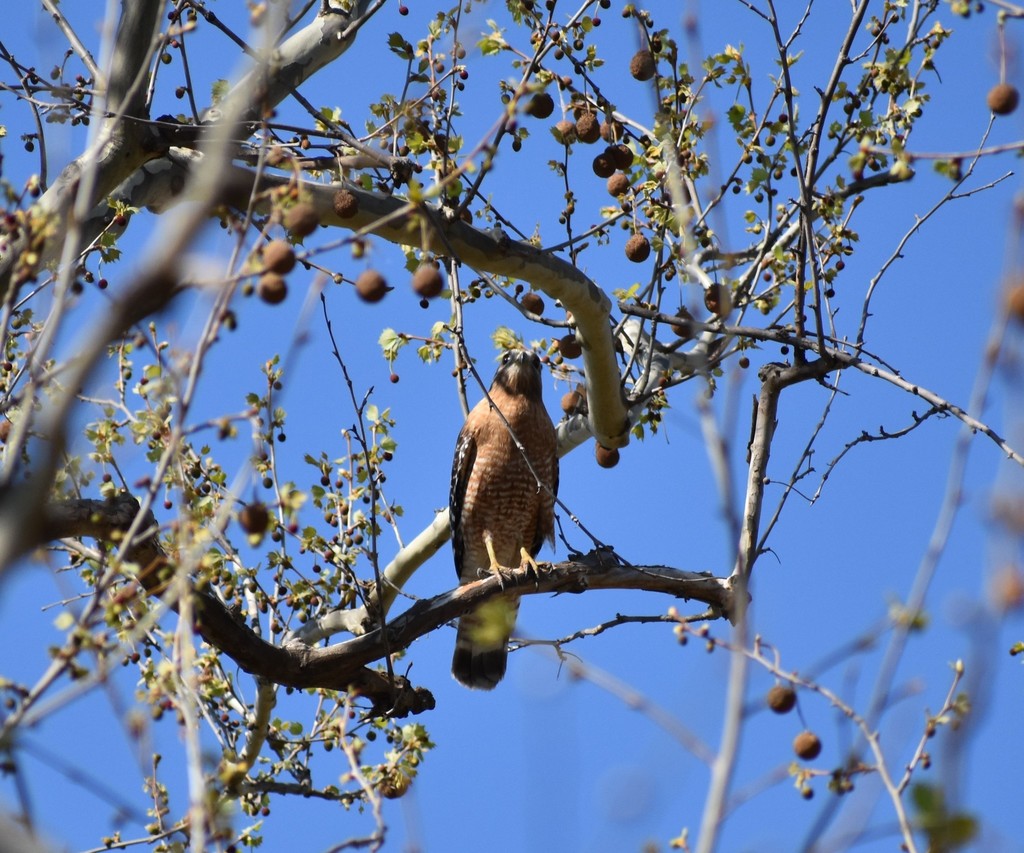
- Red-shouldered HawkButeo lineatus
- Red-tailed HawkButeo jamaicensis
- Red-winged BlackbirdAgelaius phoeniceus
- Ruby-crowned KingletRegulus calendula
- Ruby-throated HummingbirdArchilochus colubris
- Rusty BlackbirdEuphagus carolinus




















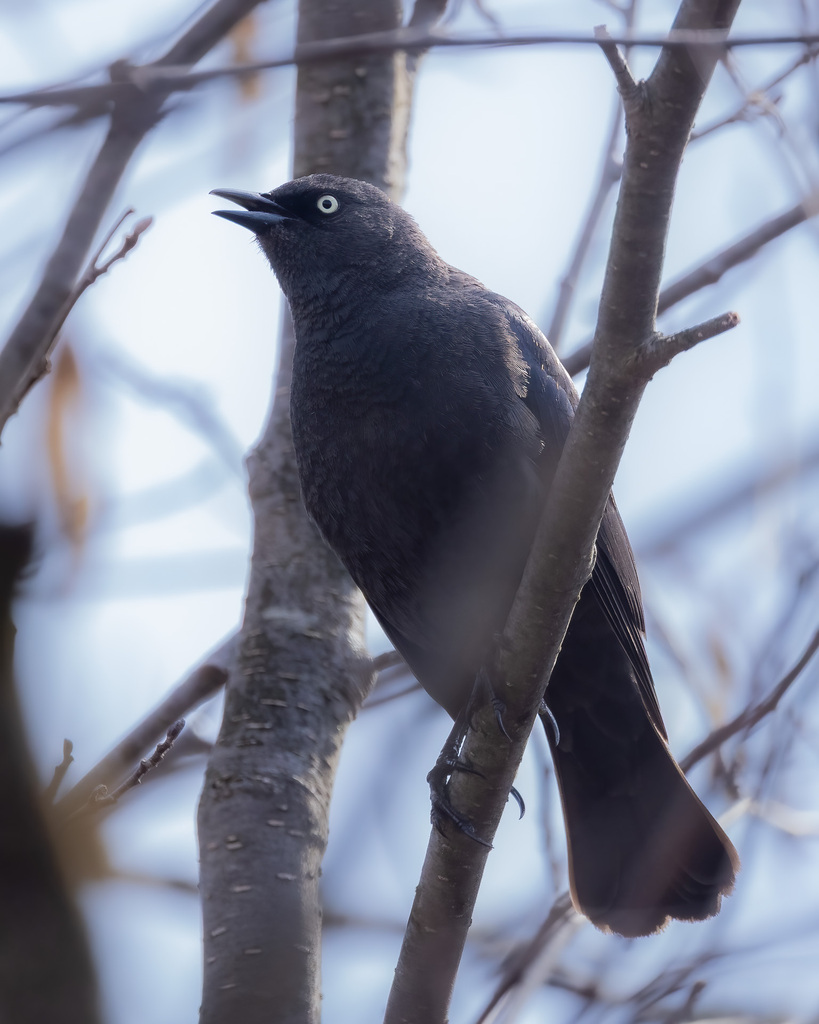
Who uses this plant?
 45CaterpillarsGenus host records with ranges including AL
Genus host records with ranges including AL · Citrus
- Acharia stimuleaSaddleback Caterpillar Moth
- Agrotis ipsilonIpsilon Dart, Black Cutworm, Greasy Cutworm
- Amphion floridensisNessus Sphinx
- Amyelois transitellaNavel Orangeworm
- Anatrachyntis badiaFlorida Pink Scavanger Caterpillar
- Anatrachyntis rileyiPink Scavanger Caterpillar
- Anavitrinella pampinariaCommon Gray, Cranberry Spanworm
- Archips argyrospilaFruit-Tree Leafroller Moth
- Argyrotaenia ivanaIvana Leafroller Moth
- Argyrotaenia kimballiKimball's Leafroller Moth
Show all 45
- Automeris ioIo Moth
- Clepsis peritanaGarden Tortrix
- Cryptothelea gloveriiOrange Bagworm
- Dichomeris citrifoliellaOrange Webworm Moth
- Estigmene acreaSalt Marsh Moth, Acrea Moth
- Euclea delphiniiSpiny Oak-Slug Moth
- Harrisina americanaGrapeleaf Skeletonizer Moth
- Helicoverpa zeaCorn Earworm Moth
- Homoeosoma electellaSunflower Moth
- Hypercompe scriboniaGiant Leopard Moth, Great Leopard Moth
- Hyphantria cuneaFall Webworm
- Hypocala andremonaHypocala Moth
- Megalopyge opercularisSouthern Flannel Moth, Puss Caterpillar
- Oiketicus abbotiiAbbot's Bagworm Moth
- Oxydia vesuliaSpurge Spanworm Moth
- Papilio cresphontesEastern Giant Swallowtail
- Phobetron pitheciumHag Moth, Monkey Slug
- Platynota flavedanaBlack-Shaded Platynota
- Platynota idaeusalisTufted Apple-Bud Moth
- Platynota rostranaOmnivorous Platynota
- Platynota stultanaOmnivorous Leafroller
- Prolimacodes badiaSkiff Moth, Skiff Caterpillar
- Sparganothis sulfureanaSparganothis Fruitworm Moth, Sulfur Leafroller, False Yellow-Head
- Spodoptera eridaniaSouthern Armyworm Moth
- Spodoptera frugiperdaFall Armyworm Moth
- Spodoptera latifasciaOrange-Striped Armyworm, Velvet Armyworm Moth
- Spodoptera ornithogalliYellow-Striped Armyworm Moth, Cotton Cutworm
- Tallula watsoniWatson's Tallula
- Thyridopteryx ephemeraeformisEvergreen Bagworm Moth
- Urodus parvulaBumelia Webworm
- Vanessa carduiPainted Lady, Cosmopolite
- Phidotricha erigens
- Prochalia pygmaea
- Tallula atrifascialis
- Zale fictilis
 —BeesSoutheastern regional records
 —Specialist beesPollen specialists
 1BirdsRecorded genus food-resource interactions; not a state feeding claim
Recorded genus food-resource interactions; not a state feeding claim · Citrus
- Zenaida asiaticaWhite-winged Dove
Direct food only: birds recorded eating this genus across North America. Caterpillars on host plants also feed nesting birds. NC Native Plant Society: butterfly gardening
Plant details
- Family
- Rutaceae
- Hardiness
- Zones 5a–9b
- Soil pH
- Acidic
- Flower color
- White
- Fruit begins
- September
- Fruit ends
- October
Safety has not been reviewed for this plant; check toxicity and thorns before planting.
Growing sources and scope
- Bloom · “March to June” · Weakley, Flora of the Southeastern United States (2025), Carolinas & Georgia edition · Carolinas and Georgia
- Flower color · “White” · NC Extension Plant Toolbox
- Fruit begins · “September” · Weakley, Flora of the Southeastern United States (2025), Carolinas & Georgia edition · Carolinas and Georgia
- Fruit ends · “October” · Weakley, Flora of the Southeastern United States (2025), Carolinas & Georgia edition · Carolinas and Georgia
- Hardiness · “Zones 5a–9b” · NC Extension Plant Toolbox
- Height · “8–20 feet” · NC Extension Plant Toolbox
- Leaves · “Deciduous” · NC Extension Plant Toolbox
- Life cycle · “Woody perennial” · NC Extension Plant Toolbox
- Light · “Full sun (6 or more hours of direct sunlight a day)” · NC Extension Plant Toolbox
- primary_flower_color · “white” · NC Extension Plant Toolbox
- Soil · “Dry; Moist; Wet (documented habitat)” · Weakley, Flora of the Southeastern United States (2025), Carolinas & Georgia edition · Carolinas and Georgia
- Soil pH · “Acidic” · NC Extension Plant Toolbox
- Spread · “6–15 feet” · NC Extension Plant Toolbox
Also known as
Poncirus trifoliata
Conservation status
| Alabama rank | SNA |
|---|---|
| Global rank | GNR |
| AL status | Not verified |
| Federal status | Not verified |
Sources
- Alabama Plant Atlas
- Alabama Invasive Plant Council list
- USDA PLANTS
- Weakley, Flora of the Southeastern United States (2025)
- NatureServe Explorer
- Shropshire & Tallamy 2025, Lepidoptera of North America north of Mexico, ZooKeys 1261 (ODbL)
- Noori, Seltmann & Orr 2026, A curated and integrated dataset for exploring global bee-plant interactions (GloBI), Zenodo, CC BY 4.0
- Smith, Bachelder, Russell, Morales, Mosher & Seltmann 2024, Bee-Specialization-Modeling v0.6.1 (specialist host table compiled from J. Fowler's pollen specialist bee lists), Zenodo, CC BY 4.0
- Hurlbert, Olsen, Sawyer & Winner 2021, Avian Diet Database, Scientific Data 8: 260 (CC0)
- Narango, Tallamy & Shropshire 2020, Few keystone plant genera support the majority of Lepidoptera species, Nature Communications