

Pink Turtlehead
Chelone lyonii
Found in cove forests, spruce-fir forests, balds, streambanks. Weakley, Flora of the Southeastern United States (2025), South Central edition What its natural habitat tells you
Native to Alabama. How scores work Is it native here?
Profile 100%
- Height
- 2–4 feet
- Spread
- 1.5–2.5 feet
- Light
- Dappled sunlight, Full sun, Partial shade
- Soil moisture
- Usually moist
Space about 2 ft apart from its recorded spread, about 25 per 100 sq ft. Enter your bed size for a count
Will it fit your yard?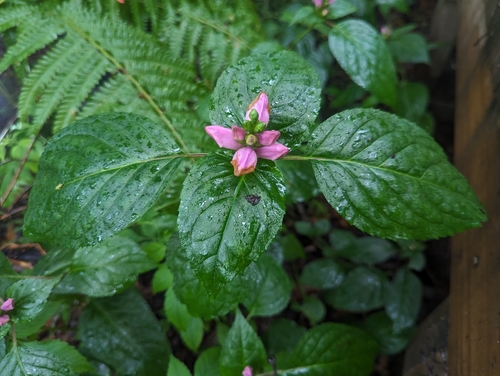
Rare or protected plant. Specialist conservation planting; excluded from routine garden suggestions. Plant caution source
Hidden from default planting suggestions. Wildlife value and native status remain unchanged.
At a glance
- Life cycle
- Perennial
- Leaves
- Deciduous
- Bloom
- July to September
- Fruiting season
- October
Recorded in 3 Alabama counties.
Natural habitats
Places it grows wild. Not a planting requirement. Each habitat page lists the plants and wildlife also found there.
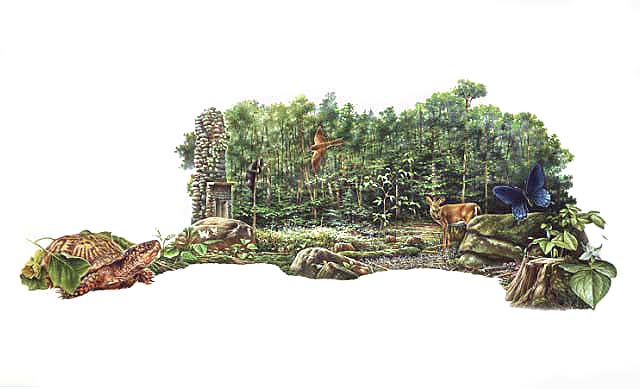
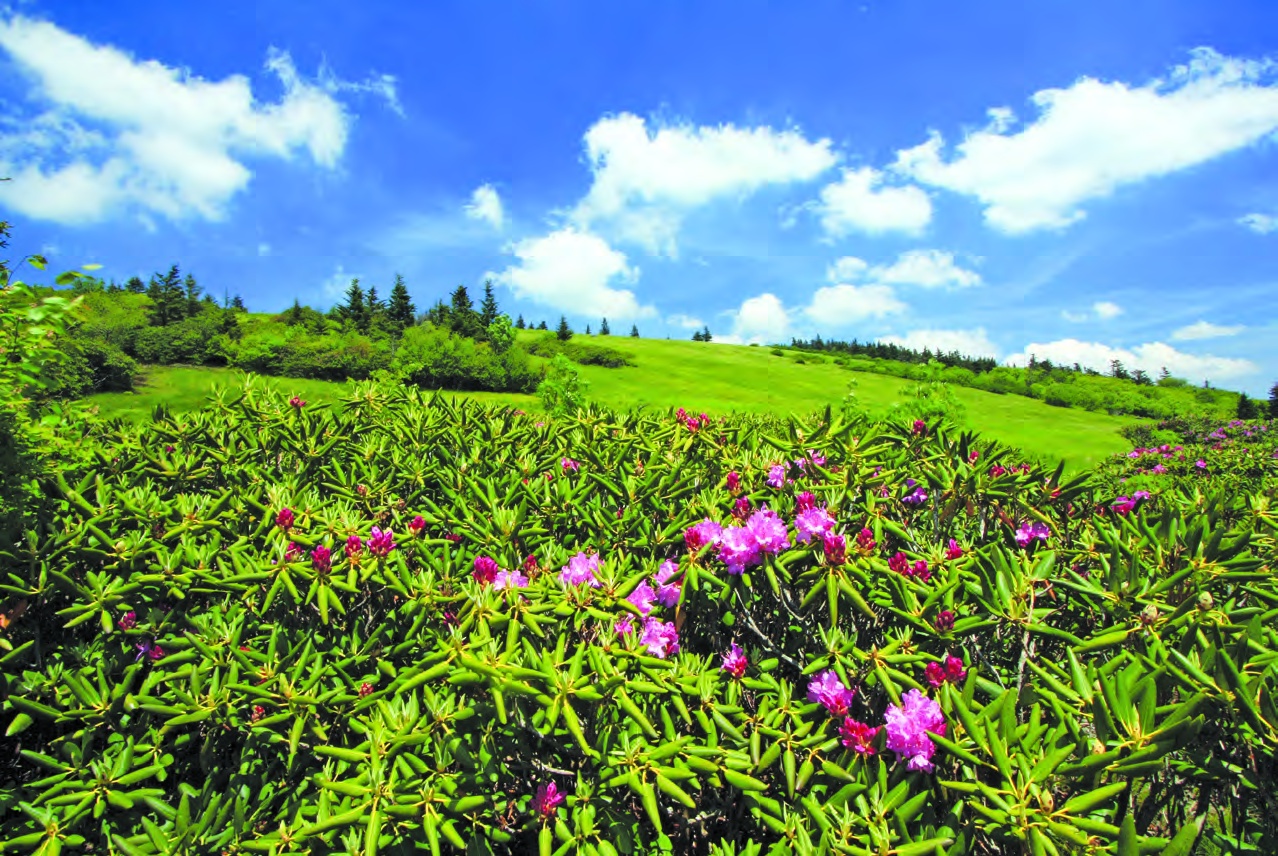
Streams, rivers and their banks
Flowing water and its banks, bars and rocky shoals.
Also found with this plant
Wildlife whose habitat models include habitats this plant grows in, in Alabama. Shared habitat, not food. 99 animals.
- Brown-headed CowbirdMolothrus ater
- Carolina ChickadeePoecile carolinensis
- Carolina WrenThryothorus ludovicianus
- Cedar WaxwingBombycilla cedrorum
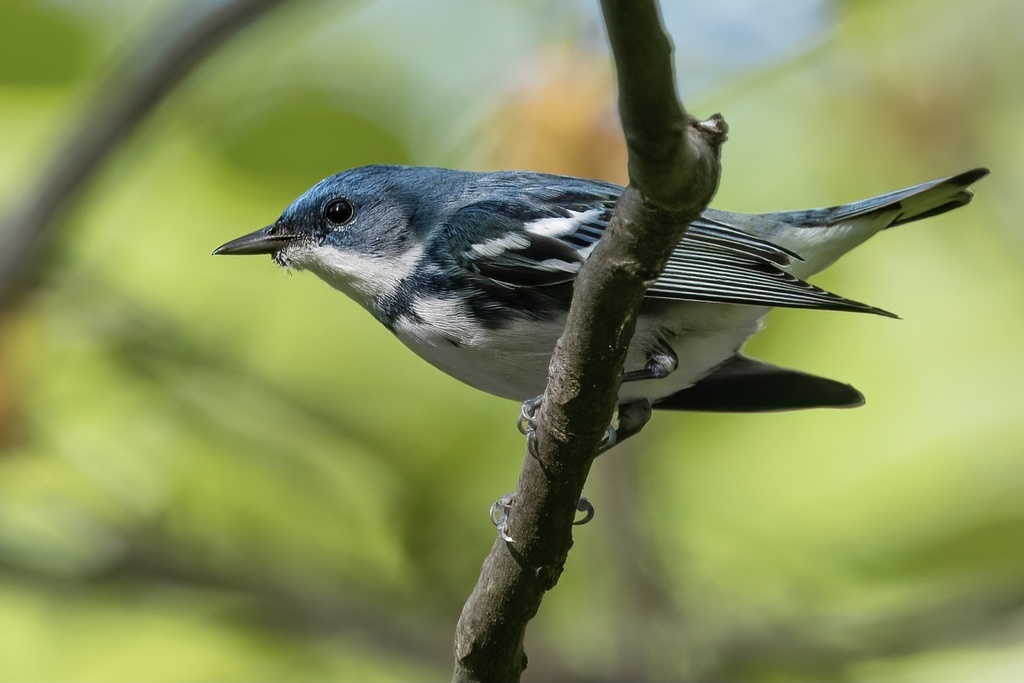
- Cerulean WarblerDendroica cerulea
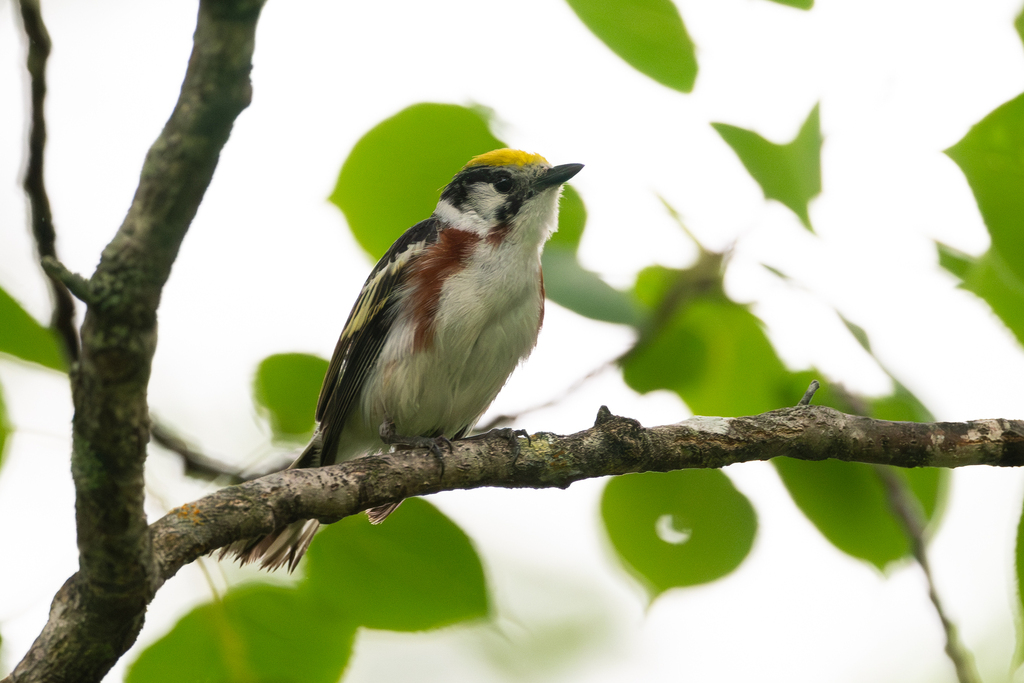
- Chestnut-sided WarblerDendroica pensylvanica
- Chimney SwiftChaetura pelagica
- Chipping SparrowSpizella passerina
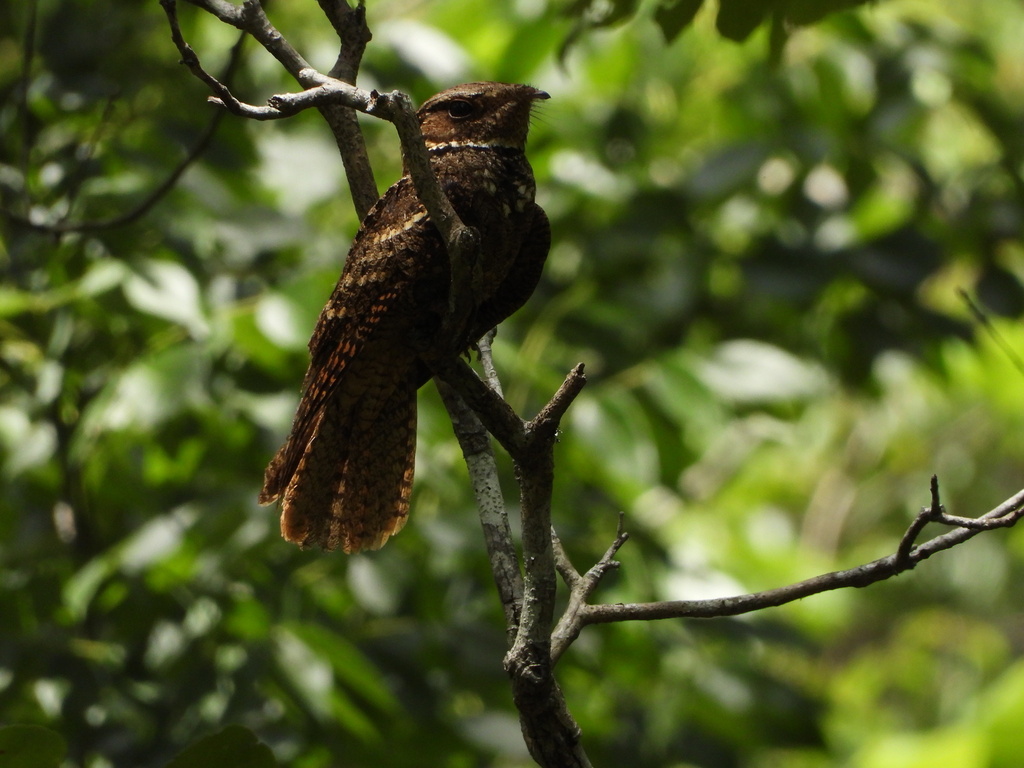
- Chuck-will's-widowCaprimulgus carolinensis
- Common GrackleQuiscalus quiscula
- Common NighthawkChordeiles minor
- Common YellowthroatGeothlypis trichas
- Cooper's HawkAccipiter cooperii
- Double-crested CormorantPhalacrocorax auritus
- Downy WoodpeckerPicoides pubescens
- Eastern BluebirdSialia sialis
- Eastern KingbirdTyrannus tyrannus
- Eastern Screech-owlMegascops asio
- Eastern TowheePipilo erythrophthalmus
- Eastern Wood-peweeContopus virens
- Eurasian Collared-doveStreptopelia decaocto
- European StarlingSturnus vulgaris
- Fish CrowCorvus ossifragus
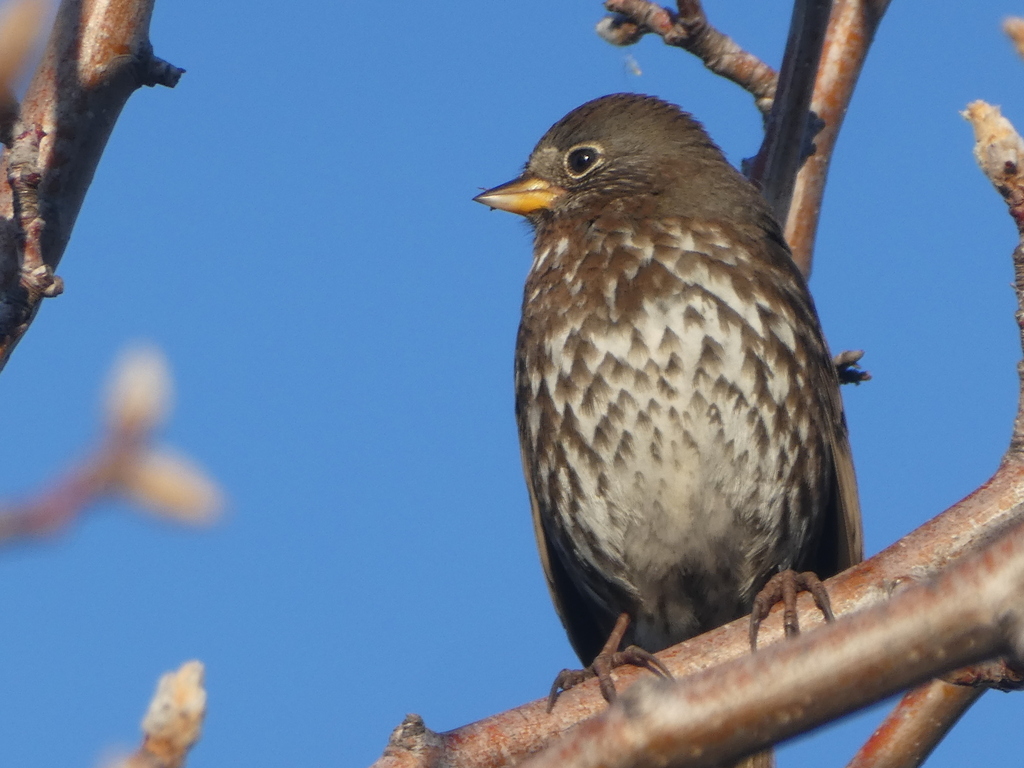
- Fox SparrowPasserella iliaca




















Who uses this plant?
 3CaterpillarsGenus host records with ranges including AL
Genus host records with ranges including AL · Chelone
- Euphydryas phaetonBaltimore Checkerspot
- Cepphis armatariaScallop Moth
- Endothenia hebesanaVerbena Bud Moth
 3BeesSoutheastern regional records
Southeastern regional records · Chelone
Individual names are not available yet.
Noori, Seltmann & Orr 2026, A curated and integrated dataset for exploring global bee-plant interactions (GloBI), Zenodo, CC BY 4.0 0Specialist beesPollen specialists
 —BirdsRecorded genus food-resource interactions; not a state feeding claim
No records yet · Ants · Beetles · Flies · Adult butterflies / moths · Other wasps · Other insects
Plant details
- Family
- Plantaginaceae
- Hardiness
- Zones 3a–8b
- Soil pH
- Neutral
- Flower color
- Yellow, pink or purple
- Fruit begins
- October
- Fruit ends
- October
Growing sources and scope
- Bloom · “July to September” · Weakley, Flora of the Southeastern United States (2025), Carolinas & Georgia edition · Carolinas and Georgia
- Flower color · “Yellow, pink or purple” · NC Extension Plant Toolbox
- Fruit begins · “October” · Weakley, Flora of the Southeastern United States (2025), Carolinas & Georgia edition · Carolinas and Georgia
- Fruit ends · “October” · Weakley, Flora of the Southeastern United States (2025), Carolinas & Georgia edition · Carolinas and Georgia
- Hardiness · “Zones 3a–8b” · NC Extension Plant Toolbox
- Height · “2–4 feet” · NC Extension Plant Toolbox
- Leaves · “Deciduous” · NC Extension Plant Toolbox
- Life cycle · “Perennial” · NC Extension Plant Toolbox
- Light · “Dappled sunlight (shade through upper canopy all day); Full sun (6 or more hours of direct sunlight a day); Partial shade (direct sunlight only part of the day, 2-6 hours)” · NC Extension Plant Toolbox (ranked first; Tennessee Smart Yards differs)
- Soil · “Moist; Occasionally wet” · NC Extension Plant Toolbox (ranked first; Tennessee Smart Yards differs)
- Soil pH · “Neutral” · NC Extension Plant Toolbox
- Spread · “1.5–2.5 feet” · NC Extension Plant Toolbox
Also known as
Appalachian Turtlehead
Conservation status
| Alabama rank | S1 |
|---|---|
| Global rank | G4 |
| AL status | Not verified |
| Federal status | Not verified |
Will it fit your yard?
Check this plant against your county, sun and soil moisture. Conditions are checked in your browser.
Growing cautions
- Self-seeds. May self-seed in moist soils. Tennessee Smart Yards
For planning only; these do not change the score or Fit.
Sources
- Alabama Plant Atlas
- USDA PLANTS
- Vascular Plants of North Carolina (NC Natural Heritage Program)
- Weakley, Flora of the Southeastern United States (2025), Carolinas & Georgia edition
- NatureServe Explorer
- Shropshire & Tallamy 2025, Lepidoptera of North America north of Mexico, ZooKeys 1261 (ODbL)
- Noori, Seltmann & Orr 2026, A curated and integrated dataset for exploring global bee-plant interactions (GloBI), Zenodo, CC BY 4.0
- Smith, Bachelder, Russell, Morales, Mosher & Seltmann 2024, Bee-Specialization-Modeling v0.6.1 (specialist host table compiled from J. Fowler's pollen specialist bee lists), Zenodo, CC BY 4.0
- Hurlbert, Olsen, Sawyer & Winner 2021, Avian Diet Database, Scientific Data 8: 260 (CC0)
- Narango, Tallamy & Shropshire 2020, Few keystone plant genera support the majority of Lepidoptera species, Nature Communications