

Dwarf Hackberry
Celtis tenuifolia
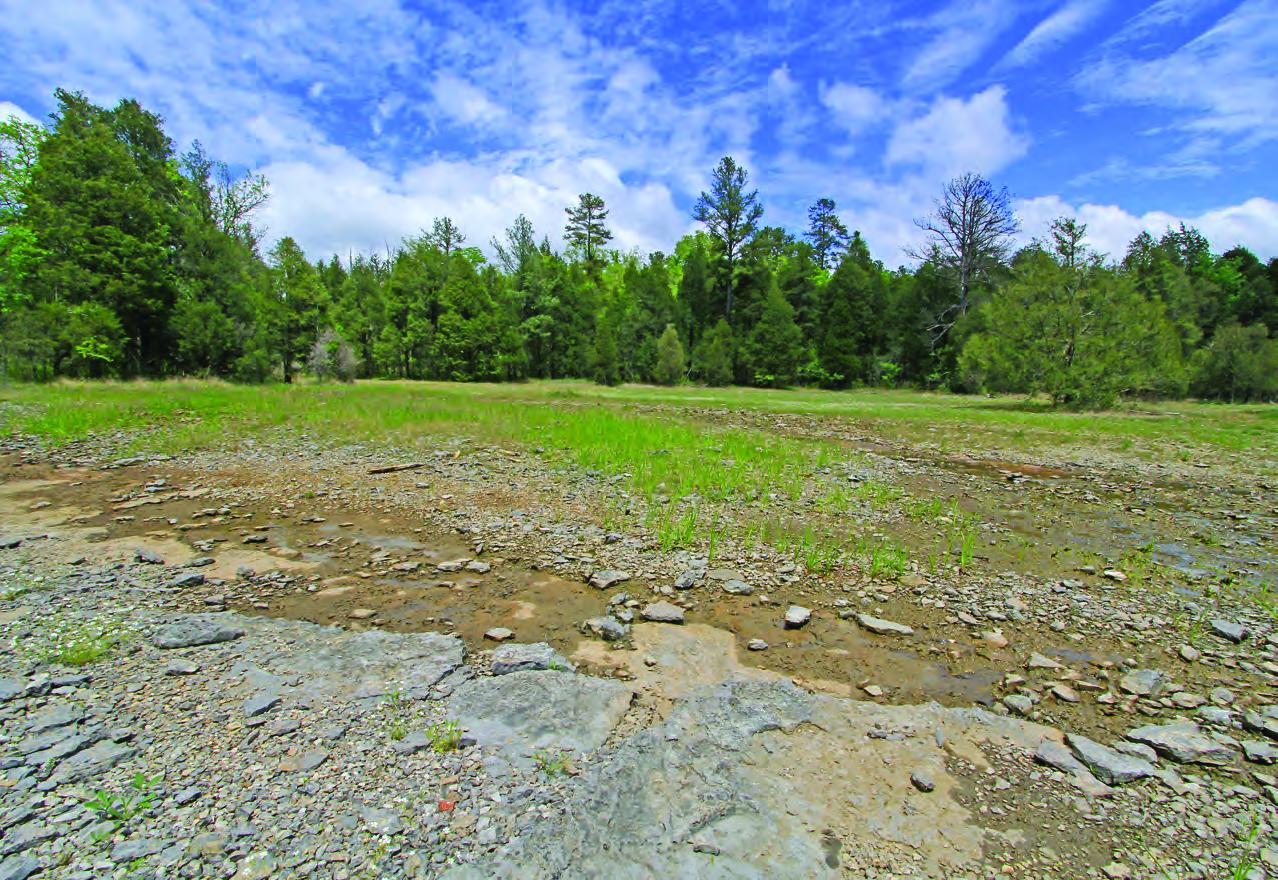
Found in dry to moist glades, outcrops, barrens, woodlands, exposed bluffs, stream banks, and disturbed areas, often over calcareous substrate. Weakley, Flora of the Southeastern United States (2025), South Central edition What its natural habitat tells you
Native to Alabama. How scores work Is it native here?
Profile 100%
- Height
- 6–36 feet
- Spread
- 8–15 feet
- Light
- Full sun, Partial shade
- Soil moisture
- Somewhat dry to moist
Space about 11.5 ft apart from its recorded spread. Enter your bed size for a count
Will it fit your yard?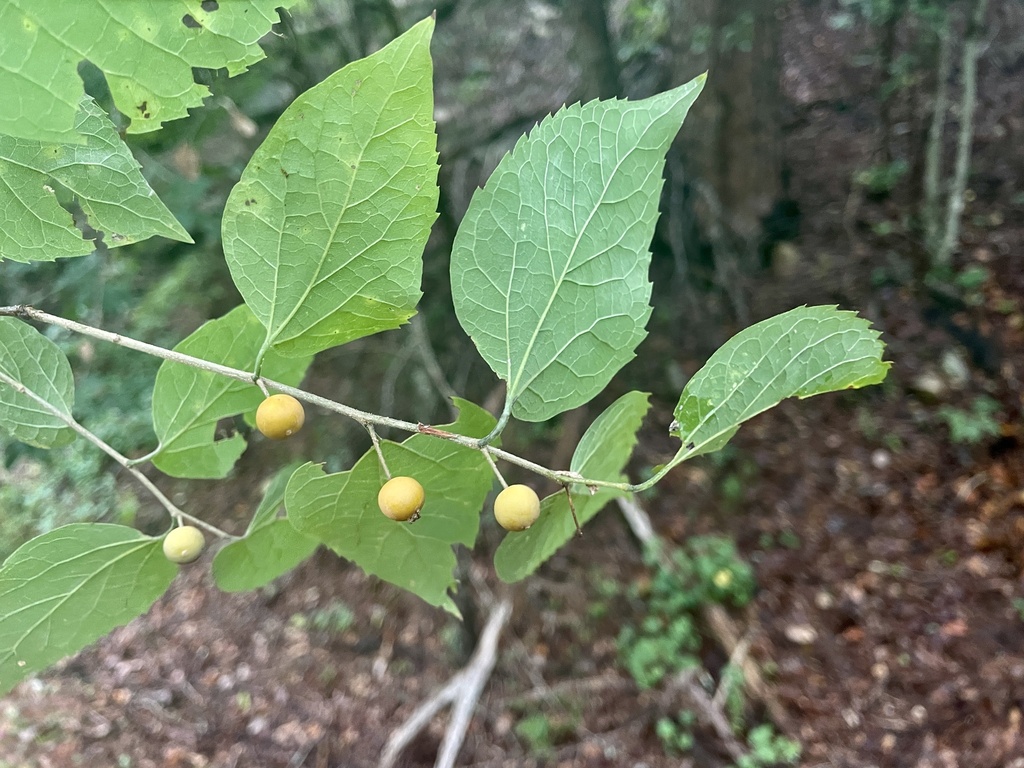
At a glance
- Life cycle
- Woody perennial
- Leaves
- Deciduous or semi-evergreen
- Bloom
- April to May
- Fruiting season
- August to October
Recorded in 58 Alabama counties.
Natural habitats
Places it grows wild. Not a planting requirement. Each habitat page lists the plants and wildlife also found there.
Glades, barrens and outcrops on limestone

Streams, rivers and their banks
Flowing water and its banks, bars and rocky shoals.
Roadsides, fields and disturbed ground
Ground opened by people: roadsides, old fields, pastures, fencerows and lots.
Also found with this plant
Wildlife whose habitat models include habitats this plant grows in, in Alabama. Shared habitat, not food. 75 animals.
- Double-crested CormorantPhalacrocorax auritus
- Downy WoodpeckerPicoides pubescens
- Eastern BluebirdSialia sialis
- Eastern KingbirdTyrannus tyrannus
- Eastern PhoebeSayornis phoebe
- Eastern Screech-owlMegascops asio
- Eastern TowheePipilo erythrophthalmus
- Eurasian Collared-doveStreptopelia decaocto
- European StarlingSturnus vulgaris
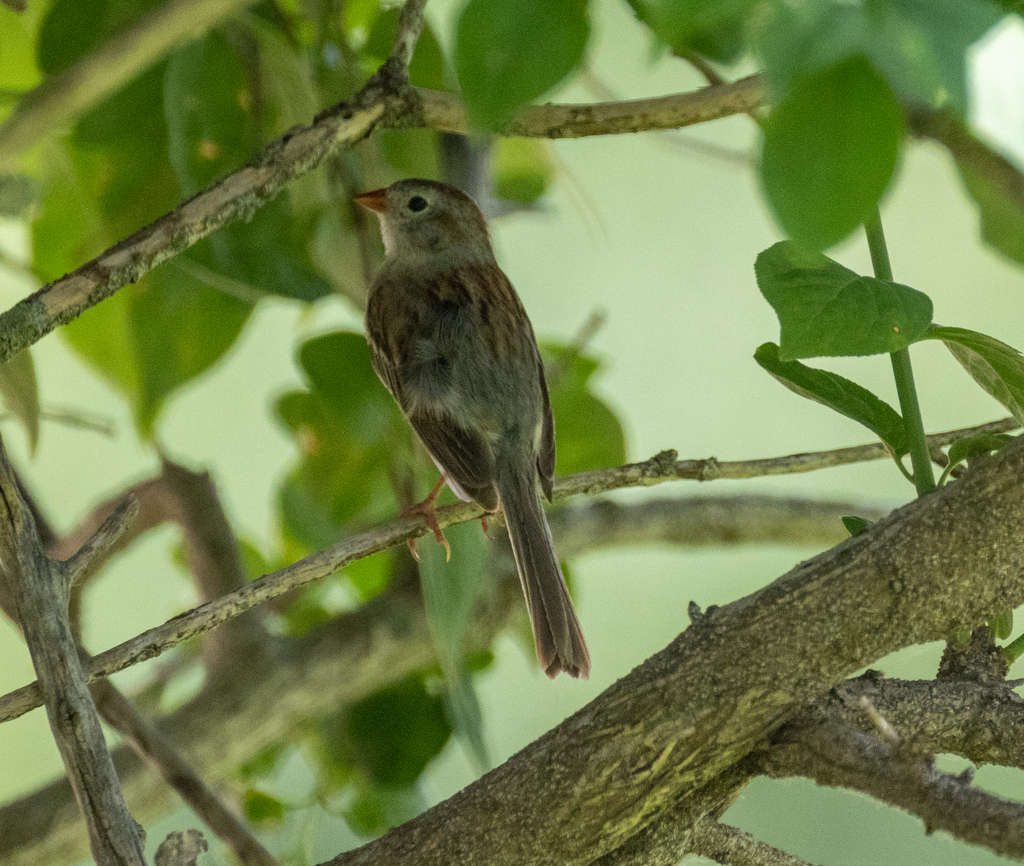
- Field SparrowSpizella pusilla
- Fish CrowCorvus ossifragus
- Golden-crowned KingletRegulus satrapa
- Great Crested FlycatcherMyiarchus crinitus
- Great Horned OwlBubo virginianus
- Hairy WoodpeckerPicoides villosus
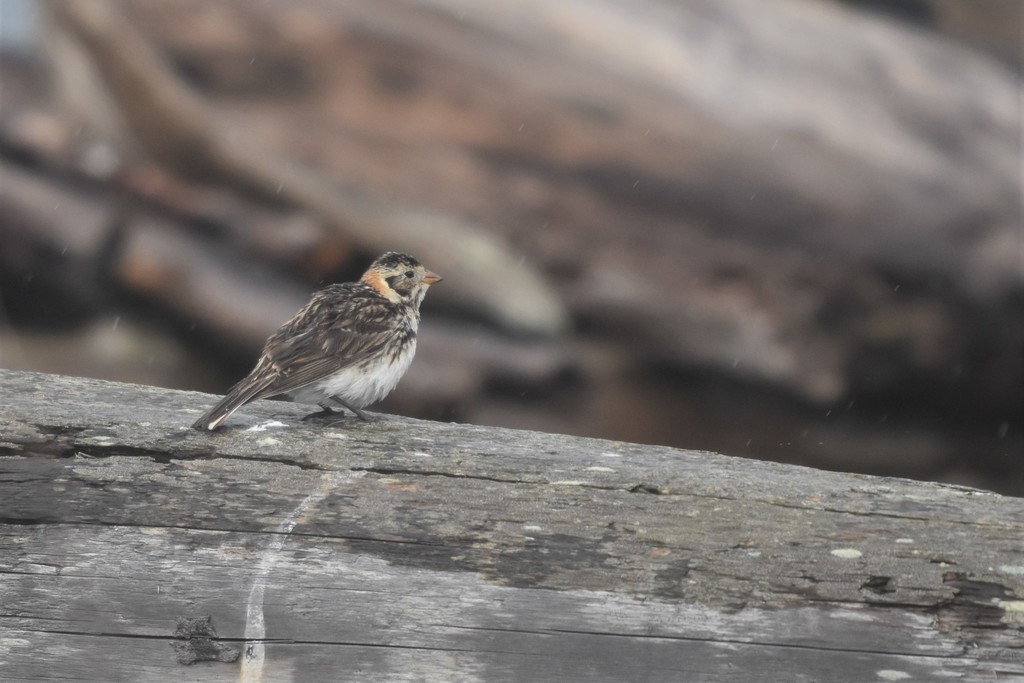
- Lapland LongspurCalcarius lapponicus
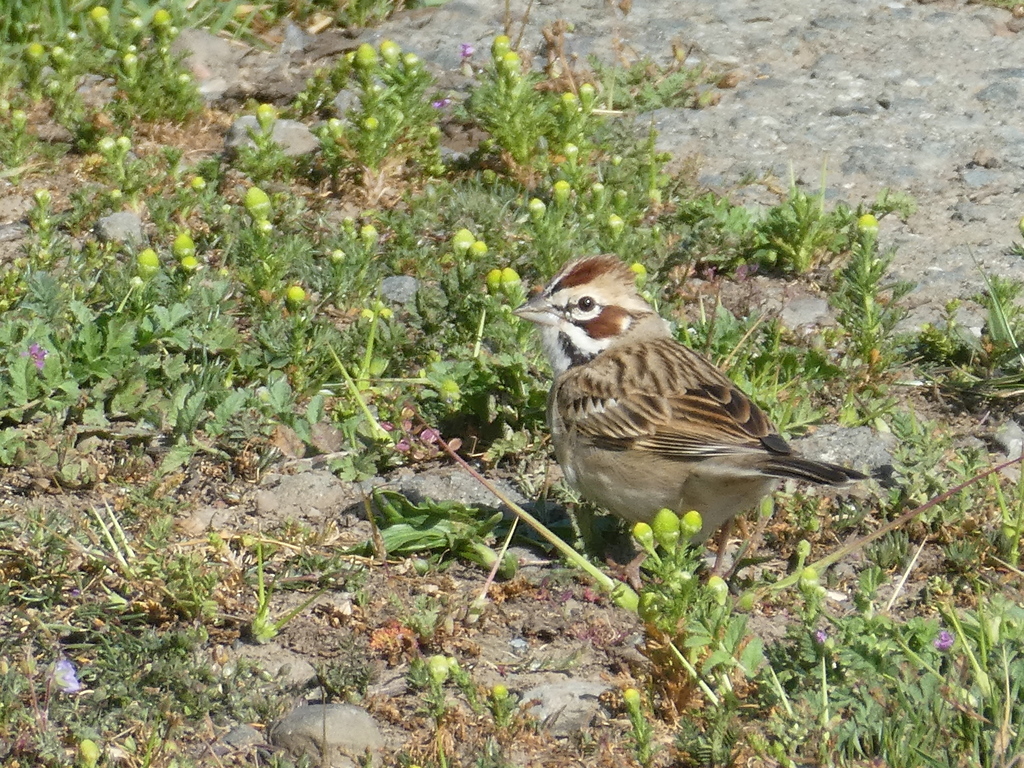
- Lark SparrowChondestes grammacus
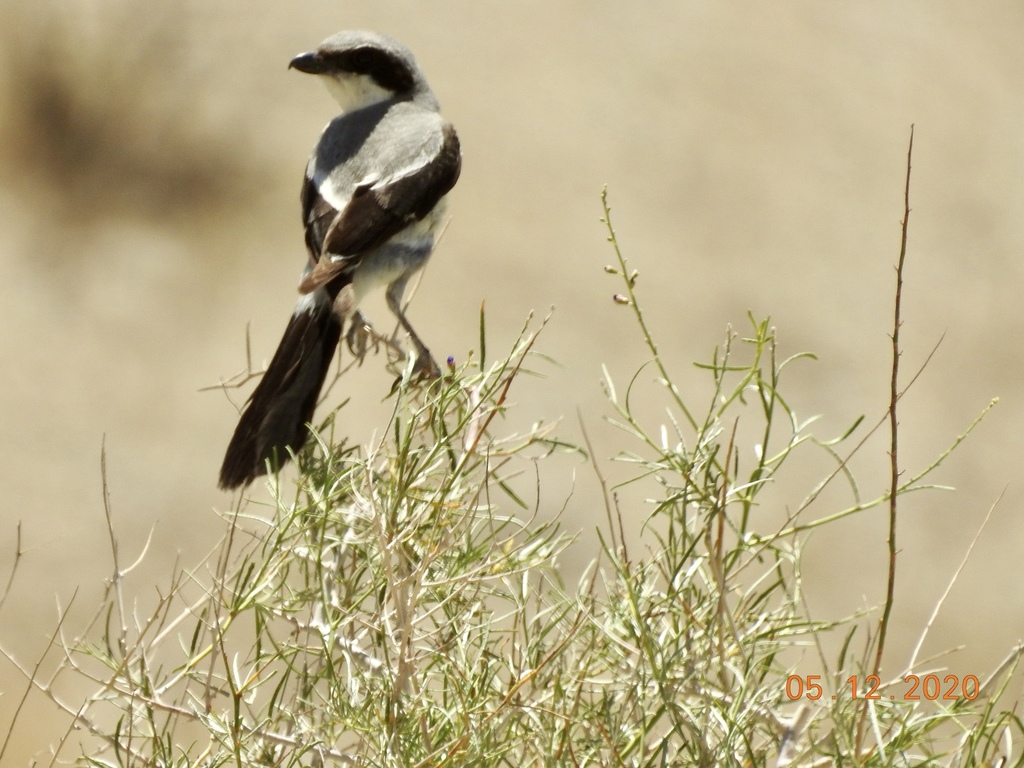
- Loggerhead ShrikeLanius ludovicianus
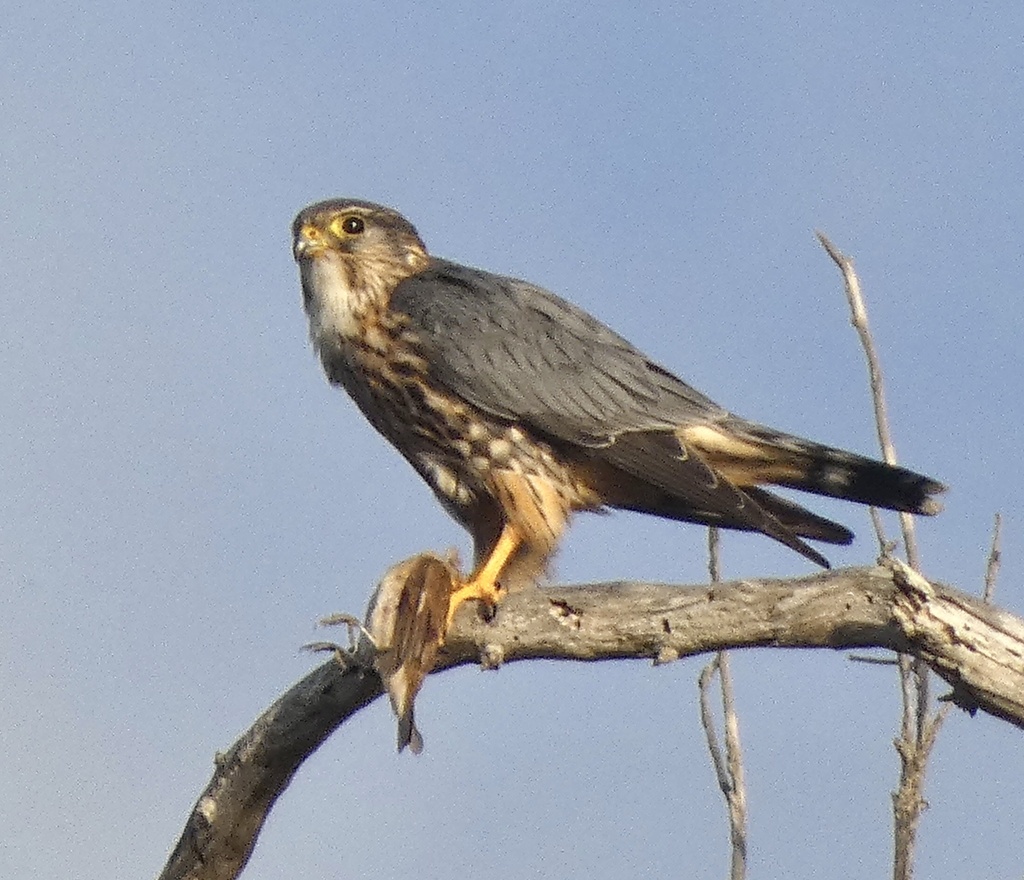
- MerlinFalco columbarius
- Mourning DoveZenaida macroura
- Northern BobwhiteColinus virginianus
- Northern FlickerColaptes auratus
- Northern MockingbirdMimus polyglottos
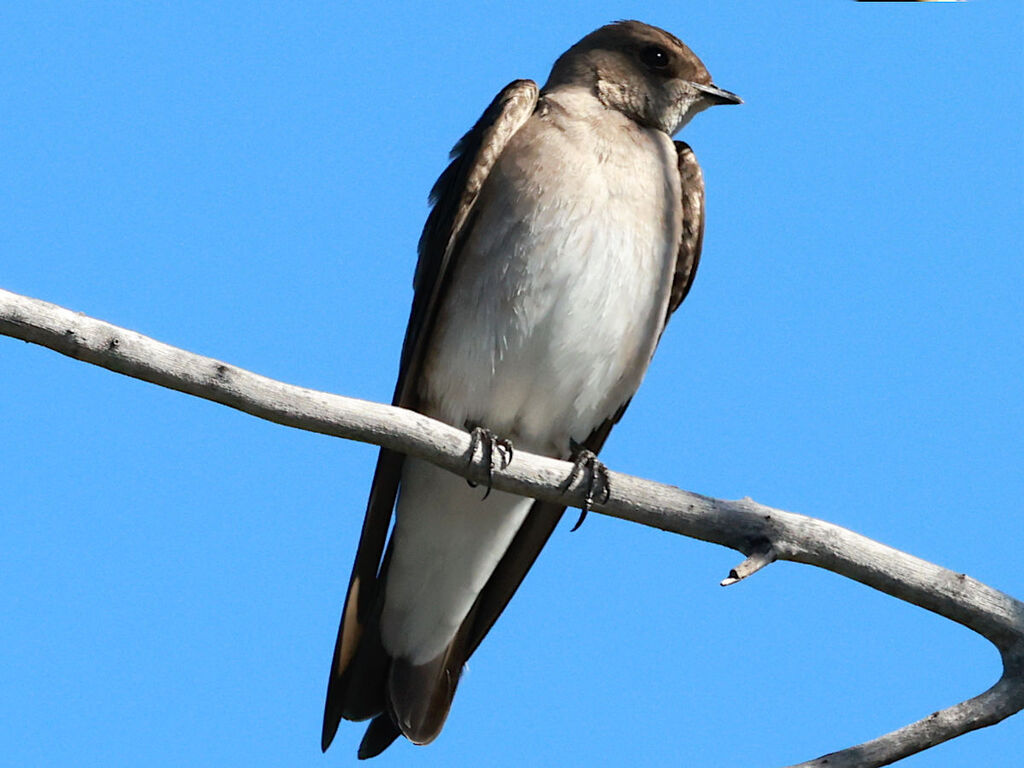
- Northern Rough-winged SwallowStelgidopteryx serripennis


















Who uses this plant?
 50CaterpillarsGenus host records with ranges including AL
Genus host records with ranges including AL · Celtis
- Asterocampa celtisHackberry Emperor
- Automeris ioIo Moth
- Nymphalis antiopaMourning Cloak
- Polygonia interrogationisQuestion Mark
- Acharia stimuleaSaddleback Caterpillar Moth
- Acronicta rubricomaRuddy Dagger, Hackberry Dagger
- Alsophila pometariaFall Cankerworm Moth
- Amphipyra pyramidoidesMiranda Underwing, Copper Underwing, Copper Amphipyra
- Asterocampa clytonTawny Emperor
- Biston betulariaSalt-and-Pepper Geometer, Cleft-Headed Looper
Show all 50
- Catocala sordidaSordid Underwing
- Choristoneura rosaceanaOblique-Banded Leafroller Moth, Rosaceous Leaf Roller
- Cryptothelea gloveriiOrange Bagworm
- Digrammia continuataCurve-Lined Angle
- Ecdytolopha manaBicolored Ecdytolopha
- Euclea delphiniiSpiny Oak-Slug Moth
- Euplexia benesimilisAmerican Angle Shades
- Eupsilia vinulentaStraight-Toothed Sallow
- Halysidota tessellarisBanded Tussock Moth, Pale Tiger Moth
- Hyalophora cecropiaCecropia Silkmoth, Cecropia Moth
- Hypena scabraGreen Cloverworm Bomolocha, Black Snout
- Hyphantria cuneaFall Webworm
- Isogona tenuisThin-Lined Owlet
- Isturgia dislocariaPale-Veined Isturgia, Pale-Veined Econista
- Kocakina fidelisIntractable Quaker, Green Fruitworm, Fourlined Green Fruitworm
- Libytheana carinentaAmerican Snout [subspecies: Eastern Snout Butterfly]
- Megalopyge crispataBlack-Waved Flannel Moth, Crinkled Flannel Moth
- Megalopyge opercularisSouthern Flannel Moth, Puss Caterpillar
- Megalopyge pyxidiferaYellow Flannel Moth
- Melanolophia canadariaCanadian Melanolphia, Variable Redmarked Looper
- Norape cretataWhite Flannel Moth
- Oiketicus abbotiiAbbot's Bagworm Moth
- Orgyia definitaDefinite Tussock Moth
- Orgyia leucostigmaWhite-Marked Tussock Moth
- Paleacrita vernataSpring Cankerworm Moth
- Phigalia strigatariaSmall Phigalia, Small Oak Looper
- Phyllodesma americanaLappet Moth, American Lappet Moth, Southern Lappet Moth
- Polygonia commaEastern Comma
- Prionoxystus robiniaeCarpenterworm Moth, Black Locust Borer, Cottonwood Borer
- Rifargia subrotataSmall Heterocampa
- Schizura ipomaeaeMorning-Glory Prominent, Checkered-Fringe Prominent
- Sciota celtidellaHackberry Leafroller
- Sciota rubrisparsellaRed-Splashed Leafroller
- Sericaglaea signataVariable Sallow
- Sparganothis pulcherrimanaBeautiful Sparganothis Moth
- Sphinx drupiferarumWild Cherry Sphinx
- Spodoptera frugiperdaFall Armyworm Moth
- Tallula watsoniWatson's Tallula
- Thyridopteryx ephemeraeformisEvergreen Bagworm Moth
- Phyllonorycter celtifoliella
 0BeesSoutheastern regional records
 0Specialist beesPollen specialists
 21BirdsRecorded genus food-resource interactions; not a state feeding claim
Recorded genus food-resource interactions; not a state feeding claim · Celtis
- Cardinalis cardinalisNorthern Cardinal
- Sialia sialisEastern Bluebird
- Turdus migratoriusAmerican Robin
- Catharus fuscescensVeery
- Catharus guttatusHermit Thrush
- Catharus ustulatusSwainson's Thrush
- Colinus virginianusNorthern Bobwhite
- Corvus brachyrhynchosAmerican Crow
- Cyrtonyx montezumaeMontezuma Quail
- Leptotila verreauxiWhite-tipped Dove
Show all 21
- Melanerpes carolinusRed-bellied Woodpecker
- Melozone fuscaCanyon Towhee
- Myadestes townsendiTownsend's Solitaire
- Oreortyx pictusMountain Quail
- Ortalis vetulaPlain Chachalaca
- Sturnus vulgarisEuropean Starling
- Toxostoma curvirostreCurve-billed Thrasher
- Toxostoma longirostreLong-billed Thrasher
- Toxostoma rufumBrown Thrasher
- Zenaida asiaticaWhite-winged Dove
- Zenaida macrouraMourning Dove
Direct food only: birds recorded eating this genus across North America. Caterpillars on host plants also feed nesting birds. NC Native Plant Society: butterfly gardening
No records yet · Ants · Beetles · Flies · Adult butterflies / moths · Other wasps · Other insects
Plant details
- Family
- Cannabaceae
- Hardiness
- Zones 5a–9b
- Soil pH
- Acidic to alkaline
- Flower color
- Green, orange, red or white
- Fruit begins
- August
- Fruit ends
- October
Safety has not been reviewed for this plant; check toxicity and thorns before planting.
Growing sources and scope
- Bloom · “April to May” · Weakley, Flora of the Southeastern United States (2025), Carolinas & Georgia edition · Carolinas and Georgia
- Flower color · “Green, orange, red or white” · NC Extension Plant Toolbox
- Fruit begins · “August” · Weakley, Flora of the Southeastern United States (2025), Carolinas & Georgia edition · Carolinas and Georgia
- Fruit ends · “October” · Weakley, Flora of the Southeastern United States (2025), Carolinas & Georgia edition · Carolinas and Georgia
- Hardiness · “Zones 5a–9b” · NC Extension Plant Toolbox
- Height · “6–36 feet” · NC Extension Plant Toolbox
- Leaves · “Deciduous or semi-evergreen” · NC Extension Plant Toolbox
- Life cycle · “Woody perennial” · NC Extension Plant Toolbox
- Light · “Full sun (6 or more hours of direct sunlight a day); Partial shade (direct sunlight only part of the day, 2-6 hours)” · NC Extension Plant Toolbox
- Soil · “Moist; Occasionally dry; Occasionally wet” · NC Extension Plant Toolbox
- Soil pH · “Acidic to alkaline” · NC Extension Plant Toolbox
- Spread · “8–15 feet” · NC Extension Plant Toolbox
Also known as
Celtis occidentalis var. georgiana; Celtis tenuifolia; Georgia Hackberry
Conservation status
| Alabama rank | SNR |
|---|---|
| Global rank | G5 |
| AL status | Not verified |
| Federal status | Not verified |
Will it fit your yard?
Check this plant against your county, sun and soil moisture. Conditions are checked in your browser.
Sources
- Alabama Plant Atlas
- USDA PLANTS
- Vascular Plants of North Carolina (NC Natural Heritage Program)
- Weakley, Flora of the Southeastern United States (2025)
- Shropshire & Tallamy 2025, Lepidoptera of North America north of Mexico, ZooKeys 1261 (ODbL)
- Noori, Seltmann & Orr 2026, A curated and integrated dataset for exploring global bee-plant interactions (GloBI), Zenodo, CC BY 4.0
- Smith, Bachelder, Russell, Morales, Mosher & Seltmann 2024, Bee-Specialization-Modeling v0.6.1 (specialist host table compiled from J. Fowler's pollen specialist bee lists), Zenodo, CC BY 4.0
- Hurlbert, Olsen, Sawyer & Winner 2021, Avian Diet Database, Scientific Data 8: 260 (CC0)
- Narango, Tallamy & Shropshire 2020, Few keystone plant genera support the majority of Lepidoptera species, Nature Communications