

Small Beggarticks
Bidens discoidea
Found in floodplain forests, marshes. Weakley, Flora of the Southeastern United States (2025), South Central edition What its natural habitat tells you
Native to Alabama. How scores work Is it native here?
Profile 100%
- Height
- About 5.2 feet
- Light
- Part shade
- Soil moisture
- Moist to standing water
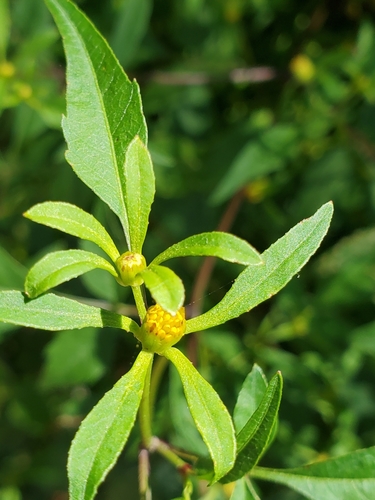
At a glance
- Life cycle
- Annual
- Bloom
- August to November
- Fruiting season
- Fall
Not yet recorded · Spread · Leaves
Recorded in 30 Alabama counties.
Natural habitats
Places it grows wild. Not a planting requirement. Each habitat page lists the plants and wildlife also found there.

Floodplain and bottomland forests
Forests on low ground beside rivers and streams that flood from time to time.
Also found with this plant
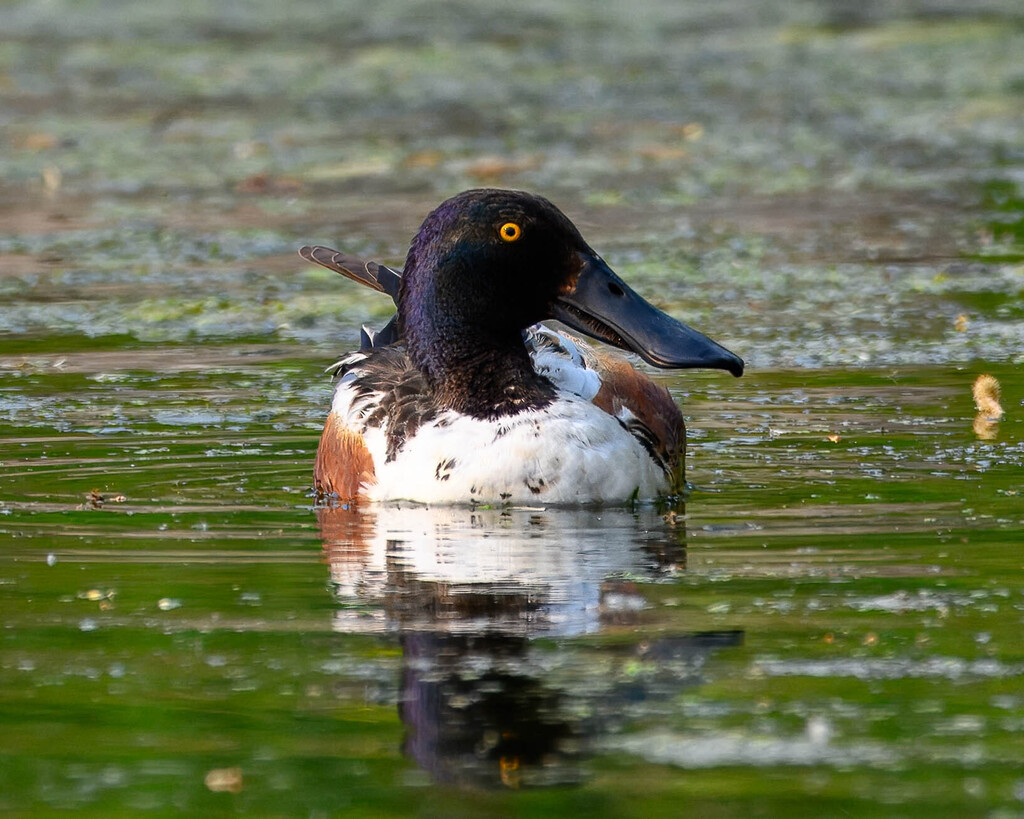
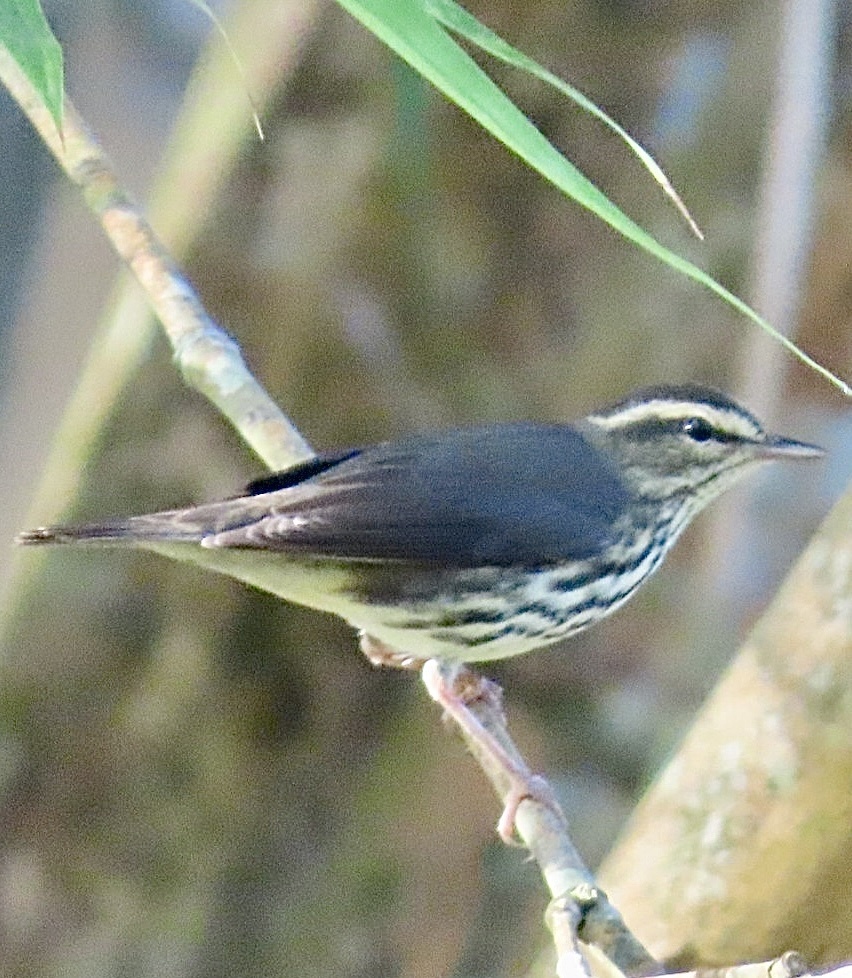
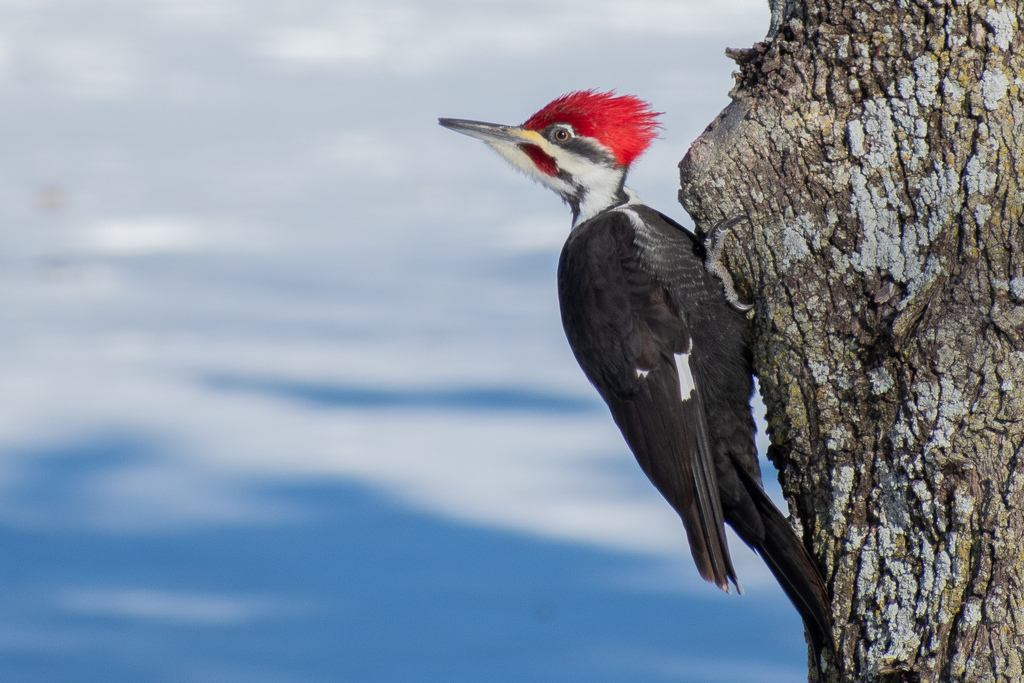
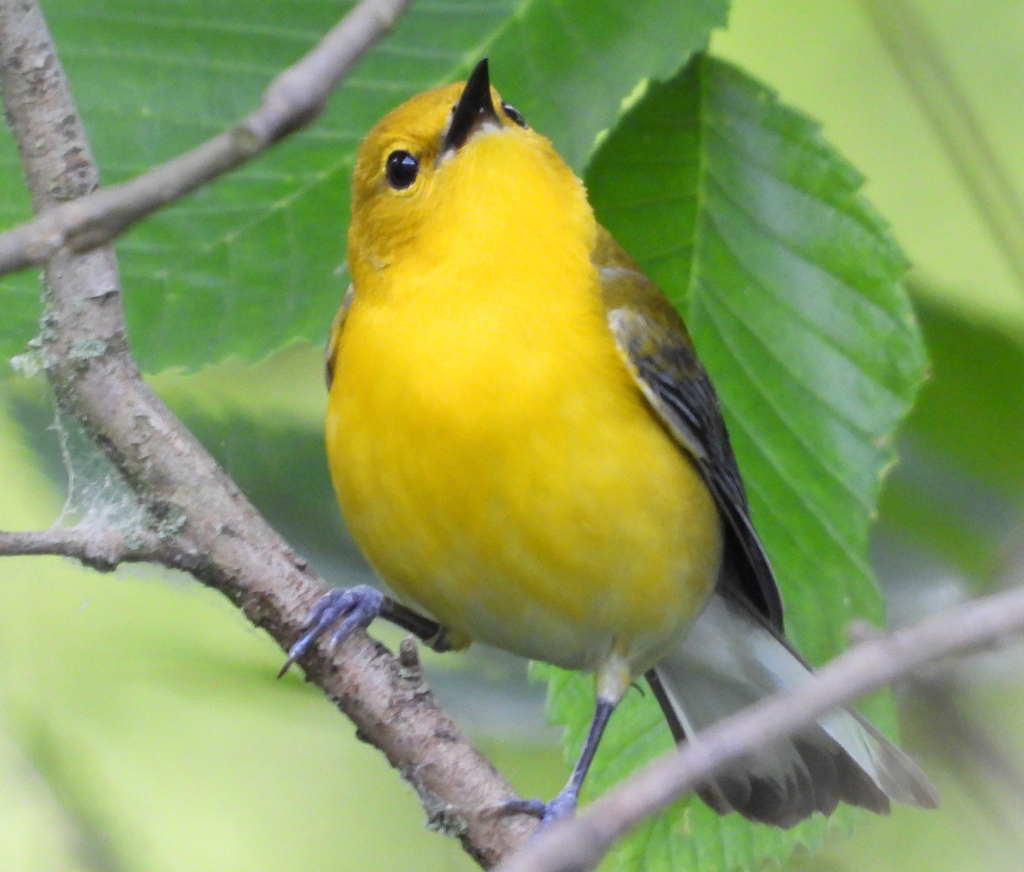
Wildlife whose habitat models include habitats this plant grows in, in Alabama. Shared habitat, not food. 117 animals.
- Hooded WarblerWilsonia citrina
- Indigo BuntingPasserina cyanea
- Kentucky WarblerOporornis formosus
- Least FlycatcherEmpidonax minimus
- Louisiana WaterthrushSeiurus motacilla
- MallardAnas platyrhynchos
- Mississippi KiteIctinia mississippiensis
- Mourning DoveZenaida macroura
- Northern CardinalCardinalis cardinalis
- Northern FlickerColaptes auratus
- Northern MockingbirdMimus polyglottos
- Northern ParulaParula americana
- Northern ShovelerAnas clypeata
- Northern WaterthrushSeiurus noveboracensis
- Orchard OrioleIcterus spurius
- OspreyPandion haliaetus
- Pileated WoodpeckerDryocopus pileatus
- Prothonotary WarblerProtonotaria citrea
- Purple FinchCarpodacus purpureus
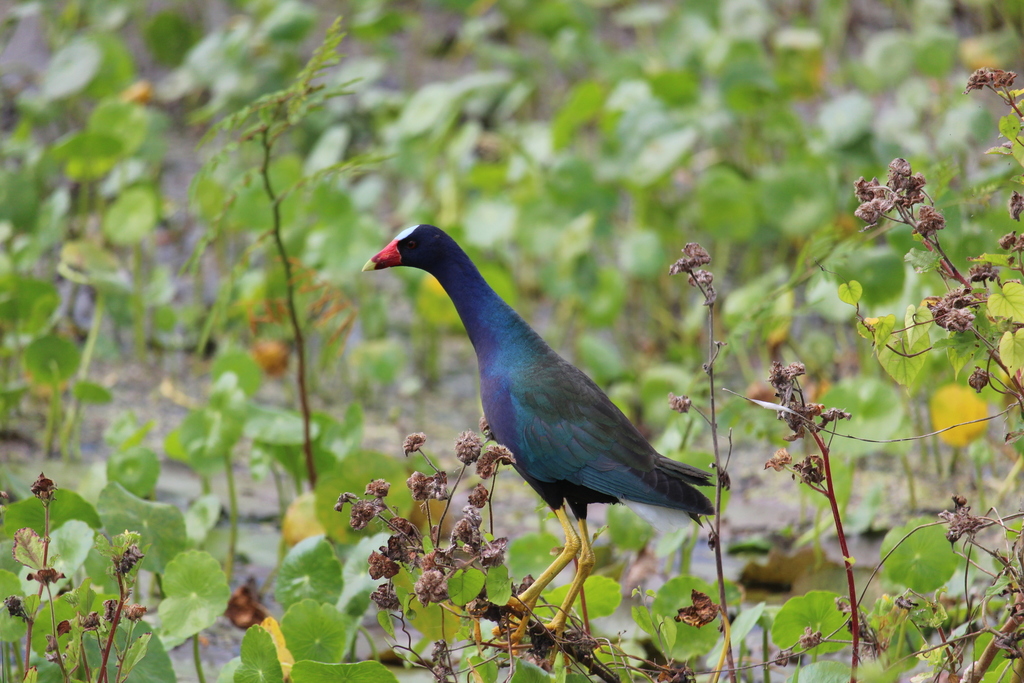
- Purple GallinulePorphyrio martinica
- Red-bellied WoodpeckerMelanerpes carolinus
- Red-breasted NuthatchSitta canadensis
- Red-headed WoodpeckerMelanerpes erythrocephalus
- Red-shouldered HawkButeo lineatus


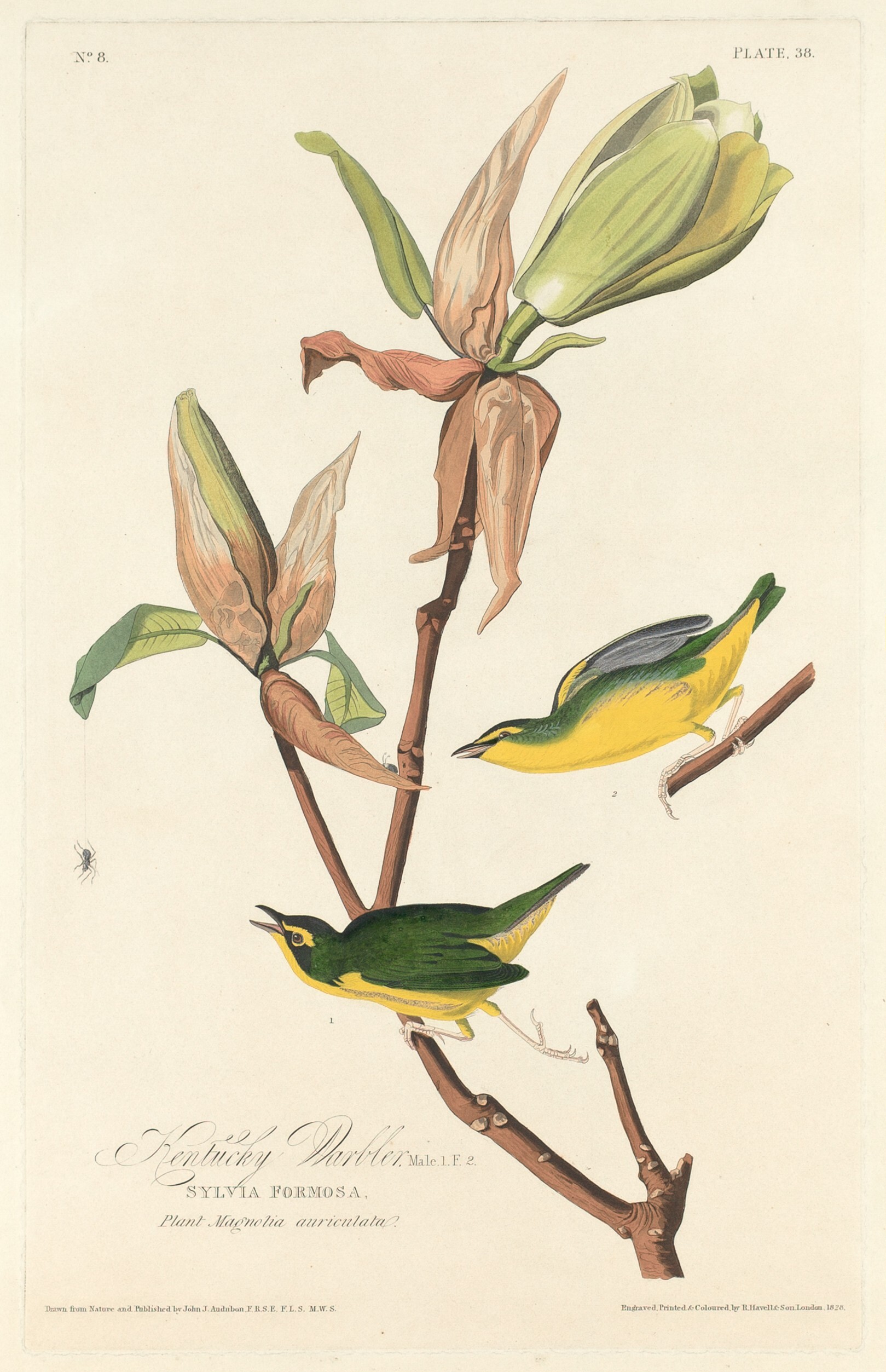


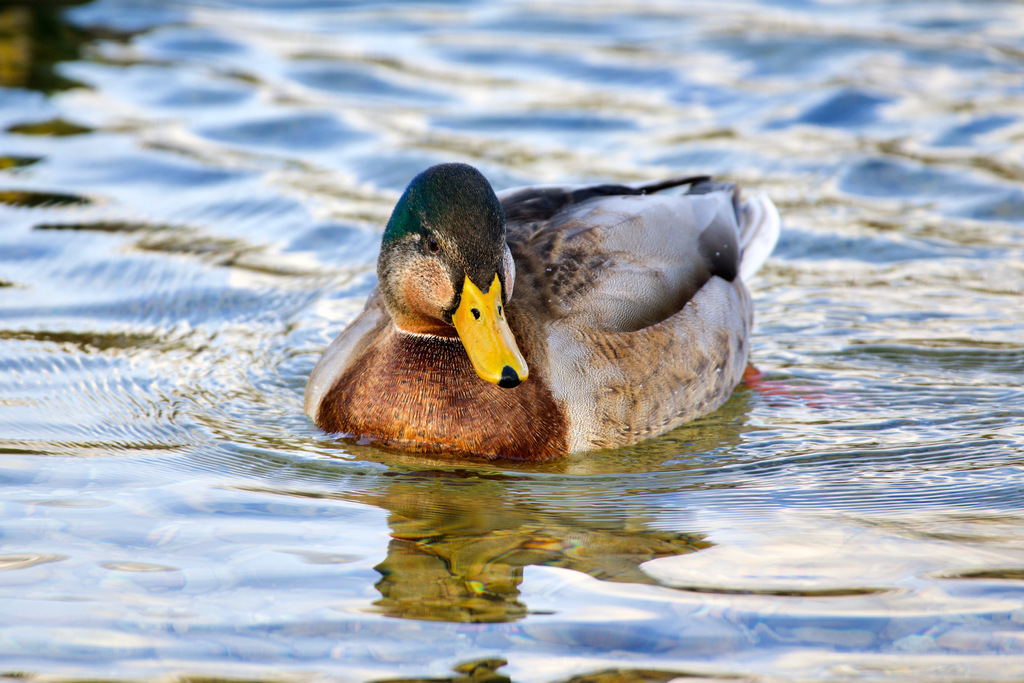
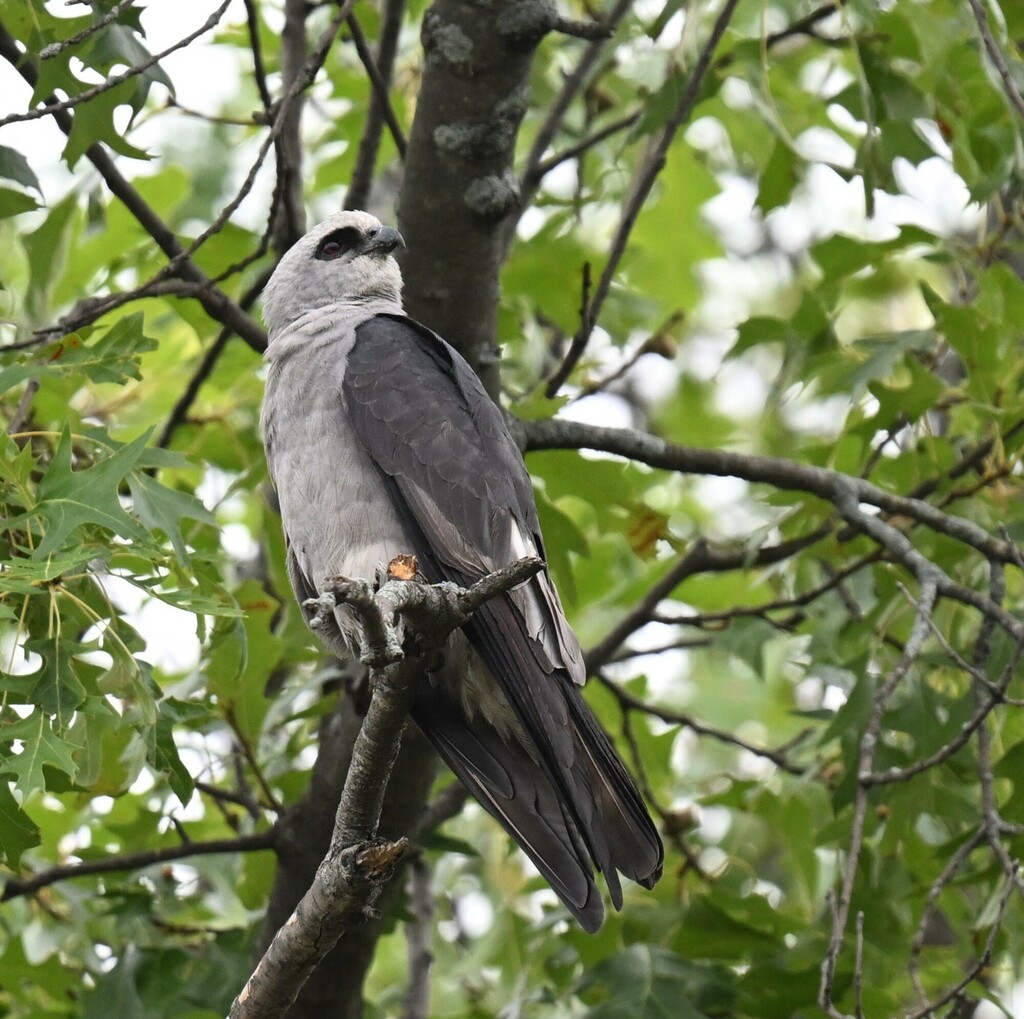












Who uses this plant?
 24CaterpillarsGenus host records with ranges including AL
Genus host records with ranges including AL · Bidens
- Cecropterus lyciadesHoary Edge
- Cecropterus pyladesNorthern Cloudywing
- Cirrhophanus trianguliferGoldenrod Stowaway, Beggarticks Seedcropper
- Condica concisaConcise Groundling
- Condica confederataThe Confederate
- Condica cupentiaSplotched Groundling
- Condica mobilisMobile Groundling
- Dichomeris juncidellaOrange-Dotted Dichomeris
- Epiblema abruptanaAbrupt Epiblema
- Epiblema otiosanaBidens Borer Moth
Show all 24
- Eupithecia miserulataCommon Eupithacia, Common Pug
- Homoeosoma electellaSunflower Moth
- Lorita scarificataChrysanthemum Flower Borer
- Nathalis ioleDainty Sulphur, Dwarf Yellow
- Palthis asopialisFaint-Spotted Palthis
- Papaipema nebrisStalk Borer
- Platynota stultanaOmnivorous Leafroller
- Pyrausta tyralisCoffee-Loving Pyrausta
- Scopula aemulataRival Wave
- Spilosoma virginicaVirginian Tiger Moth, Yellow Woolybear Moth, Yellow Bear
- Spodoptera eridaniaSouthern Armyworm Moth
- Spodoptera frugiperdaFall Armyworm Moth
- Synchlora frondariaSouthern Emerald
- Urbanus proteusLong-Tailed Skipper, Bean Leaf Roller
 76BeesSoutheastern regional records
Southeastern regional records · Bidens
Individual names are not available yet.
Noori, Seltmann & Orr 2026, A curated and integrated dataset for exploring global bee-plant interactions (GloBI), Zenodo, CC BY 4.0 8Specialist beesPollen specialists
Pollen specialists · Bidens
- Andrena aliciae
- Andrena chromotricha
- Dianthidium curvatum
- Dieunomia heteropoda
- Megachile inimica
- Megachile parallela
- Megachile xylocopoides
- Melissodes denticulatus
 10BirdsRecorded genus food-resource interactions; not a state feeding claim
Recorded genus food-resource interactions; not a state feeding claim · Bidens
- Acanthis flammeaCommon Redpoll
- Aix sponsaWood Duck
- Anas platyrhynchosMallard
- Callipepla californicaCalifornia Quail
- Colinus virginianusNorthern Bobwhite
- Dendrocygna bicolorFulvous Whistling-Duck
- Fulica americanaAmerican Coot
- Plectrophenax nivalisSnow Bunting
- Porzana carolinaSora
- Rallus limicolaVirginia Rail
Direct food only: birds recorded eating this genus across North America. Caterpillars on host plants also feed nesting birds. NC Native Plant Society: butterfly gardening
No records yet · Ants · Beetles · Flies · Adult butterflies / moths · Other wasps · Other insects
Plant details
- Family
- Asteraceae
- Flower color
- Yellow
- Growth rate
- Rapid
- Growth habit
- Single crown
- Foliage color
- Green
- Fruit begins
- Fall
- Fruit ends
- Fall
Safety has not been reviewed for this plant; check toxicity and thorns before planting.
Growing sources and scope
- Bloom · “Late August to November” · Weakley, Flora of the Southeastern United States (2025), Carolinas & Georgia edition (ranked first; USDA PLANTS differs) · Carolinas and Georgia
- Flower color · “Yellow” · USDA PLANTS · Nationwide species characteristics; local growing conditions may vary
- Foliage color · “Green” · USDA PLANTS · Nationwide species characteristics; local growing conditions may vary
- Fruit begins · “Fall” · USDA PLANTS · Nationwide species characteristics; local growing conditions may vary
- Fruit ends · “Fall” · USDA PLANTS · Nationwide species characteristics; local growing conditions may vary
- Growth habit · “Single crown” · USDA PLANTS · Nationwide species characteristics; local growing conditions may vary
- Growth rate · “Rapid” · USDA PLANTS · Nationwide species characteristics; local growing conditions may vary
- Height · “About 5.2 feet” · USDA PLANTS (ranked first; Lady Bird Johnson Wildflower Center, Minnesota Wildflowers differ) · Nationwide species characteristics; local growing conditions may vary
- Life cycle · “Annual” · Lady Bird Johnson Wildflower Center
- Light · “Part shade” · Lady Bird Johnson Wildflower Center
- primary_flower_color · “yellow” · USDA PLANTS
- Soil · “Moist; Water; Wet (documented habitat)” · Weakley, Flora of the Southeastern United States (2025), Carolinas & Georgia edition · Carolinas and Georgia
Also known as
Small Beggar Ticks
Conservation status
| Alabama rank | SNR |
|---|---|
| Global rank | G5 |
| AL status | Not verified |
| Federal status | Not verified |
Will it fit your yard?
Check this plant against your county, sun and soil moisture. Conditions are checked in your browser.
Sources
- Alabama Plant Atlas
- USDA PLANTS
- Vascular Plants of North Carolina (NC Natural Heritage Program)
- Weakley, Flora of the Southeastern United States (2025)
- Shropshire & Tallamy 2025, Lepidoptera of North America north of Mexico, ZooKeys 1261 (ODbL)
- Noori, Seltmann & Orr 2026, A curated and integrated dataset for exploring global bee-plant interactions (GloBI), Zenodo, CC BY 4.0
- Smith, Bachelder, Russell, Morales, Mosher & Seltmann 2024, Bee-Specialization-Modeling v0.6.1 (specialist host table compiled from J. Fowler's pollen specialist bee lists), Zenodo, CC BY 4.0
- Hurlbert, Olsen, Sawyer & Winner 2021, Avian Diet Database, Scientific Data 8: 260 (CC0)
- Narango, Tallamy & Shropshire 2020, Few keystone plant genera support the majority of Lepidoptera species, Nature Communications