

Nodding Beggarticks
Bidens cernua
Found in marshes, wet meadows, bogs, ditches. FloraQuest, phone app (app page) What its natural habitat tells you
Native to Alabama. How scores work Is it native here?
Profile 88%
- Height
- About 3.2 feet
- Light
- Partial sun, Full sun
- Soil moisture
- Low, Moderate, High
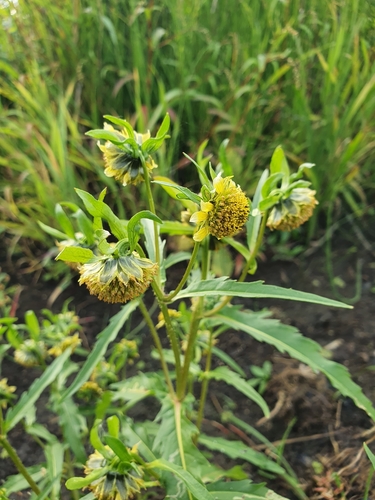
Rare or protected plant. Specialist conservation planting; excluded from routine garden suggestions. Plant caution source
Hidden from default planting suggestions. Wildlife value and native status remain unchanged.
At a glance
- Life cycle
- Annual
- Bloom
- August to October
- Fruiting season
- Summer to fall
Not yet recorded · Spread · Leaves
Recorded in 6 Alabama counties.
Natural habitats
Places it grows wild. Not a planting requirement. Each habitat page lists the plants and wildlife also found there.
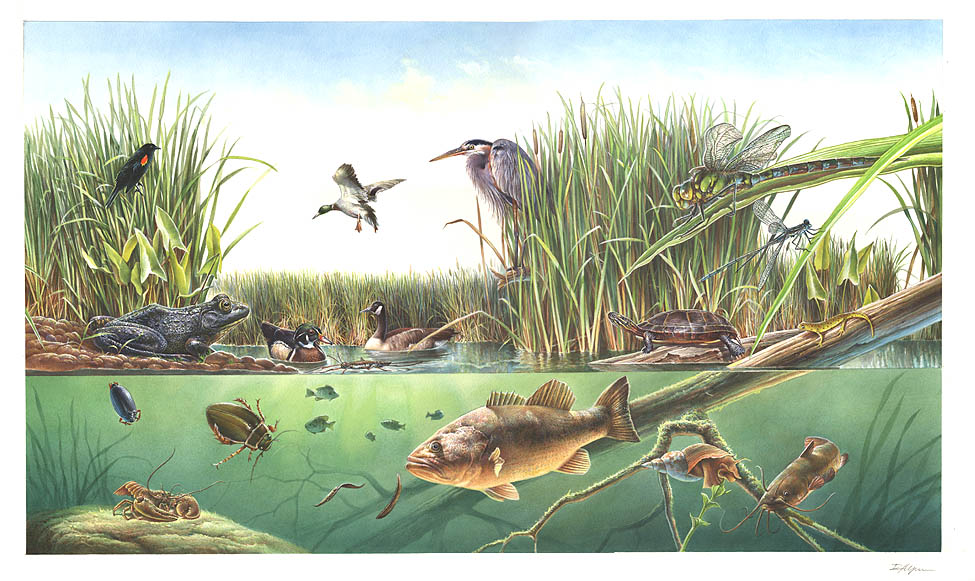
Open, wet, grassy or sedgy ground that is not a bog.
Roadsides, fields and disturbed ground
Ground opened by people: roadsides, old fields, pastures, fencerows and lots.
Who uses this plant?
 24CaterpillarsGenus host records with ranges including AL
Genus host records with ranges including AL · Bidens
- Cecropterus lyciadesHoary Edge
- Cecropterus pyladesNorthern Cloudywing
- Cirrhophanus trianguliferGoldenrod Stowaway, Beggarticks Seedcropper
- Condica concisaConcise Groundling
- Condica confederataThe Confederate
- Condica cupentiaSplotched Groundling
- Condica mobilisMobile Groundling
- Dichomeris juncidellaOrange-Dotted Dichomeris
- Epiblema abruptanaAbrupt Epiblema
- Epiblema otiosanaBidens Borer Moth
Show all 24
- Eupithecia miserulataCommon Eupithacia, Common Pug
- Homoeosoma electellaSunflower Moth
- Lorita scarificataChrysanthemum Flower Borer
- Nathalis ioleDainty Sulphur, Dwarf Yellow
- Palthis asopialisFaint-Spotted Palthis
- Papaipema nebrisStalk Borer
- Platynota stultanaOmnivorous Leafroller
- Pyrausta tyralisCoffee-Loving Pyrausta
- Scopula aemulataRival Wave
- Spilosoma virginicaVirginian Tiger Moth, Yellow Woolybear Moth, Yellow Bear
- Spodoptera eridaniaSouthern Armyworm Moth
- Spodoptera frugiperdaFall Armyworm Moth
- Synchlora frondariaSouthern Emerald
- Urbanus proteusLong-Tailed Skipper, Bean Leaf Roller
 76BeesSoutheastern regional records
Southeastern regional records · Bidens
Individual names are not available yet.
Noori, Seltmann & Orr 2026, A curated and integrated dataset for exploring global bee-plant interactions (GloBI), Zenodo, CC BY 4.0 8Specialist beesPollen specialists
Pollen specialists · Bidens
- Andrena aliciae
- Andrena chromotricha
- Dianthidium curvatum
- Dieunomia heteropoda
- Megachile inimica
- Megachile parallela
- Megachile xylocopoides
- Melissodes denticulatus
 10BirdsRecorded genus food-resource interactions; not a state feeding claim
Recorded genus food-resource interactions; not a state feeding claim · Bidens
- Acanthis flammeaCommon Redpoll
- Aix sponsaWood Duck
- Anas platyrhynchosMallard
- Callipepla californicaCalifornia Quail
- Colinus virginianusNorthern Bobwhite
- Dendrocygna bicolorFulvous Whistling-Duck
- Fulica americanaAmerican Coot
- Plectrophenax nivalisSnow Bunting
- Porzana carolinaSora
- Rallus limicolaVirginia Rail
Direct food only: birds recorded eating this genus across North America. Caterpillars on host plants also feed nesting birds. NC Native Plant Society: butterfly gardening
No records yet · Ants · Beetles · Flies · Adult butterflies / moths · Other wasps · Other insects
Plant details
- Family
- Asteraceae
- Flower color
- Yellow
- Growth rate
- Rapid
- Growth habit
- Single crown
- Foliage color
- Green
- Fruit begins
- Summer
- Fruit ends
- Fall
Growing sources and scope
- Bloom · “August to October” · FloraQuest: Carolinas, Georgia (Southeastern Flora Team), phone app (app page) (ranked first; USDA PLANTS, Prairie Moon 2026 Cultural Guide differ) · Carolinas and Georgia
- Flower color · “Yellow” · USDA PLANTS · Nationwide species characteristics; local growing conditions may vary
- Foliage color · “Green” · USDA PLANTS · Nationwide species characteristics; local growing conditions may vary
- Fruit begins · “Summer” · USDA PLANTS · Nationwide species characteristics; local growing conditions may vary
- Fruit ends · “Fall” · USDA PLANTS · Nationwide species characteristics; local growing conditions may vary
- Growth habit · “Single crown” · USDA PLANTS · Nationwide species characteristics; local growing conditions may vary
- Growth rate · “Rapid” · USDA PLANTS · Nationwide species characteristics; local growing conditions may vary
- Height · “About 3.2 feet” · USDA PLANTS (ranked first; Minnesota Wildflowers, Prairie Moon 2026 Cultural Guide differ) · Nationwide species characteristics; local growing conditions may vary
- Life cycle · “Annual” · Lady Bird Johnson Wildflower Center
- Light · “Partial sun (minimum requirement); Full sun (minimum requirement)” · Virginia DCR Piedmont (ranked first; Lady Bird Johnson Wildflower Center, Prairie Moon 2026 Cultural Guide differ) · Virginia regional planting chart; sunlight is a minimum requirement, moisture is low/moderate/high
- primary_flower_color · “yellow” · USDA PLANTS
- Soil · “Low; Moderate; High” · Virginia DCR Piedmont (ranked first; Lady Bird Johnson Wildflower Center, Prairie Moon 2026 Cultural Guide differ) · Virginia regional planting chart; sunlight is a minimum requirement, moisture is low/moderate/high
Also known as
Nodding Beggar Tick
Conservation status
| Alabama rank | S1 |
|---|---|
| Global rank | G5 |
| AL status | Not verified |
| Federal status | Not verified |
Will it fit your yard?
Check this plant against your county, sun and soil moisture. Conditions are checked in your browser.
Sources
- Alabama Plant Atlas
- USDA PLANTS
- Vascular Plants of North Carolina (NC Natural Heritage Program)
- FloraQuest: Carolinas, Georgia (Weakley), phone app (app page)
- FloraQuest: South Central (Weakley), phone app (app page)
- NatureServe Explorer
- Shropshire & Tallamy 2025, Lepidoptera of North America north of Mexico, ZooKeys 1261 (ODbL)
- Noori, Seltmann & Orr 2026, A curated and integrated dataset for exploring global bee-plant interactions (GloBI), Zenodo, CC BY 4.0
- Smith, Bachelder, Russell, Morales, Mosher & Seltmann 2024, Bee-Specialization-Modeling v0.6.1 (specialist host table compiled from J. Fowler's pollen specialist bee lists), Zenodo, CC BY 4.0
- Hurlbert, Olsen, Sawyer & Winner 2021, Avian Diet Database, Scientific Data 8: 260 (CC0)
- Narango, Tallamy & Shropshire 2020, Few keystone plant genera support the majority of Lepidoptera species, Nature Communications