

Eastern Prairie Blue Wild Indigo
Baptisia aberrans
Found in forests and woodlands; prairies and grasslands; oak savannas and openings. FloraQuest, phone app (app page) What its natural habitat tells you
Native to Alabama. How scores work Is it native here?
Profile 76%
- Height
- 3–6 feet
- Spread
- 1.5–2 feet
- Light
- Full sun, Partial shade
- Soil moisture
- Somewhat dry to moist
Space about 2 ft apart from its recorded spread, about 25 per 100 sq ft. Enter your bed size for a count
Will it fit your yard?No photograph yet. Looking for an old drawing…
Rare or protected plant. Specialist conservation planting; excluded from routine garden suggestions. Plant caution source
Hidden from default planting suggestions. Wildlife value and native status remain unchanged.
At a glance
- Life cycle
- Perennial
- Leaves
- Deciduous
- Bloom
- April to May
- Fruiting season
- June to August
Recorded in 4 Alabama counties.
Natural habitats
Places it grows wild. Not a planting requirement. Each habitat page lists the plants and wildlife also found there.
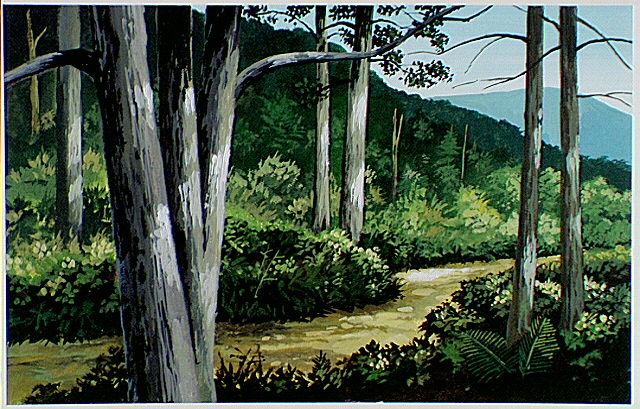
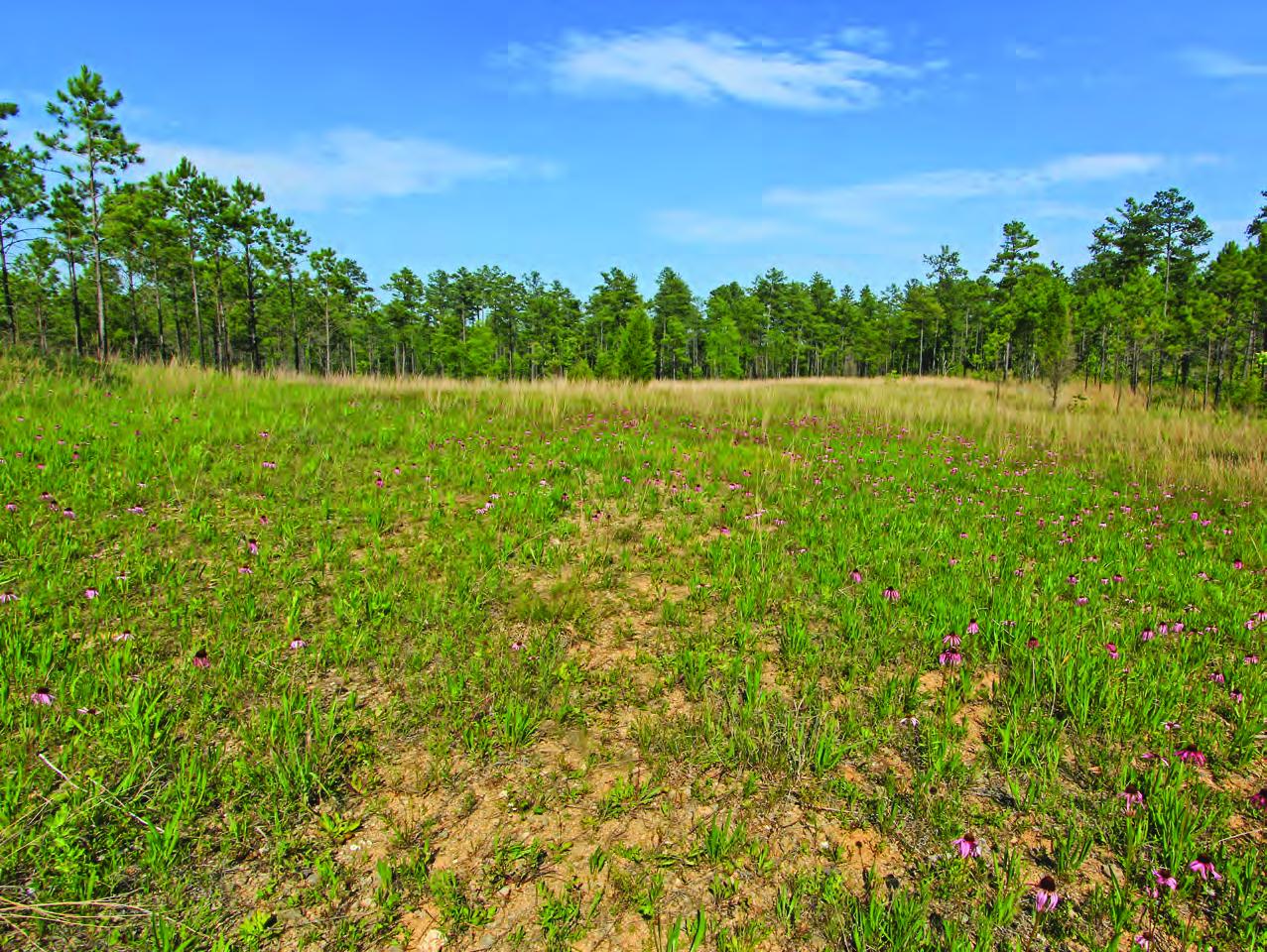
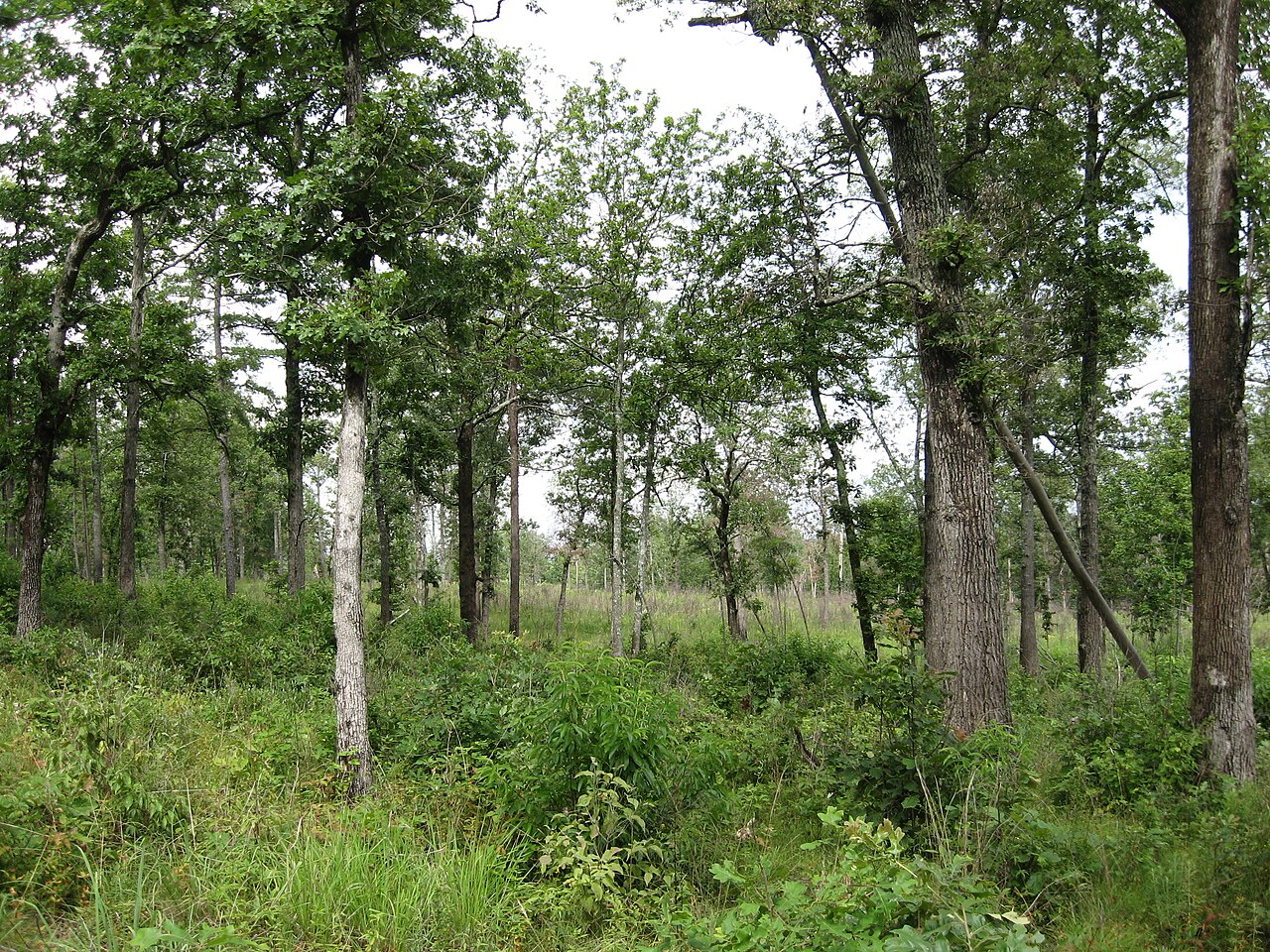
Also found with this plant
Wildlife whose habitat models include habitats this plant grows in, in Alabama. Shared habitat, not food. 79 animals.
- American CrowCorvus brachyrhynchos
- American GoldfinchCarduelis tristis
- American KestrelFalco sparverius
- American RobinTurdus migratorius
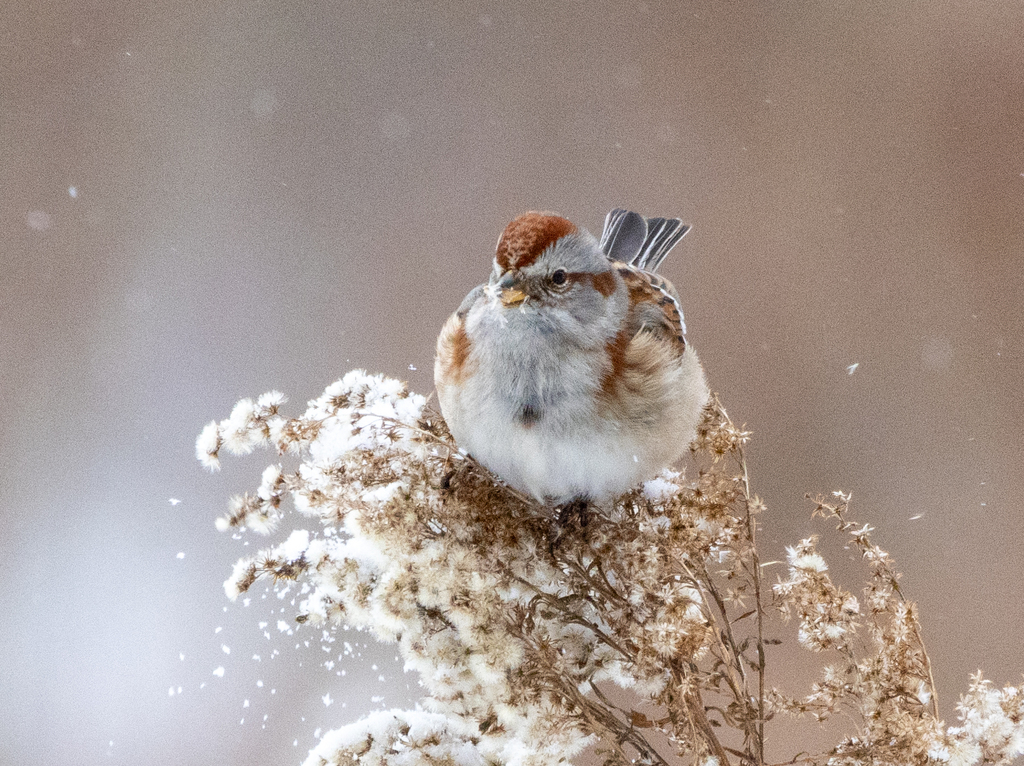
- American Tree SparrowSpizella arborea
- Baltimore OrioleIcterus galbula
- Bank SwallowRiparia riparia
- Black VultureCoragyps atratus
- Black-and-White WarblerMniotilta varia
- Black-billed CuckooCoccyzus erythropthalmus
- Blue GrosbeakPasserina caerulea
- Blue JayCyanocitta cristata
- Blue-gray GnatcatcherPolioptila caerulea
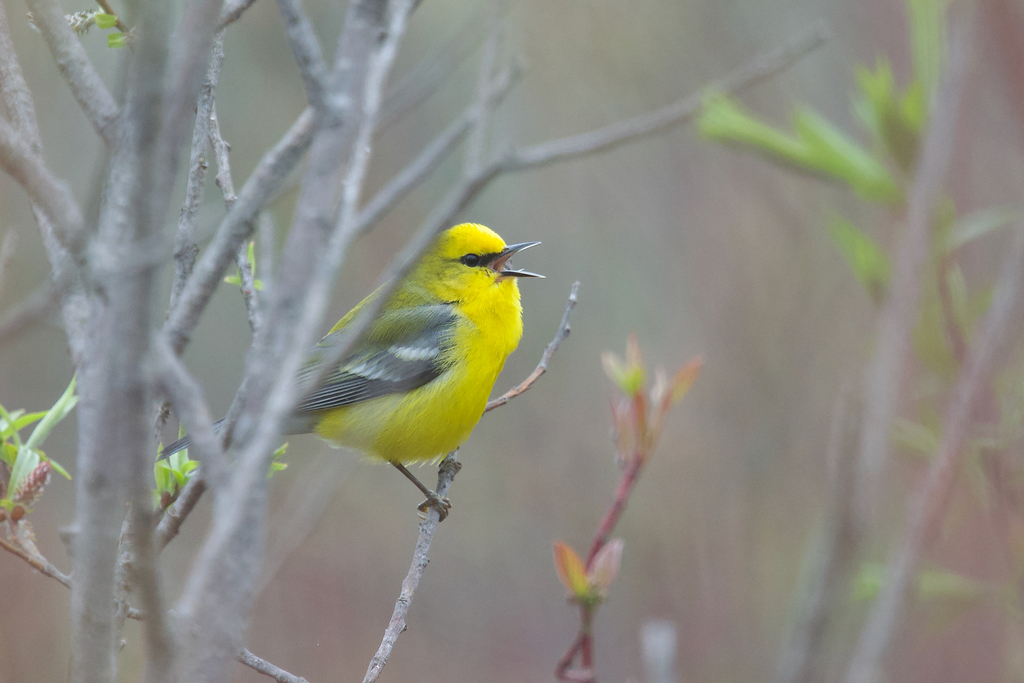
- Blue-winged WarblerVermivora pinus
- Brown CreeperCerthia americana
- Brown ThrasherToxostoma rufum
- Brown-headed CowbirdMolothrus ater
- Carolina WrenThryothorus ludovicianus
- Cedar WaxwingBombycilla cedrorum
- Chipping SparrowSpizella passerina
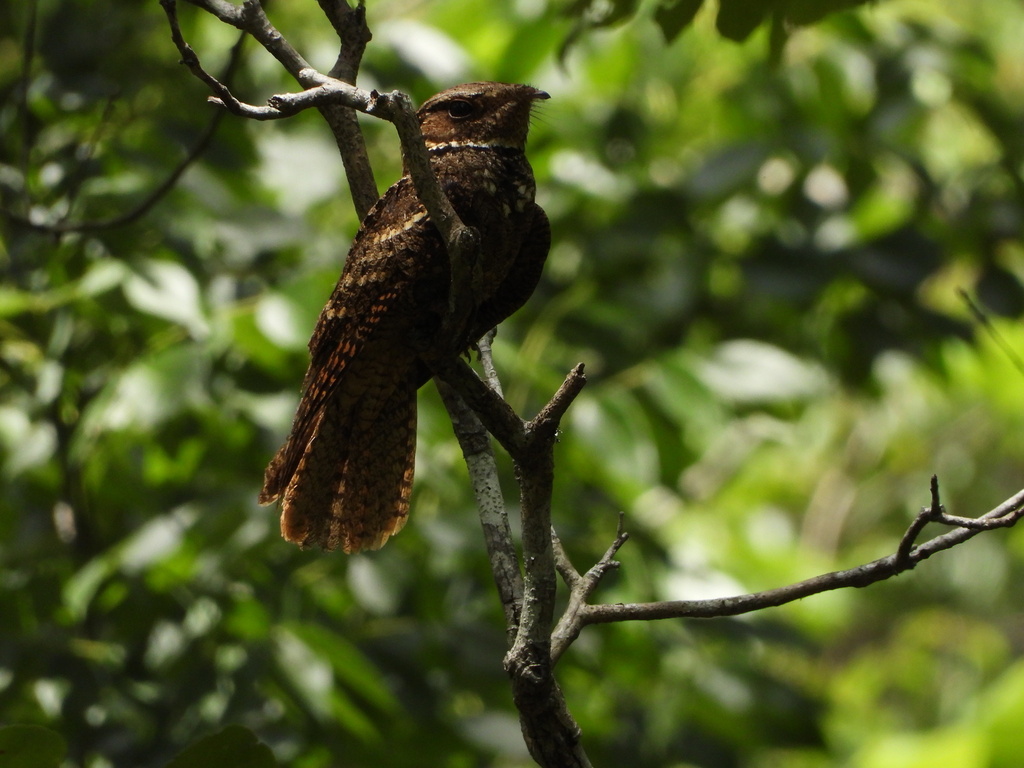
- Chuck-will's-widowCaprimulgus carolinensis
- Common NighthawkChordeiles minor
- Cooper's HawkAccipiter cooperii
- Dark-eyed JuncoJunco hyemalis






















Who uses this plant?
 23CaterpillarsGenus host records with ranges including AL
Genus host records with ranges including AL · Baptisia
- Antheraea polyphemusPolyphemus Moth
- Automeris ioIo Moth
- Cabera quadrifasciariaFour-Lined Cabera
- Callophrys irusThe Hoary Elfin, Bog Elfin?, Frosted Elfin
- Catocala consorsThe Consort
- Cecropterus lyciadesHoary Edge
- Colias eurythemeOrange Sulphur, Alfalfa Butterfly
- Colias philodiceClouded Sulphur, Clover Butterfly
- Cupido comyntasEastern Tailed-Blue
- Dasylophia anguinaBlack-Spotted Prominent
Show all 23
- Gesta baptisiaeWild Indigo Duskywing, Baptisia Duskywing
- Gesta zaruccoZarucco Duskywing
- Grapholita tristriganaThree-Lined Grapholita
- Hypena scabraGreen Cloverworm Bomolocha, Black Snout
- Palthis asopialisFaint-Spotted Palthis
- Papaipema baptisiaeWild Indigo Borer, Indigo Stem Borer
- Papaipema cataphractaBurdock Border, Potato-Stalk Borer
- Platynota flavedanaBlack-Shaded Platynota
- Schinia jaguarinaJaguar Flower Moth
- Uresiphita reversalisGenista Caterpillar, Genista Cbroom Moth
- Anacampsis lupinella
- Pococera baptisiella
- Sitochroa dasconalis
 22BeesSoutheastern regional records
Southeastern regional records · Baptisia
Individual names are not available yet.
Noori, Seltmann & Orr 2026, A curated and integrated dataset for exploring global bee-plant interactions (GloBI), Zenodo, CC BY 4.0 1Specialist beesPollen specialists
Pollen specialists · Baptisia
- Megachile melanophaea
 1BirdsRecorded genus food-resource interactions; not a state feeding claim
Recorded genus food-resource interactions; not a state feeding claim · Baptisia
- Meleagris gallopavoWild Turkey
Direct food only: birds recorded eating this genus across North America. Caterpillars on host plants also feed nesting birds. NC Native Plant Society: butterfly gardening
No records yet · Ants · Beetles · Flies · Adult butterflies / moths · Other wasps · Other insects
Plant details
- Family
- Fabaceae
- Flower color
- Blue or purple
- Fruit begins
- June
- Fruit ends
- August
Growing sources and scope
- Bloom · “April to May” · FloraQuest: Carolinas, Georgia (Southeastern Flora Team), phone app (app page) · Carolinas and Georgia
- Flower color · “Blue or purple” · NC Extension Plant Toolbox
- Fruit begins · “June” · FloraQuest: Carolinas, Georgia (Southeastern Flora Team), phone app (app page) · Carolinas and Georgia
- Fruit ends · “August” · FloraQuest: Carolinas, Georgia (Southeastern Flora Team), phone app (app page) · Carolinas and Georgia
- Height · “3–6 feet” · NC Extension Plant Toolbox
- Leaves · “Deciduous” · NC Extension Plant Toolbox
- Life cycle · “Perennial” · NC Extension Plant Toolbox
- Light · “Full sun (6 or more hours of direct sunlight a day); Partial shade (direct sunlight only part of the day, 2-6 hours)” · NC Extension Plant Toolbox
- Soil · “Moist; Occasionally dry” · NC Extension Plant Toolbox
- Spread · “1.5–2 feet” · NC Extension Plant Toolbox
Also known as
Baptisia australis var. aberrans
Conservation status
| Alabama rank | S1 |
|---|---|
| Global rank | G2 |
| AL status | Not verified |
| Federal status | Not verified |
Will it fit your yard?
Check this plant against your county, sun and soil moisture. Conditions are checked in your browser.
Sources
- Alabama Plant Atlas
- Vascular Plants of North Carolina (NC Natural Heritage Program)
- FloraQuest: Carolinas, Georgia (Weakley), phone app (app page)
- FloraQuest: South Central (Weakley), phone app (app page)
- FloraQuest: Northern Tier (Weakley), phone app (app page)
- NatureServe Explorer
- Shropshire & Tallamy 2025, Lepidoptera of North America north of Mexico, ZooKeys 1261 (ODbL)
- Noori, Seltmann & Orr 2026, A curated and integrated dataset for exploring global bee-plant interactions (GloBI), Zenodo, CC BY 4.0
- Smith, Bachelder, Russell, Morales, Mosher & Seltmann 2024, Bee-Specialization-Modeling v0.6.1 (specialist host table compiled from J. Fowler's pollen specialist bee lists), Zenodo, CC BY 4.0
- Hurlbert, Olsen, Sawyer & Winner 2021, Avian Diet Database, Scientific Data 8: 260 (CC0)
- Narango, Tallamy & Shropshire 2020, Few keystone plant genera support the majority of Lepidoptera species, Nature Communications