

Giant Cane
Arundinaria gigantea
Found in floodplain and bottomland forests; forests and woodlands; streams, rivers and their banks; seeps and springs. Weakley, Flora of the Southeastern United States (2025), South Central edition What its natural habitat tells you
Native to Alabama. How scores work Is it native here?
Profile 94%
- Height
- 4–25 feet
- Spread
- 8–20 feet
- Light
- Deep shade, Full sun, Partial shade
- Soil moisture
- Somewhat dry to moist
Space about 14 ft apart from its recorded spread. Enter your bed size for a count
Will it fit your yard?No photograph yet. Looking for an old drawing…
At a glance
- Life cycle
- Perennial
- Leaves
- Evergreen
- Bloom
- April to July
Recorded in 56 Alabama counties.
Natural habitats
Places it grows wild. Not a planting requirement. Each habitat page lists the plants and wildlife also found there.

Floodplain and bottomland forests
Forests on low ground beside rivers and streams that flood from time to time.
Streams, rivers and their banks
Flowing water and its banks, bars and rocky shoals.
Places where groundwater keeps the soil or rock wet, such as seepage slopes and spring runs.
Also found with this plant
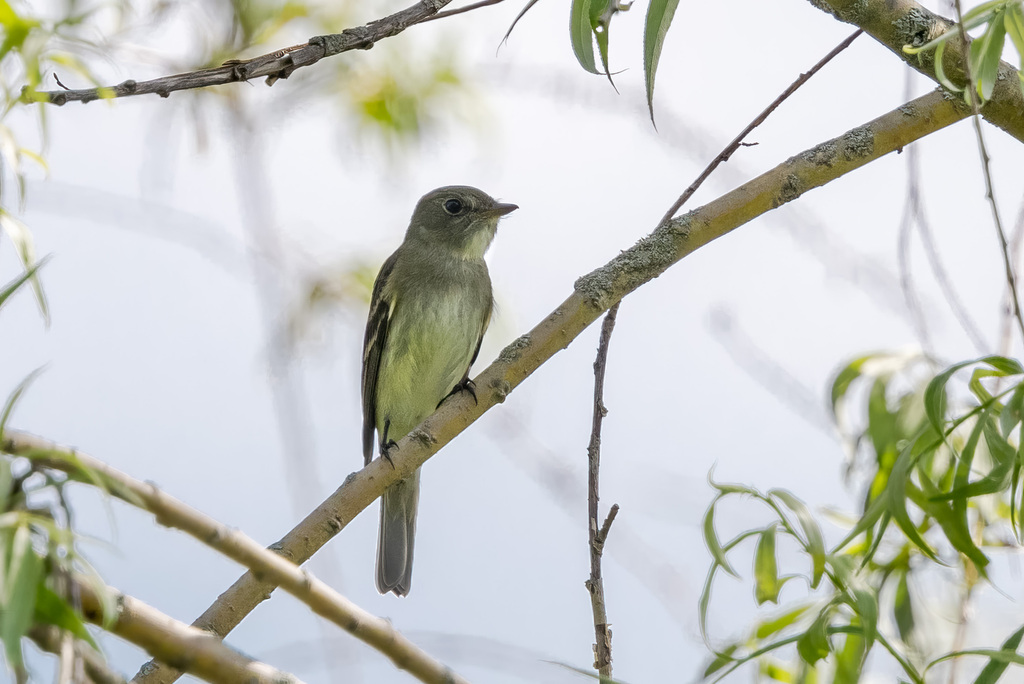
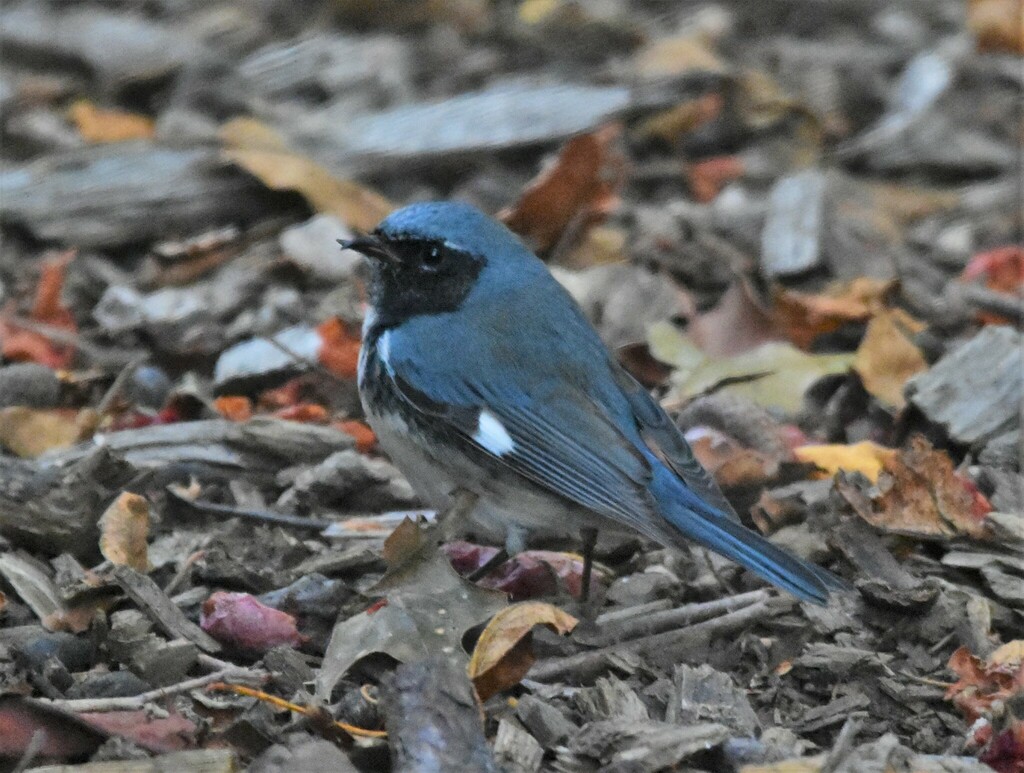
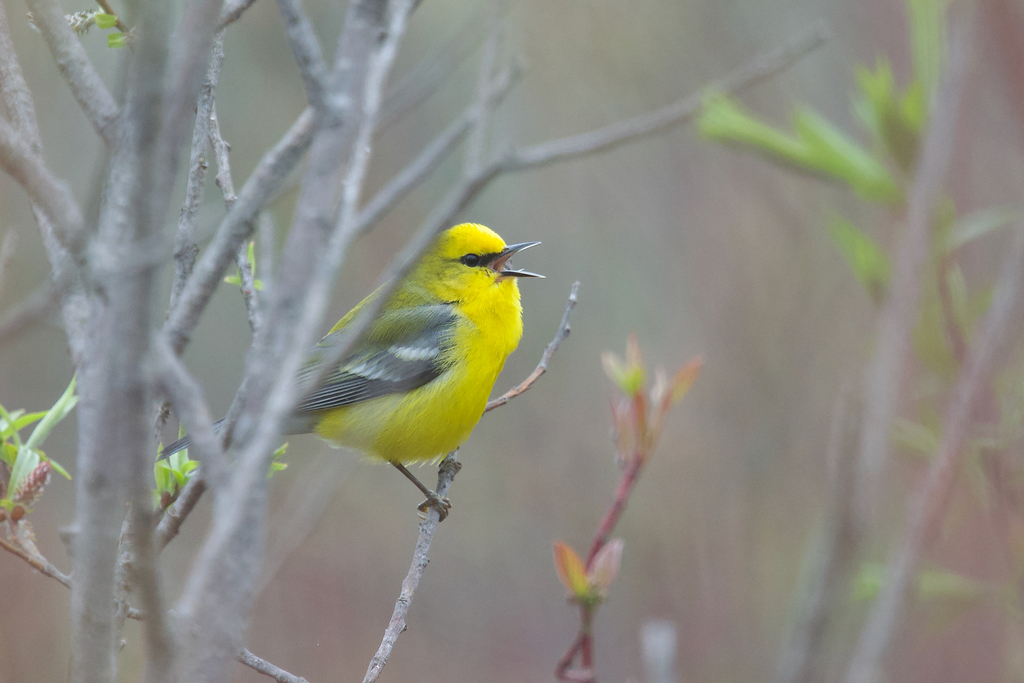
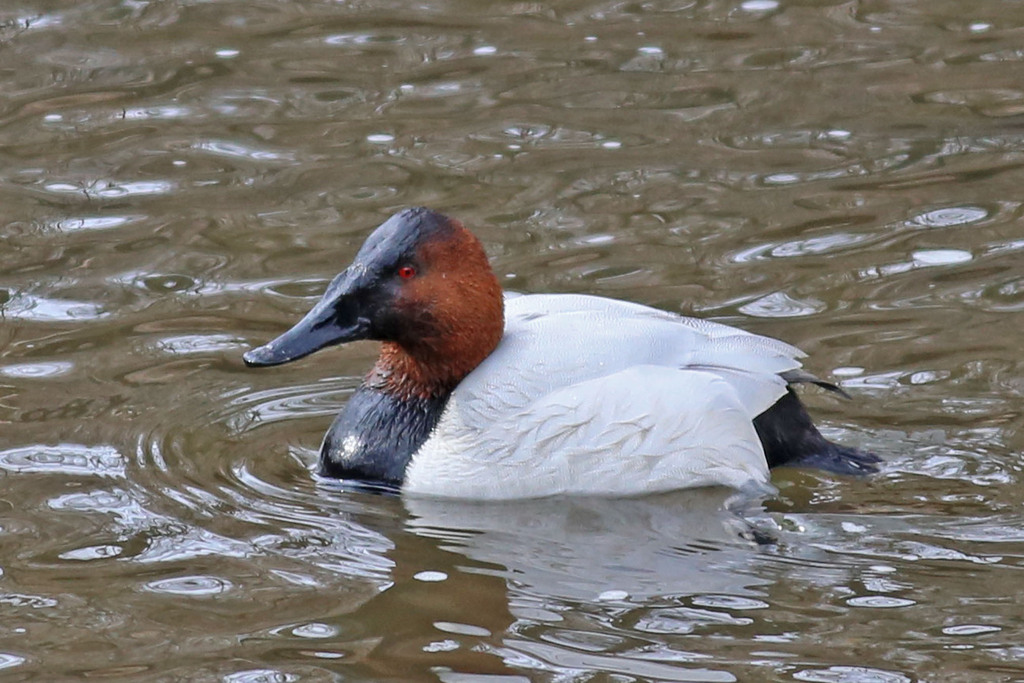
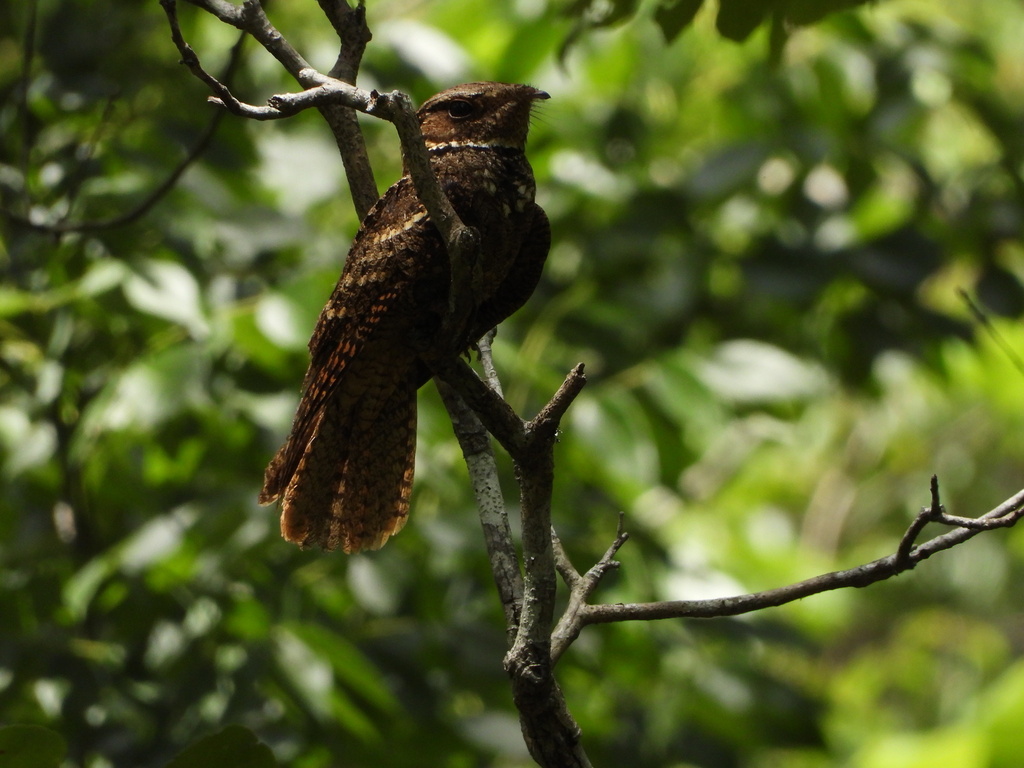
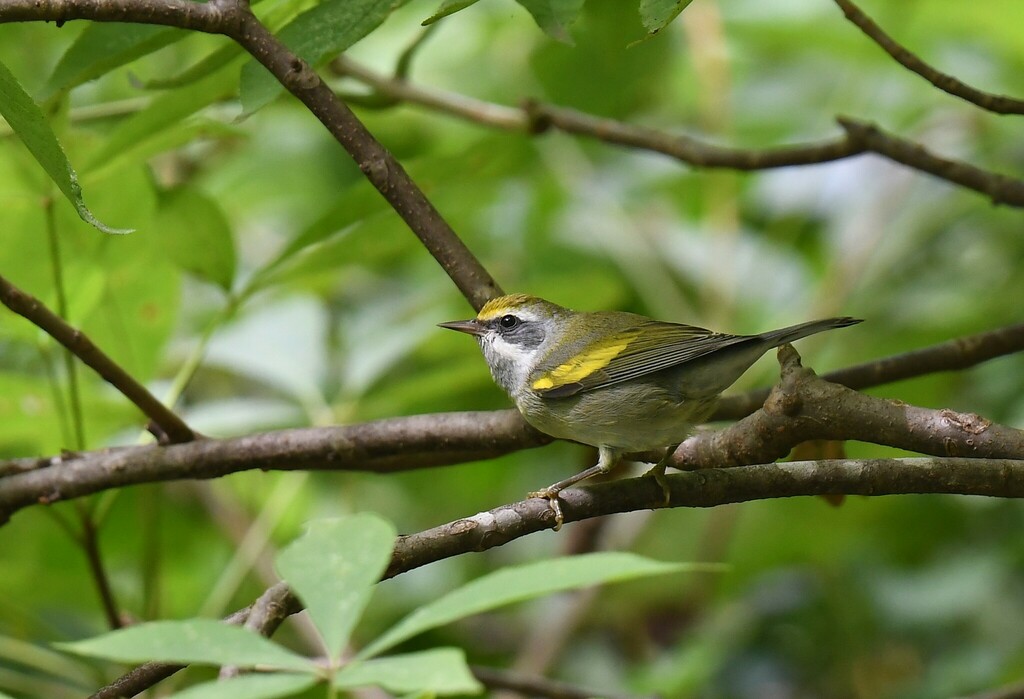
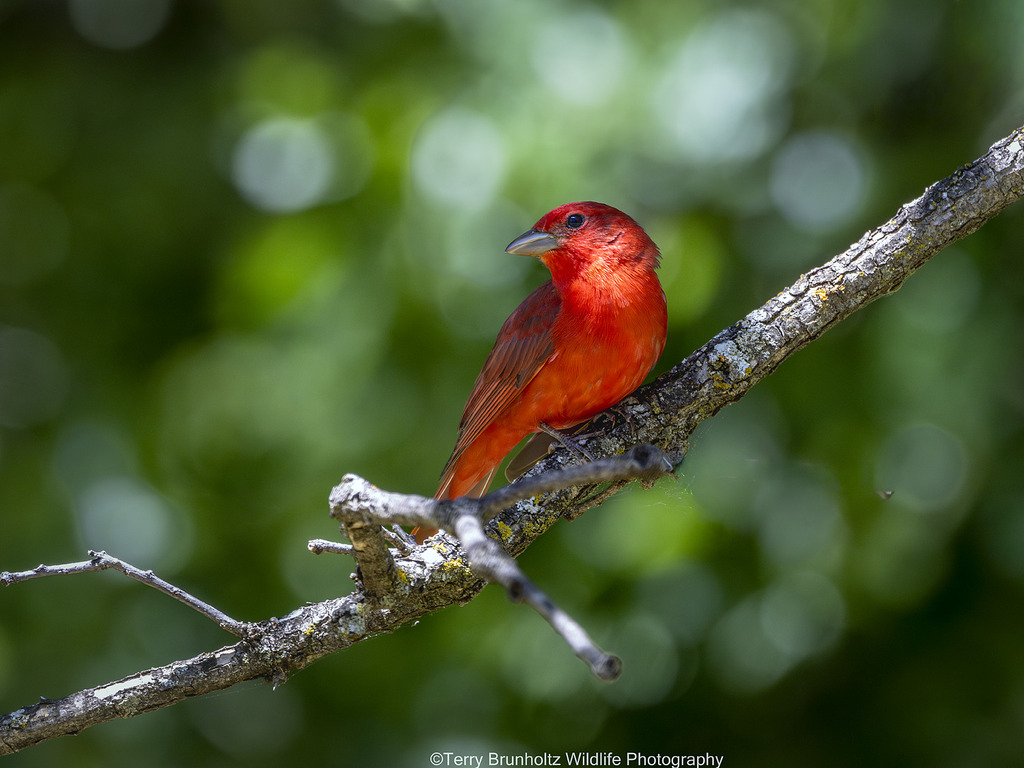
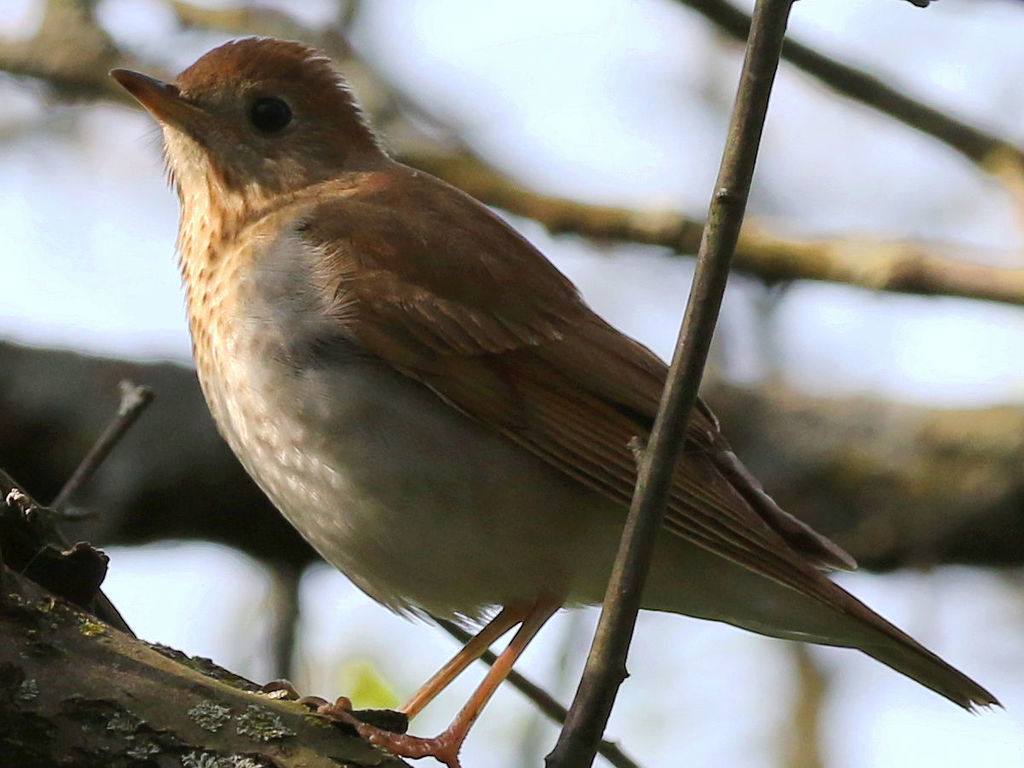
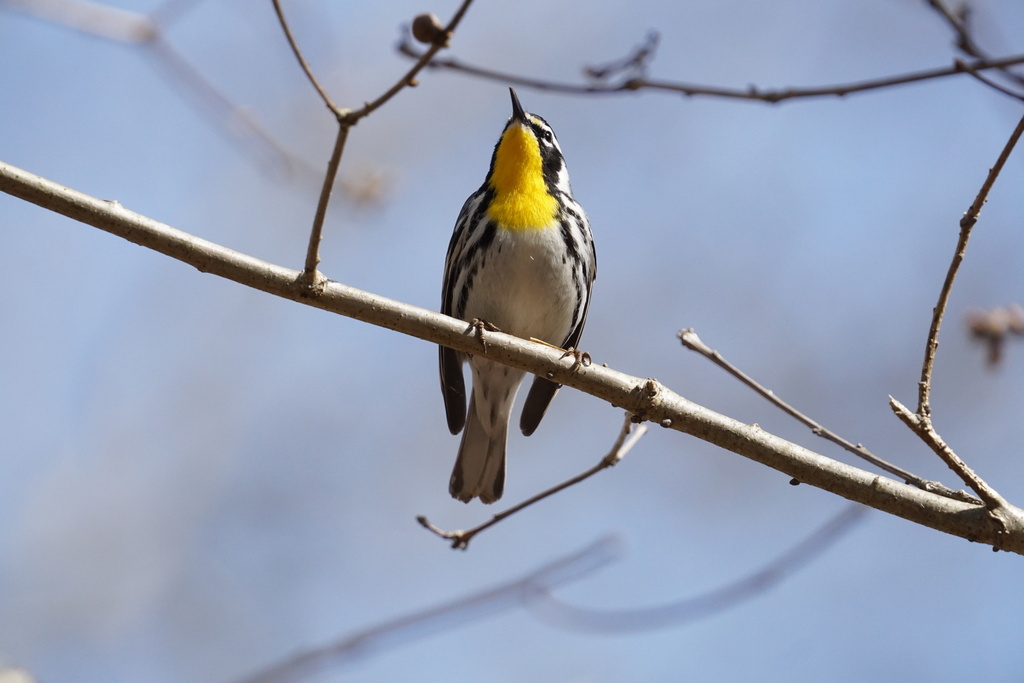
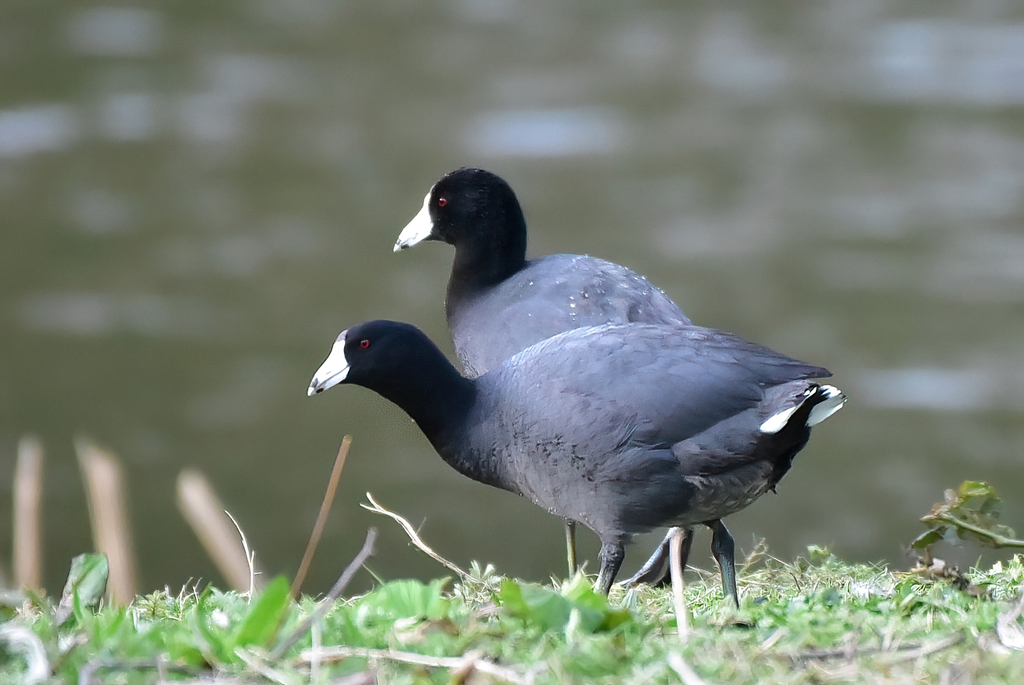
Wildlife whose habitat models include habitats this plant grows in, in Alabama. Shared habitat, not food. 147 animals.
- Ruffed GrouseBonasa umbellus
- Song SparrowMelospiza melodia
- Spotted SandpiperActitis macularius
- Tree SwallowTachycineta bicolor
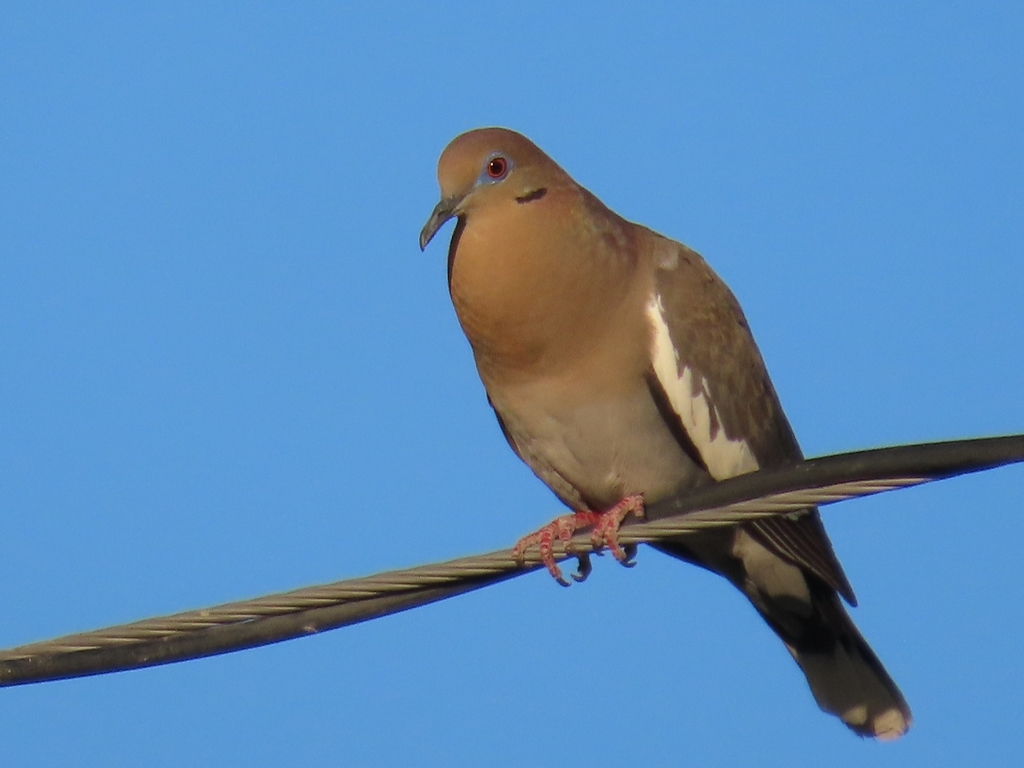
- White-winged DoveZenaida asiatica
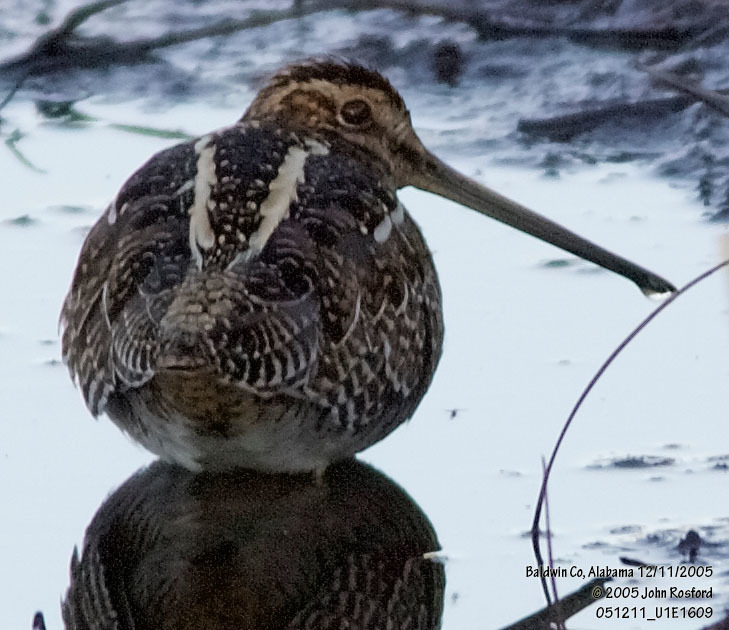
- Wilson's SnipeGallinago delicata
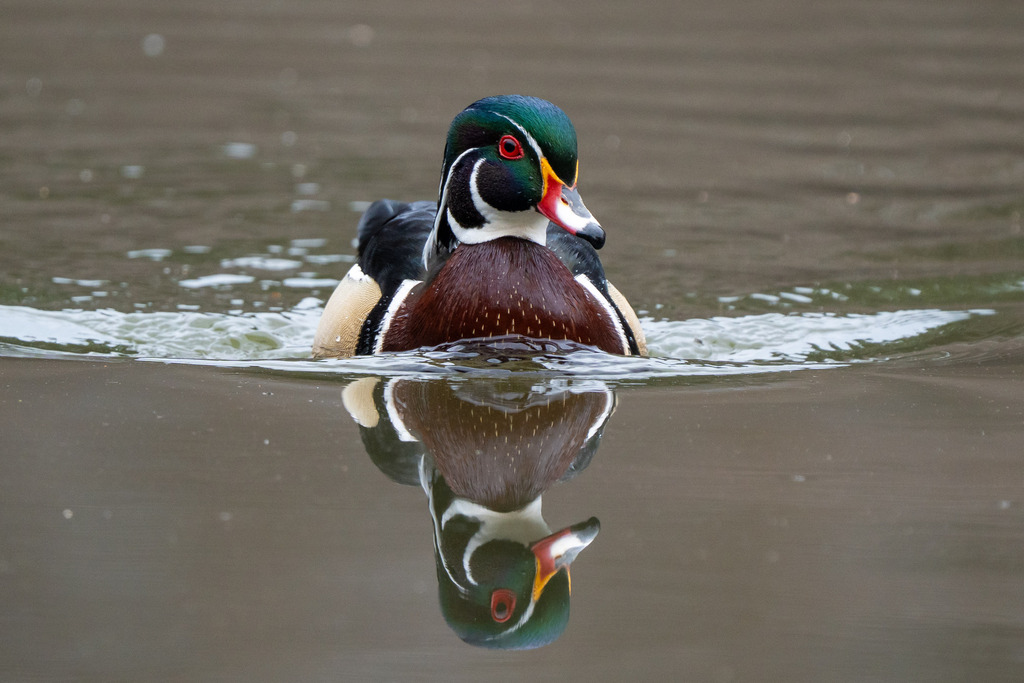
- Wood DuckAix sponsa
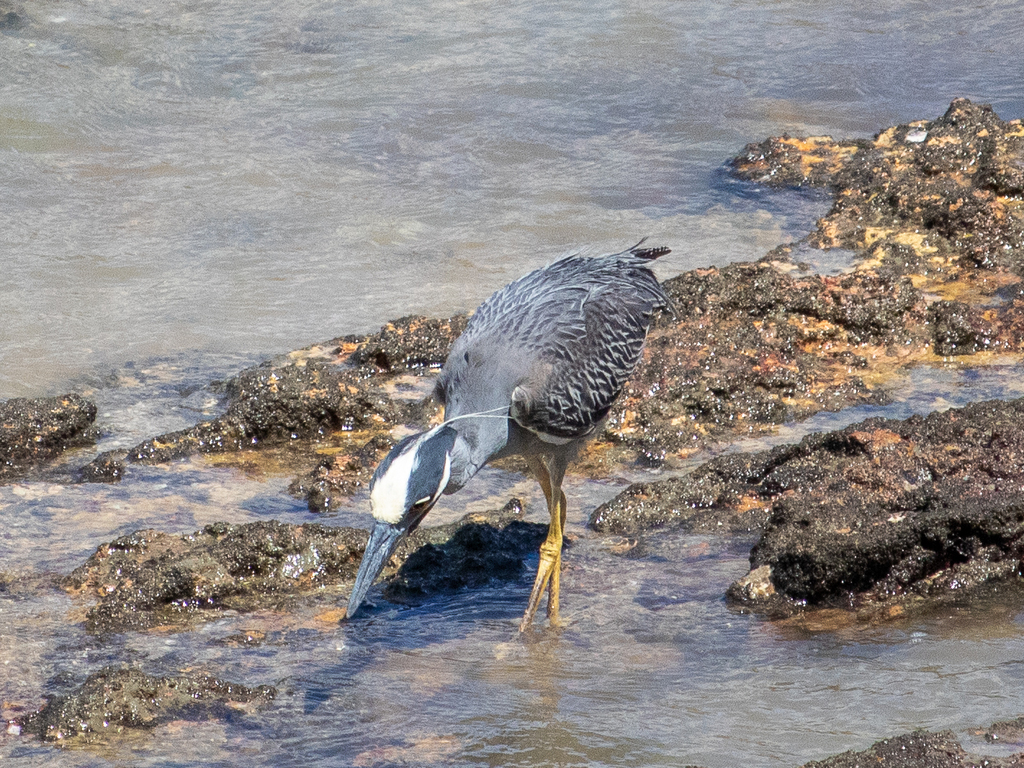
- Yellow-crowned Night-heronNyctanassa violacea
- Alder FlycatcherEmpidonax alnorum
- Black-throated Blue WarblerDendroica caerulescens
- Blue-winged WarblerVermivora pinus
- CanvasbackAythya valisineria
- Chuck-will's-widowCaprimulgus carolinensis
- Cliff SwallowPetrochelidon pyrrhonota
- Eastern BluebirdSialia sialis
- Golden-winged WarblerVermivora chrysoptera
- Northern Saw-whet OwlAegolius acadicus
- Orchard OrioleIcterus spurius
- Ring-necked DuckAythya collaris
- Snowy EgretEgretta thula
- Summer TanagerPiranga rubra
- VeeryCatharus fuscescens
- Yellow-throated WarblerDendroica dominica
- American CootFulica americana










Who uses this plant?
 12CaterpillarsGenus host records with ranges including AL
Genus host records with ranges including AL · Arundinaria
- Amblyscirtes aesculapiusLace-Winged Roadside-Skipper, Cobweb Little Skipper
- Amblyscirtes carolinaCarolina Roadside-Skipper
- Amblyscirtes reversaReversed Roadside-Skipper
- Anatrytone loganDelaware Skipper, Logan Skipper, Black-Vein Skipper
- Argillophora furcillaForked Halter Moth
- Crocidophora pustuliferalisScalloped Crocidophora
- Lerema acciusClouded Skipper, Corn Leaf tier
- Lethe creolaCreole Pearly Eye
- Lethe portlandiaSouthern Pearly Eye
- Poanes yehlYehl Skipper
Show all 12
- Franclemontia interrogans
- Protapamea danieli
 0BeesSoutheastern regional records
 0Specialist beesPollen specialists
 1BirdsRecorded genus food-resource interactions; not a state feeding claim
Recorded genus food-resource interactions; not a state feeding claim · Arundinaria
- Phasianus colchicusRing-necked Pheasant
Direct food only: birds recorded eating this genus across North America. Caterpillars on host plants also feed nesting birds. NC Native Plant Society: butterfly gardening
No records yet · Ants · Beetles · Flies · Adult butterflies / moths · Other wasps · Other insects
Plant details
- Family
- Poaceae
- Hardiness
- Zones 5a–9b
- Flower color
- Inconspicuous
- Growth rate
- Rapid
- Growth habit
- Spreads by rhizomes
- Foliage color
- Dark green
Safety has not been reviewed for this plant; check toxicity and thorns before planting.
Growing sources and scope
- Bloom · “April to July” · Weakley, Flora of the Southeastern United States (2025), Carolinas & Georgia edition · Carolinas and Georgia
- Flower color · “Inconspicuous” · NC Extension Plant Toolbox
- Foliage color · “Dark green” · USDA PLANTS · Nationwide species characteristics; local growing conditions may vary
- Growth habit · “Spreads by rhizomes” · USDA PLANTS · Nationwide species characteristics; local growing conditions may vary
- Growth rate · “Rapid” · USDA PLANTS · Nationwide species characteristics; local growing conditions may vary
- Hardiness · “Zones 5a–9b” · NC Extension Plant Toolbox
- Height · “4–25 feet” · NC Extension Plant Toolbox (ranked first; USDA PLANTS differs)
- Leaves · “Evergreen” · NC Extension Plant Toolbox
- Life cycle · “Perennial” · NC Extension Plant Toolbox
- Light · “Deep shade (less than 2 hours to no direct sunlight); Full sun (6 or more hours of direct sunlight a day); Partial shade (direct sunlight only part of the day, 2-6 hours)” · NC Extension Plant Toolbox
- Soil · “Moist; Occasionally dry; Occasionally wet” · NC Extension Plant Toolbox
- Spread · “8–20 feet” · NC Extension Plant Toolbox
Also known as
River Cane
Conservation status
| Alabama rank | SNR |
|---|---|
| Global rank | G5 |
| AL status | Not verified |
| Federal status | Not verified |
Will it fit your yard?
Check this plant against your county, sun and soil moisture. Conditions are checked in your browser.
Growing cautions
- Spreads by rhizomes. USDA PLANTS lists its growth form as rhizomatous. USDA PLANTS
For planning only; these do not change the score or Fit.
Sources
- Alabama Plant Atlas
- USDA PLANTS
- Vascular Plants of North Carolina (NC Natural Heritage Program)
- Weakley, Flora of the Southeastern United States (2025)
- Shropshire & Tallamy 2025, Lepidoptera of North America north of Mexico, ZooKeys 1261 (ODbL)
- Noori, Seltmann & Orr 2026, A curated and integrated dataset for exploring global bee-plant interactions (GloBI), Zenodo, CC BY 4.0
- Smith, Bachelder, Russell, Morales, Mosher & Seltmann 2024, Bee-Specialization-Modeling v0.6.1 (specialist host table compiled from J. Fowler's pollen specialist bee lists), Zenodo, CC BY 4.0
- Hurlbert, Olsen, Sawyer & Winner 2021, Avian Diet Database, Scientific Data 8: 260 (CC0)
- Narango, Tallamy & Shropshire 2020, Few keystone plant genera support the majority of Lepidoptera species, Nature Communications