

Apteria aphylla
Apteria aphylla
Found in wet hammocks, moist hammocks, bay swamps, other acid swamps, moist forests. Weakley, Flora of the Southeastern United States (2025), South Central edition What its natural habitat tells you
Native to Alabama. How scores work Is it native here?
Profile 6%
Will it fit your yard?No photograph yet. Looking for an old drawing…
Rare or protected plant. Specialist conservation planting; excluded from routine garden suggestions. Plant caution source
Hidden from default planting suggestions. Wildlife value and native status remain unchanged.
At a glance
Not yet recorded · Height · Spread · Light · Soil · Life cycle · Leaves · Bloom
This plant is missing most of its facts, so Quercus is looking them up in old botany books.
Recorded in 14 Alabama counties.
Natural habitats
Places it grows wild. Not a planting requirement. Each habitat page lists the plants and wildlife also found there.

Dense, evergreen groves of live oak, magnolia and other hardwoods in the southern Coastal Plain, from dry oak domes to wet hydric hammocks and south Florida's tropical hammocks; salt-shaped maritime hammocks are maritime forests.
Forests on moist but not wet ground, such as rich slopes and ravines.
Also found with this plant
Wildlife whose habitat models include habitats this plant grows in, in Alabama. Shared habitat, not food. 136 animals.
- Wood ThrushHylocichla mustelina
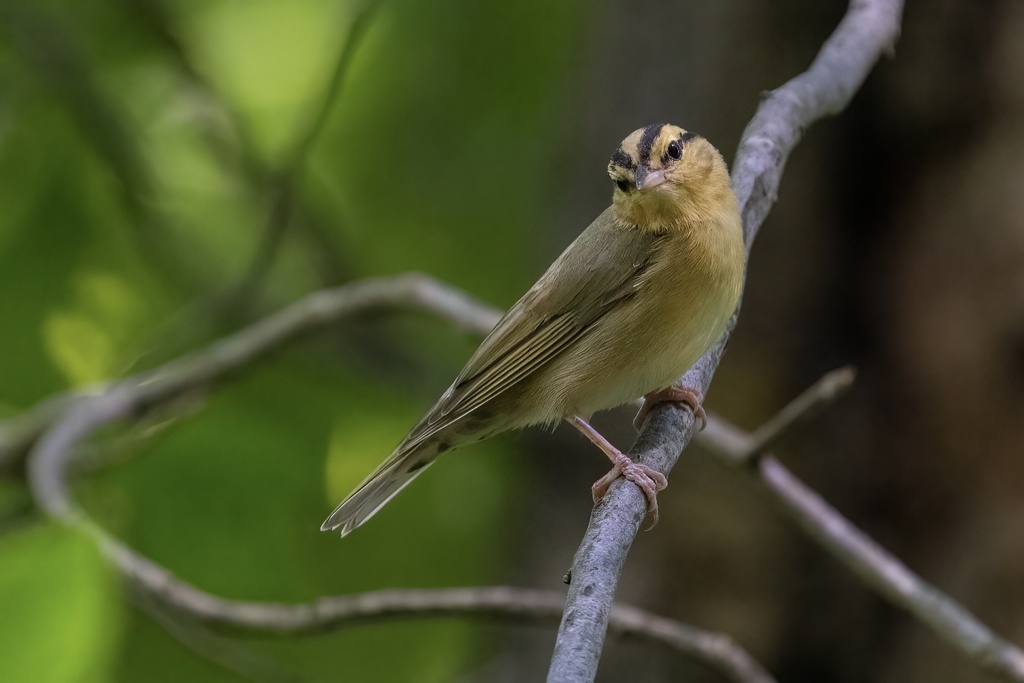
- Worm-eating WarblerHelmitheros vermivorum
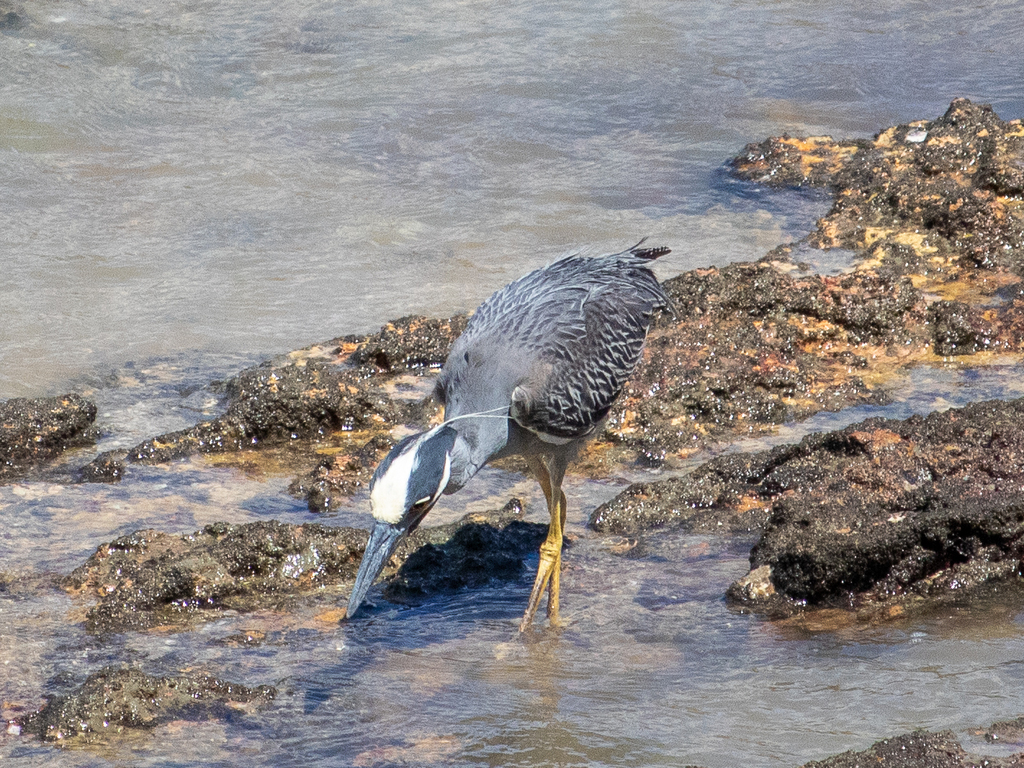
- Yellow-crowned Night-heronNyctanassa violacea
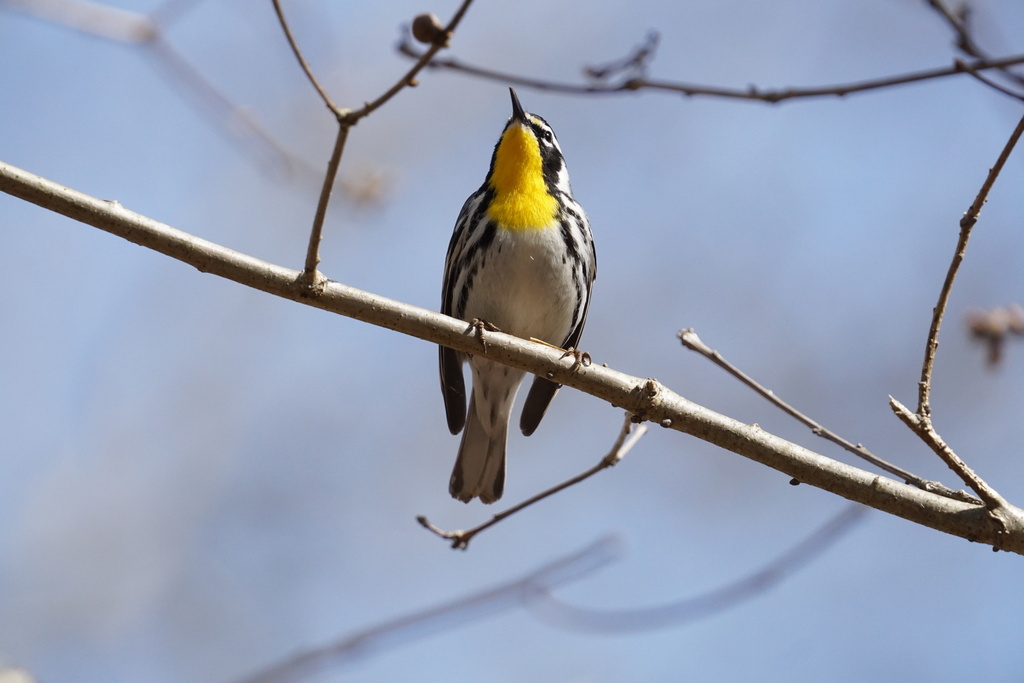
- Yellow-throated WarblerDendroica dominica
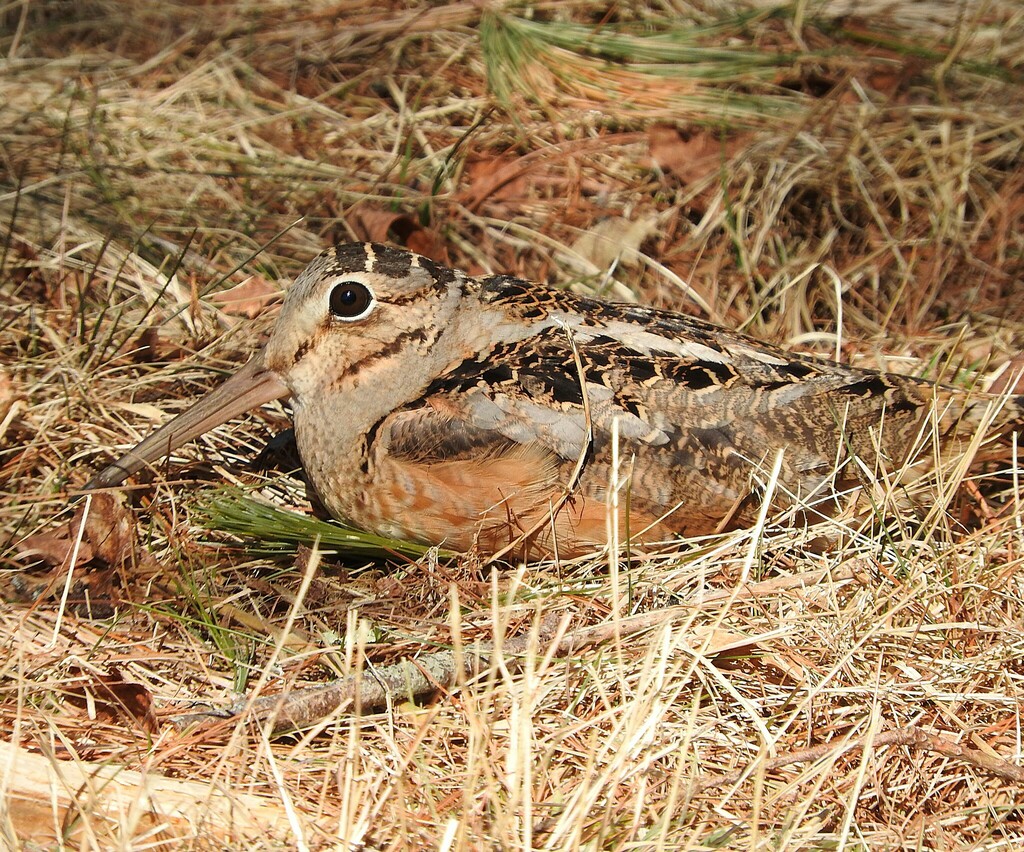
- American WoodcockScolopax minor
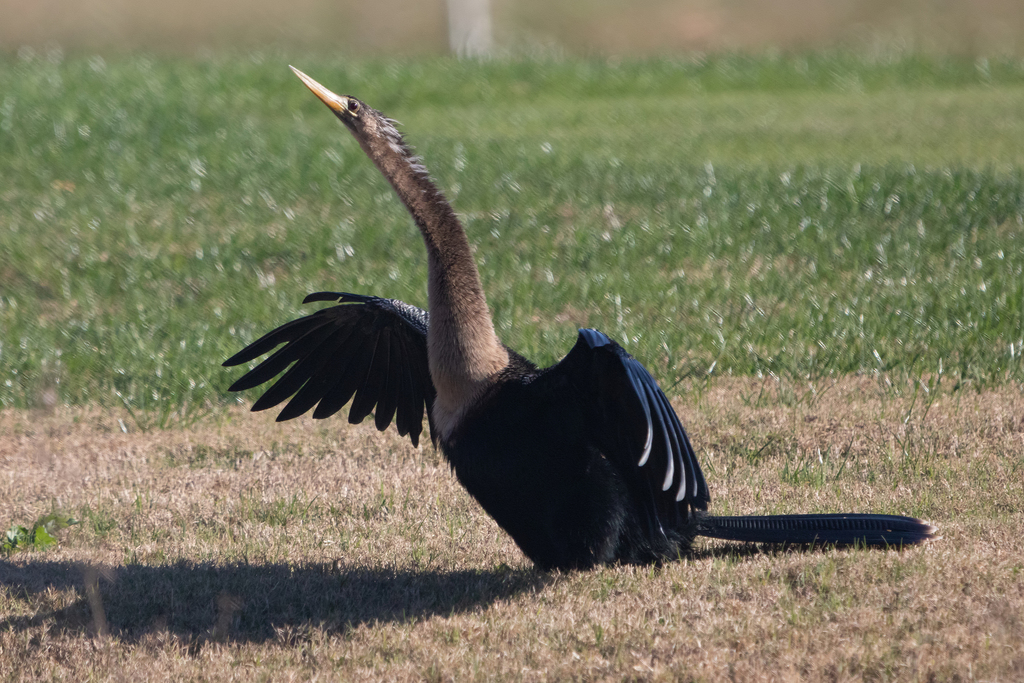
- AnhingaAnhinga anhinga
- Bald EagleHaliaeetus leucocephalus
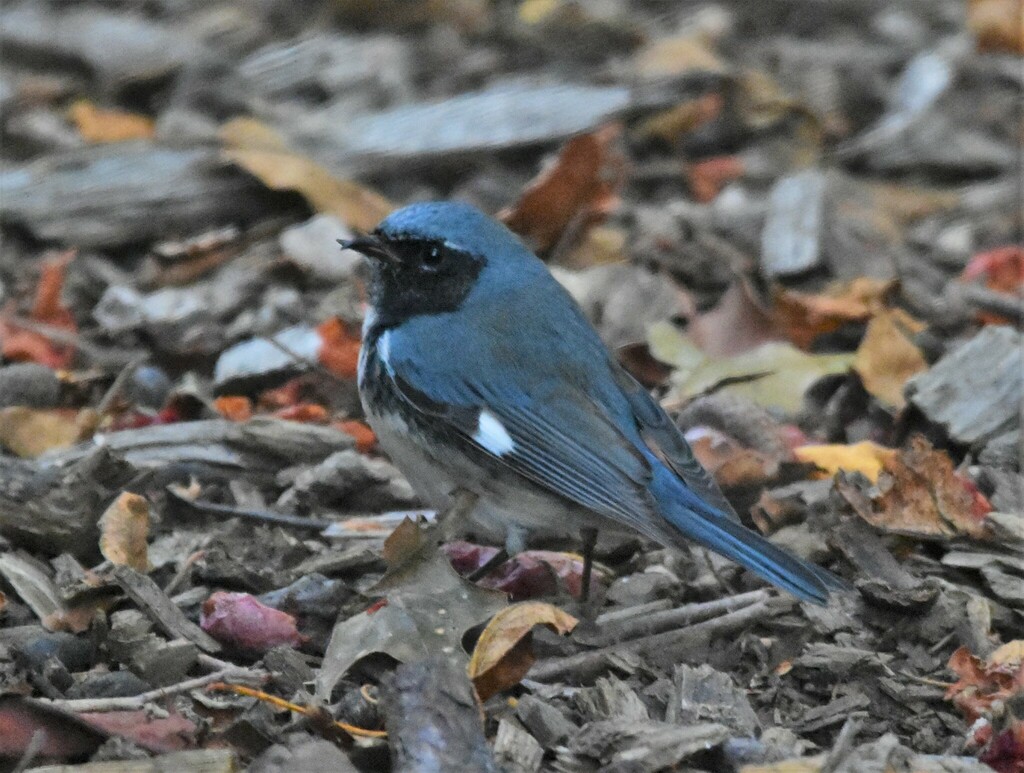
- Black-throated Blue WarblerDendroica caerulescens
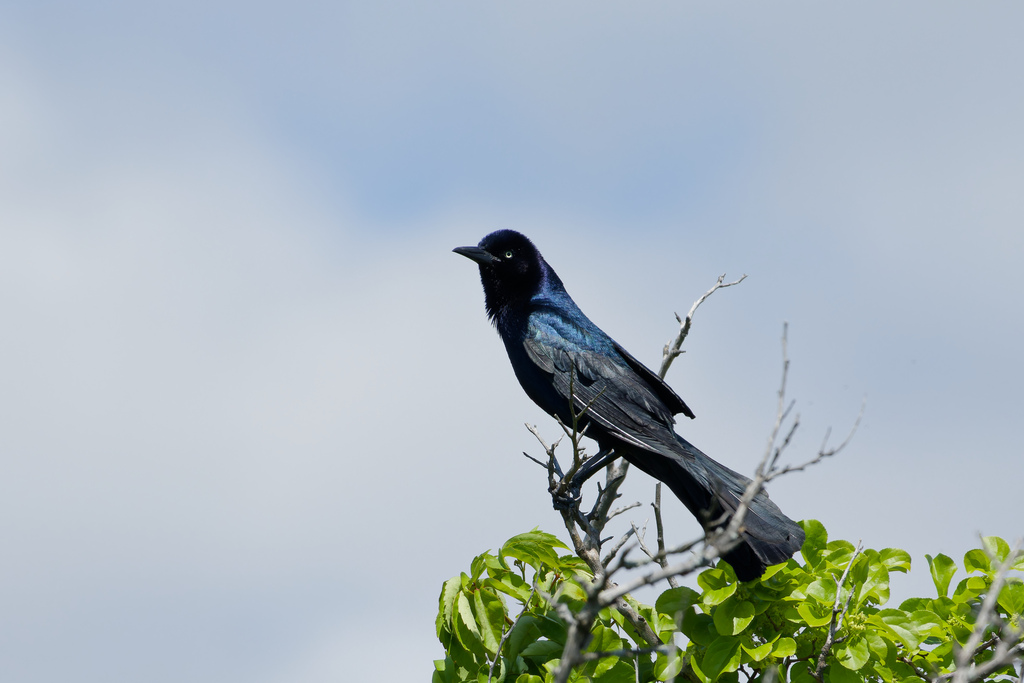
- Boat-tailed GrackleQuiscalus major
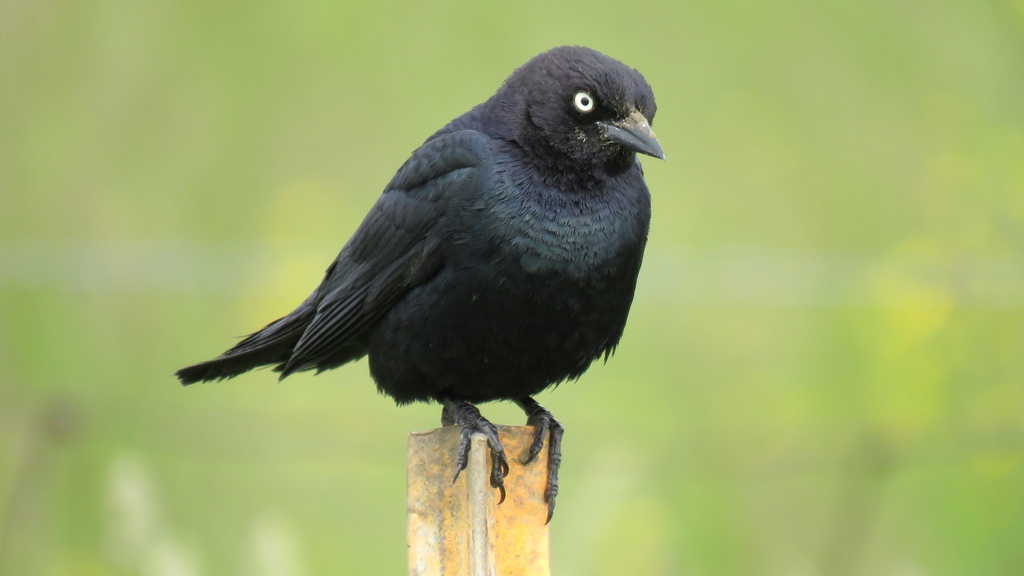
- Brewer's BlackbirdEuphagus cyanocephalus
- Brown ThrasherToxostoma rufum
- Brown-headed CowbirdMolothrus ater
- Canada GooseBranta canadensis
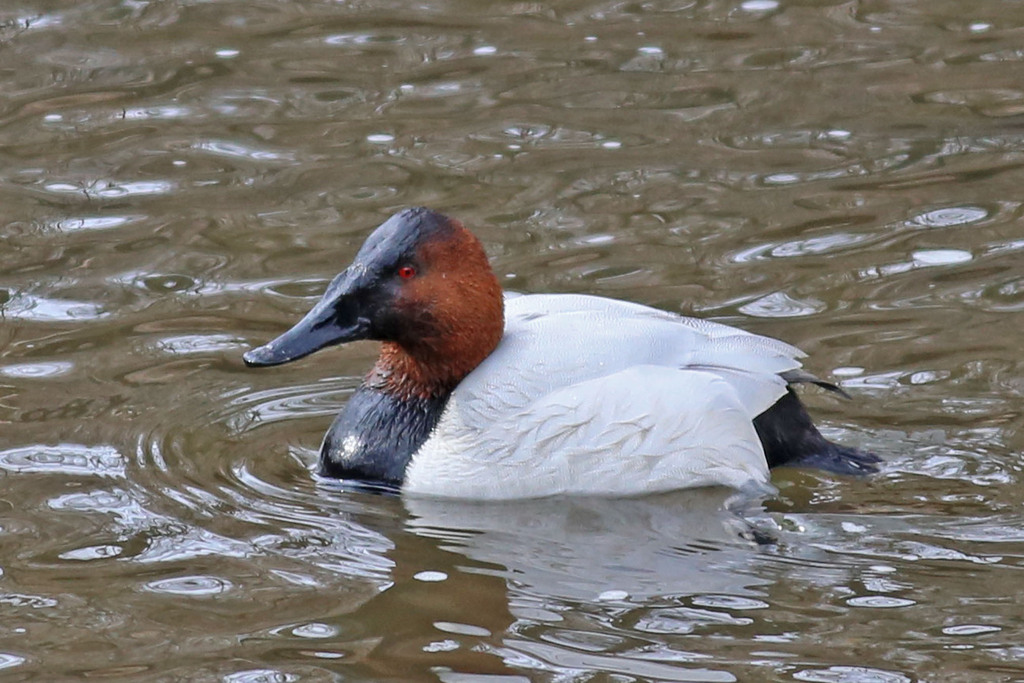
- CanvasbackAythya valisineria
- Chipping SparrowSpizella passerina
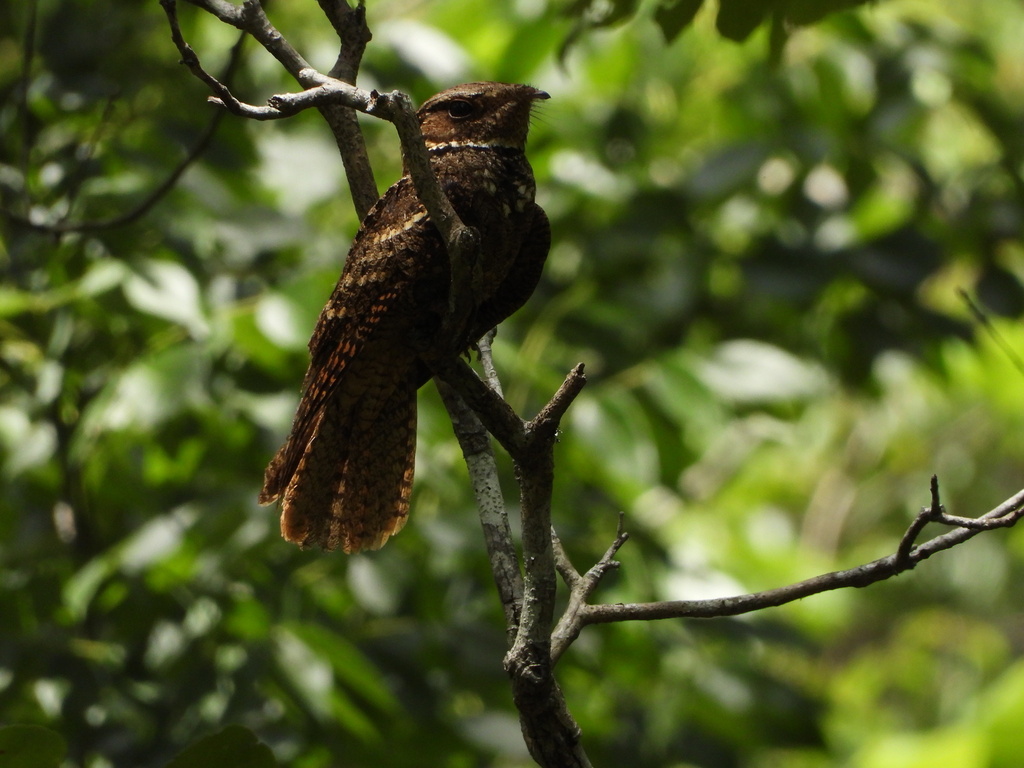
- Chuck-will's-widowCaprimulgus carolinensis
- Eastern BluebirdSialia sialis
- Eastern PhoebeSayornis phoebe
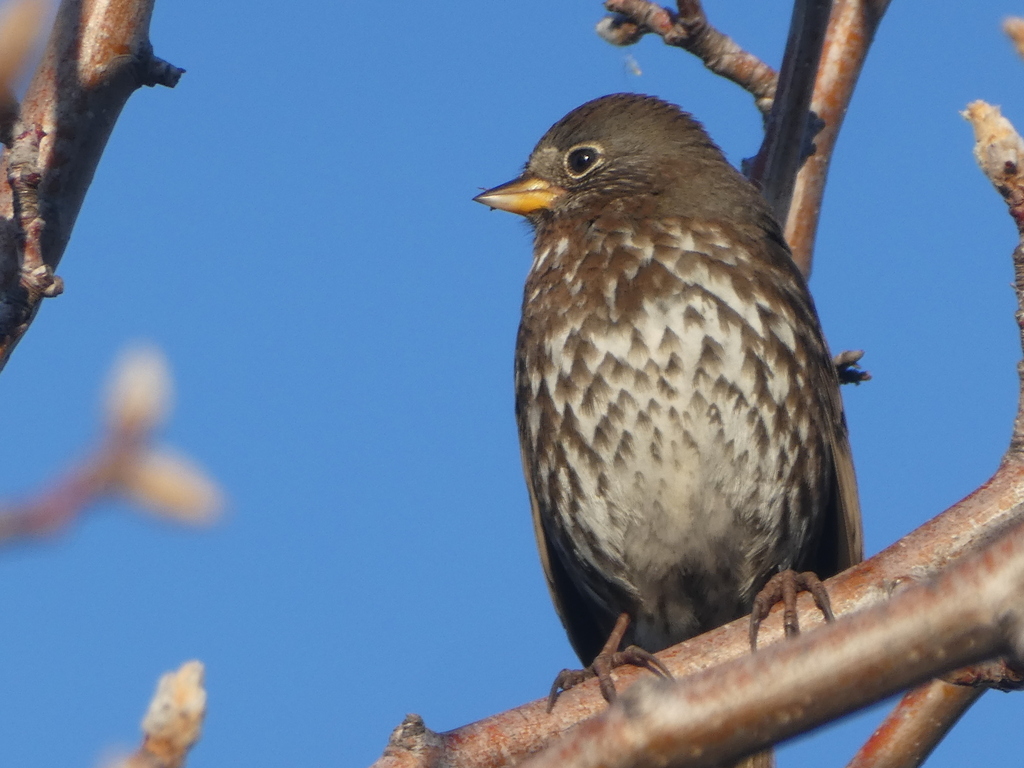
- Fox SparrowPasserella iliaca
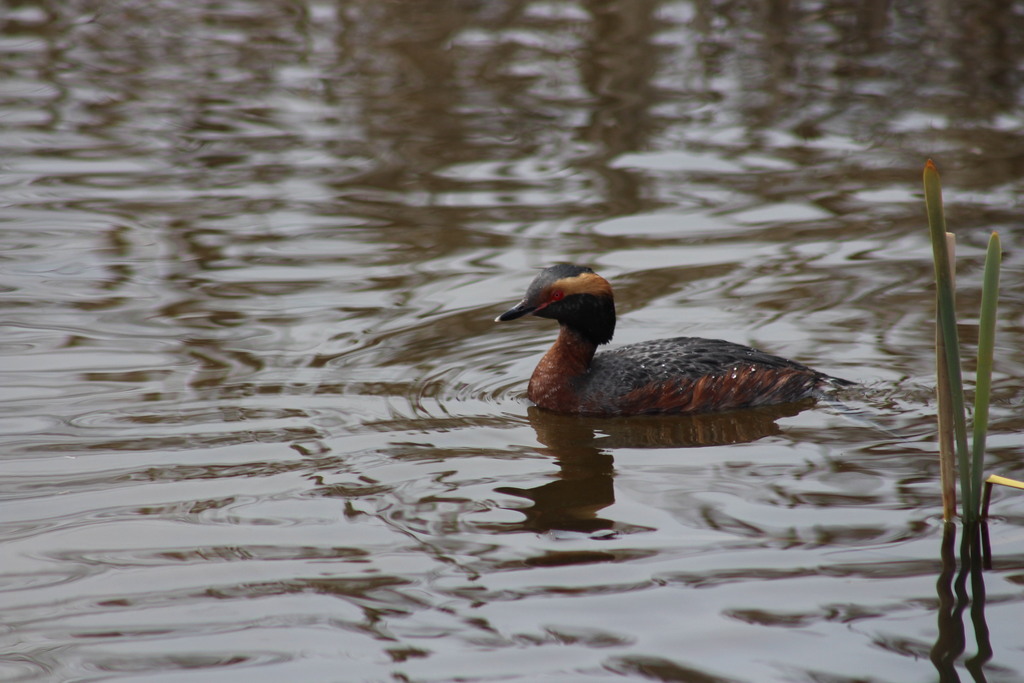
- Horned GrebePodiceps auritus
- Least SandpiperCalidris minutilla
- Lesser ScaupAythya affinis
- Little Blue HeronEgretta caerulea
- Long-billed DowitcherLimnodromus scolopaceus








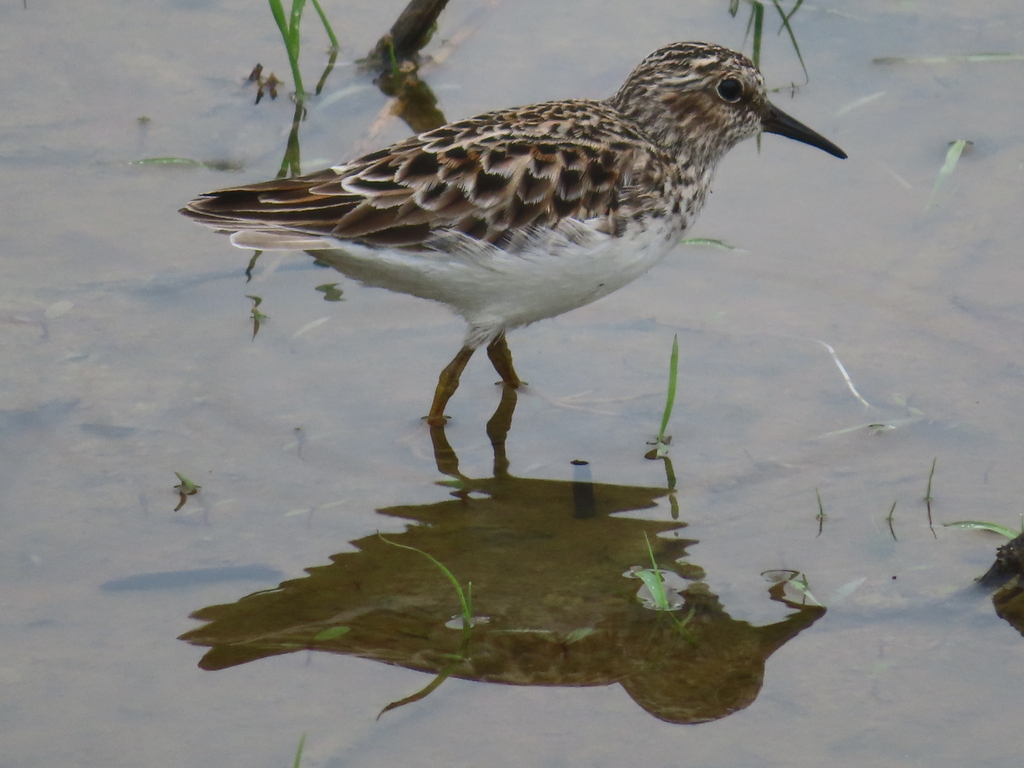

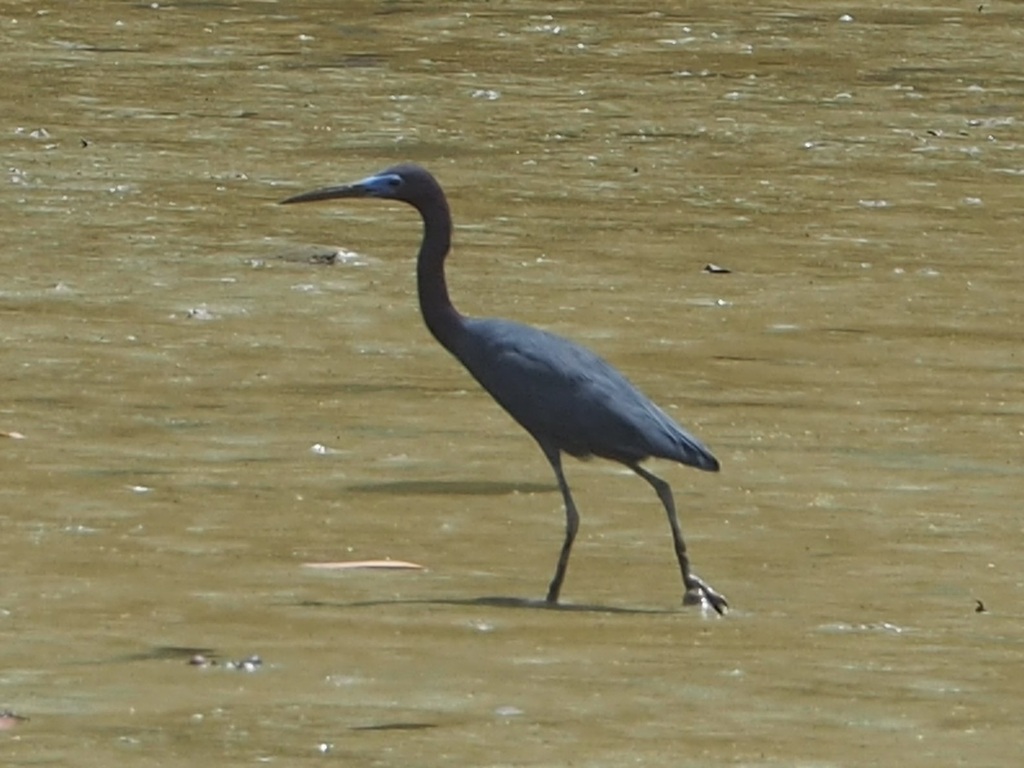
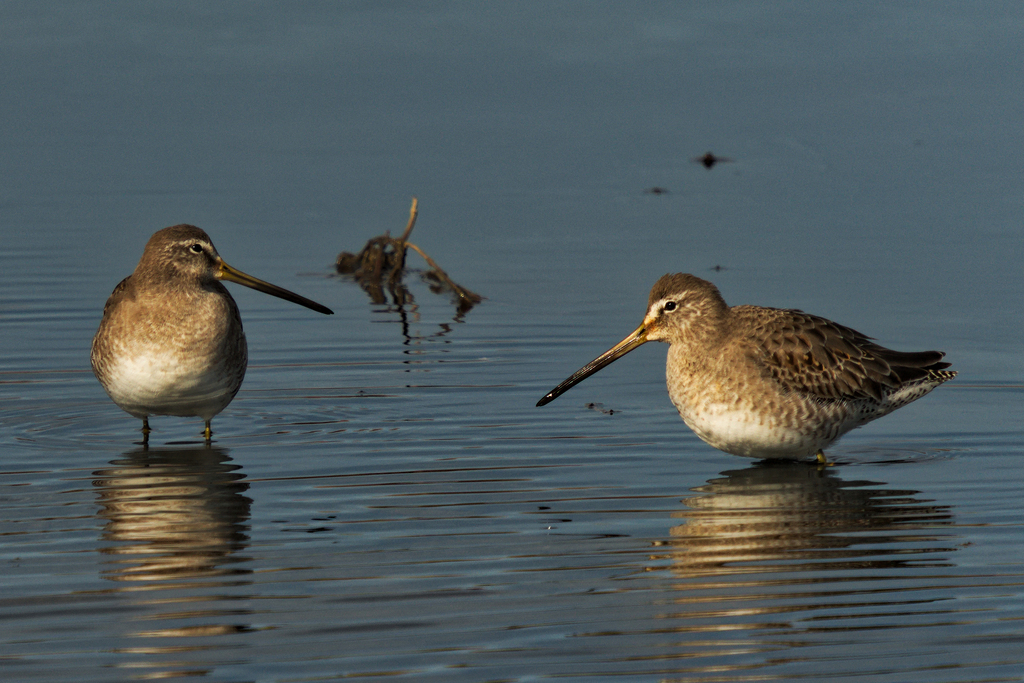
Who uses this plant?
 0CaterpillarsGenus host records with ranges including AL
 0BeesSoutheastern regional records
 0Specialist beesPollen specialists
 —BirdsRecorded genus food-resource interactions; not a state feeding claim
No records yet · Ants · Beetles · Flies · Adult butterflies / moths · Other wasps · Other insects
Plant details
- Family
- BURMANNIACEAE
Conservation status
| Alabama rank | S2 |
|---|---|
| Global rank | Not available |
| AL status | Not verified |
| Federal status | Not verified |
Will it fit your yard?
Check this plant against your county, sun and soil moisture. Conditions are checked in your browser.
Sources
- Alabama Plant Atlas
- Weakley, Flora of the Southeastern United States (2025)
- NatureServe Explorer
- Shropshire & Tallamy 2025, Lepidoptera of North America north of Mexico, ZooKeys 1261 (ODbL)
- Noori, Seltmann & Orr 2026, A curated and integrated dataset for exploring global bee-plant interactions (GloBI), Zenodo, CC BY 4.0
- Smith, Bachelder, Russell, Morales, Mosher & Seltmann 2024, Bee-Specialization-Modeling v0.6.1 (specialist host table compiled from J. Fowler's pollen specialist bee lists), Zenodo, CC BY 4.0
- Hurlbert, Olsen, Sawyer & Winner 2021, Avian Diet Database, Scientific Data 8: 260 (CC0)
- Narango, Tallamy & Shropshire 2020, Few keystone plant genera support the majority of Lepidoptera species, Nature Communications