

Amphianthus pusillus
Gratiola amphiantha
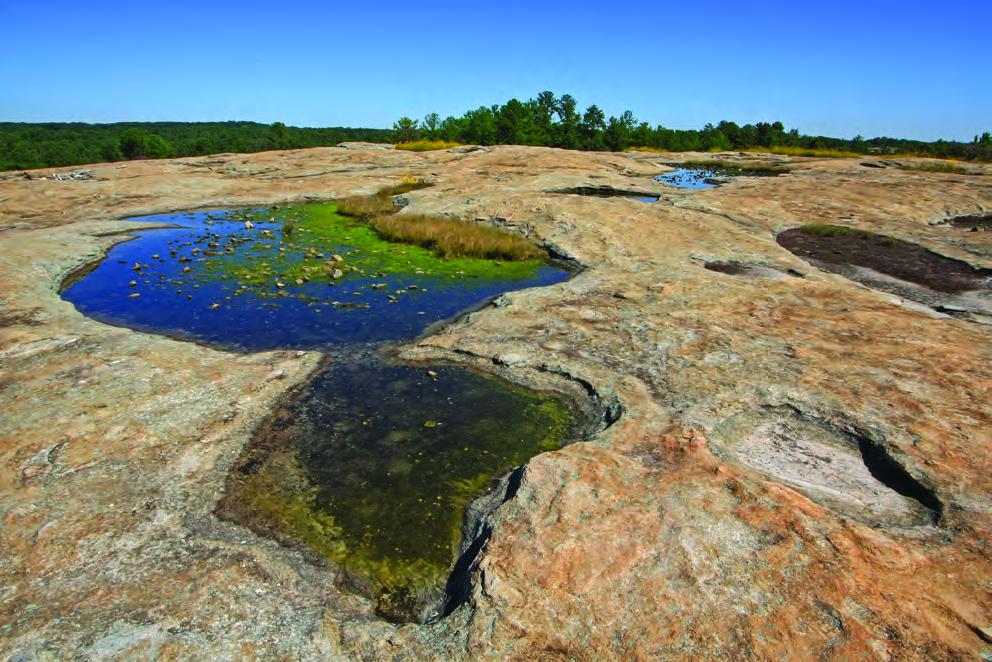
Found in vernal pools on granitic flatrocks. FloraQuest, phone app (app page) What its natural habitat tells you
Native to Alabama. How scores work Is it native here?
Profile 6%
Will it fit your yard?No photograph yet. Looking for an old drawing…
Federally threatened. Excluded from routine garden suggestions. Consult conservation guidance before obtaining or planting this species. Plant caution source
Hidden from default planting suggestions. Wildlife value and native status remain unchanged.
At a glance
Not yet recorded · Height · Spread · Light · Soil · Life cycle · Leaves · Bloom
This plant is missing most of its facts, so Quercus is looking them up in old botany books.
Recorded in 4 Alabama counties.
Natural habitats
Places it grows wild. Not a planting requirement. Each habitat page lists the plants and wildlife also found there.
Granite and other acidic rock outcrops
Also found with this plant
Wildlife whose habitat models include habitats this plant grows in, in Alabama. Shared habitat, not food. 15 animals.
- American CrowCorvus brachyrhynchos
- Bank SwallowRiparia riparia
- Chimney SwiftChaetura pelagica
- Common NighthawkChordeiles minor
- Dark-eyed JuncoJunco hyemalis
- Eastern KingbirdTyrannus tyrannus
- Eastern PhoebeSayornis phoebe
- European StarlingSturnus vulgaris
- Great Horned OwlBubo virginianus
- Mourning DoveZenaida macroura
- Northern FlickerColaptes auratus
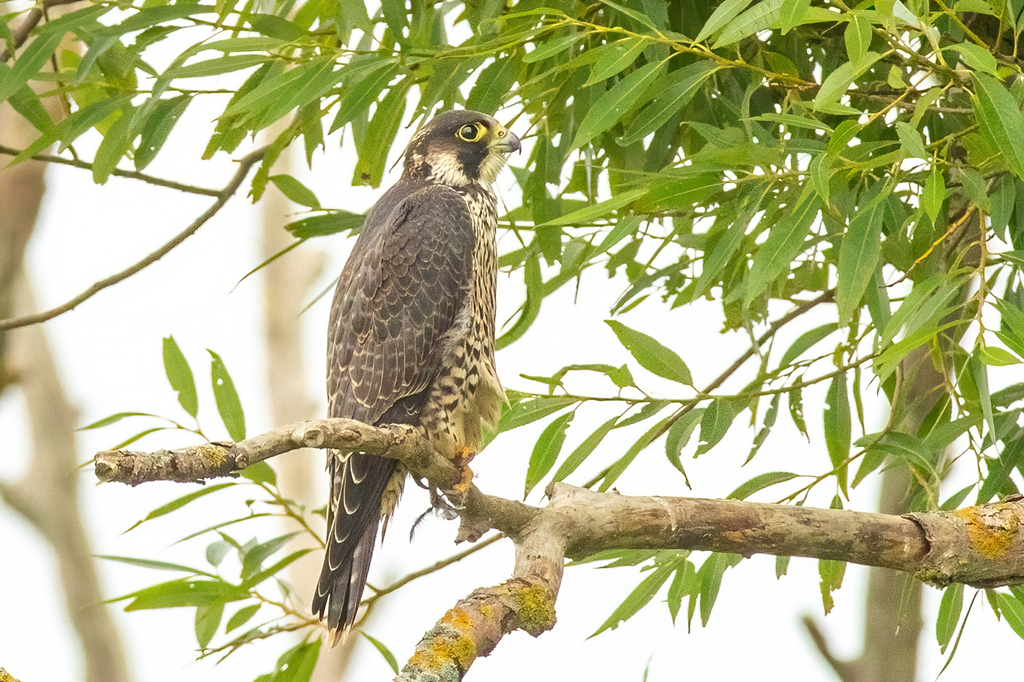
- Peregrine FalconFalco peregrinus
- Red-tailed HawkButeo jamaicensis
- Sharp-shinned HawkAccipiter striatus
- Turkey VultureCathartes aura














Who uses this plant?
 0CaterpillarsGenus host records with ranges including AL
 0BeesSoutheastern regional records
 0Specialist beesPollen specialists
 —BirdsRecorded genus food-resource interactions; not a state feeding claim
No records yet · Ants · Beetles · Flies · Adult butterflies / moths · Other wasps · Other insects
Plant details
- Family
- PLANTAGINACEAE
Also known as
Gratiola amphiantha
Conservation status
| Alabama rank | S1 |
|---|---|
| Global rank | Not available |
| AL status | Not verified |
| Federal status | Threatened (US Fish and Wildlife Service) |
Conservation source Federal status source: US Fish and Wildlife Service
Will it fit your yard?
Check this plant against your county, sun and soil moisture. Conditions are checked in your browser.
Sources
- Alabama Plant Atlas
- FloraQuest: South Central (Weakley), phone app (app page)
- NatureServe Explorer
- Shropshire & Tallamy 2025, Lepidoptera of North America north of Mexico, ZooKeys 1261 (ODbL)
- Noori, Seltmann & Orr 2026, A curated and integrated dataset for exploring global bee-plant interactions (GloBI), Zenodo, CC BY 4.0
- Smith, Bachelder, Russell, Morales, Mosher & Seltmann 2024, Bee-Specialization-Modeling v0.6.1 (specialist host table compiled from J. Fowler's pollen specialist bee lists), Zenodo, CC BY 4.0
- Hurlbert, Olsen, Sawyer & Winner 2021, Avian Diet Database, Scientific Data 8: 260 (CC0)
- Narango, Tallamy & Shropshire 2020, Few keystone plant genera support the majority of Lepidoptera species, Nature Communications