

Climbing Aster
Ampelaster carolinianus
Found in swamps, thickets, marshes, streambanks, freshwater tidal marshes and swamps. FloraQuest, phone app (app page) What its natural habitat tells you
Native to Alabama. How scores work Is it native here?
Profile 100%
- Height
- 6–10 feet
- Spread
- 3–5 feet
- Light
- Full sun, Partial shade
- Soil moisture
- Somewhat dry to moist
Space about 4 ft apart from its recorded spread, about 6 per 100 sq ft. Enter your bed size for a count
Will it fit your yard?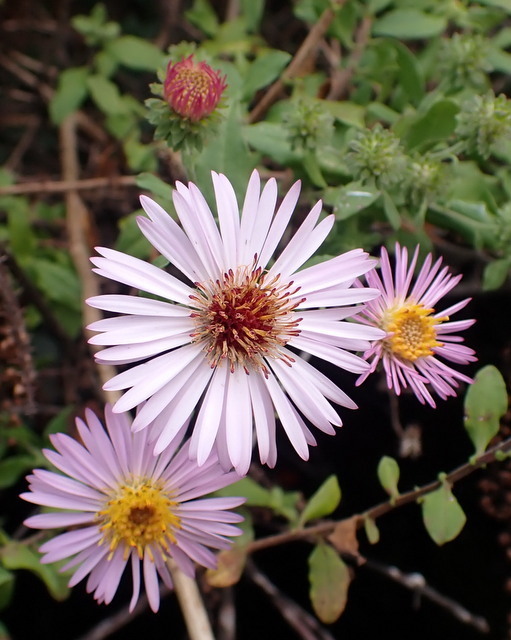
Rare or protected plant. Specialist conservation planting; excluded from routine garden suggestions. Plant caution source
Hidden from default planting suggestions. Wildlife value and native status remain unchanged.
At a glance
- Life cycle
- Woody perennial
- Leaves
- Deciduous
- Bloom
- September to December
Recorded in 1 Alabama county.
Natural habitats
Places it grows wild. Not a planting requirement. Each habitat page lists the plants and wildlife also found there.
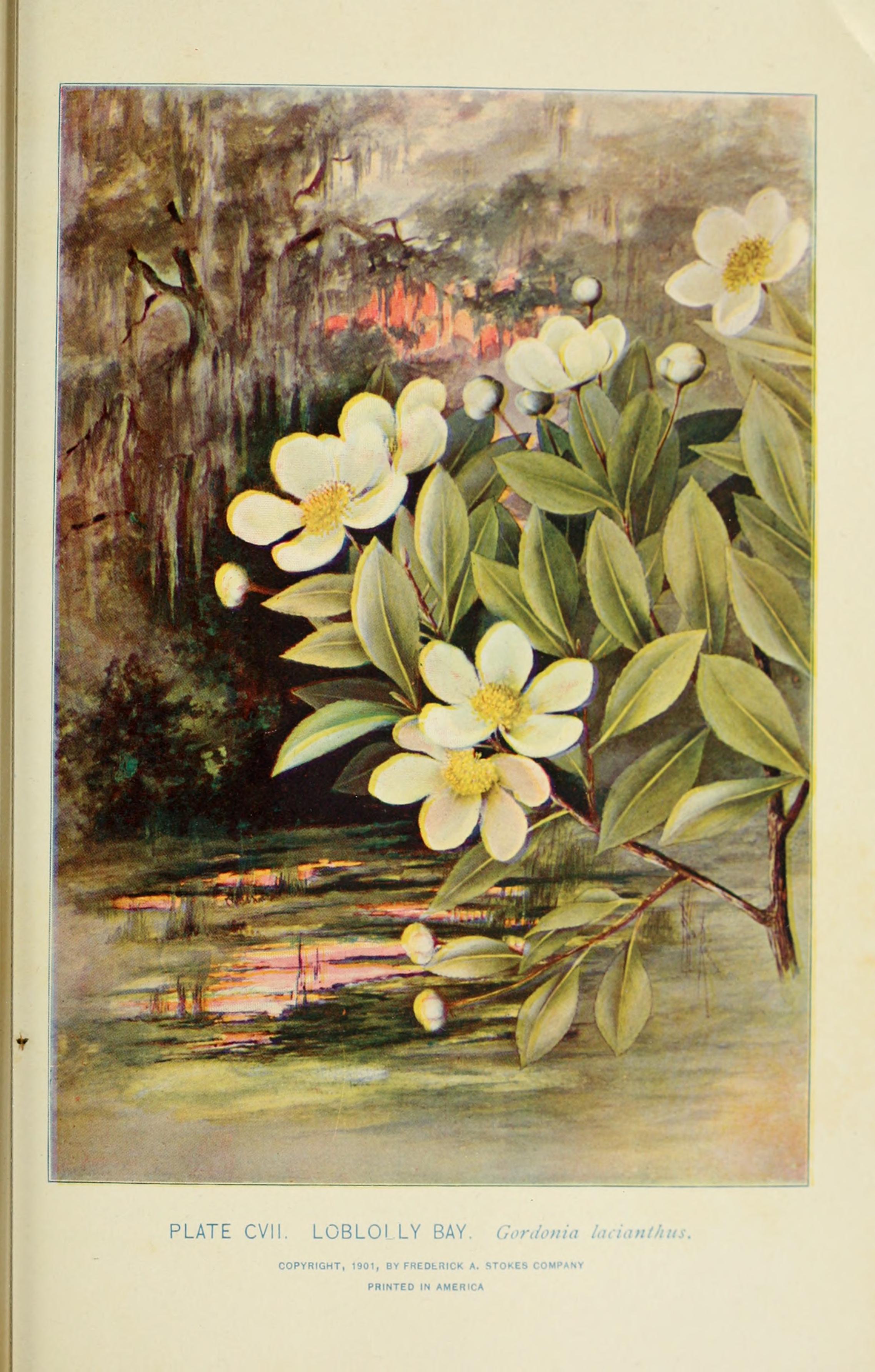
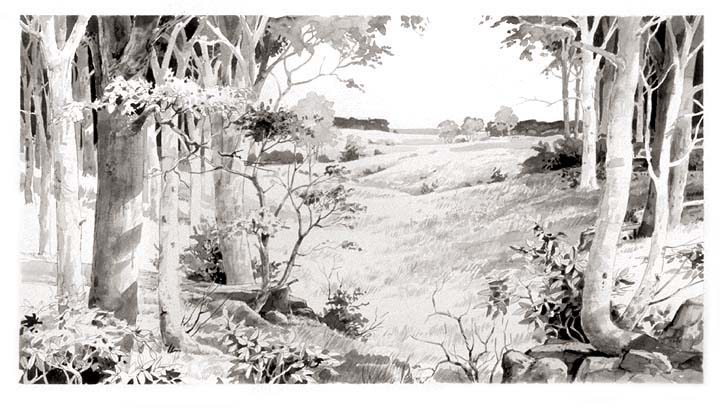

Streams, rivers and their banks
Flowing water and its banks, bars and rocky shoals.
Marshes along tidal rivers where the water is fresh but rises and falls with the tide.
Who uses this plant?
 2CaterpillarsGenus host records with ranges including AL
Genus host records with ranges including AL · Ampelaster
- Eupithecia miserulataCommon Eupithacia, Common Pug
- Synchlora frondariaSouthern Emerald
 54BeesSoutheastern regional records
Southeastern regional records · Aster
Individual names are not available yet.
Noori, Seltmann & Orr 2026, A curated and integrated dataset for exploring global bee-plant interactions (GloBI), Zenodo, CC BY 4.0 25Specialist beesPollen specialists
Pollen specialists · Aster
- Andrena asteris
- Andrena braccata
- Andrena chromotricha
- Andrena fulvipennis
- Andrena hirticincta
- Andrena nubecula
- Andrena placata
- Andrena simplex
- Ashmeadiella bucconis
- Colletes americanus
Show all 25
- Colletes compactus
- Colletes speculiferus
- Dianthidium curvatum
- Melissodes denticulatus
- Melissodes dentiventris
- Melissodes druriellus
- Melissodes illatus
- Melissodes niveus
- Melissodes subillatus
- Melissodes trinodis
- Melissodes wheeleri
- Paranthidium jugatorium
- Perdita octomaculata
- Protandrena citripes
- Protandrena compositarum
 3BirdsRecorded genus food-resource interactions; not a state feeding claim
Recorded genus food-resource interactions; not a state feeding claim · Aster
- Alectoris chukarChukar
- Bonasa umbellusRuffed Grouse
- Centrocercus urophasianusGreater Sage-Grouse
Direct food only: birds recorded eating this genus across North America. Caterpillars on host plants also feed nesting birds. NC Native Plant Society: butterfly gardening
No records yet · Ants · Beetles · Flies · Adult butterflies / moths · Other wasps · Other insects
Plant details
- Family
- Asteraceae
- Hardiness
- Zones 6a–9b
- Soil pH
- Neutral
- Flower color
- Pink or purple
Growing sources and scope
- Bloom · “Late September to December” · FloraQuest: Carolinas, Georgia (Southeastern Flora Team), phone app (app page) · Carolinas and Georgia
- Flower color · “Pink or purple” · NC Extension Plant Toolbox
- Hardiness · “Zones 6a–9b” · NC Extension Plant Toolbox (ranked first; Missouri Botanical Garden Plant Finder differs)
- Height · “6–10 feet” · Missouri Botanical Garden Plant Finder
- Leaves · “Deciduous” · NC Extension Plant Toolbox
- Life cycle · “Woody perennial” · NC Extension Plant Toolbox (ranked first; Lady Bird Johnson Wildflower Center differs)
- Light · “Full sun (6 or more hours of direct sunlight a day); Partial shade (direct sunlight only part of the day, 2-6 hours)” · NC Extension Plant Toolbox (ranked first; Lady Bird Johnson Wildflower Center, Missouri Botanical Garden Plant Finder differ)
- Soil · “Moist; Occasionally dry; Occasionally wet” · NC Extension Plant Toolbox (ranked first; Lady Bird Johnson Wildflower Center, Missouri Botanical Garden Plant Finder differ)
- Soil pH · “Neutral” · NC Extension Plant Toolbox
- Spread · “3–5 feet” · Missouri Botanical Garden Plant Finder
Also known as
Aster carolinianus; Symphyotrichum carolinianum; aster
Conservation status
| Alabama rank | S1 |
|---|---|
| Global rank | G5 |
| AL status | Not verified |
| Federal status | Not verified |
Will it fit your yard?
Check this plant against your county, sun and soil moisture. Conditions are checked in your browser.
Sources
- Alabama Plant Atlas
- USDA PLANTS
- Vascular Plants of North Carolina (NC Natural Heritage Program)
- NatureServe Explorer
- Shropshire & Tallamy 2025, Lepidoptera of North America north of Mexico, ZooKeys 1261 (ODbL)
- Noori, Seltmann & Orr 2026, A curated and integrated dataset for exploring global bee-plant interactions (GloBI), Zenodo, CC BY 4.0
- Smith, Bachelder, Russell, Morales, Mosher & Seltmann 2024, Bee-Specialization-Modeling v0.6.1 (specialist host table compiled from J. Fowler's pollen specialist bee lists), Zenodo, CC BY 4.0
- Hurlbert, Olsen, Sawyer & Winner 2021, Avian Diet Database, Scientific Data 8: 260 (CC0)
- Narango, Tallamy & Shropshire 2020, Few keystone plant genera support the majority of Lepidoptera species, Nature Communications