

Dark Indigo Bush
Amorpha nitens
Found in forests and woodlands; moist forests; streams, rivers and their banks; glades, barrens and outcrops on limestone; glades, barrens and outcrops on mafic or serpentine rock; sandhills; floodplain and bottomland forests. Weakley, Flora of the Southeastern United States (2025), South Central edition What its natural habitat tells you
Native to Alabama. How scores work Is it native here?
Profile 88%
- Height
- Up to about 10 feet
- Light
- Partial shade, Full sun
- Soil moisture
- Dry to wet
No photograph yet. Looking for an old drawing…
Rare or protected plant. Specialist conservation planting; excluded from routine garden suggestions. Plant caution source
Hidden from default planting suggestions. Wildlife value and native status remain unchanged.
At a glance
- Life cycle
- Perennial
- Bloom
- April to June
Not yet recorded · Spread · Leaves
Recorded in 10 Alabama counties.
Natural habitats
Places it grows wild. Not a planting requirement. Each habitat page lists the plants and wildlife also found there.
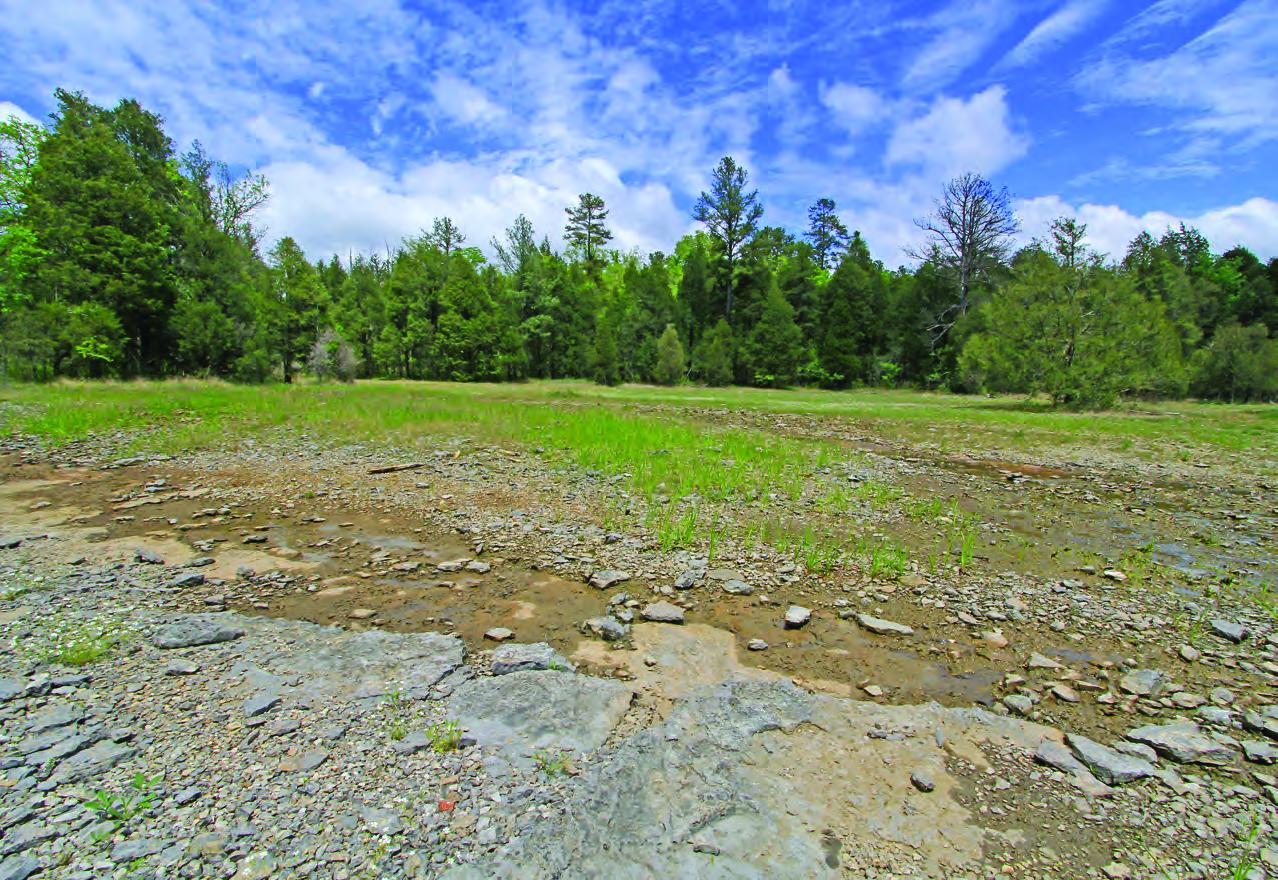
Glades, barrens and outcrops on limestone
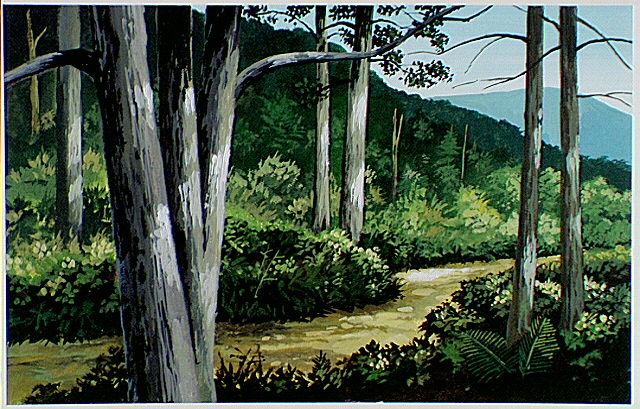
Forests on moist but not wet ground, such as rich slopes and ravines.
Streams, rivers and their banks
Flowing water and its banks, bars and rocky shoals.
Glades, barrens and outcrops on mafic or serpentine rock
Open, thin-soil openings, outcrops and cliffs on dark, magnesium- or iron-rich rock such as serpentine, diabase or gabbro.
Dry, deep-sand ridges with longleaf pine and turkey oak, kept open by fire.
Floodplain and bottomland forests
Forests on low ground beside rivers and streams that flood from time to time.
Also found with this plant
Wildlife whose habitat models include habitats this plant grows in, in Alabama. Shared habitat, not food. 88 animals.
- American GoldfinchCarduelis tristis
- American KestrelFalco sparverius
- American RobinTurdus migratorius
- Belted KingfisherMegaceryle alcyon
- Black VultureCoragyps atratus
- Black-and-White WarblerMniotilta varia
- Blue GrosbeakPasserina caerulea
- Blue JayCyanocitta cristata
- Blue-gray GnatcatcherPolioptila caerulea
- Brown CreeperCerthia americana
- Brown ThrasherToxostoma rufum
- Cedar WaxwingBombycilla cedrorum
- Chimney SwiftChaetura pelagica
- Chipping SparrowSpizella passerina
- Common NighthawkChordeiles minor
- Common YellowthroatGeothlypis trichas
- Cooper's HawkAccipiter cooperii
- Dark-eyed JuncoJunco hyemalis
- Double-crested CormorantPhalacrocorax auritus
- Downy WoodpeckerPicoides pubescens
- Eastern KingbirdTyrannus tyrannus
- European StarlingSturnus vulgaris
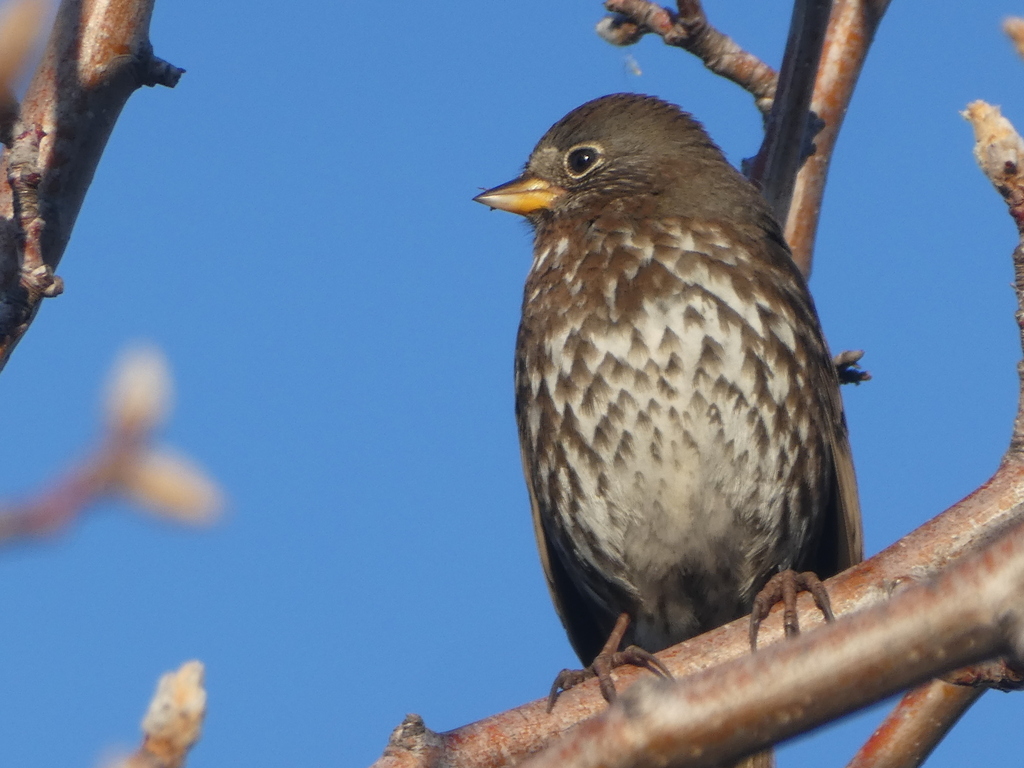
- Fox SparrowPasserella iliaca
- Golden-crowned KingletRegulus satrapa























Who uses this plant?
 26CaterpillarsGenus host records with ranges including AL
Genus host records with ranges including AL · Amorpha
- Epargyreus clarusSilver-spotted Skipper
- Achatia distinctaDistinct Quaker
- Agonopterix argillaceaClay-Colored Agonopterix
- Archips argyrospilaFruit-Tree Leafroller Moth
- Automeris ioIo Moth
- Catocala amestrisThree-Staff Underwing
- Catocala consorsThe Consort
- Catocala habilisHabilis Underwing
- Catocala illectaMagdalen Underwing
- Cecropterus lyciadesHoary Edge
Show all 26
- Cecropterus pyladesNorthern Cloudywing
- Choristoneura rosaceanaOblique-Banded Leafroller Moth, Rosaceous Leaf Roller
- Dasylophia anguinaBlack-Spotted Prominent
- Hypena scabraGreen Cloverworm Bomolocha, Black Snout
- Iridopsis ephyrariaPale-Winged Gray
- Lithophane antennataAshen Pinion
- Pandemis limitataThree-Lined Leafroller Moth
- Parectopa robiniellaLocust Digitate Leafminer
- Platynota rostranaOmnivorous Platynota
- Pleuroprucha insulsariaCommon Tan Wave
- Schinia lucensAmorpha Flower Moth, Leadplant Moth, Flase Indigo Flower Moth
- Strymon melinusGray Hairstreak
- Uresiphita reversalisGenista Caterpillar, Genista Cbroom Moth
- Zerene cesoniaSouthern Dogface
- Sinoe robiniella
- Sitochroa dasconalis
 27BeesSoutheastern regional records
Southeastern regional records · Amorpha
Individual names are not available yet.
Noori, Seltmann & Orr 2026, A curated and integrated dataset for exploring global bee-plant interactions (GloBI), Zenodo, CC BY 4.0 3Specialist beesPollen specialists
Pollen specialists · Amorpha
- Andrena cragini
- Colletes susannae
- Hoplitis micheneri
 —BirdsRecorded genus food-resource interactions; not a state feeding claim
No records yet · Ants · Beetles · Flies · Adult butterflies / moths · Other wasps · Other insects
Plant details
- Family
- Fabaceae
- Flower color
- Purple
Growing sources and scope
- Bloom · “April to June” · Weakley, Flora of the Southeastern United States (2025), Carolinas & Georgia edition · Carolinas and Georgia
- Flower color · “Purple” · Lady Bird Johnson Wildflower Center
- Height · “Up to about 10 feet” · Lady Bird Johnson Wildflower Center
- Life cycle · “Perennial” · Lady Bird Johnson Wildflower Center
- Light · “Partial shade; Full sun (documented habitat)” · Weakley, Flora of the Southeastern United States (2025), Carolinas & Georgia edition · Carolinas and Georgia
- primary_flower_color · “purple” · Lady Bird Johnson Wildflower Center
- Soil · “Dry; Moist; Wet (documented habitat)” · Weakley, Flora of the Southeastern United States (2025), Carolinas & Georgia edition · Carolinas and Georgia
Also known as
Shining False Indigo Bush
Conservation status
| Alabama rank | S1? |
|---|---|
| Global rank | Not available |
| AL status | Not verified |
| Federal status | Not verified |
Will it fit your yard?
Check this plant against your county, sun and soil moisture. Conditions are checked in your browser.
Sources
- Alabama Plant Atlas
- Weakley, Flora of the Southeastern United States (2025)
- NatureServe Explorer
- Shropshire & Tallamy 2025, Lepidoptera of North America north of Mexico, ZooKeys 1261 (ODbL)
- Noori, Seltmann & Orr 2026, A curated and integrated dataset for exploring global bee-plant interactions (GloBI), Zenodo, CC BY 4.0
- Smith, Bachelder, Russell, Morales, Mosher & Seltmann 2024, Bee-Specialization-Modeling v0.6.1 (specialist host table compiled from J. Fowler's pollen specialist bee lists), Zenodo, CC BY 4.0
- Hurlbert, Olsen, Sawyer & Winner 2021, Avian Diet Database, Scientific Data 8: 260 (CC0)
- Narango, Tallamy & Shropshire 2020, Few keystone plant genera support the majority of Lepidoptera species, Nature Communications