

Nodding Onion
Allium cernuum
Generally in open woodlands or around outcrops of shale, mafic, ultramafic, or calcareous rocks, in the mountains at low elevations. Weakley, Flora of the Southeastern United States (2025), South Central edition What its natural habitat tells you
Native to Alabama. How scores work Is it native here?
Profile 100%
- Height
- 6 inches–2 feet
- Spread
- 4–12 inches
- Light
- Full sun, Partial shade
- Soil moisture
- Somewhat dry to moist
Space about 1 ft apart from its recorded spread, about 100 per 100 sq ft. Enter your bed size for a count
Will it fit your yard?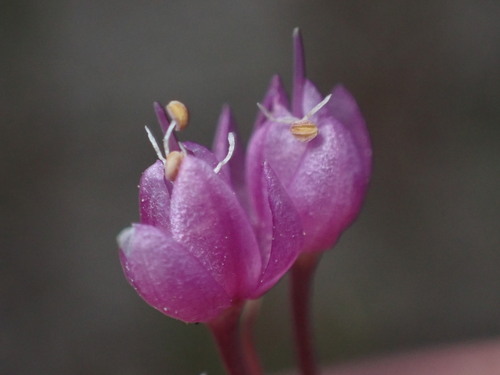
At a glance
- Life cycle
- Perennial, from a bulb
- Bloom
- Summer
- Fruiting season
- August to October
Not yet recorded · Leaves
Recorded in 9 Alabama counties.
Natural habitats
Places it grows wild. Not a planting requirement. Each habitat page lists the plants and wildlife also found there.
Glades, barrens and outcrops on limestone
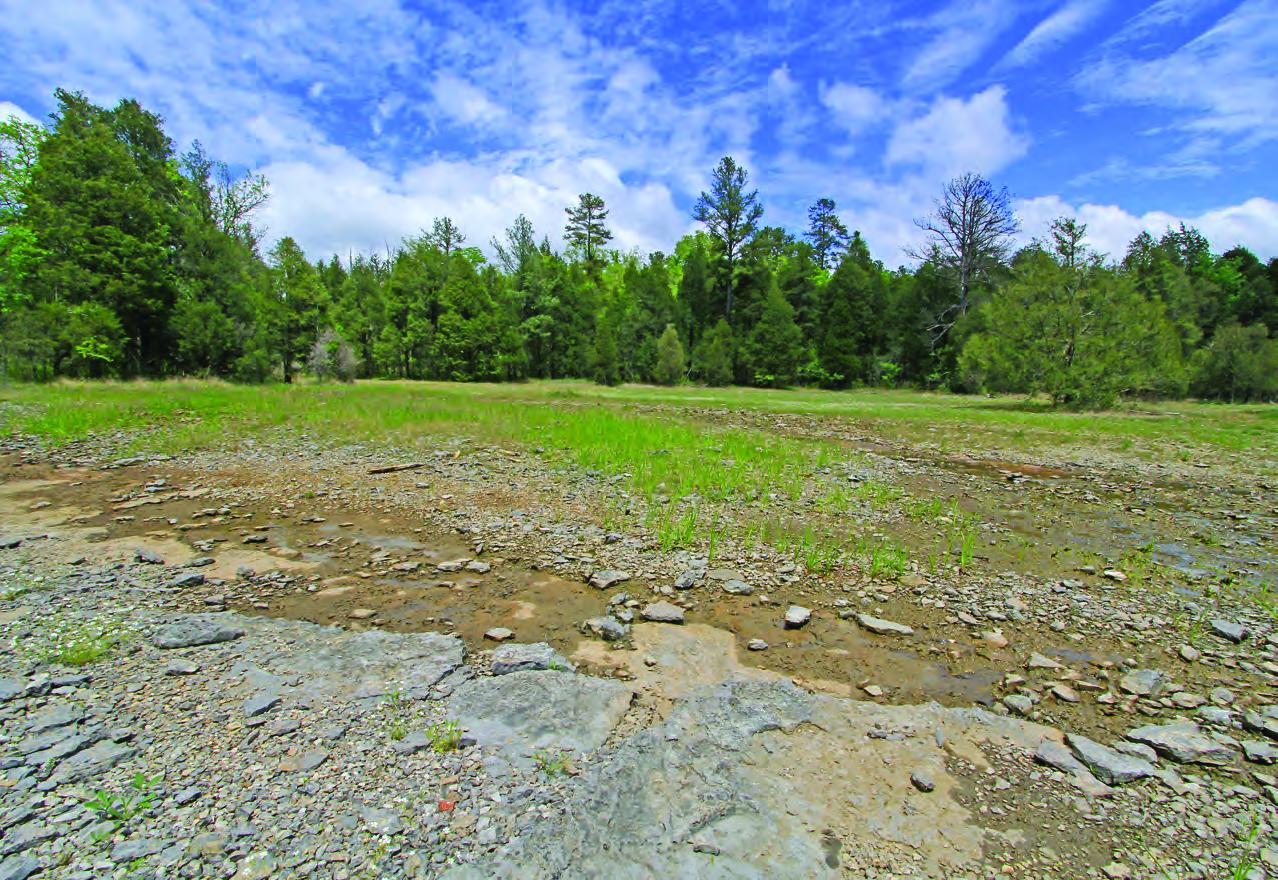

Glades, barrens and outcrops on mafic or serpentine rock
Open, thin-soil openings, outcrops and cliffs on dark, magnesium- or iron-rich rock such as serpentine, diabase or gabbro.
Also found with this plant
Wildlife whose habitat models include habitats this plant grows in, in Alabama. Shared habitat, not food. 118 animals.
- Gray CatbirdDumetella carolinensis
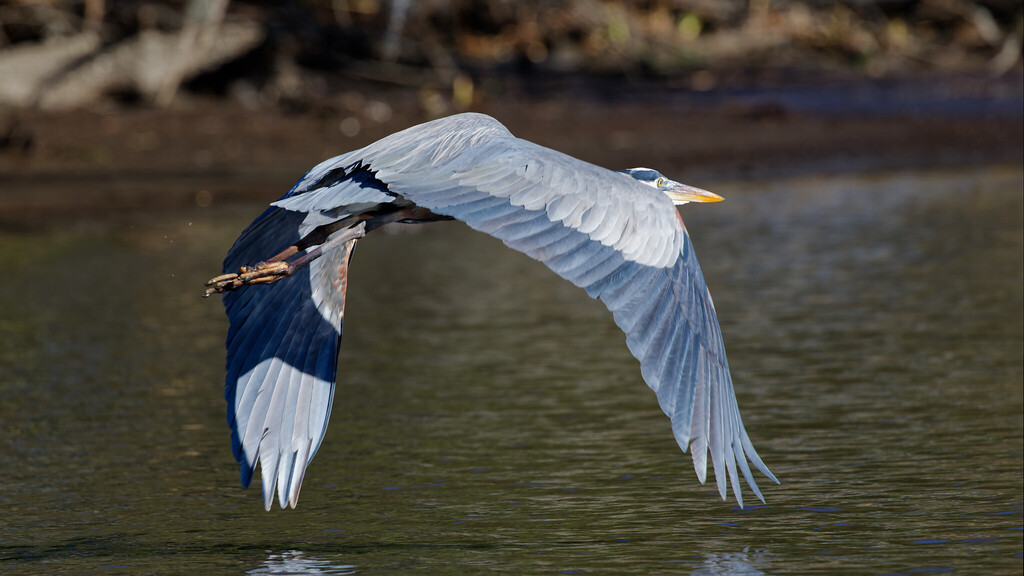
- Great Blue HeronArdea herodias
- Great Crested FlycatcherMyiarchus crinitus
- Great EgretArdea alba
- Green HeronButorides virescens
- Hooded MerganserLophodytes cucullatus
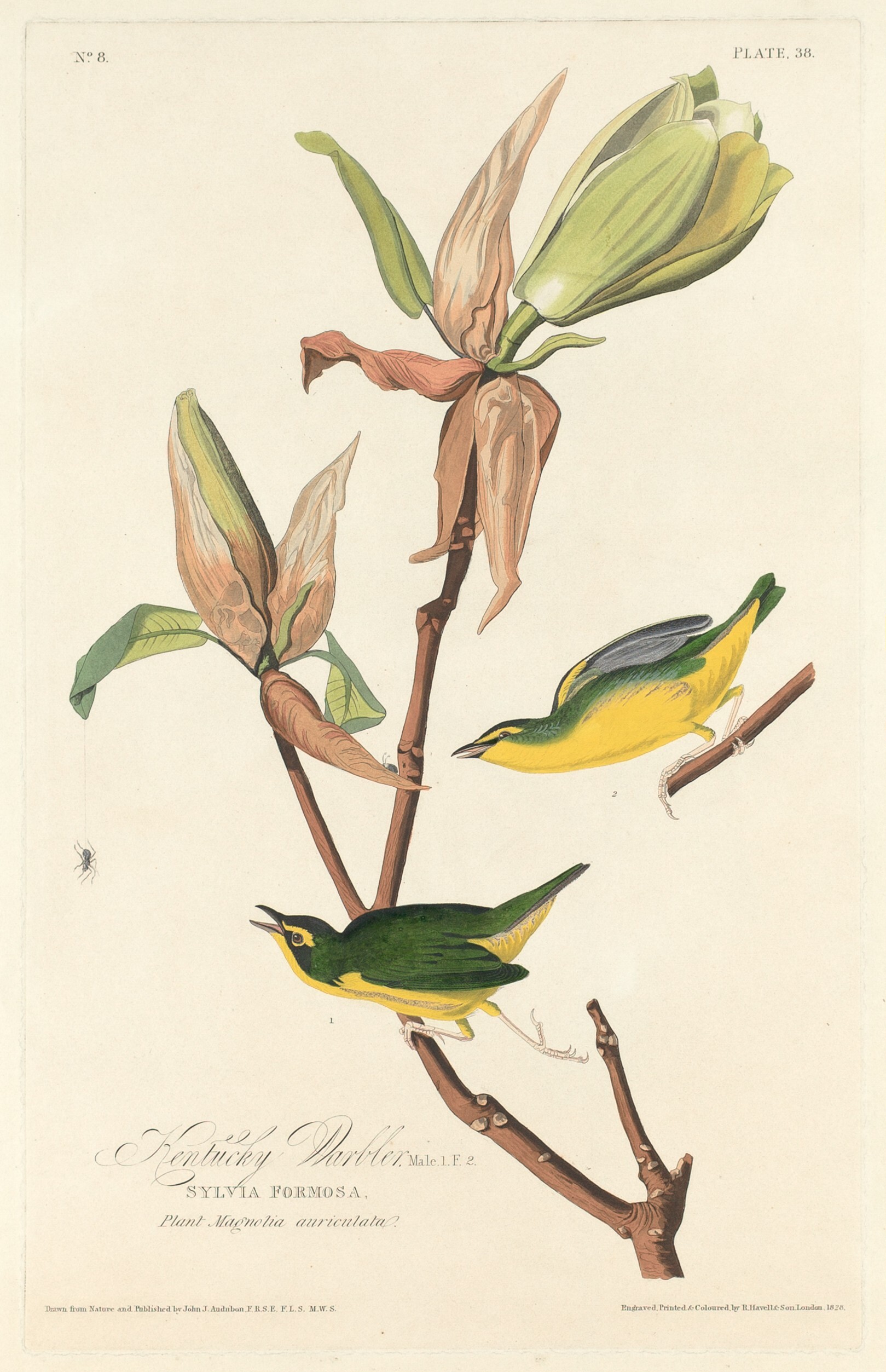
- Kentucky WarblerOporornis formosus
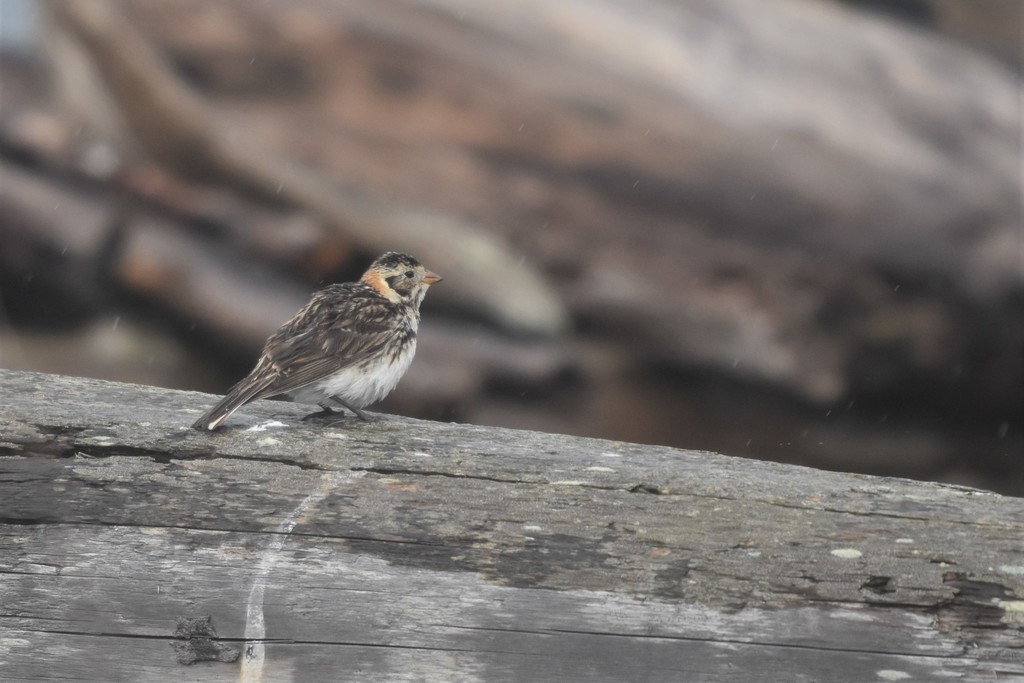
- Lapland LongspurCalcarius lapponicus
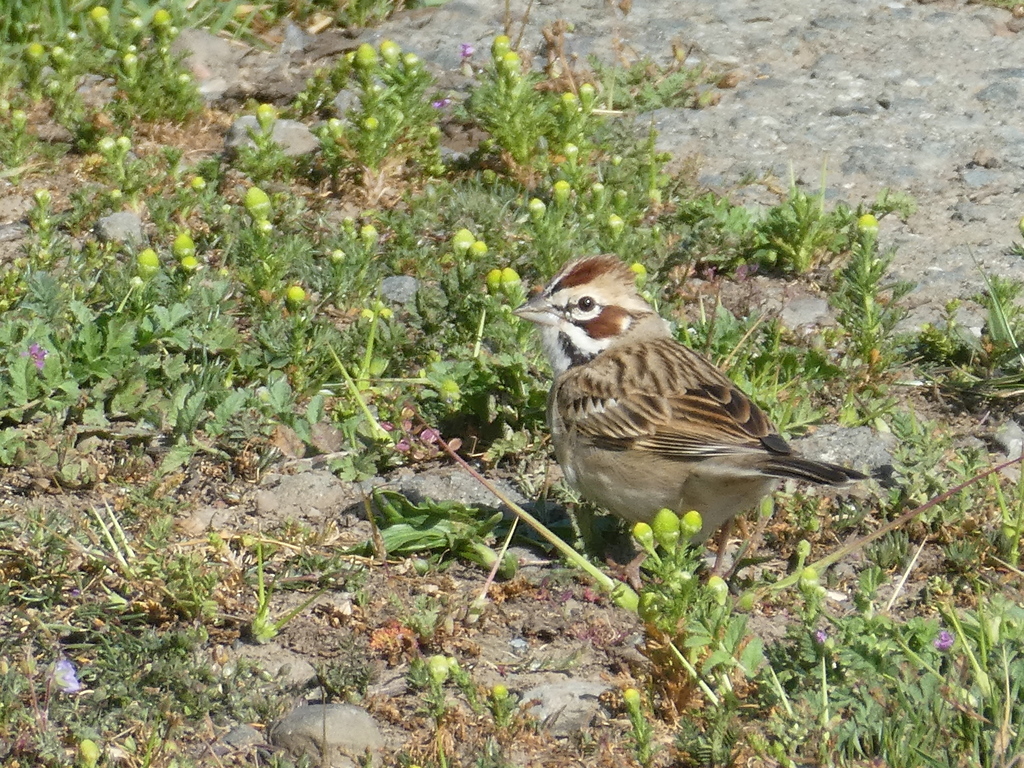
- Lark SparrowChondestes grammacus
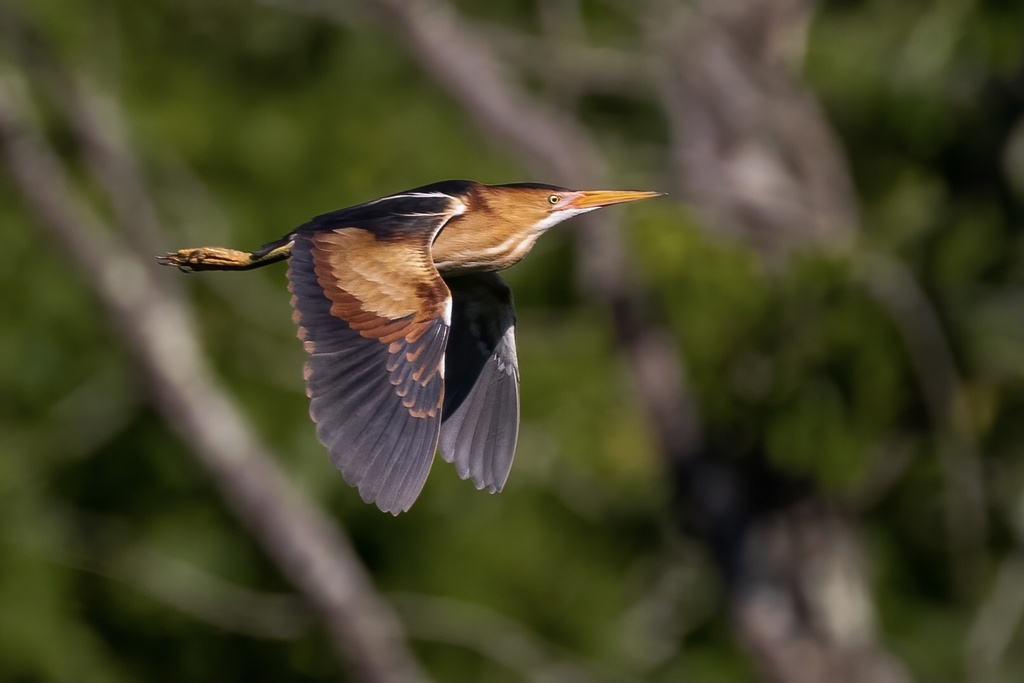
- Least BitternIxobrychus exilis
- Lincoln's SparrowMelospiza lincolnii
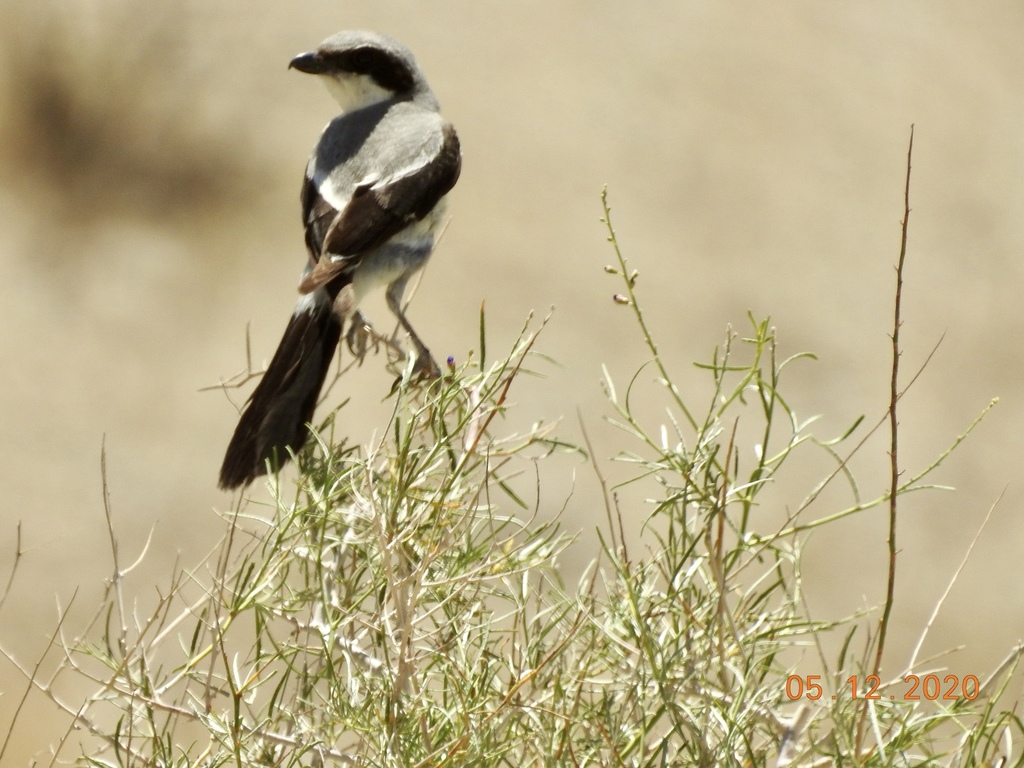
- Loggerhead ShrikeLanius ludovicianus
- Louisiana WaterthrushSeiurus motacilla
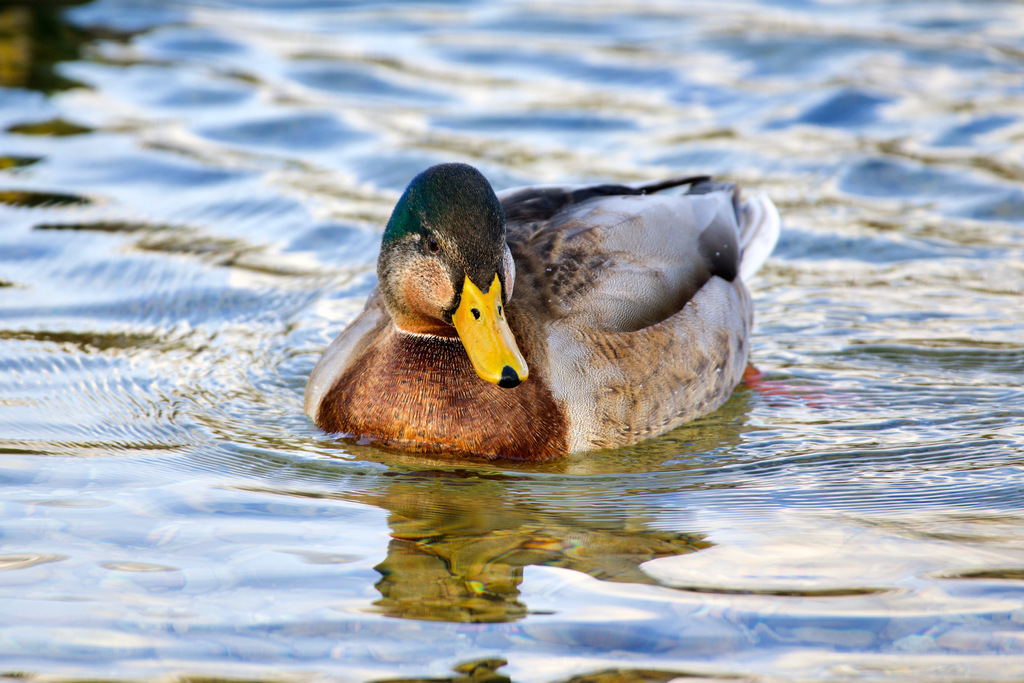
- MallardAnas platyrhynchos
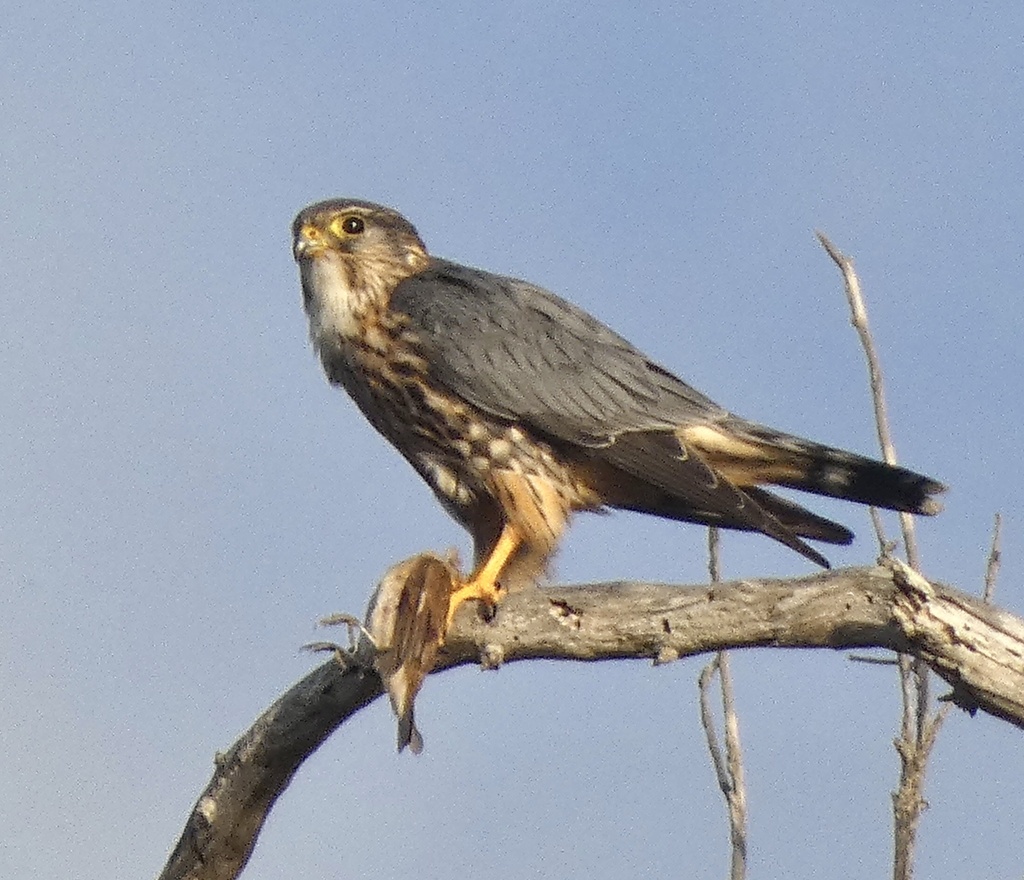
- MerlinFalco columbarius
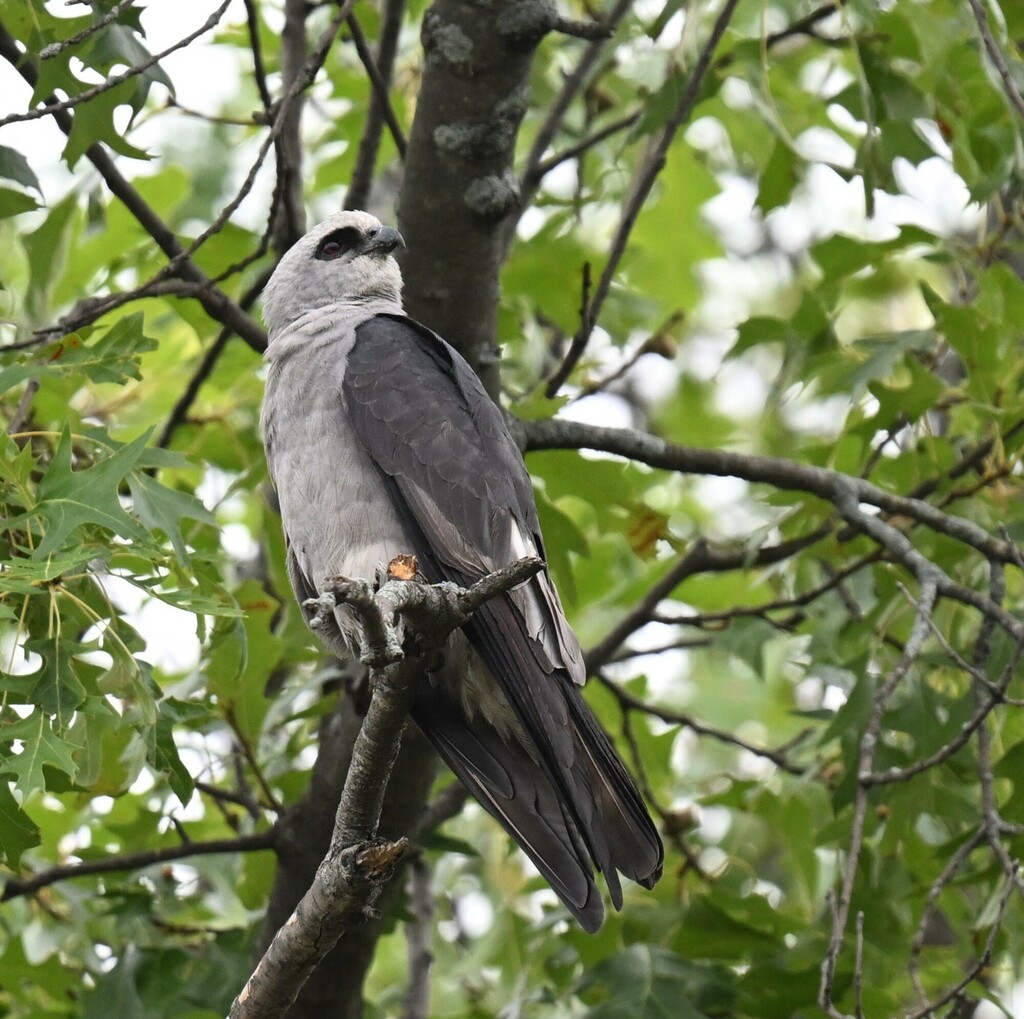
- Mississippi KiteIctinia mississippiensis
- Northern BobwhiteColinus virginianus
- Northern CardinalCardinalis cardinalis
- Northern ParulaParula americana
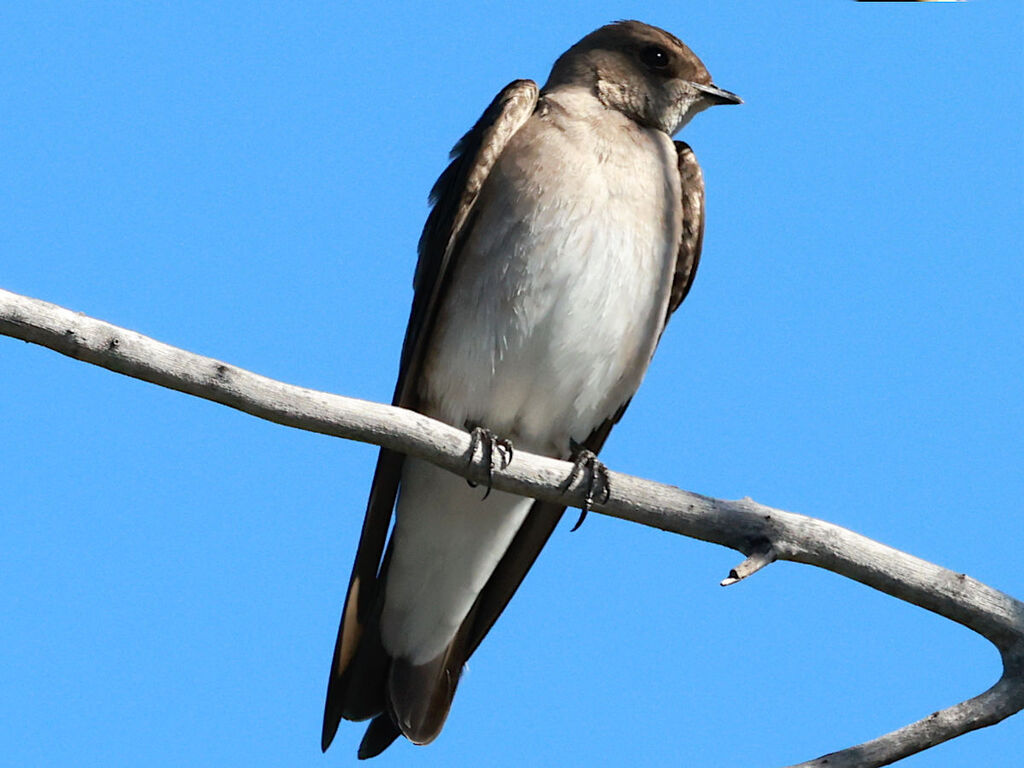
- Northern Rough-winged SwallowStelgidopteryx serripennis
- Northern Saw-whet OwlAegolius acadicus
- Orange-crowned WarblerVermivora celata
- Orchard OrioleIcterus spurius
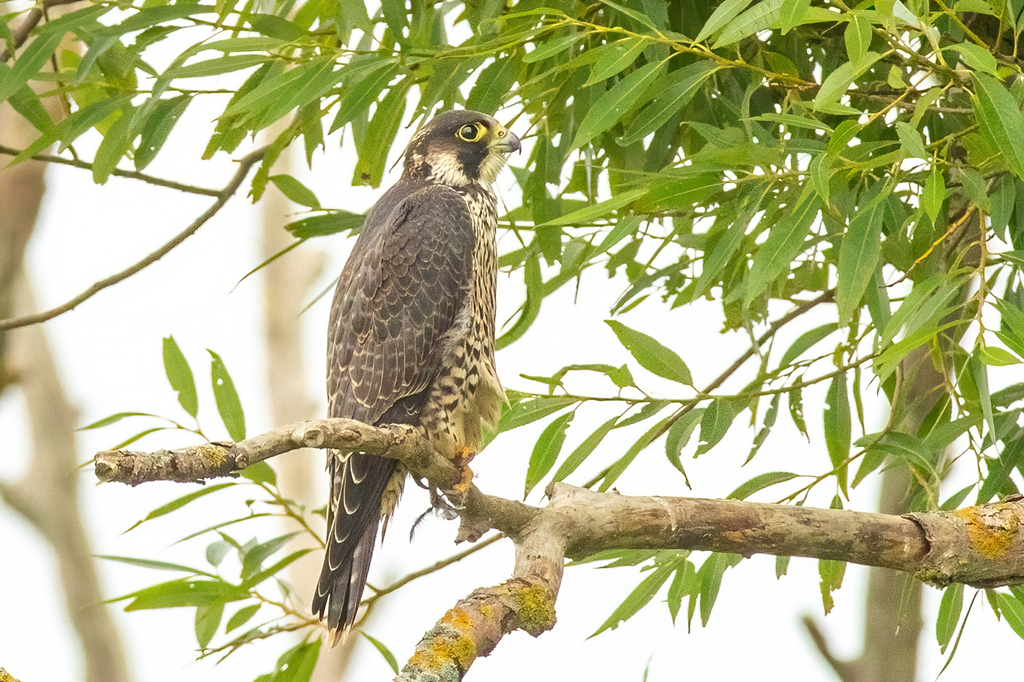
- Peregrine FalconFalco peregrinus













Who uses this plant?
 17CaterpillarsGenus host records with ranges including AL
Genus host records with ranges including AL · Allium
- Agrotis gladiariaSwordsman Dart, Clay-Backed Cut-Worm
- Agrotis ipsilonIpsilon Dart, Black Cutworm, Greasy Cutworm
- Agrotis malefidaRascal Dart, Pale-Sided Cut-Worm, Shagreened Cut-Worm
- Anicla infectaGreen Cutworm Moth
- Archips argyrospilaFruit-Tree Leafroller Moth
- Ascia monusteGreat Southern White
- Chrysodeixis includensSoybean Looper Moth
- Elasmopalpus lignosellaLesser Cornstalk Borer
- Estigmene acreaSalt Marsh Moth, Acrea Moth
- Feltia subterraneaSubterranean Dart, Granulate Cutworm
Show all 17
- Mythimna unipunctaArmyworm Moth, White Speck
- Spilosoma virginicaVirginian Tiger Moth, Yellow Woolybear Moth, Yellow Bear
- Spodoptera eridaniaSouthern Armyworm Moth
- Spodoptera frugiperdaFall Armyworm Moth
- Spodoptera latifasciaOrange-Striped Armyworm, Velvet Armyworm Moth
- Spodoptera ornithogalliYellow-Striped Armyworm Moth, Cotton Cutworm
- Xestia dolosaGreater Black-Letter Dart, Greater Spotted Cutworm
 20BeesSoutheastern regional records
Southeastern regional records · Allium
Individual names are not available yet.
Noori, Seltmann & Orr 2026, A curated and integrated dataset for exploring global bee-plant interactions (GloBI), Zenodo, CC BY 4.0 0Specialist beesPollen specialists
 2BirdsRecorded genus food-resource interactions; not a state feeding claim
Recorded genus food-resource interactions; not a state feeding claim · Allium
- Alectoris chukarChukar
- Meleagris gallopavoWild Turkey
Direct food only: birds recorded eating this genus across North America. Caterpillars on host plants also feed nesting birds. NC Native Plant Society: butterfly gardening
No records yet · Ants · Beetles · Flies · Adult butterflies / moths · Other wasps · Other insects
Plant details
- Family
- Alliaceae
- Hardiness
- Zones 4a–8b
- Soil pH
- Neutral to alkaline
- Flower color
- Pink, purple or white
- Fruit begins
- August
- Fruit ends
- October
Safety has not been reviewed for this plant; check toxicity and thorns before planting.
Growing sources and scope
- Bloom · “Summer” · NC Extension Plant Toolbox (ranked first; Weakley, Flora of the Southeastern United States (2025), Carolinas & Georgia edition, Prairie Moon 2026 Cultural Guide differ)
- Flower color · “Pink, purple or white” · NC Extension Plant Toolbox (ranked first; Prairie Moon 2026 Cultural Guide differs)
- Fruit begins · “August” · Weakley, Flora of the Southeastern United States (2025), Carolinas & Georgia edition · Carolinas and Georgia
- Fruit ends · “October” · Weakley, Flora of the Southeastern United States (2025), Carolinas & Georgia edition · Carolinas and Georgia
- Hardiness · “Zones 4a–8b” · NC Extension Plant Toolbox
- Height · “6 inches–2 feet” · NC Extension Plant Toolbox (ranked first; Tennessee Smart Yards, Minnesota Wildflowers, Prairie Moon 2026 Cultural Guide differ)
- Life cycle · “Perennial, from a bulb” · NC Extension Plant Toolbox (ranked first; Minnesota Wildflowers differs)
- Light · “Full sun (6 or more hours of direct sunlight a day); Partial shade (direct sunlight only part of the day, 2-6 hours)” · NC Extension Plant Toolbox (ranked first; Tennessee Smart Yards, Prairie Moon 2026 Cultural Guide differ)
- Soil · “Good drainage; Moist; Occasionally dry” · NC Extension Plant Toolbox (ranked first; NC Extension Plant Toolbox, Tennessee Smart Yards, Prairie Moon 2026 Cultural Guide differ)
- Soil pH · “Neutral to alkaline” · NC Extension Plant Toolbox
- Spread · “4–12 inches” · NC Extension Plant Toolbox
Also known as
Allium cernuum var. cernuum
Conservation status
| Alabama rank | SNR |
|---|---|
| Global rank | G5 |
| AL status | Not verified |
| Federal status | Not verified |
Will it fit your yard?
Check this plant against your county, sun and soil moisture. Conditions are checked in your browser.
Growing cautions
- Self-seeds. Re-seeds well over time. Tennessee Smart Yards
For planning only; these do not change the score or Fit.
Sources
- Alabama Plant Atlas
- USDA PLANTS
- Vascular Plants of North Carolina (NC Natural Heritage Program)
- Weakley, Flora of the Southeastern United States (2025)
- Shropshire & Tallamy 2025, Lepidoptera of North America north of Mexico, ZooKeys 1261 (ODbL)
- Noori, Seltmann & Orr 2026, A curated and integrated dataset for exploring global bee-plant interactions (GloBI), Zenodo, CC BY 4.0
- Smith, Bachelder, Russell, Morales, Mosher & Seltmann 2024, Bee-Specialization-Modeling v0.6.1 (specialist host table compiled from J. Fowler's pollen specialist bee lists), Zenodo, CC BY 4.0
- Hurlbert, Olsen, Sawyer & Winner 2021, Avian Diet Database, Scientific Data 8: 260 (CC0)
- Narango, Tallamy & Shropshire 2020, Few keystone plant genera support the majority of Lepidoptera species, Nature Communications