

White Colicroot
Aletris farinosa
Found in pine savannas; pine flatwoods; Coastal Plain seepage bogs; glades, barrens and outcrops on mafic or serpentine rock; mountain bogs and fens; forests and woodlands; sandhills; meadows; roadsides, fields and disturbed ground. Weakley, Flora of the Southeastern United States (2025), South Central edition What its natural habitat tells you
Native to Alabama. How scores work Is it native here?
Profile 88%
- Light
- Full sun
- Soil moisture
- Somewhat dry to moist
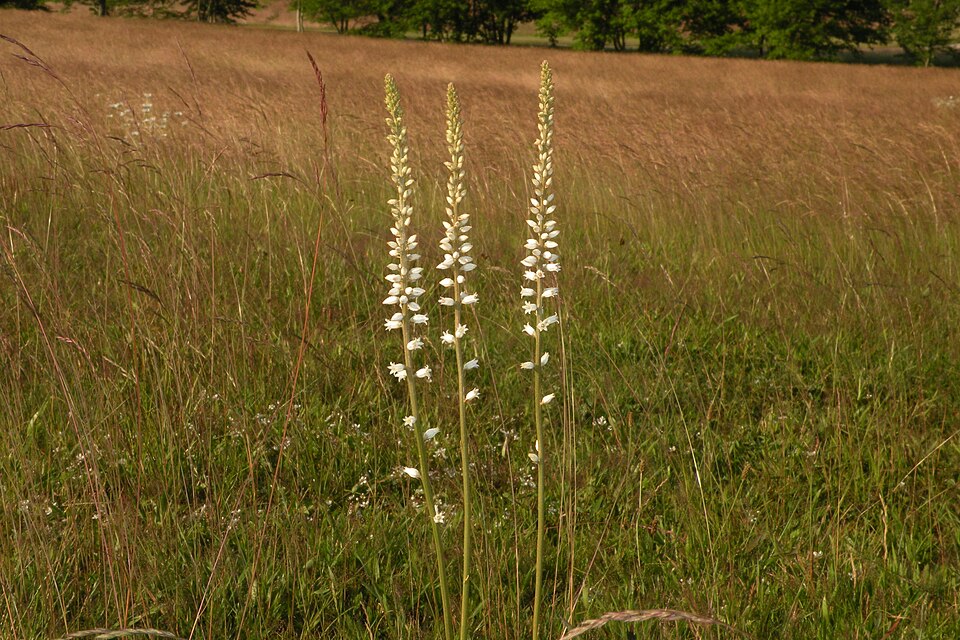
At a glance
- Life cycle
- Perennial
- Bloom
- April to June
- Fruiting season
- July to September
Not yet recorded · Height · Spread · Leaves
Recorded in 36 Alabama counties.
Natural habitats
Places it grows wild. Not a planting requirement. Each habitat page lists the plants and wildlife also found there.

Open, fire-kept longleaf pine stands over grasses and wildflowers on wet to moist sandy soil.
Flat, sandy Coastal Plain pine woodlands, wetter than sandhills and denser than savannas.
Open, wet, seepage-fed bogs of the Coastal Plain and Sandhills, often with pitcher plants.
Glades, barrens and outcrops on mafic or serpentine rock
Open, thin-soil openings, outcrops and cliffs on dark, magnesium- or iron-rich rock such as serpentine, diabase or gabbro.
Wet, open, peaty mountain wetlands fed by seepage, often with sphagnum moss.
Dry, deep-sand ridges with longleaf pine and turkey oak, kept open by fire.
Open, grassy or flowery ground that is not wet, such as mountain meadows; wet meadows are separate.
Roadsides, fields and disturbed ground
Ground opened by people: roadsides, old fields, pastures, fencerows and lots.
Also found with this plant
Wildlife whose habitat models include habitats this plant grows in, in Alabama. Shared habitat, not food. 58 animals.
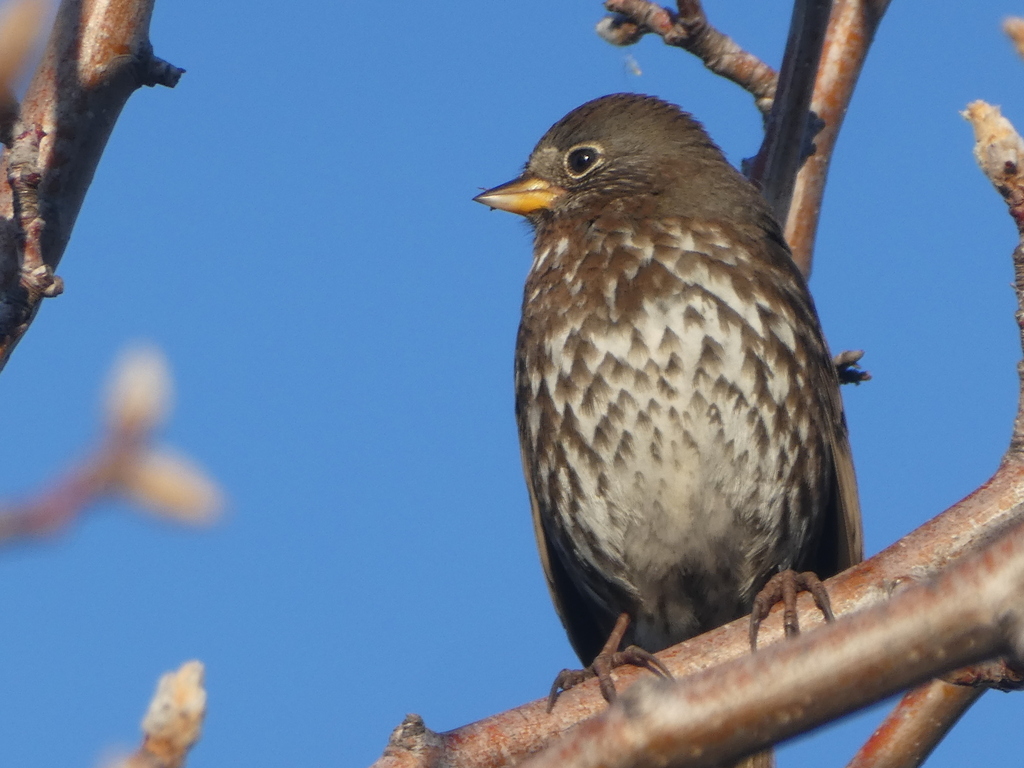
- Fox SparrowPasserella iliaca
- Golden-crowned KingletRegulus satrapa
- Great Horned OwlBubo virginianus
- Hairy WoodpeckerPicoides villosus
- Hooded MerganserLophodytes cucullatus
- Least FlycatcherEmpidonax minimus
- Mourning DoveZenaida macroura
- Northern BobwhiteColinus virginianus
- Northern CardinalCardinalis cardinalis
- Northern FlickerColaptes auratus
- Northern MockingbirdMimus polyglottos
- Northern Saw-whet OwlAegolius acadicus
- Orange-crowned WarblerVermivora celata
- OspreyPandion haliaetus
- OvenbirdSeiurus aurocapilla
- Pine SiskinCarduelis pinus
- Prairie WarblerDendroica discolor
- Purple FinchCarpodacus purpureus
- Red-bellied WoodpeckerMelanerpes carolinus
- Red-tailed HawkButeo jamaicensis
- Red-winged BlackbirdAgelaius phoeniceus
- Ruby-crowned KingletRegulus calendula
- Ruby-throated HummingbirdArchilochus colubris
- Ruffed GrouseBonasa umbellus
























Who uses this plant?
 0CaterpillarsGenus host records with ranges including AL
 7BeesSoutheastern regional records
Southeastern regional records · Aletris
Individual names are not available yet.
Noori, Seltmann & Orr 2026, A curated and integrated dataset for exploring global bee-plant interactions (GloBI), Zenodo, CC BY 4.0 0Specialist beesPollen specialists
 —BirdsRecorded genus food-resource interactions; not a state feeding claim
No records yet · Ants · Beetles · Flies · Adult butterflies / moths · Other wasps · Other insects
Plant details
- Family
- Nartheciaceae
- Soil pH
- Acidic
- Flower color
- White
- Fruit begins
- July
- Fruit ends
- September
Safety has not been reviewed for this plant; check toxicity and thorns before planting.
Growing sources and scope
- Bloom · “Late April to June” · Weakley, Flora of the Southeastern United States (2025), Carolinas & Georgia edition · Carolinas and Georgia
- Flower color · “White” · NC Extension Plant Toolbox
- Fruit begins · “July” · Weakley, Flora of the Southeastern United States (2025), Carolinas & Georgia edition · Carolinas and Georgia
- Fruit ends · “September” · Weakley, Flora of the Southeastern United States (2025), Carolinas & Georgia edition · Carolinas and Georgia
- Life cycle · “Perennial” · NC Extension Plant Toolbox
- Light · “Full sun (6 or more hours of direct sunlight a day)” · NC Extension Plant Toolbox (ranked first; Lady Bird Johnson Wildflower Center differs)
- primary_flower_color · “white” · NC Extension Plant Toolbox
- Soil · “Occasionally dry; Occasionally wet” · NC Extension Plant Toolbox (ranked first; Lady Bird Johnson Wildflower Center differs)
- Soil pH · “Acidic” · NC Extension Plant Toolbox
Also known as
Colic Root
Conservation status
| Alabama rank | SNR |
|---|---|
| Global rank | G5 |
| AL status | Not verified |
| Federal status | Not verified |
Will it fit your yard?
Check this plant against your county, sun and soil moisture. Conditions are checked in your browser.
Sources
- Alabama Plant Atlas
- USDA PLANTS
- Vascular Plants of North Carolina (NC Natural Heritage Program)
- Weakley, Flora of the Southeastern United States (2025), Carolinas & Georgia edition
- Shropshire & Tallamy 2025, Lepidoptera of North America north of Mexico, ZooKeys 1261 (ODbL)
- Noori, Seltmann & Orr 2026, A curated and integrated dataset for exploring global bee-plant interactions (GloBI), Zenodo, CC BY 4.0
- Smith, Bachelder, Russell, Morales, Mosher & Seltmann 2024, Bee-Specialization-Modeling v0.6.1 (specialist host table compiled from J. Fowler's pollen specialist bee lists), Zenodo, CC BY 4.0
- Hurlbert, Olsen, Sawyer & Winner 2021, Avian Diet Database, Scientific Data 8: 260 (CC0)
- Narango, Tallamy & Shropshire 2020, Few keystone plant genera support the majority of Lepidoptera species, Nature Communications