

Ohio Buckeye
Aesculus glabra
Native to Alabama. How scores work Is it native here?
Profile 76%
- Height
- 20–40 feet
- Spread
- 20–40 feet
- Light
- Full sun, Partial shade
- Soil moisture
- Average to moist
Space about 30 ft apart from its recorded spread. Enter your bed size for a count
Will it fit your yard?No photograph yet. Looking for an old drawing…
At a glance
- Life cycle
- Woody perennial
- Leaves
- Deciduous
- Bloom
- Mid spring
Recorded in 21 Alabama counties.
Also found with this plant
Wildlife whose habitat models include habitats this plant grows in, in Alabama. Shared habitat, not food. 80 animals.
- Acadian FlycatcherEmpidonax virescens
- American CrowCorvus brachyrhynchos
- American GoldfinchCarduelis tristis
- American KestrelFalco sparverius
- American RedstartSetophaga ruticilla
- American RobinTurdus migratorius
- American WoodcockScolopax minor
- Bald EagleHaliaeetus leucocephalus
- Baltimore OrioleIcterus galbula
- Barred OwlStrix varia
- Belted KingfisherMegaceryle alcyon
- Black VultureCoragyps atratus
- Black-and-White WarblerMniotilta varia
- Blue GrosbeakPasserina caerulea
- Blue JayCyanocitta cristata
- Blue-gray GnatcatcherPolioptila caerulea
- Broad-winged HawkButeo platypterus
- Brown CreeperCerthia americana
- Brown ThrasherToxostoma rufum
- Brown-headed CowbirdMolothrus ater
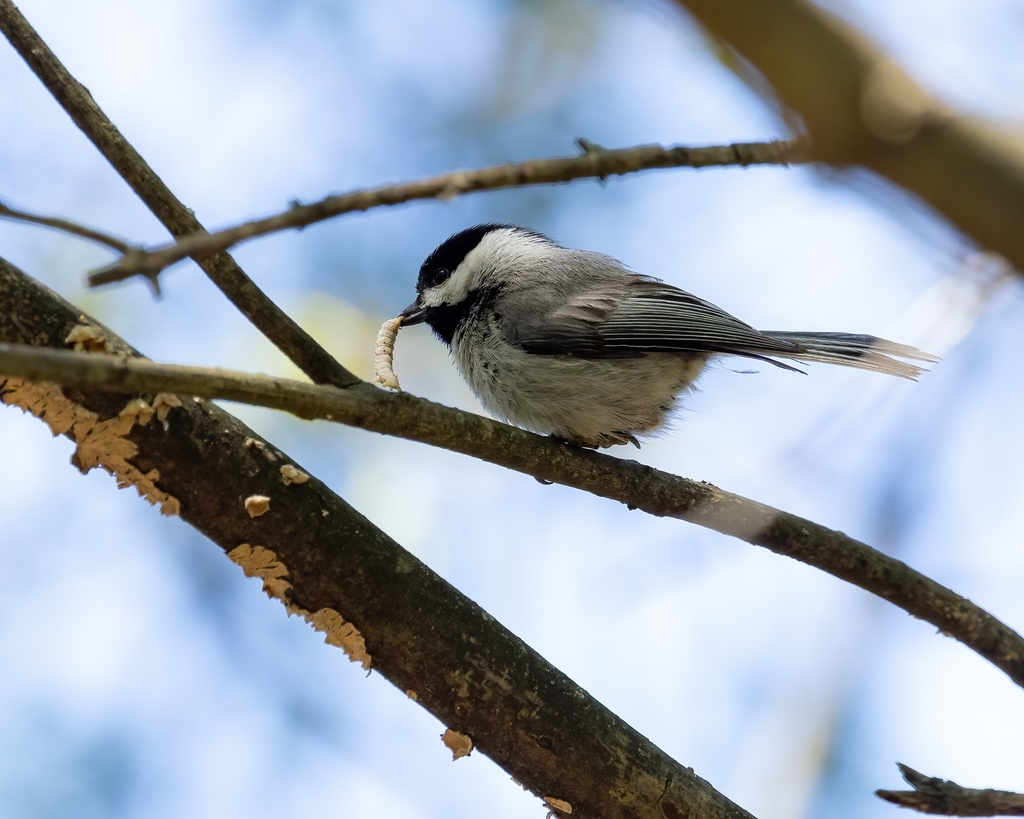
- Carolina ChickadeePoecile carolinensis
- Carolina WrenThryothorus ludovicianus
- Cedar WaxwingBombycilla cedrorum
- Chimney SwiftChaetura pelagica























Who uses this plant?
 31CaterpillarsGenus host records with ranges including AL
Genus host records with ranges including AL · Aesculus
- Achatia distinctaDistinct Quaker
- Acronicta americanaAmerican Dagger
- Actias lunaLuna Moth
- Amyelois transitellaNavel Orangeworm
- Antheraea polyphemusPolyphemus Moth
- Archips argyrospilaFruit-Tree Leafroller Moth
- Archips rileyanaSouthern Ugly-Nest Caterpillar Moth
- Cecrita biundataWavy-Lined Heterocampa
- Cecrita guttivittaMaple Prominent, Saddled Prominent
- Celypha nr.Celypha Moth
Show all 31
- Choristoneura rosaceanaOblique-Banded Leafroller Moth, Rosaceous Leaf Roller
- Eacles imperialisImperial Moth, Imperial Spiny Caterpillar
- Egira alternansAlternate Woodling
- Ennomos subsignariaElm Spanworm Moth
- Halysidota tessellarisBanded Tussock Moth, Pale Tiger Moth
- Hyalophora cecropiaCecropia Silkmoth, Cecropia Moth
- Hyphantria cuneaFall Webworm
- Isa textulaCrowned Slug
- Lithophane antennataAshen Pinion
- Lithophane joannisBuckeye Pinion
- Morrisonia confusaConfused Woodgrain
- Nematocampa resistariaFilament Bearer, Horned Spanworm Moth
- Oiketicus abbotiiAbbot's Bagworm Moth
- Orgyia leucostigmaWhite-Marked Tussock Moth
- Orthosia hibisciSpeckled Green Fruitworm Moth, Speckled Green Quaker
- Proteoteras aesculanaMaple Seed Caterpillar, Maple Twig Borer
- Psaphida rolandiRoland's Sallow
- Pseudexentera spolianaBare-Patched Leafroller
- Thyridopteryx ephemeraeformisEvergreen Bagworm Moth
- Trigrammia quadrinotariaFour-Spotted Angle
- Olethreutes monetiferanum
 22BeesSoutheastern regional records
Southeastern regional records · Aesculus
Individual names are not available yet.
Noori, Seltmann & Orr 2026, A curated and integrated dataset for exploring global bee-plant interactions (GloBI), Zenodo, CC BY 4.0 0Specialist beesPollen specialists
 —BirdsRecorded genus food-resource interactions; not a state feeding claim
No records yet · Ants · Beetles · Flies · Adult butterflies / moths · Other wasps · Other insects
Plant details
- Family
- Sapindaceae
- Hardiness
- Zones 3a–7b
- Flower color
- Yellow or green
What its natural habitat tells you
Safety has not been reviewed for this plant; check toxicity and thorns before planting.
Growing sources and scope
- Bloom · “Mid spring” · USDA PLANTS via EOL TraitBank · Nationwide approximate species characteristics; tolerance categories do not specify sun hours or moisture requirements
- Flower color · “Yellow or green” · NC Extension Plant Toolbox
- Hardiness · “Zones 3a–7b” · NC Extension Plant Toolbox
- Height · “20–40 feet” · NC Extension Plant Toolbox (ranked first; USDA PLANTS via EOL TraitBank, Minnesota Wildflowers differ)
- Leaves · “Deciduous” · NC Extension Plant Toolbox
- Life cycle · “Woody perennial” · NC Extension Plant Toolbox
- Light · “Full sun (6 or more hours of direct sunlight a day); Partial shade (direct sunlight only part of the day, 2-6 hours)” · NC Extension Plant Toolbox (ranked first; Tennessee Smart Yards differs)
- Soil · “moderately wet to medium” · Tennessee Smart Yards · Published Tennessee growing guidance; exact cached scientific heading
- Spread · “20–40 feet” · NC Extension Plant Toolbox
Conservation status
| Alabama rank | SNR |
|---|---|
| Global rank | Not available |
| AL status | Not verified |
| Federal status | Not verified |
Will it fit your yard?
Check this plant against your county, sun and soil moisture. Conditions are checked in your browser.
Sources
- Alabama Plant Atlas
- NatureServe Explorer
- Shropshire & Tallamy 2025, Lepidoptera of North America north of Mexico, ZooKeys 1261 (ODbL)
- Noori, Seltmann & Orr 2026, A curated and integrated dataset for exploring global bee-plant interactions (GloBI), Zenodo, CC BY 4.0
- Smith, Bachelder, Russell, Morales, Mosher & Seltmann 2024, Bee-Specialization-Modeling v0.6.1 (specialist host table compiled from J. Fowler's pollen specialist bee lists), Zenodo, CC BY 4.0
- Hurlbert, Olsen, Sawyer & Winner 2021, Avian Diet Database, Scientific Data 8: 260 (CC0)
- Narango, Tallamy & Shropshire 2020, Few keystone plant genera support the majority of Lepidoptera species, Nature Communications