

Red Maple
Acer rubrum
A fast-growing shade tree with early red flowers and vivid autumn leaves.
Native to Alabama. How scores work Is it native here?
Profile 100%
- Height
- 40–70 feet commonly, can reach 120
- Spread
- 30–50 feet
- Light
- Full to part sun
- Soil moisture
- Average to moist
Space about 30 ft apart from its recorded spread. Enter your bed size for a count
Will it fit your yard?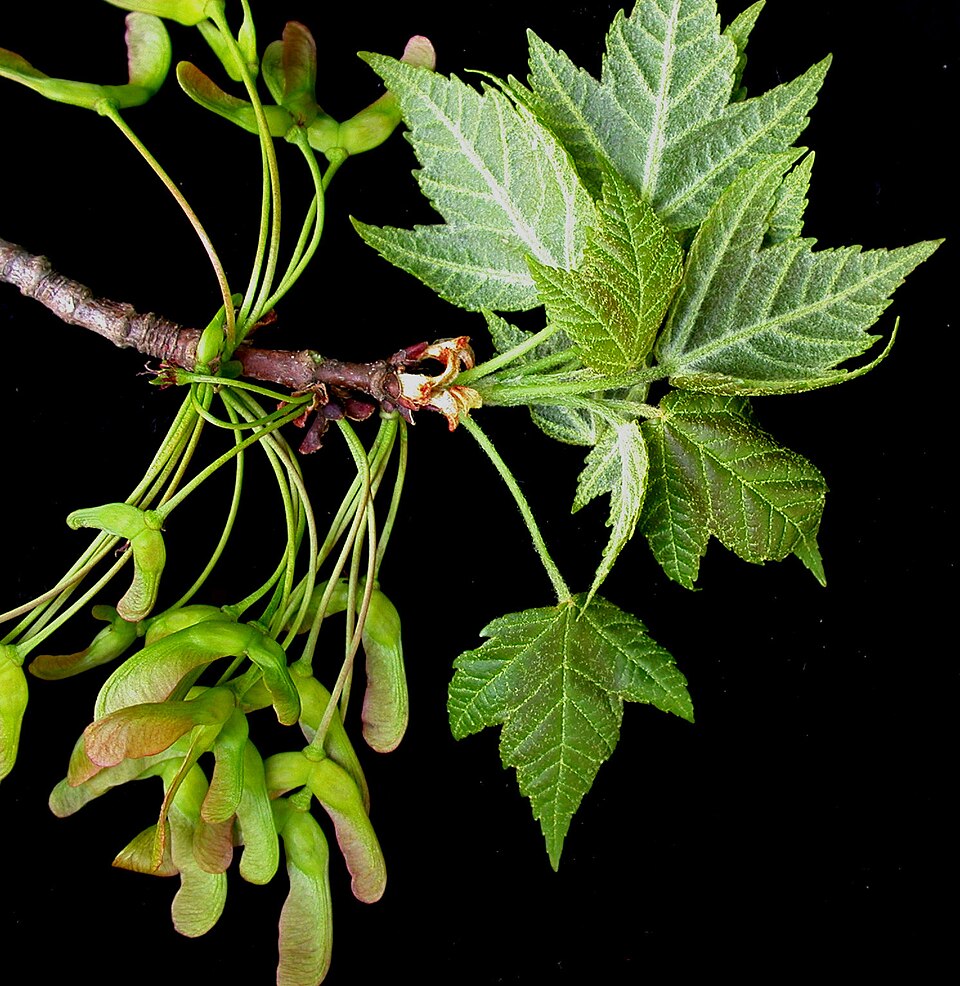
At a glance
- Life cycle
- Perennial
- Leaves
- Deciduous
- Bloom
- January to March
- Fruiting season
- Spring
Recorded in 67 Alabama counties.
Also found with this plant
Wildlife whose habitat models include habitats this plant grows in, in Alabama. Shared habitat, not food. 193 animals.
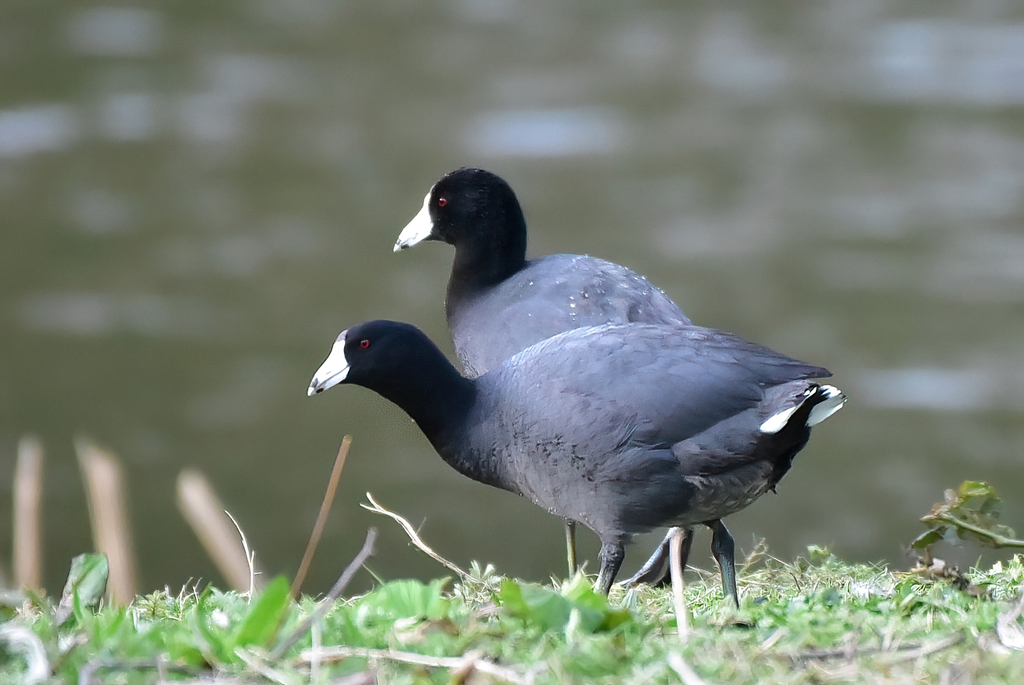
- American CootFulica americana
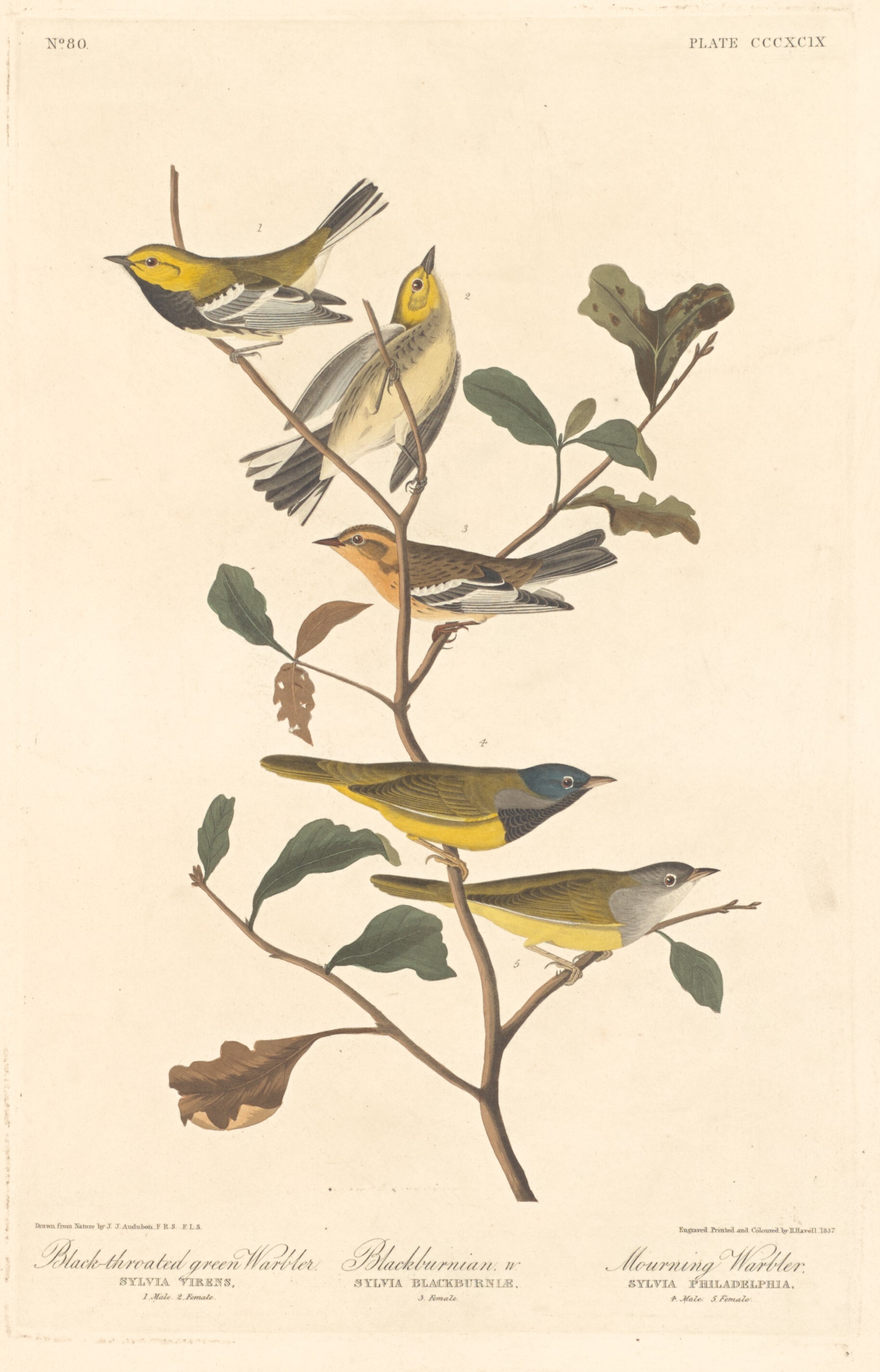
- Black-throated Green WarblerDendroica virens
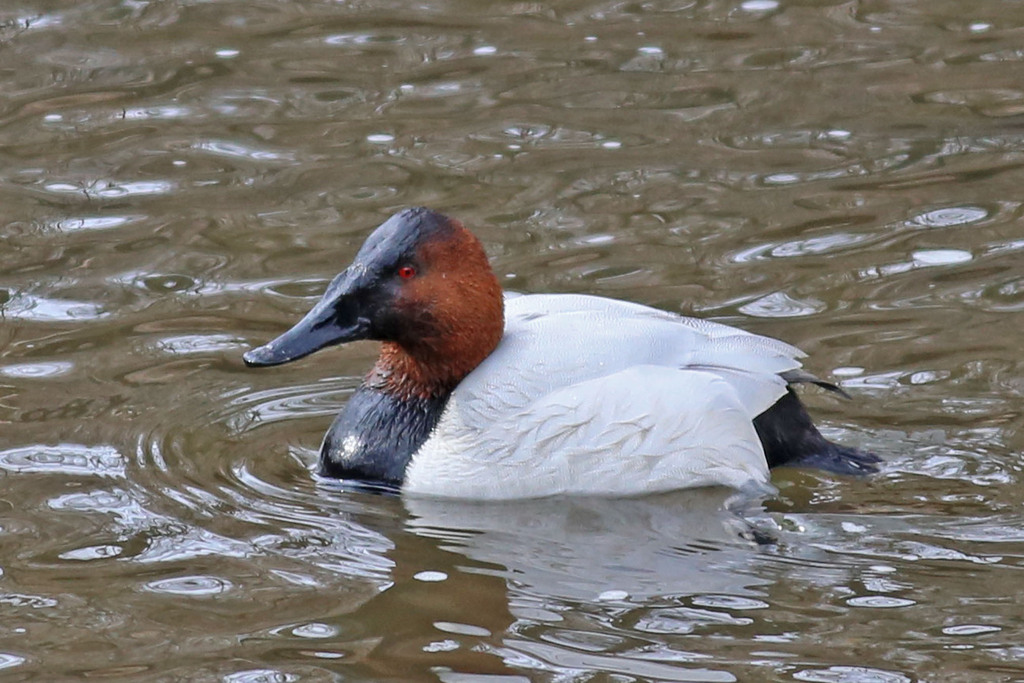
- CanvasbackAythya valisineria
- Cerulean WarblerDendroica cerulea
- Northern WaterthrushSeiurus noveboracensis
- Wood StorkMycteria americana
- Alder FlycatcherEmpidonax alnorum
- AnhingaAnhinga anhinga
- Black-billed CuckooCoccyzus erythropthalmus
- Black-throated Blue WarblerDendroica caerulescens
- Boat-tailed GrackleQuiscalus major
- Cliff SwallowPetrochelidon pyrrhonota
- Evening GrosbeakCoccothraustes vespertinus
- Little Blue HeronEgretta caerulea
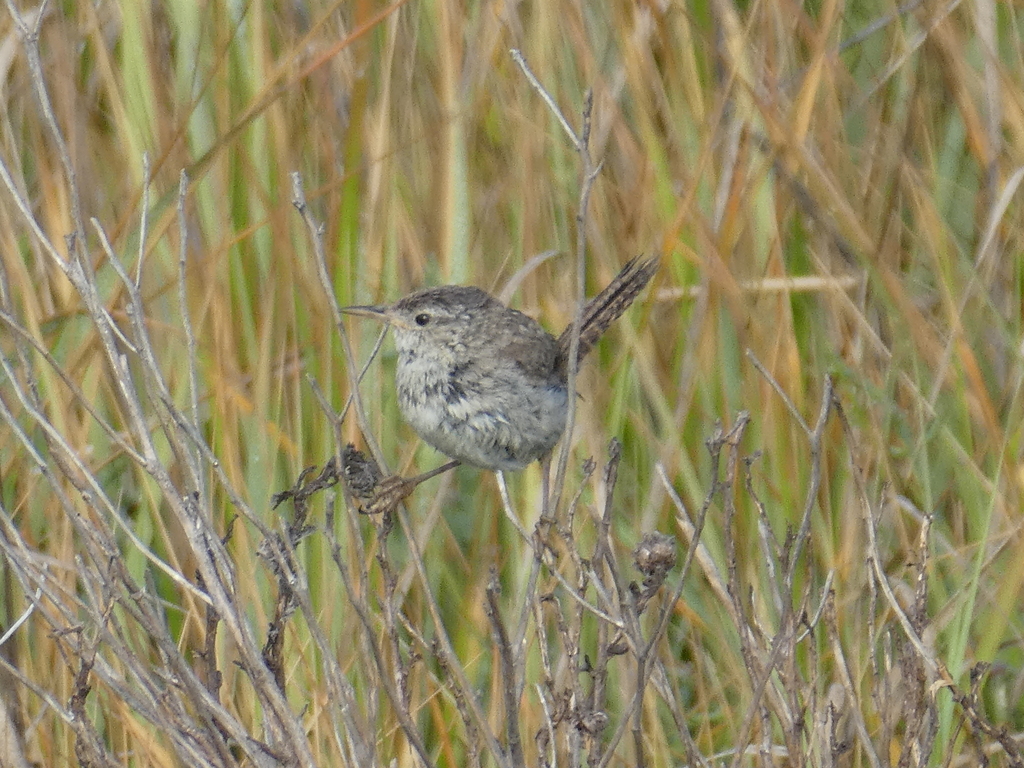
- Marsh WrenCistothorus palustris
- Northern BobwhiteColinus virginianus
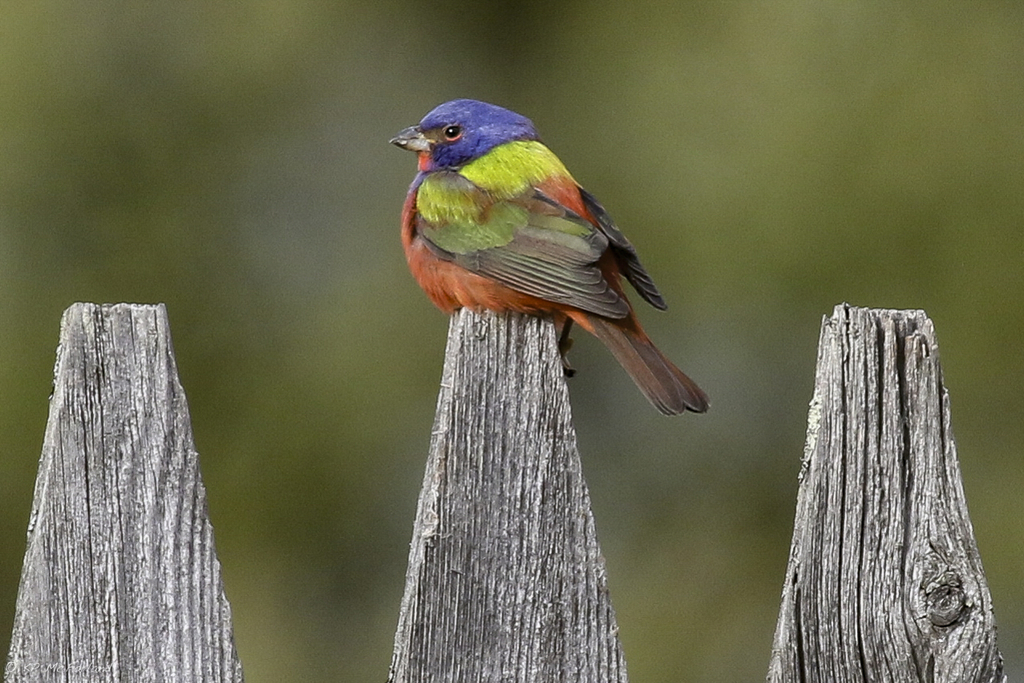
- Painted BuntingPasserina ciris
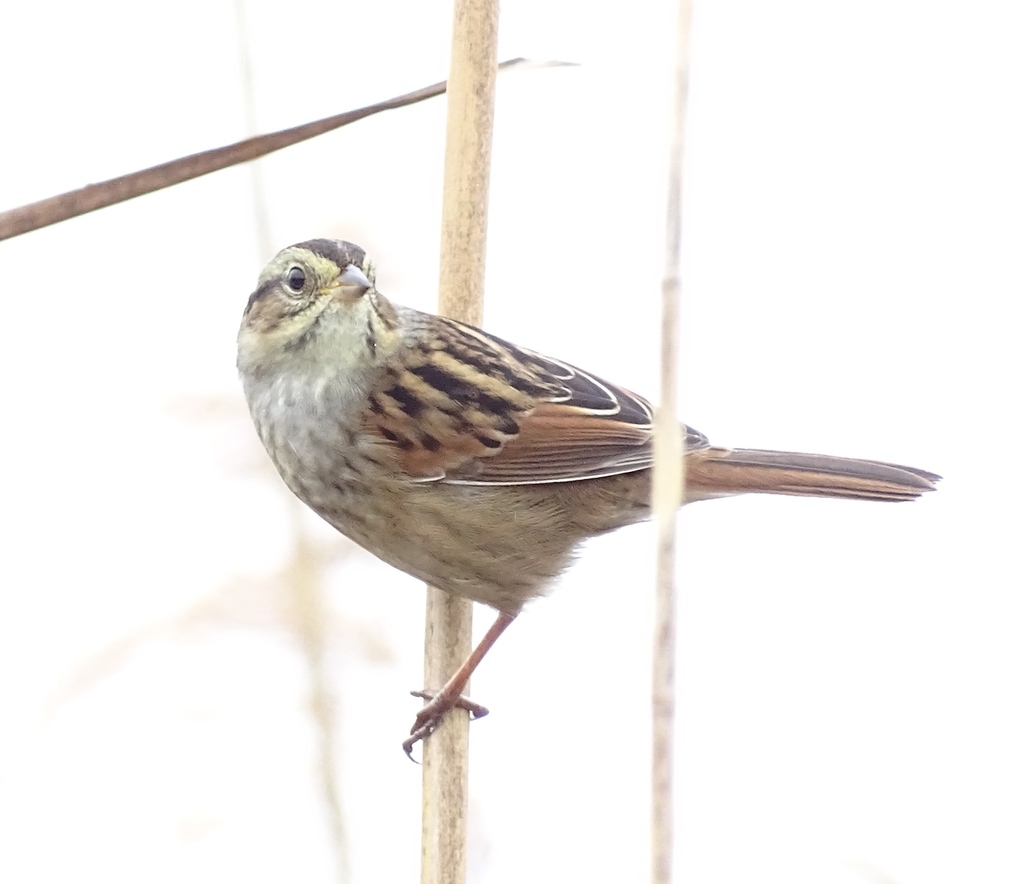
- Swamp SparrowMelospiza georgiana
- Bank SwallowRiparia riparia
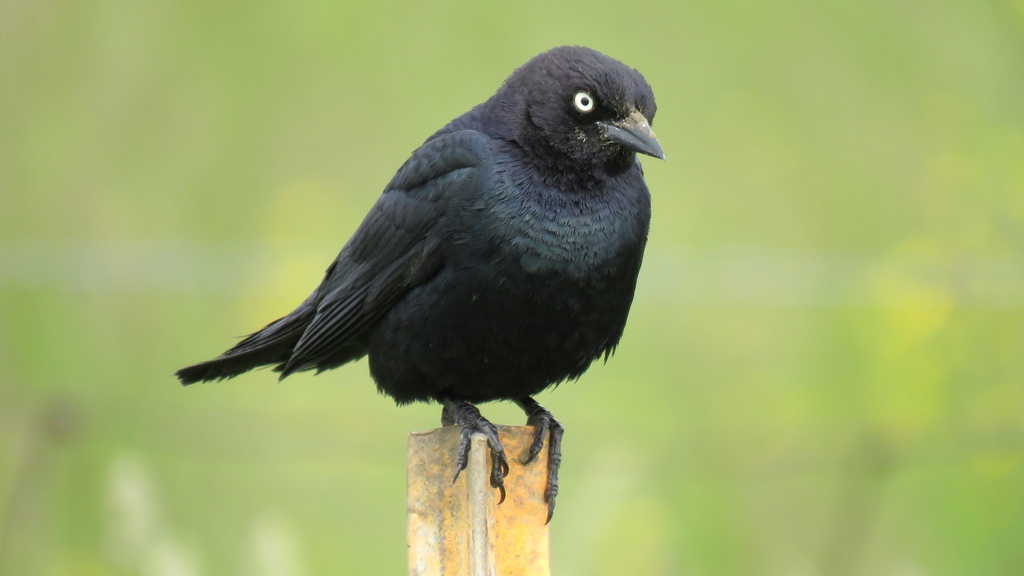
- Brewer's BlackbirdEuphagus cyanocephalus
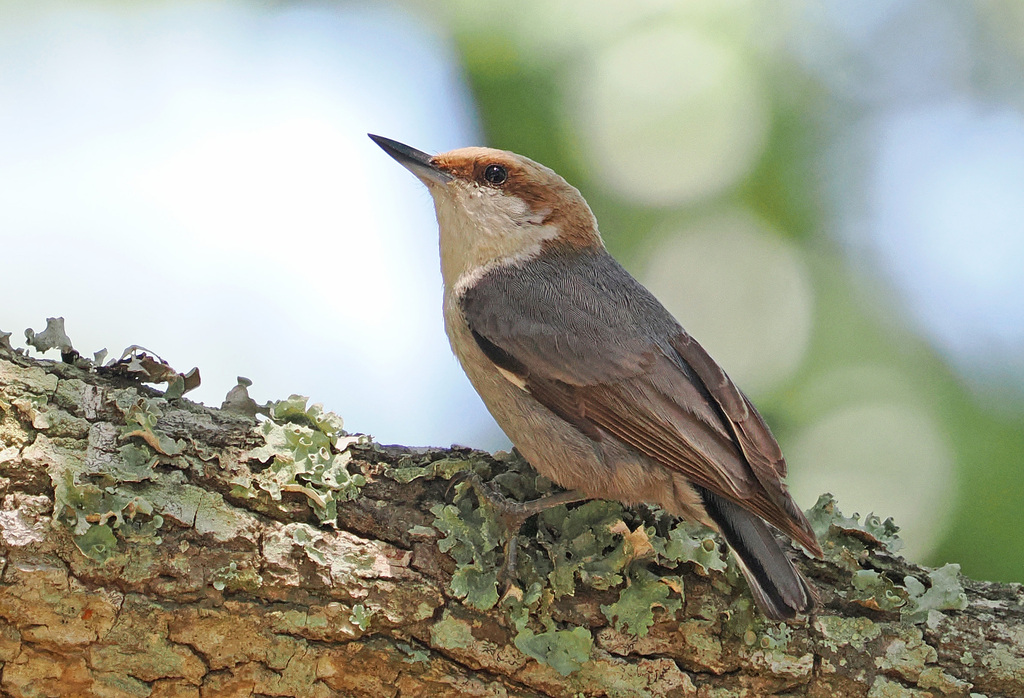
- Brown-headed NuthatchSitta pusilla
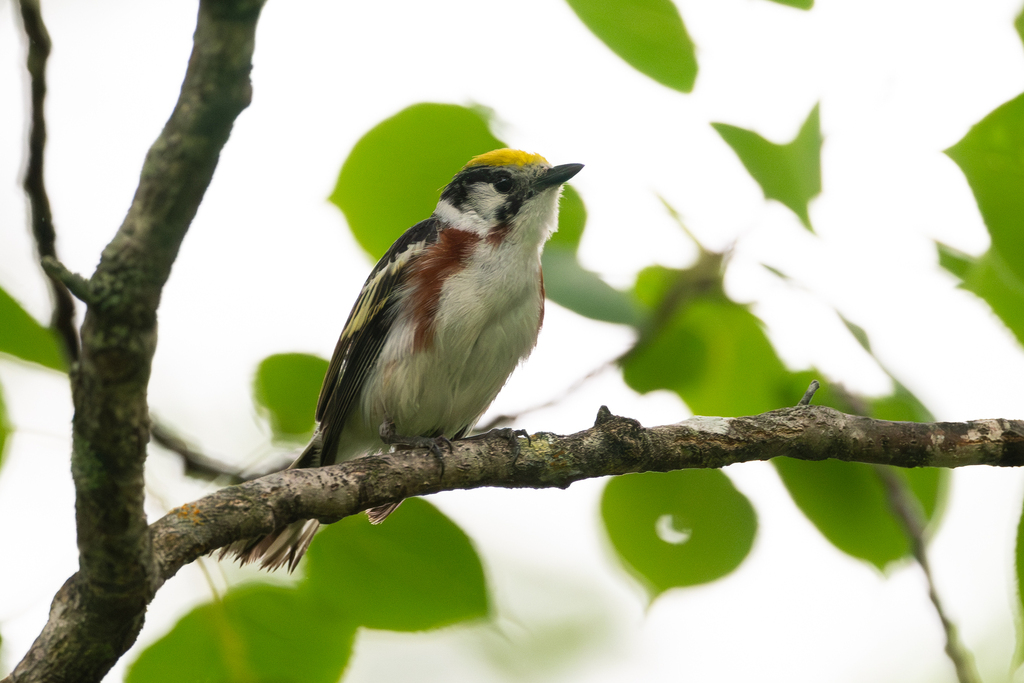
- Chestnut-sided WarblerDendroica pensylvanica
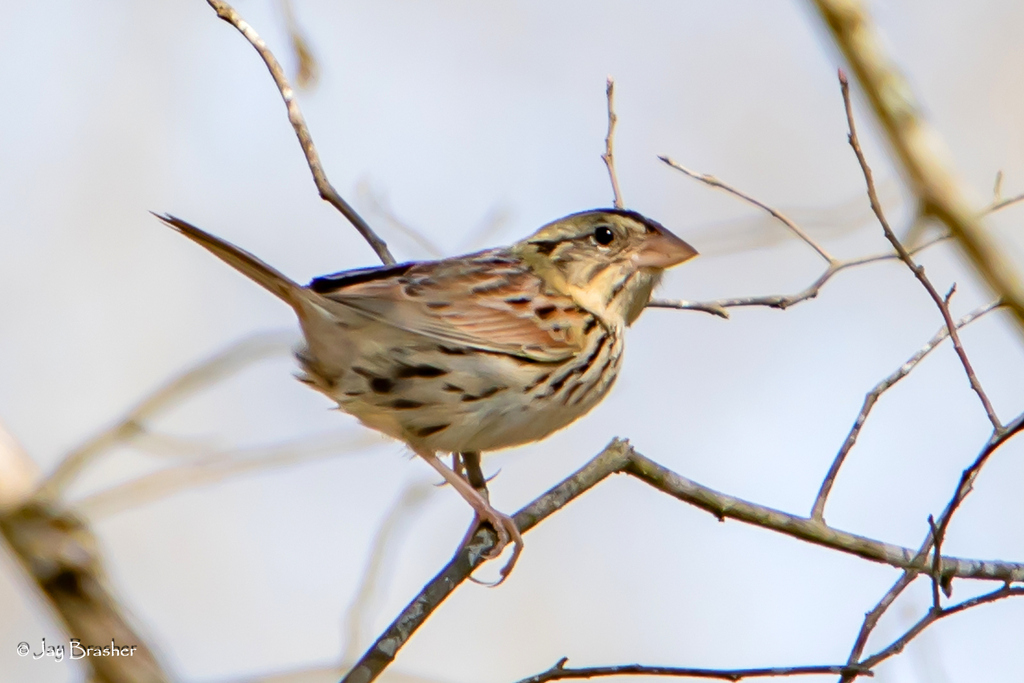
- Henslow's SparrowAmmodramus henslowii
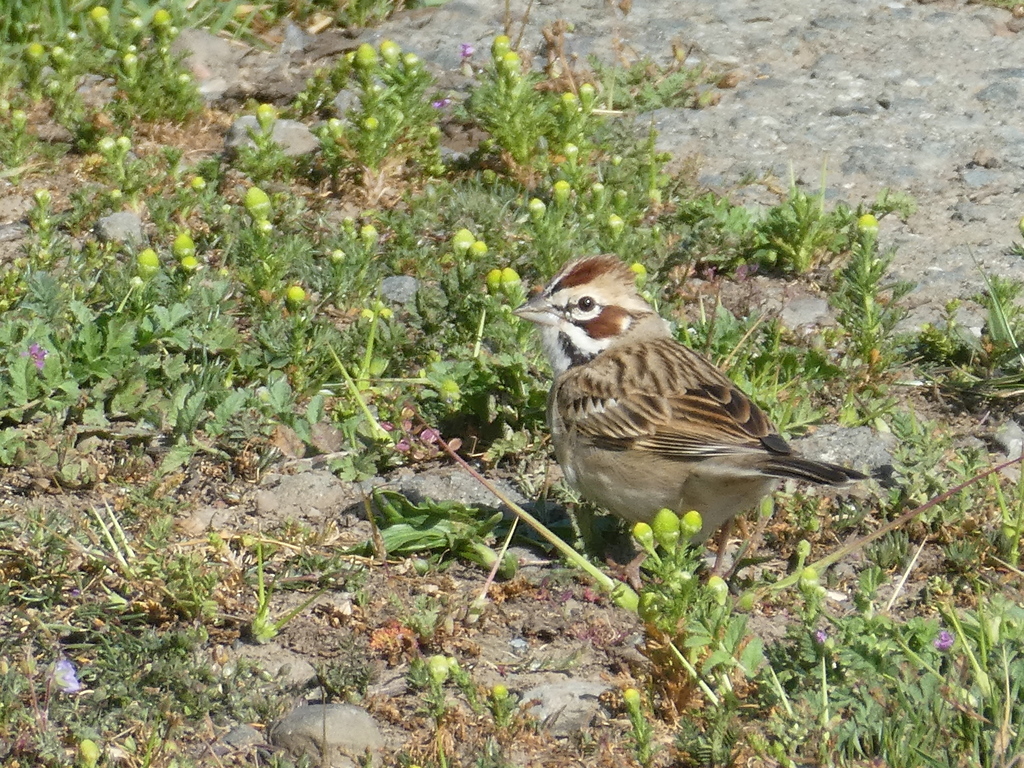
- Lark SparrowChondestes grammacus

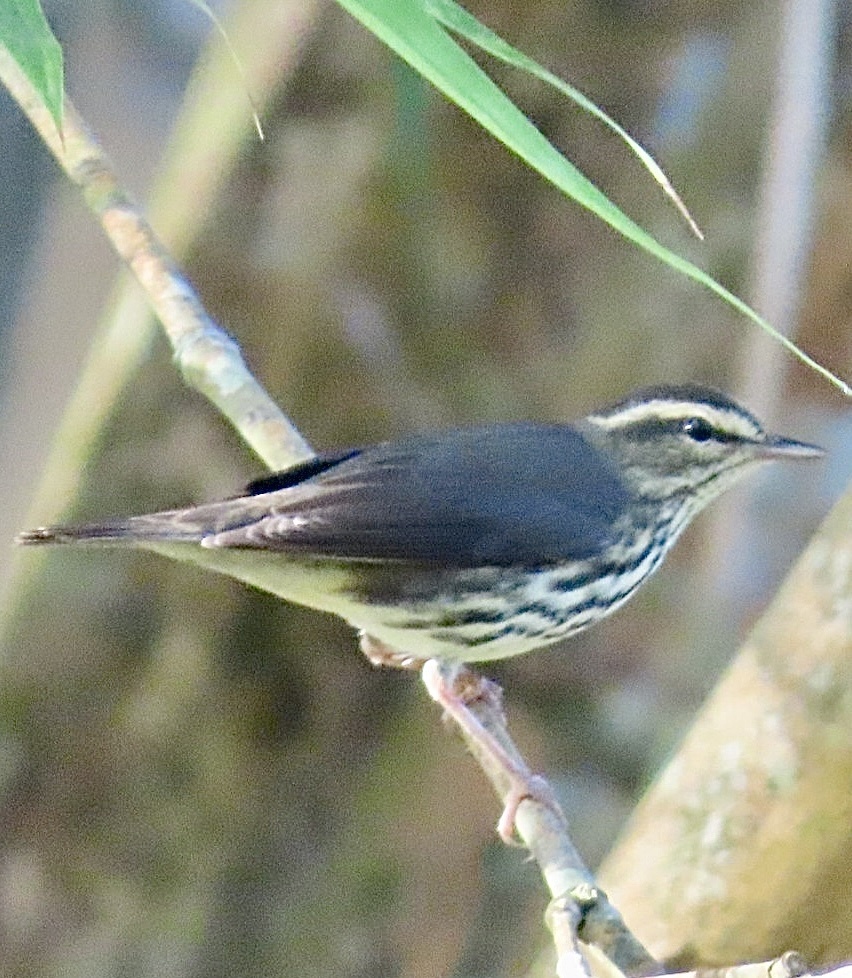
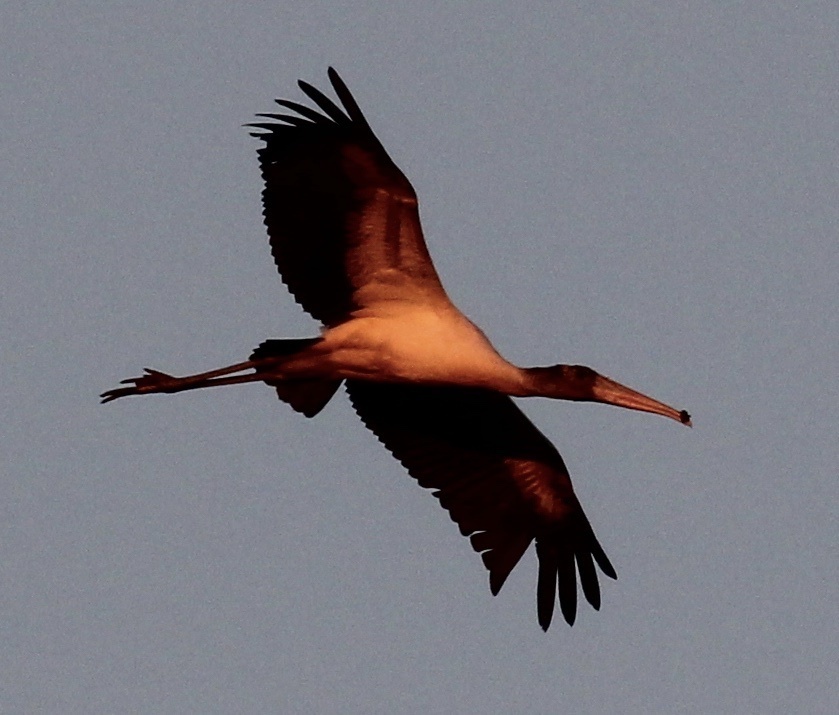

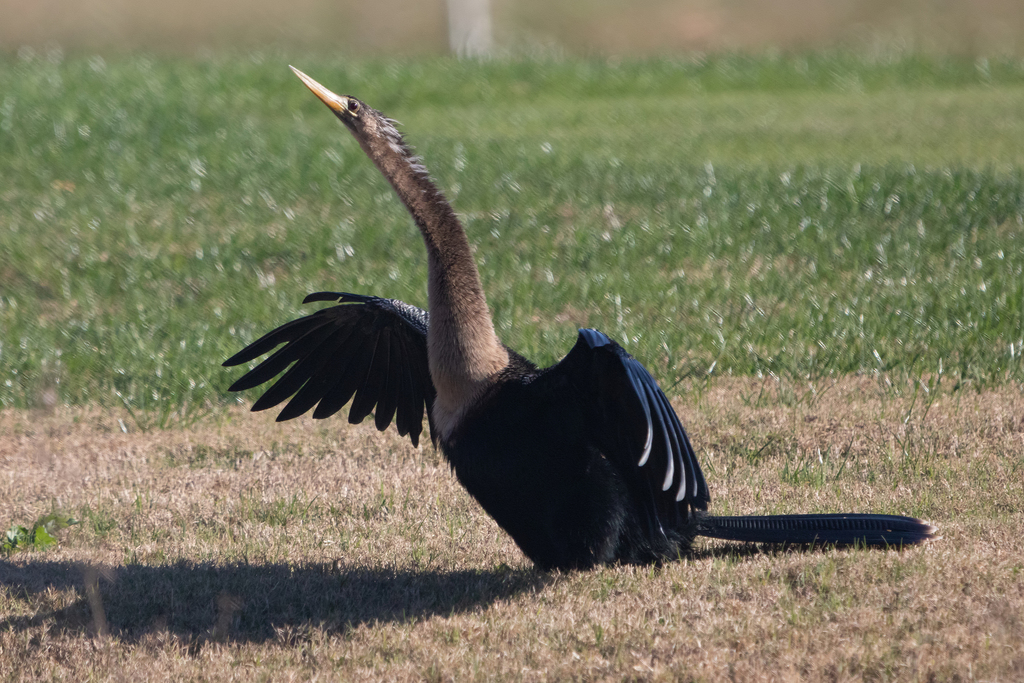
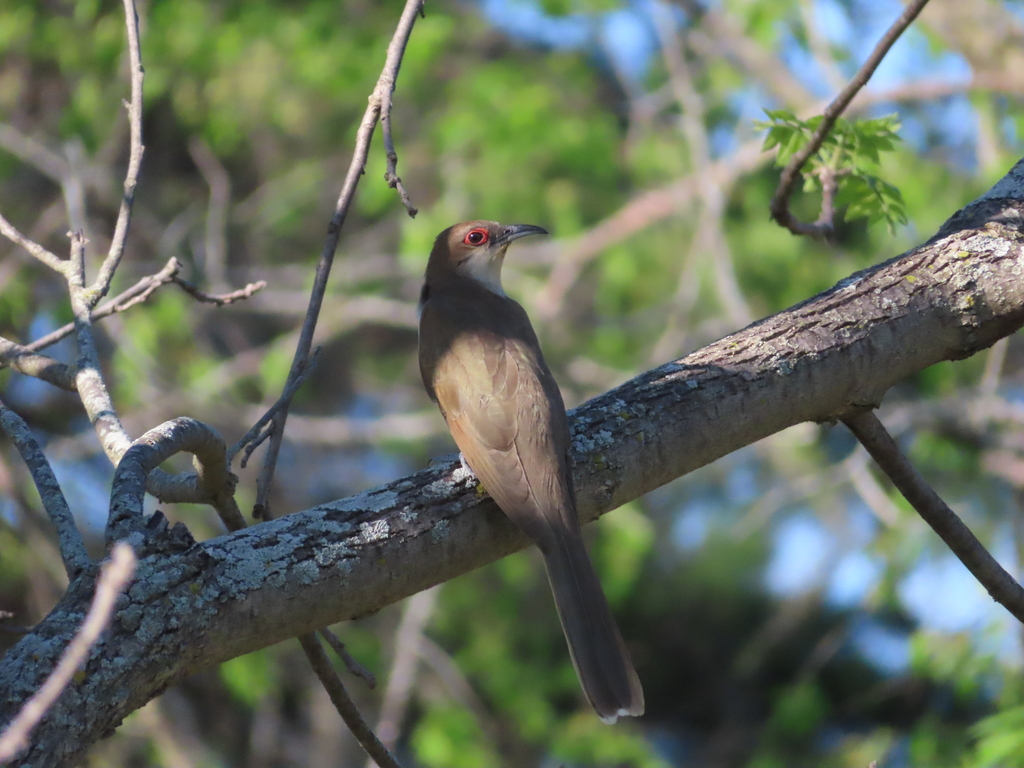
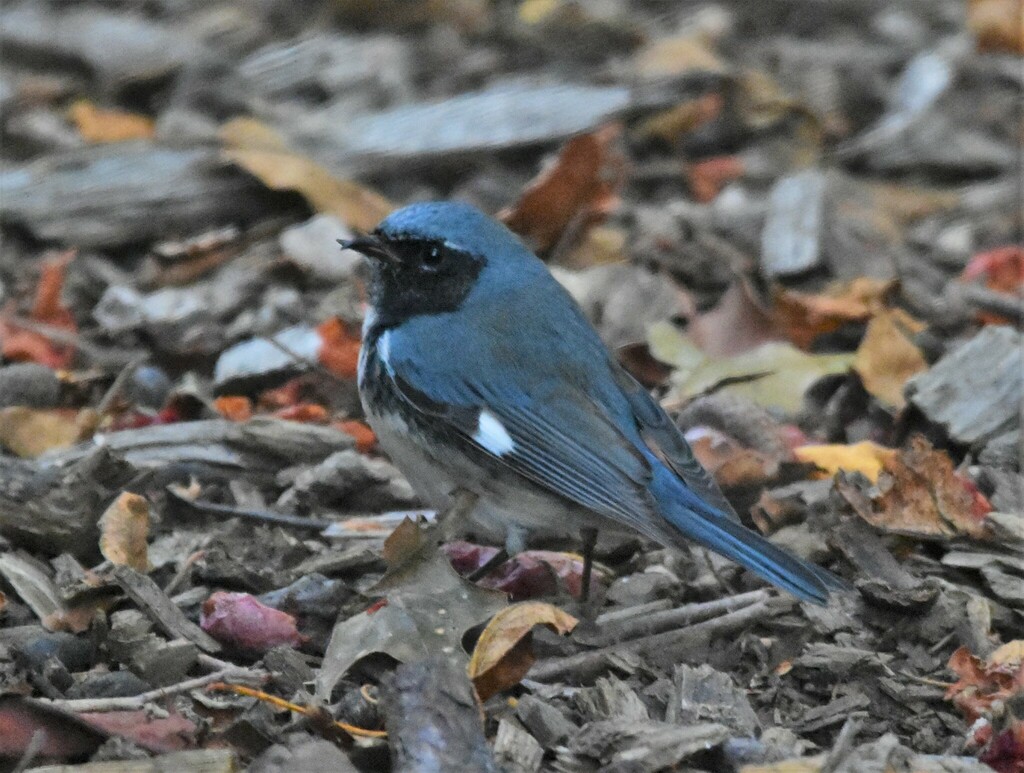
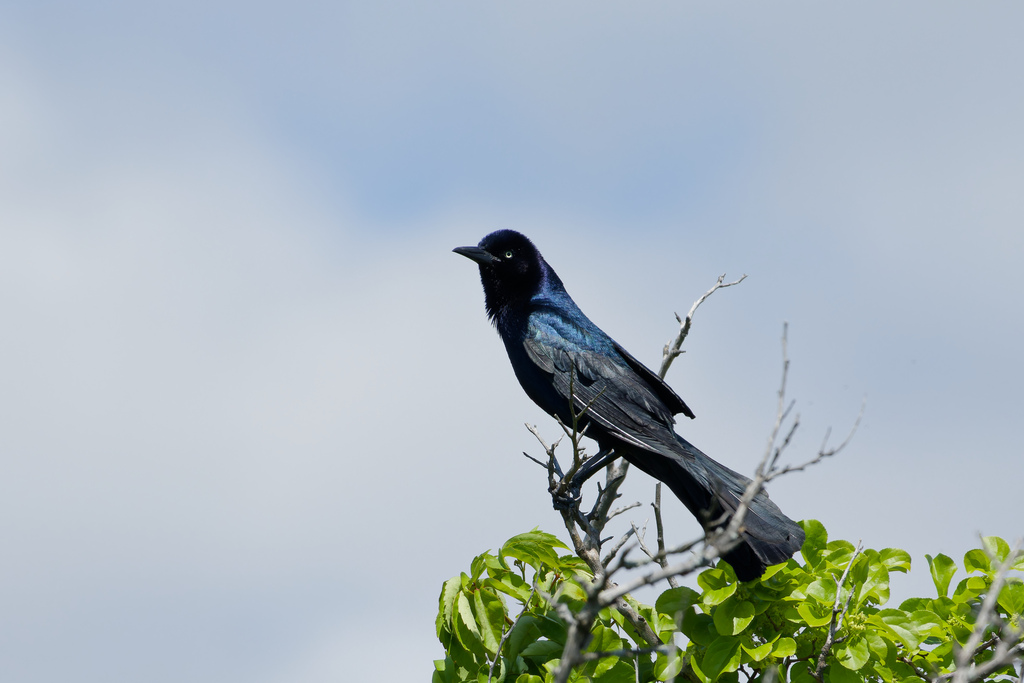

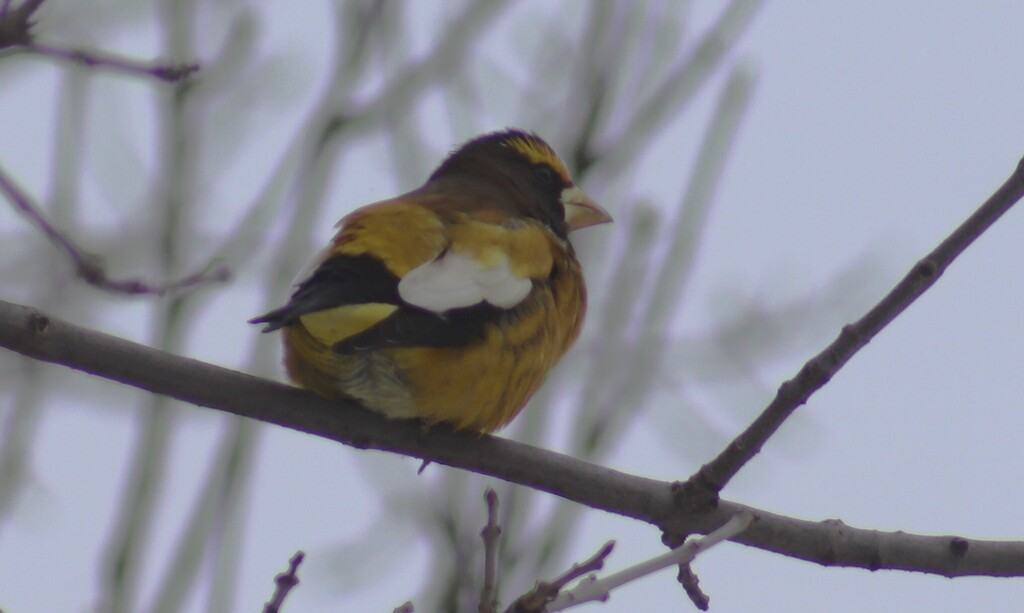
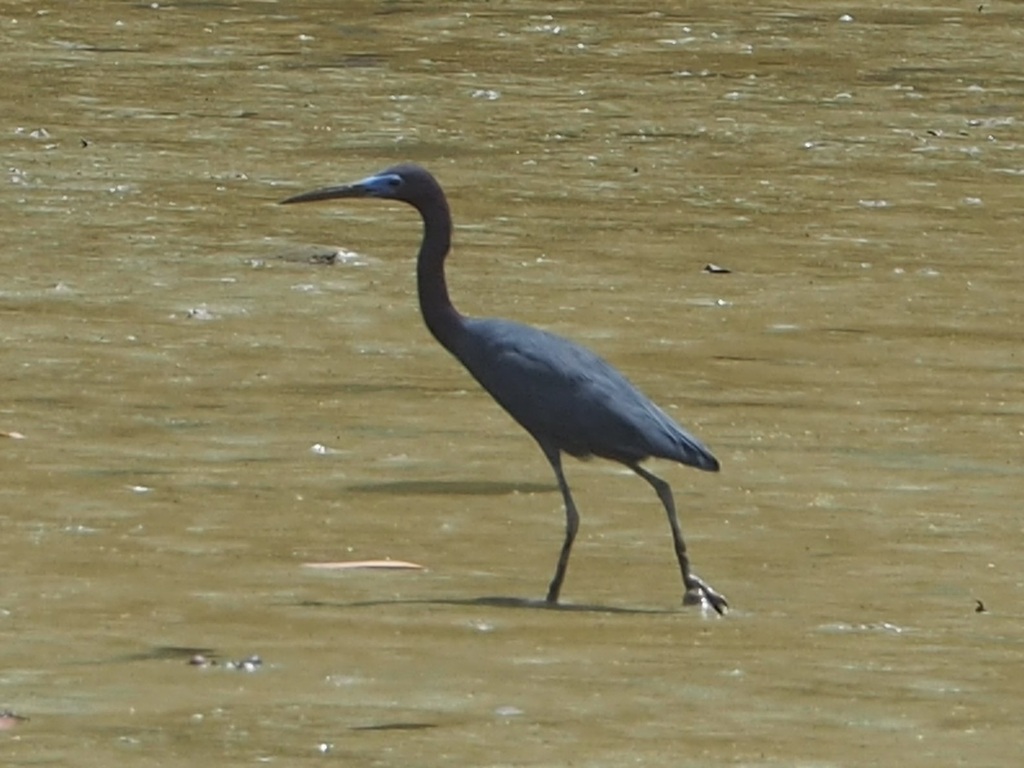



Who uses this plant?
 208CaterpillarsGenus host records with ranges including AL
Genus host records with ranges including AL · Acer
- Antheraea polyphemusPolyphemus Moth
- Automeris ioIo Moth
- Eacles imperialisImperial Moth
- Hyalophora cecropiaCecropia Moth
- Acharia stimuleaSaddleback Caterpillar Moth
- Achatia distinctaDistinct Quaker
- Acleris chalybeanaLesser Maple Leafroller Moth
- Acronicta americanaAmerican Dagger
- Acronicta funeralisFunerary Dagger, Paddle Caterpillar
- Acronicta impletaYellow-Haired Dagger
Show all 208
- Acronicta oblinitaSmeared Dagger
- Acronicta retardataBantam Maple Dagger, Retarded Dagger
- Actias lunaLuna Moth
- Alsophila pometariaFall Cankerworm Moth
- Amorbia humerosanaWhite-Lined Leafroller Moth
- Amphipyra pyramidoidesMiranda Underwing, Copper Underwing, Copper Amphipyra
- Anavitrinella pampinariaCommon Gray, Cranberry Spanworm
- Ancylis platananaSycamore Leafroller
- Anisota senatoriaOrange-Tipped Oakworm Moth, Orangestriped Oakworm
- Antaeotricha leucillanaWell-Marked Leaf Tier, Pale Gray Bird-Dropping Moth
- Antepione thisoariaVariable Antepione
- Apatelodes torrefactaSpotted Apatelodes
- Archips argyrospilaFruit-Tree Leafroller Moth
- Archips semiferanusOak Leafroller Moth
- Argyresthia subreticulataSpeckled Argyresthia Moth
- Argyrotaenia marianaGray-Banded Leafroller Moth
- Argyrotaenia quercifolianaYellow-Winged Oak Leafroller Moth, Lined Oak Leafroller
- Argyrotaenia velutinanaRed-Banded Leafroller Moth, Jack Pine Tube Moth
- Baileya ophthalmicaEyed Baileya
- Besma quercivorariaOak Besma
- Biston betulariaSalt-and-Pepper Geometer, Cleft-Headed Looper
- Callosamia prometheaPromethea Silkmoth, Promethea Moth
- Caloptilia bimaculatellaMaple Caloptilia
- Catocala micronymphaLittle Nymph
- Catocala palaeogamaOldwife Underwing
- Cecrita biundataWavy-Lined Heterocampa
- Cecrita guttivittaMaple Prominent, Saddled Prominent
- Cenopis diluticostanaSpring Dead-Leaf Roller Moth, Oak Cenopis
- Cenopis niveanaAproned Cenopis Moth
- Cenopis pettitanaMaple-Basswood Leafroller Moth
- Cenopis reticulatanaReticulated Fruitworm Moth
- Cepphis armatariaScallop Moth
- Chaetaglaea sericeaSilky Sallow
- Charadra deridensThe Laugher
- Chionodes obscurusellaBoxelder Leafworm Moth
- Choristoneura fractivittanaBroken-Banded Leafroller, Lined Corn-Borer Moth
- Choristoneura rosaceanaOblique-Banded Leafroller Moth, Rosaceous Leaf Roller
- Clostera inclusaAngle-Lined Prominent, Poplar Tent Maker, Poplar Leaf-Tier
- Coelodasys unicornisUnicorn Caterpillar Moth
- Colocasia flavicornisYellowhorn, Saddled Yellowhorn
- Crocigrapha normaniNorman's Quaker
- Dasychira obliquataStreaked Tussock Moth
- Dasychira tephraTephra Tussock Moth
- Datana ministraYellow-Necked Caterpillar Moth
- Dichomeris ligulellaPalmerworm
- Dryocampa rubicundaRosy Maple Moth, Green-Striped Mapleworm, Rosy Dryocampa
- Ectropis crepusculariaThe Small Engrailed, Saddleback Looper
- Elaphria chalcedoniaChalcedony Midget
- Elaphria exesaExesa Midget
- Elaphria festivoidesSouthern Festive Midget
- Elaphria versicolorVariegated Midget
- Ennomos magnariaMaple Spanworm Moth, Notchwing Geometer
- Ennomos subsignariaElm Spanworm Moth
- Episimus tyriusMaple Tip Borer
- Erannis tiliariaLinden Looper Moth, Western Winter Moth, Lime Looper
- Eubaphe mendicaThe Beggar
- Euchlaena amoenariaDeep Yellow Euchlaena
- Euchlaena irrariaLeast-Marked Euchlaena
- Euchlaena serrataThe Saw-Wing
- Eucirroedia pampinaScalloped Sallow
- Euclea delphiniiSpiny Oak-Slug Moth
- Eupithecia miserulataCommon Eupithacia, Common Pug
- Eupsilia cirripaleaFranclemont's Sallow
- Eupsilia morrisoniMorrison's Sallow
- Eupsilia vinulentaStraight-Toothed Sallow
- Eutrapela clematariaCurved-Tooth Geometer, Purplish Brown Looper
- Gesta juvenalisJuvenal's Duskywing
- Glena cognatariaBlueberry Gray
- Glena cribratariaDotted Gray
- Halysidota tessellarisBanded Tussock Moth, Pale Tiger Moth
- Haploa leconteiLeconte's Haploa
- Herpetogramma pertextalisBold-Feathered Grass Moth
- Herpetogramma thestealisZigzag Herpetogramma, Subtle-Feathered Grass Moth
- Heterocampa pulvereaWhite-Blotched Heterocampa
- Heterophleps triguttariaThree-Spotted Fillip
- Homorthodes furfurataNorthern Scurfy Quaker
- Hypagyrtis unipunctataOne-Spotted Variant
- Hypena baltimoralisBaltimore Bomolocha, Baltimore Snout
- Hypena scabraGreen Cloverworm Bomolocha, Black Snout
- Hyphantria cuneaFall Webworm
- Iridopsis defectariaBrown-Shaded Gray, Willow Looper
- Iridopsis ephyrariaPale-Winged Gray
- Iridopsis humariaSmall Purplish Gray
- Iridopsis larvariaBent-Line Gray
- Isa textulaCrowned Slug
- Kocakina fidelisIntractable Quaker, Green Fruitworm, Fourlined Green Fruitworm
- Laetilia coccidivoraScale-Feeding Snout
- Lambdina fervidariaCurve-Lined Looper Moth
- Lambdina fiscellariaHemlock Looper, Western Oak Looper
- Lambdina pellucidariaYellow-Headed Looper, Eastern Pine Looper
- Lithacodes fasciolaYellow-Shouldered Slug
- Lithophane antennataAshen Pinion
- Lithophane bethuneiBethune's Pinion
- Lithophane patefactaDiomorphic Pinion, Branded Pinion
- Lithophane petulcaWanton Pinion
- Lochmaeus manteoVariable Oakleaf Caterpillar Moth
- Lomographa vestaliataWhite Spring Moth
- Lytrosis sinuosaSinuous Lytrosis
- Lytrosis unitariaCommon Lytrosis
- Macaria aemulatariaCommon Angle
- Macaria pustulariaLesser Maple Spanworm Moth
- Machimia tentoriferellaGold-Striped Leaftier Moth
- Macrurocampa marthesiaMottled Prominent
- Malacosoma americanaEastern Tent Caterpillar
- Malacosoma disstriaForest Tent Caterpillar
- Megalopyge crispataBlack-Waved Flannel Moth, Crinkled Flannel Moth
- Megalopyge opercularisSouthern Flannel Moth, Puss Caterpillar
- Melanolophia canadariaCanadian Melanolphia, Variable Redmarked Looper
- Melanolophia signatariaSignate Melanolphia
- Metaxaglaea viaticaRoadside Sallow
- Morrisonia confusaConfused Woodgrain
- Morrisonia latexFluid Arches, Fluid Mamestra
- Nadata gibbosaWhite-Dotted Prominent
- Natada nasoniNason's Slug Moth
- Nematocampa resistariaFilament Bearer, Horned Spanworm Moth
- Nemoria lixariaRed-Bordered Emerald
- Nemoria mimosariaWhite-Fringed Emerald
- Nymphalis antiopaMourning Cloak
- Oedemasia concinnaRed-Humped Caterpillar, Red-Humped Appleworm
- Oedemasia semirufescensRed-Washed Prominent
- Oiketicus abbotiiAbbot's Bagworm Moth
- Orgyia definitaDefinite Tussock Moth
- Orgyia leucostigmaWhite-Marked Tussock Moth
- Orthosia alurinaGray Quaker
- Orthosia garmaniGarman's Quaker
- Orthosia hibisciSpeckled Green Fruitworm Moth, Speckled Green Quaker
- Orthosia rubescensRuby Quaker
- Paleacrita vernataSpring Cankerworm Moth
- Palthis angulalisDark-Spotted Palthis
- Pandemis lamprosanaWoodgrain Leafroller
- Pandemis limitataThree-Lined Leafroller Moth
- Paonias excaecataBlinded Sphinx, Blind Eyed Sphinx
- Paonias myopsSmall-Eyed Sphinx
- Papaipema cataphractaBurdock Border, Potato-Stalk Borer
- Papaipema furcataAsh-Tip Borer
- Papaipema nebrisStalk Borer
- Papilio glaucusEastern Tiger Swallowtail
- Parallelia bistriarisMaple Looper Moth
- Parasa indeterminaStinging Rose Caterpillar Moth, Rose Slug Caterpillar
- Peridea basitriensOval-Based Prominent
- Pero ancetariaHubner's Pero
- Pero morrisonariaMorrison's Pero
- Phaeoura quernariaOak Beauty Moth
- Phigalia strigatariaSmall Phigalia, Small Oak Looper
- Phigalia titeaThe Half-Wing Geometer, Spiney Looper, Eastern Oak Looper
- Phlogophora periculosaBrown Angle Shades
- Phobetron pitheciumHag Moth, Monkey Slug
- Phyllodesma americanaLappet Moth, American Lappet Moth, Southern Lappet Moth
- Phyllonorycter lucidicostellaLesser Maple Leaf Blotch Miner
- Plagodis alcoolariaHollow-Spotted Plagodis
- Plagodis fervidariaFervid Plagodis
- Plagodis phlogosariaStraight-Lined Plagodis
- Plagodis pulverariaAmerican Barred Umber, Barred Umber
- Plagodis serinariaLemon Plagodis
- Platynota flavedanaBlack-Shaded Platynota
- Pococera asperatellaMaple Webworm
- Prionoxystus macmurtreiLittle Carpenterworm, Lesser Oak Carpenter Worm
- Prionoxystus robiniaeCarpenterworm Moth, Black Locust Borer, Cottonwood Borer
- Probole alienariaDogwood Probole, Alien Probole
- Probole amicariaFriendly Probole
- Prochoerodes lineolaLarge Maple Spanworm Moth
- Prolimacodes badiaSkiff Moth, Skiff Caterpillar
- Proteoteras aesculanaMaple Seed Caterpillar, Maple Twig Borer
- Proteoteras crescentanaNorthern Boxelder Twigborer, Black-Crescent Proteoteras
- Proteoteras moffatianaMaple Bud Borer, Maple Shoot Borer
- Protoboarmia porcelariaPorcelain Gray, Dashedlined Looper
- Psaphida resumensFigure-Eight Sallow
- Psaphida styracisFawn Sallow
- Pseudexentera spolianaBare-Patched Leafroller
- Pseudothyatira cymatophoroidesTufted Thyatirid
- Psilocorsis cryptolechiellaBlack-Fringed Leaftier
- Psilocorsis reflexellaDotted Leaftier Moth
- Pyrrharctia isabellaIsabella Tiger Moth, Banded Woolybear
- Rifargia subrotataSmall Heterocampa
- Satyrium calanusBanded Hairstreak, Falacer Hairstreak
- Schizura ipomaeaeMorning-Glory Prominent, Checkered-Fringe Prominent
- Selenia kentariaKent's Geometer
- Spilosoma virginicaVirginian Tiger Moth, Yellow Woolybear Moth, Yellow Bear
- Strepsicrates smithianaBayberry Leaftier
- Sunira bicoloragoBicolored Sallow
- Synanthedon acerniMaple Callus Borer Moth
- Synanthedon acerrubriRed Maple Borer, Maple Clearwing
- Tetracis cachexiataWhite Slant-Line
- Tetracis crocallataYellow Slant-Line
- Thyridopteryx ephemeraeformisEvergreen Bagworm Moth
- Tolype velledaLarge Tolype, Large Lappet Moth, Vellada Lappet Moth
- Tortricidia flexuosaAbbreviated Button Slug Moth
- Tortricidia pallidaRed-Cross Button Slug
- Tortricidia testaceaEarly Button Slug
- Xanthotype urticariaFalse Crocus Geometer
- Xestia dolosaGreater Black-Letter Dart, Greater Spotted Cutworm
- Zale galbanataMaple Zale, Boxelder Zale
- Zale lunataLunate Zale
- Zale minereaColorful Zale
- Zanclognatha cruralisEarly Zanclognatha, Early Fan-Foot
- Carmenta corni
- Eupithecia swettii
- Proteoteras naracana
 15BeesSoutheastern regional records
Southeastern regional records · Acer
Individual names are not available yet.
Noori, Seltmann & Orr 2026, A curated and integrated dataset for exploring global bee-plant interactions (GloBI), Zenodo, CC BY 4.0 0Specialist beesPollen specialists
 7BirdsRecorded genus food-resource interactions; not a state feeding claim
Recorded genus food-resource interactions; not a state feeding claim · Acer
- Aix sponsaWood Duck
- Bonasa umbellusRuffed Grouse
- Cardinalis cardinalisNorthern Cardinal
- Coccothraustes vespertinusEvening Grosbeak
- Ectopistes migratoriusPassenger Pigeon
- Pheucticus ludovicianusRose-breasted Grosbeak
- Pinicola enucleatorPine Grosbeak
Direct food only: birds recorded eating this genus across North America. Caterpillars on host plants also feed nesting birds. NC Native Plant Society: butterfly gardening
Birds — Eat the seeds
No records yet · Ants · Beetles · Flies · Adult butterflies / moths · Other wasps · Other insects
Plant details
- Family
- Sapindaceae
- Hardiness
- Zones 2a–9b
- Soil pH
- Acidic to neutral
- Flower color
- Red
- Growth rate
- Rapid
- Growth habit
- Single stem
- Foliage color
- Green
- Fruit begins
- Spring
- Fruit ends
- Spring
What its natural habitat tells you
Safety has not been reviewed for this plant; check toxicity and thorns before planting.
Allow room for shallow roots; avoid planting close to paving. Compacted or alkaline sites can cause problems. NC State Extension
Red maple occurs across wet and dry settings, but the synthesis identifies moist, moderately well-drained sites as favorable for development. Silvics of North America: Red Maple
species-level site associations; no single life stage specified · North American range synthesis · Natural occurrence does not guarantee establishment in a compacted yard. Moisture availability and drainage are different conditions.
Red maple seedlings do not respond to shade uniformly: the Forest Service synthesis reports greater shade tolerance in northern populations than in Piedmont observations, with site quality also influencing the response. Silvics of North America: Red Maple
seedlings · Northern range compared with Piedmont observations; not a county-specific trial · A historical synthesis, not a planting rule for every cultivar or mature tree. It does not establish an hours-of-sun threshold.
Growing sources and scope
- Bloom · “Early spring” · USDA PLANTS · Nationwide species characteristics; local growing conditions may vary
- Flower color · “Red” · USDA PLANTS (ranked first; Lady Bird Johnson Wildflower Center differs) · Nationwide species characteristics; local growing conditions may vary
- Foliage color · “Green” · USDA PLANTS · Nationwide species characteristics; local growing conditions may vary
- Fruit begins · “Spring” · USDA PLANTS · Nationwide species characteristics; local growing conditions may vary
- Fruit ends · “Spring” · USDA PLANTS · Nationwide species characteristics; local growing conditions may vary
- Growth habit · “Single stem” · USDA PLANTS · Nationwide species characteristics; local growing conditions may vary
- Growth rate · “Rapid” · USDA PLANTS · Nationwide species characteristics; local growing conditions may vary
- Hardiness · “Zones 3–9” · Missouri Botanical Garden Plant Finder
- Height · “About 68 feet” · USDA PLANTS (ranked first; Lady Bird Johnson Wildflower Center, Missouri Botanical Garden Plant Finder differ) · Nationwide species characteristics; local growing conditions may vary
- Leaves · “Deciduous” · Lady Bird Johnson Wildflower Center
- Leaf retention · “Deciduous” · USDA PLANTS · Nationwide species characteristics; local growing conditions may vary
- Life cycle · “Perennial” · Lady Bird Johnson Wildflower Center
- Light · “Full to part sun” · Tennessee Smart Yards (ranked first; Virginia DCR Piedmont, Virginia DCR Coastal Plain, Lady Bird Johnson Wildflower Center, Missouri Botanical Garden Plant Finder differ) · Published Tennessee growing guidance; exact cached scientific heading
- Soil · “moderately wet to medium” · Tennessee Smart Yards (ranked first; Virginia DCR Piedmont, Virginia DCR Coastal Plain, Lady Bird Johnson Wildflower Center, Missouri Botanical Garden Plant Finder differ) · Published Tennessee growing guidance; exact cached scientific heading
- Soil pH · “Acidic to neutral” · Lady Bird Johnson Wildflower Center
- Spread · “30–50 feet” · Missouri Botanical Garden Plant Finder
Recognizing it
Opposite leaves have three to five toothed lobes. Red flower clusters open before leaf-out. Identification source
Conservation status
| Alabama rank | SNR |
|---|---|
| Global rank | G5 |
| AL status | Not verified |
| Federal status | Not verified |
Will it fit your yard?
Check this plant against your county, sun and soil moisture. Conditions are checked in your browser.
Sources
- Alabama Plant Atlas
- USDA PLANTS
- Vascular Plants of North Carolina (NC Natural Heritage Program)
- Shropshire & Tallamy 2025, Lepidoptera of North America north of Mexico, ZooKeys 1261 (ODbL)
- Noori, Seltmann & Orr 2026, A curated and integrated dataset for exploring global bee-plant interactions (GloBI), Zenodo, CC BY 4.0
- Smith, Bachelder, Russell, Morales, Mosher & Seltmann 2024, Bee-Specialization-Modeling v0.6.1 (specialist host table compiled from J. Fowler's pollen specialist bee lists), Zenodo, CC BY 4.0
- Hurlbert, Olsen, Sawyer & Winner 2021, Avian Diet Database, Scientific Data 8: 260 (CC0)
- Narango, Tallamy & Shropshire 2020, Few keystone plant genera support the majority of Lepidoptera species, Nature Communications
- NC State Extension